
Moving with Children
日本語Pediatric Clinics in Japan: Costs, Night Care and Emergencies
How children's healthcare works in Japan: local pediatric clinics, what to bring, low costs with city subsidies, and #8000 and 119 at night.

This is general information, not medical advice. In an emergency, call 119.
Families in Japan use a local pediatric clinic (小児科, shōnika) for almost everything: fevers, coughs, rashes and vaccinations. Hospitals are for referrals and emergencies. Setting up a clinic, and knowing what to do at night, is one of the first things to do after you move.
Set up in your first month
- Find a pediatric clinic near home. Many take bookings online or by app, and some limit walk-ins at busy times. Your city's website lists local clinics, and other parents and your daycare are the best guide to which ones are good.
- Find your city's night and holiday clinic (休日夜間急患センター). Every city has one or more for non-urgent cases outside clinic hours.
- Save the numbers below in every parent's phone.
- Plan sick days. Daycares send children home with a fever, often from about 37.5°C, so decide in advance who picks up.
What to bring
- Your health insurance details. Since December 2024, this is usually your My Number Card used as a health insurance card, or the eligibility certificate your insurer sends.
- Your city's child medical subsidy card (子ども医療証), which you receive after registering.
- The maternal and child health handbook (母子健康手帳), which records growth and vaccinations. If you came from abroad, bring your child's vaccination records too.
- A note of allergies and regular medicines.
What it costs
With Japanese health insurance, children pay 20% of medical costs until they start elementary school, and 30% after. On top of that, almost every city and ward runs a child medical subsidy (子ども医療費助成) that pays some or all of the rest, often up to the end of junior high or age 18. The details differ by city, so check yours; in many places a clinic visit costs nothing or a few hundred yen.
At night and on holidays
| Situation | What to do |
|---|---|
| Not sure whether to go to hospital | Call #8000, the children's medical helpline. Nurses or doctors advise by phone. It runs in every prefecture in the evening and at night, and longer at weekends; hours vary by prefecture |
| Advice for anyone, any age | Call #7119 where it runs, including Tokyo, Osaka Prefecture and Kobe |
| Needs a doctor tonight, not urgent | Go to your city's night and holiday clinic |
| Emergency | Call 119 for an ambulance. It is free |
Call 119 straight away for difficulty breathing, a seizure, a child who is unusually sleepy or hard to wake, a serious injury or signs of severe dehydration. Phone advice lines may be in Japanese only, so keep a few key phrases or a Japanese-speaking contact ready.
Vaccinations
Routine childhood vaccinations are free in Japan and are given at pediatric clinics. Your city sends vouchers after you register your child; if you arrived from abroad, take your records to the clinic so it can plan any catch-up doses. See our vaccination schedule guide.
FAQ
Do children in Japan see a GP or a pediatrician? A pediatrician. Local pediatric clinics (小児科) are the first stop for most illnesses and vaccinations.
How much does a doctor's visit cost for a child? Children pay 20% of costs until they start school, then 30%, but most cities subsidize children's bills, so many visits cost little or nothing. Check your city's subsidy.
What number do I call at night for a sick child? #8000 for advice from the children's medical helpline, or 119 for an ambulance in an emergency.
Is the ambulance free? Yes, calling 119 and the ambulance ride are free.
Do clinics speak English? Some do, especially in central Tokyo, Yokohama and Kobe, but most don't. Ask other parents or your daycare, and see our guide to English-speaking clinics in Japan.
Related guides
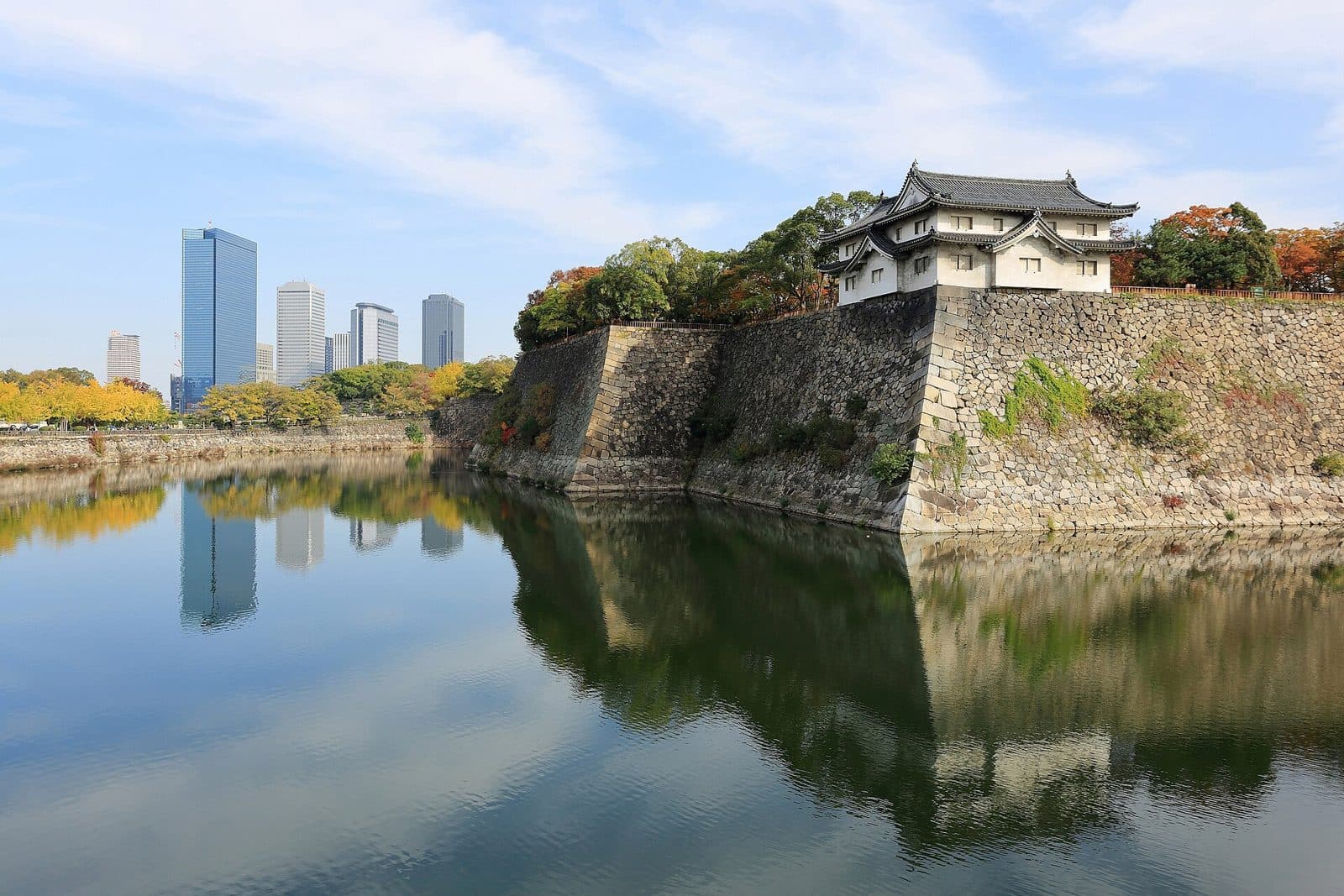
Moving to Japan with Children
Moving to Osaka with Children: The Family Relocation Guide (2026)
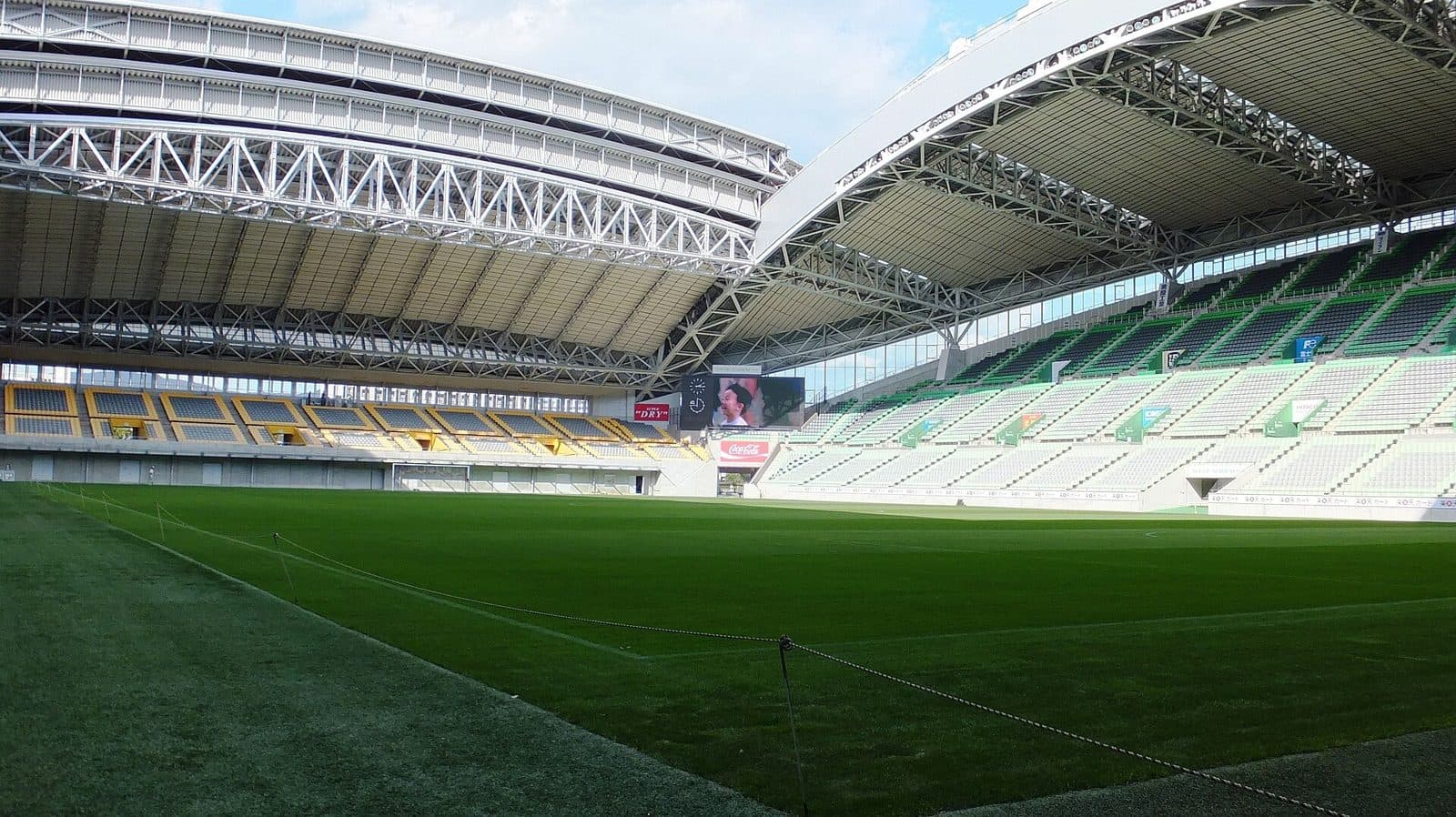
Moving to Japan with Children
Moving to Kobe on a Sports Contract: Schools for Your Kids
Moving to Japan with Children
Returnee Children in Tokyo: School Options for Kikokushijo Families (2026)
Moving to Japan with Children
Japan Child Allowance (Kodomo Teate): Amounts and Payment Dates

Stay current
Admissions details change. We will tell you when.
Fees, application windows and year-group availability move every cycle, and schools rarely announce it loudly. One email when something in these guides changes, plus new guides as they publish.
No schools pay to appear in these guides. Unsubscribe whenever you like.
Who wrote this
The Standard Japan editorial desk
The Standard Japan is run from Japan. No school pays to appear in these guides. We check facts against primary sources and update pages when official information changes.