
Tokyo vs Osaka 2026: Which City First?
Tokyo vs Osaka 2026: first-timers start Tokyo; Kansai base or food-first trips start Osaka. Cost, nightlife, day trips — decide in one table.
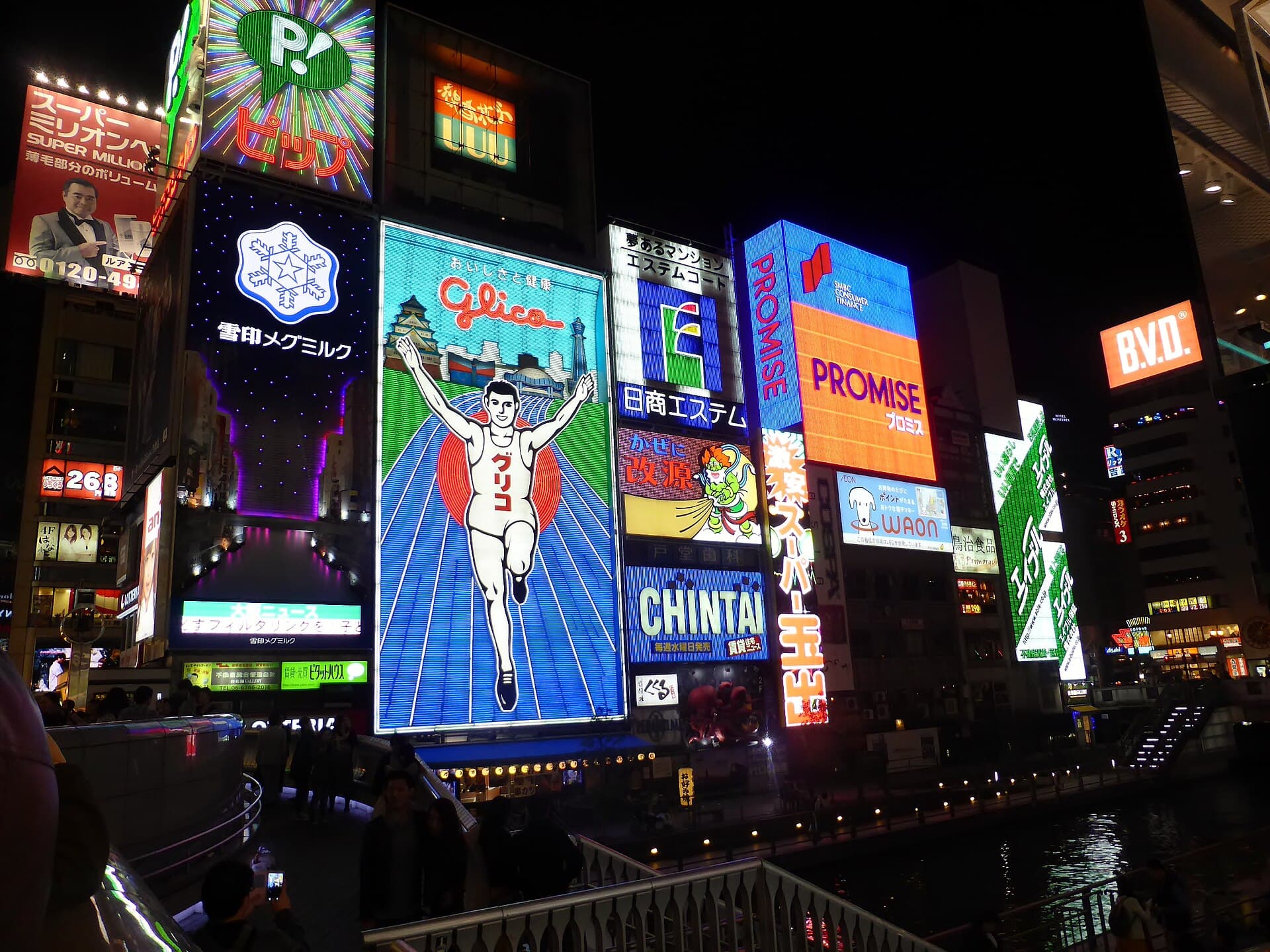
First Japan trip? Start in Tokyo if you have at least five days in one city. Osaka first if you are basing in Kansai (Kyoto/Nara/Kobe day trips) or you care more about street food and approachable nightlife than maximum urban depth.
Tokyo demands attention; Osaka hands you its own pace. This is a decision framework — not a temple checklist. City deep-dives: what to do in Tokyo, Osaka travel guide. Both cities: 2-week itinerary.
30-Second Decision Table
| You want… | Pick |
|---|---|
| First Japan + fashion/art/high-end dining | Tokyo |
| Street food, talkative counters, louder nights | Osaka |
| Kyoto/Nara/Kobe without hotel-hopping | Osaka base |
| Rooftops, Golden Gai, jazz rooms | Tokyo (nightlife hub) |
| 3 days total in one metro | Osaka (compact + Kansai day trips) |
| 5+ days to go deep | Tokyo |
The Core Difference: How Each City Relates to You
Tokyo is a city that operates on unspoken rules. It rewards patience, observation, and the willingness to go deeper. The best experiences there are rarely visible from the surface — you have to earn them. The food scene is extraordinary but impersonal. The nightlife is world-class but quiet on the outside.
Osaka operates on the opposite principle. Kuidaore — eat until you drop — is not a tourist slogan. It is a value system. Osaka people are proud of their directness, their humor, and their food. A stranger at the counter of a standing ramen shop in Osaka will start a conversation before you finish your first bowl. That does not happen in Tokyo.
Neither city is better. They are different shapes of city life, and you should go to the one whose shape fits you.
Food: Tokyo Wins on Depth, Osaka Wins on Spirit
Both cities have more Michelin stars than any other city on Earth. This comparison is almost unfair to everywhere else.
Tokyo food scene:
- Deepest concentration of world-class restaurants anywhere
- Every regional cuisine of Japan represented at a high level
- Sushi, ramen, French-Japanese fusion, yakitori, soba — all at their global best
- More expensive on average; the premium tier is higher
- Reservations harder to get; language barrier more significant at top restaurants
Osaka food scene:
- Takoyaki, okonomiyaki, kushikatsu: street food traditions that define the city
- Dotonbori has become touristy but the neighborhoods around it have not
- Standing sushi (tachinomi) culture is more casual and accessible
- Kuromon Ichiba market is one of the best food markets in Asia
- Locals genuinely argue that Osaka food is Japan's best. They are not wrong to argue this.
Verdict: If your goal is to eat at the best of the best, Tokyo wins by technical margin. If your goal is to eat as Osaka eats — street food, standing counters, family restaurants where the grandmother takes your order — Osaka wins on experience.
Cost: Osaka Is Cheaper, But Not by as Much as You Think
Osaka has a reputation as the budget-friendly alternative to Tokyo. This is partially true.
| Category | Tokyo Average | Osaka Average |
|---|---|---|
| Business hotel (per night) | ¥12,000–¥18,000 | ¥9,000–¥14,000 |
| Ramen lunch | ¥900–¥1,400 | ¥750–¥1,200 |
| Izakaya dinner for two | ¥5,000–¥8,000 | ¥4,000–¥7,000 |
| Beer at a bar | ¥700–¥900 | ¥600–¥800 |
| Subway ride | ¥180–¥280 | ¥180–¥270 |
Osaka is cheaper, but the gap has narrowed as the city has become more internationally recognized. Budget roughly 10–15% less for Osaka compared to Tokyo.
Nightlife: Tokyo Runs Deeper, Osaka Runs Louder
Dedicated comparison (the osaka vs tokyo nightlife search): Tokyo vs Osaka nightlife.
Tokyo’s nightlife is stratified. Golden Gai packs ~200 micro-bars. Rooftop terraces are the skyline splurge. Jazz rooms and izakaya fill the middle. Full map: Japan Nightlife.
Osaka concentrates around Namba, Amerika-mura, and Umeda. Louder, easier on night one. Osaka night views (Floating Garden + hotel lounges) beat “rooftop bar density.” Dotombori is crowded; side streets are where it gets interesting. Clubs like Circus and Joule punch above the city’s weight.
First-timers: Osaka nights are more accessible without insider knowledge.
Return visitors: Tokyo wins on depth across multiple nights.
Kyoto nights: temple terraces — Kyoto rooftops — are a third shape of evening, not a Tokyo/Osaka clone.
Getting Around: Tokyo Is Bigger, Osaka Is More Logical
Tokyo has 13 subway lines, multiple private railways, and a JR network that covers the whole metropolis. It is not complicated once you have a Suica card and Google Maps — but the scale is genuinely enormous. Shinjuku Station alone processes more passengers per day than any other station in the world.
Osaka's subway system is smaller, cleaner, and easier to navigate. The main attractions — Namba, Shinsaibashi, Umeda, Tennoji — are all directly connected. You can walk more in Osaka; the city's scale is more human.
Day Trips: Osaka Wins Decisively
This is the clearest advantage Osaka has over Tokyo for many travelers.
From Osaka (under 60 minutes each):
- Kyoto: 15 minutes by Shinkansen, 30 by JR
- Nara: 45 minutes
- Kobe: 25 minutes
- Himeji: 35 minutes by Shinkansen
Osaka sits at the center of the Kansai region, which contains the highest density of historic Japan — Kyoto's temples, Nara's deer park, Kobe's harbor, Himeji Castle. Using Osaka as a base for exploring all of Kansai is one of the smartest itineraries in Japan.
From Tokyo:
- Nikko: 2 hours
- Hakone: 1.5 hours
- Kamakura: 1 hour
- Kyoto: 2.5 hours by Shinkansen
Tokyo's day trip options are excellent but require more commitment and planning.
Which City to Visit First?
Go to Tokyo first if:
- This is your first trip to Japan
- You want to understand modern Japanese urban culture at its most developed
- You are interested in fashion, design, contemporary art, or high-end dining
- You have at least 5 days in one city
Go to Osaka first if:
- You are an experienced Japan traveler returning for the third or fourth time
- Your primary interest is food, nightlife, or regional culture
- You plan to base yourself in Kansai and visit Kyoto, Nara, and Kobe
- You find Tokyo's pace and scale overwhelming
Go to both if you can: Tokyo to Osaka by Shinkansen takes 2.5 hours. Most two-week itineraries can accommodate at least 3–4 days in each city. They complement each other more than they compete.
FAQ: Tokyo vs Osaka
Which city is better for solo travelers? Both are exceptionally safe for solo travel. Osaka is more socially accessible — locals are more likely to engage with you. Tokyo is better if you want to move through a city on your own terms without social interaction.
Is Osaka friendly to English speakers? Yes, more so than Tokyo in casual settings. Signs are bilingual in most tourist areas. Locals in Osaka are more likely to attempt conversation even with limited English.
Which is better for a 3-day trip? Osaka. The compact size and central Kansai location mean you can do Osaka properly and still make a day trip to Kyoto or Nara.
Is Kyoto better than Osaka? Kyoto and Osaka serve different purposes. Kyoto is a day trip destination for temples, gardens, and traditional culture. Osaka is a city to live in for a few days. They are not in competition.
Which city has better ramen? Tokyo. Ramen originated in China and was developed into its current form largely in Tokyo. The city has the highest concentration of serious ramen shops. That said, Osaka's local noodle — udon — is excellent.
Can you see both Tokyo and Osaka in one trip? Yes, and you should. Most 10–14 day itineraries include 4–5 days Tokyo, 2–3 days Osaka, with Kyoto, Nara, or Hiroshima added as needed.
Which city is safer? Both are among the safest major cities in the world. Crime against tourists is negligible in both. The main risk in either city is missing your last train — Tokyo last train.
Related Guides
- Tokyo depth → What to do in Tokyo, neighborhoods compared, Nakameguro
- Osaka / Kansai → Osaka guide, Osaka food, Kyoto vs Tokyo
- Nights → Tokyo vs Osaka nightlife, Nightlife hub, Tokyo rooftops, Osaka night views
- Planning → 2-week itinerary, trip cost
Travel Desk
The Standard Japan
Trip planning: seasons and crowds, getting around, airports, where to stay, and the practical steps before and after you land.
Facts are taken from primary sources (operators, venues, official tourism and government pages) and dates and prices are checked on the day of writing. Pages are revised when those sources change.
Expertise
Seasonal crowds, transport and airports, itineraries, lodging, pre-trip logistics
Have a question or a correction?
Ask us anything about Tokyo vs Osaka 2026: Which City First?, or tell us what we got wrong. We reply within 24 to 48 hours.
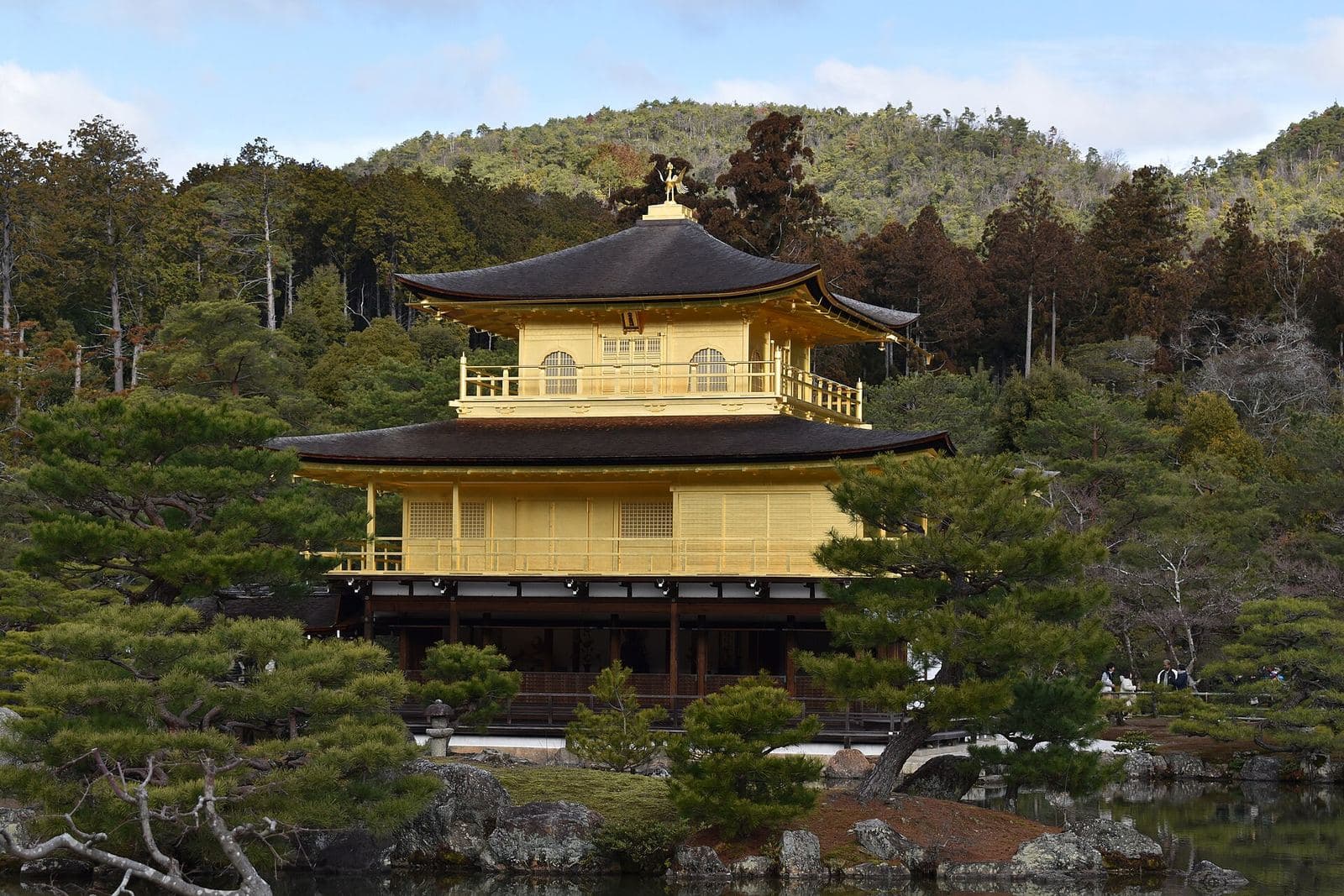
Related Stories
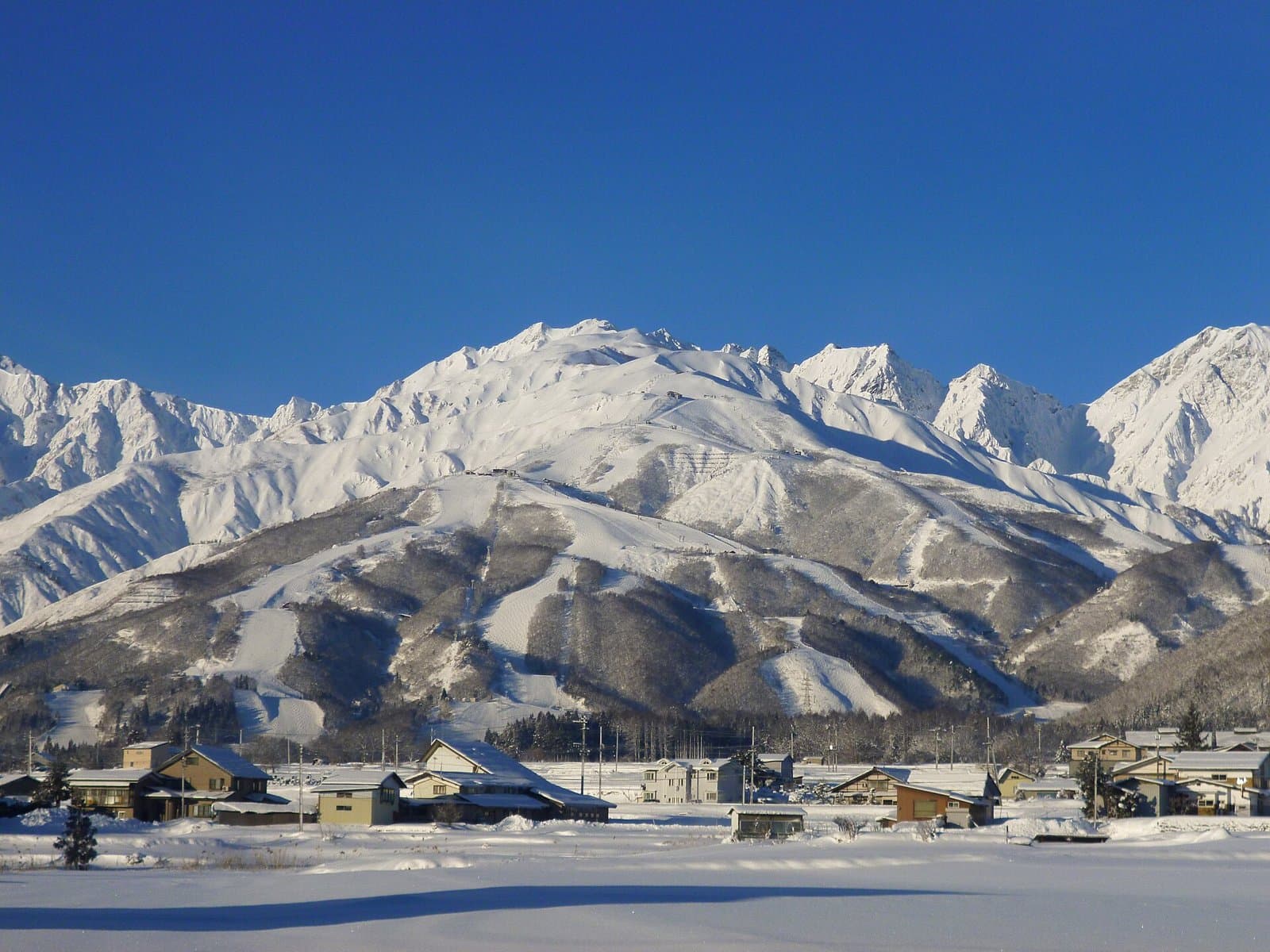
Niseko vs Hakuba vs Nozawa Onsen: Which to Ski? (2026–27)
Niseko, Hakuba or Nozawa Onsen? Niseko is the easy first trip but costs most; Hakuba is bigger and cheaper; Nozawa is a real onsen village. 2026–27 prices.
Japan's Accommodation Tax 2026: What You'll Pay in Tokyo, Kyoto, and Osaka
Tokyo charges up to ¥200 a night, Kyoto up to ¥10,000 at the luxury tier, and more cities add hotel taxes in 2026. What you'll owe, city by city.
Japan 10-Day Itinerary: Tokyo, Fuji Day, Kyoto, and Osaka
A realistic 10-day Japan itinerary for first-timers: Tokyo base, one Mt. Fuji/Hakone day, Kyoto temples, Osaka food — with booking tips and what to cut.