Skip to content

The Best of Tokyo & Japan

Japanese Festivals Calendar 2026: Matsuri, Hanabi, and Seasonal Celebrations

Japanese Festivals Calendar 2026: Matsuri, Hanabi, and Seasonal Celebrations

Complete guide to Japanese festivals 2026: Cherry blossom festivals in April, summer fireworks (hanabi) in July-August, autumn leaves viewing in November. Monthly calendar of matsuri across Japan with dates, locations, and what to expect.

A
Alex Rivera
·August 12, 2026·14 min read
Share
japanese festivalsmatsurihanabicherry blossomsjapan events 2026summer festivals japanfireworks japan

Key Takeaways

  • Japan has 100,000+ annual festivals (matsuri) - every season has major celebrations
  • Cherry blossom viewing (hanami) peaks late March-early April 2026 - nationwide festivals
  • Summer fireworks (hanabi taikai) - July-August 2026, largest is Sumida River (1 million attendees)
  • Traditional matsuri feature portable shrines (mikoshi), street food stalls, yukata, and taiko drums
  • Book accommodation 2-3 months ahead for major festivals - hotels sell out fast
  • Most festivals are free to attend, street food costs ¥300-¥800 per item

Japan has over 100,000 festivals (matsuri) annually — from neighborhood shrine celebrations to million-person fireworks spectacles. Every season has signature events: spring cherry blossoms, summer fireworks, autumn leaves, winter illuminations.

Here's a complete calendar of Japan's best festivals in 2026, organized by season and type, with dates, locations, and what to expect.

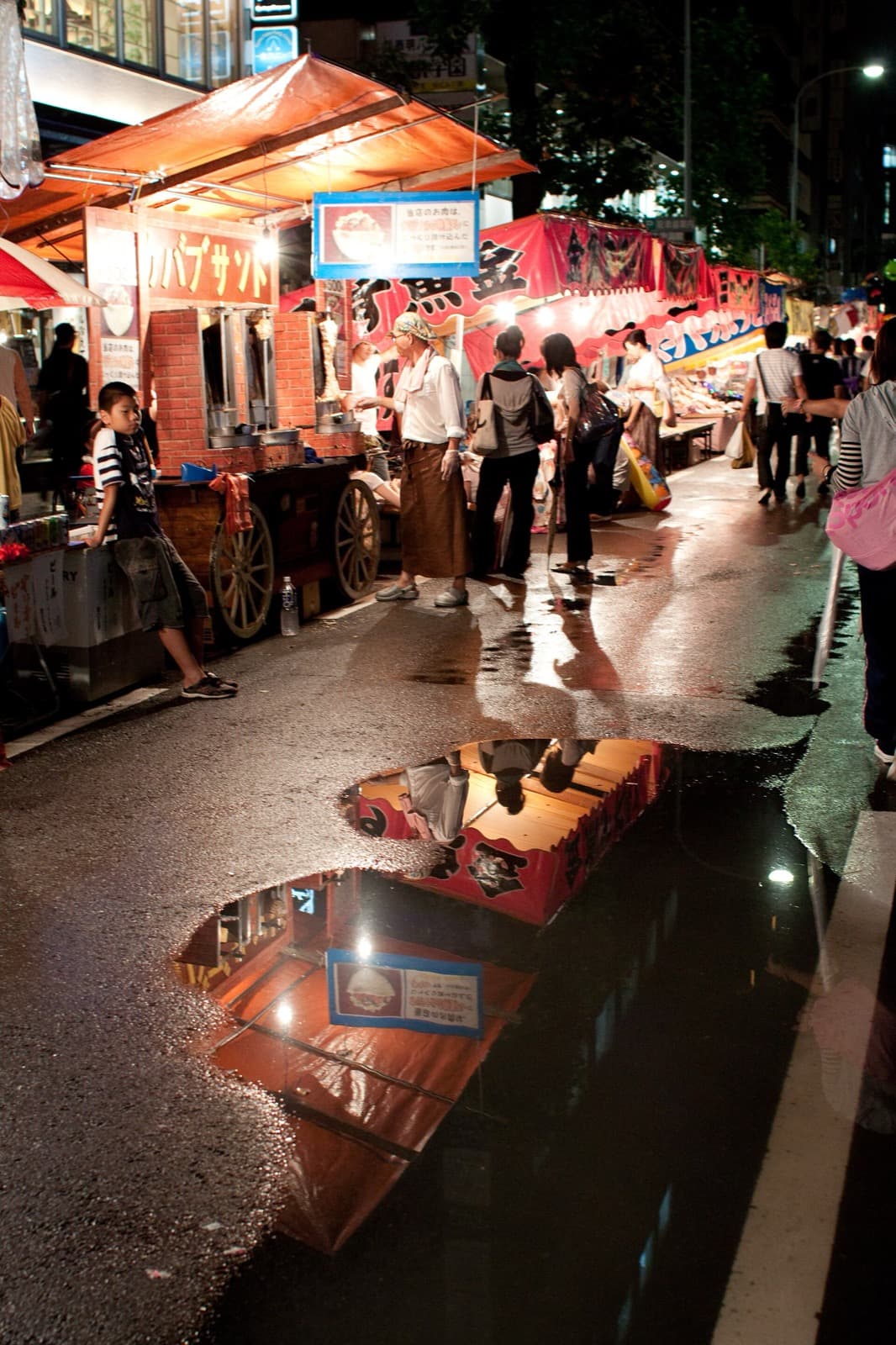
Traditional Japanese festival with lanterns and crowds in yukatas

Understanding Japanese Festivals

Types of Matsuri

Shrine festivals (jinja matsuri) — Shinto religious celebrations honoring local deities. Feature portable shrines (mikoshi) carried through streets, priests in traditional dress, sake offerings.

Seasonal festivals — Cherry blossoms (spring), fireworks (summer), autumn leaves (fall), snow festivals (winter). Tied to nature's cycles.

Historical festivals — Reenactments of historical events with period costumes and processions.

Modern festivals — Music festivals, anime conventions, food fairs — Tokyo's version of Western festivals.

Common Festival Elements

  • Yatai (屋台) — Street food stalls: yakisoba, takoyaki, yakitori, candy
  • Yukata (浴衣) — Summer kimono, worn to summer festivals
  • Mikoshi (神輿) — Portable shrine carried by dozens of people
  • Taiko (太鼓) — Traditional drums
  • Bon odori (盆踊り) — Circle dancing at summer festivals
  • Fireworks (hanabi 花火) — Centerpiece of summer festivals

Most festivals are free. Budget ¥2,000-¥4,000 for food, drinks, and transport.

Spring Festivals (March-May 2026)

Cherry Blossom Season — Late March to Early April

Cherry blossom viewing (hanami) is Japan's biggest seasonal celebration. Thousands of local festivals coincide with bloom.

Peak bloom forecast 2026

  • Kyushu/Hiroshima — March 20-28
  • Tokyo/Kyoto — March 25-April 5
  • Northern Honshu — Mid-April
  • Hokkaido — Early May

Tokyo Cherry Blossom Festivals

Ueno Park Cherry Blossom Festival

  • When — Late March-early April (follows bloom)
  • Where — Ueno Park, Tokyo
  • What — 1,000+ cherry trees, lanterns at night, food stalls, drinking parties
  • Crowd level — Extreme (half of Tokyo comes here)
  • Cost — Free entry

Nakameguro Cherry Blossom Festival

  • When — Late March-early April
  • Where — Meguro River, Nakameguro
  • What — 4km canal lined with cherry trees, evening illuminations, cafes and bars
  • Vibe — Romantic, young couples, less chaotic than Ueno
  • Cost — Free (but crowded cafes/bars)

Kyoto Cherry Blossom Spots

Maruyama Park (円山公園)

  • When — Late March-early April
  • What — Weeping cherry tree (shidarezakura), food stalls, traditional atmosphere
  • Best time — Evening when main tree is illuminated

Philosopher's Path (哲学の道)

  • When — Early April
  • What — 2km walking path along canal, 500+ cherry trees
  • Vibe — Peaceful, contemplative (hence the name)

See complete guide: Cherry Blossom Japan 2026

Takayama Spring Festival (高山祭)

  • Dates — April 14-15, 2026
  • Where — Takayama, Gifu Prefecture
  • What — One of Japan's three most beautiful festivals. Elaborate floats (yatai), puppet performances, night procession with lanterns
  • Why go — Traditional Japan, mountain town, craft sake
  • Book ahead — 2-3 months (limited hotels)

Kanamara Matsuri (かなまら祭り) — "Festival of the Steel Phallus"

  • Date — First Sunday of April (April 5, 2026)
  • Where — Kawasaki, near Tokyo
  • What — Penis-themed festival celebrating fertility and sexual health. Pink decorations, penis-shaped everything, fundraiser for HIV research
  • Vibe — Playful, irreverent, surprisingly family-friendly
  • Why it's famous — Viral photos of giant pink phallus shrine

Controversial but culturally significant. Draws international tourists and LGBTQ+ community.

Golden Week (ゴールデンウィーク)

  • Dates — April 29 - May 6, 2026
  • What — Week of national holidays, Japan's biggest domestic travel period
  • Impact — Tokyo empties out, tourist sites crowded, hotels expensive, trains packed
  • Festival atmosphere — Many cities hold special events during Golden Week

Pro tip — If visiting Tokyo during Golden Week, enjoy empty city. If visiting Kyoto/popular destinations, book 3+ months ahead.

Summer Festivals (June-August 2026)

Summer is Japan's festival peak. Every weekend has fireworks, bon odori dancing, street food.

Major Fireworks Festivals (Hanabi Taikai)

Sumida River Fireworks (隅田川花火大会) — Tokyo

  • Date — Last Saturday of July (July 25, 2026)
  • Location — Sumida River, Asakusa area
  • Scale — 20,000+ fireworks, 1 million attendees
  • What — Tokyo's oldest and largest fireworks festival (since 1733)
  • Best viewing — Asakusa riverbanks (arrive 3-4 hours early for good spots)
  • Wear — Yukata (summer kimono) — half the crowd wears them

Sumida River is chaos — hot, crowded, but spectacular. Book hotel nearby or prepare for train delays after.

Tokyo Bay Fireworks (東京湾大華火祭)

  • Date — Early August (August 8, 2026)
  • Location — Tokyo Bay, Odaiba
  • Scale — 12,000+ fireworks
  • Best viewing — Odaiba beach, Harumi Pier
  • Less crowded than Sumida River but still popular

Lake Biwa Fireworks (びわ湖大花火大会) — Near Kyoto

  • Date — Early August (August 7, 2026)
  • Location — Lake Biwa, Shiga Prefecture (30 min from Kyoto)
  • Scale — 10,000+ fireworks
  • What — Fireworks reflected on Japan's largest lake
  • Best viewing — Lakefront, or from hotel balconies

Miyajima Water Fireworks (宮島水中花火大会)

  • Date — Mid-August (August 15, 2026)
  • Location — Miyajima Island, Hiroshima
  • Scale — 5,000+ fireworks
  • Unique — Fireworks launched from water, with famous torii gate silhouette
  • Why go — Most photogenic fireworks in Japan

Gion Matsuri (祇園祭) — Kyoto

  • Dates — All of July, peak July 14-17, 2026
  • Location — Gion district, Kyoto
  • What — Japan's most famous festival. Yamaboko floats (2-story wheeled structures), traditional costumes, street parties
  • Scale — 1,000+ years old, million+ visitors
  • July 17 — Grand procession of 33 floats through city center
  • Evening July 14-16 — Yoiyama (eve festivals) — streets close, food stalls, festival atmosphere

Why it matters — Peak traditional Japanese culture. If you can only see one festival, make it Gion Matsuri.

Book accommodation — 3-6 months ahead. Kyoto hotels sell out.

Tenjin Matsuri (天神祭) — Osaka

  • Dates — July 24-25, 2026
  • Location — Osaka, Tenmangū Shrine
  • What — One of Japan's three great festivals. River procession of 100 boats, fireworks, thousands in traditional dress
  • July 25 — Main day with boat procession and fireworks
  • Why go — See Osaka's festival energy (louder, more intense than Tokyo)

Nebuta Matsuri (ねぶた祭) — Aomori

  • Dates — August 2-7, 2026
  • Location — Aomori City, northern Honshu
  • What — Giant illuminated floats (nebuta) depicting warriors and mythical figures, taiko drums, "haneto" dancers
  • Why go — Most visually spectacular festival in Japan
  • Warning — Far from Tokyo (3+ hours by shinkansen), book hotels far ahead

Awa Odori (阿波おどり) — Tokushima

  • Dates — August 12-15, 2026
  • Location — Tokushima, Shikoku Island
  • What — Massive dance festival, thousands dancing through streets to traditional music
  • Participation — Anyone can join dancing (easy steps)
  • Vibe — Pure joy, infectious energy

Bon Odori (盆踊り) — Nationwide

  • When — Mid-August (around August 13-15, Obon holiday)
  • Where — Every neighborhood in Japan
  • What — Community circle dancing around towers (yagura), honoring ancestors
  • Cost — Free
  • Participation — Welcome to join dancing

Every Tokyo neighborhood has bon odori. Check local community centers for schedules.

Autumn Festivals (September-November 2026)

Autumn is Japan's second peak travel season. Festivals celebrate harvest and fall colors.

Jidai Matsuri (時代祭) — Kyoto

  • Date — October 22, 2026
  • Location — Kyoto Imperial Palace → Heian Shrine
  • What — Historical procession with 2,000 people in period costumes from 8th-19th centuries
  • Duration — 3-hour procession
  • Why go — Living history lesson, incredible costumes

Takayama Autumn Festival (高山祭)

  • Dates — October 9-10, 2026
  • Location — Takayama, Gifu
  • What — Same town as spring festival, different floats and decorations
  • Autumn bonus — Mountain fall colors peak during festival

Autumn Leaves Season (Momiji) — November 2026

Not festivals per se, but Japan celebrates autumn leaves (koyo) at temples and gardens:

Peak forecast 2026

  • Hokkaido — Early October
  • Tokyo/Kyoto — Mid-late November
  • Kyushu — Early December

Best locations

  • Kyoto — Tofukuji Temple, Eikando, Kiyomizudera (evening illuminations)
  • Tokyo — Rikugien Garden (illuminated), Koishikawa Korakuen
  • Nikko — Entire region turns red/gold (2 hours from Tokyo)

See complete guide: Autumn in Japan 2026

Shichi-Go-San (七五三)

  • Date — November 15, 2026 (celebrated the weekend closest)
  • Where — Shrines nationwide (Meiji Shrine in Tokyo is popular)
  • What — Celebration for children ages 3, 5, and 7 in traditional dress
  • Why watch — Adorable kids in kimono/hakama visiting shrines

Winter Festivals (December-February 2027)

Christmas Illuminations — December 2026

Japan doesn't celebrate Christmas religiously but loves illuminations.

Tokyo illuminations (late November-December)

  • Roppongi Hills — Massive LED displays
  • Marunouchi — Tree-lined streets with millions of lights
  • Shibuya Blue Cave — Blue LED tunnel in Yoyogi Park

Kobe Luminarie (December 2026)

  • What — Memorial illumination for 1995 earthquake victims
  • Scale — 200,000+ LED lights
  • Duration — Mid-December (2 weeks)

New Year (Shogatsu 正月)

  • Dates — December 31, 2026 - January 3, 2027
  • What — Japan's most important holiday
  • December 31 — Temple bell ringing (108 bells at midnight)
  • January 1-3 — First shrine visit (hatsumode), special foods, family time

Hatsumode (初詣) — First shrine visit

  • Meiji Shrine, Tokyo — 3 million+ visitors Jan 1-3
  • Sensoji Temple, Asakusa — 2.5 million+ visitors
  • Expect — Massive crowds, long lines, festive atmosphere

New Year's food — Osechi (traditional New Year's boxes), mochi, toshikoshi soba

Sapporo Snow Festival (さっぽろ雪まつり)

  • Dates — Early February 2027 (Feb 4-11, 2027)
  • Location — Sapporo, Hokkaido
  • What — Massive snow and ice sculptures, some 15+ meters tall
  • Scale — 2 million+ visitors, hundreds of sculptures
  • Why go — Unique winter festival, winter food, ski season

Festival Survival Guide

What to Wear

Summer festivals — Yukata (summer kimono) — many Japanese attendees wear them. Rentals available ¥3,000-¥8,000 per day. Also acceptable: casual clothes, comfortable shoes.

Winter festivals — Layers, warm coat, gloves. Outdoor illuminations are freezing.

All festivals — Comfortable walking shoes (you'll stand/walk for hours).

Festival Food (Yatai)

Typical prices:

FoodPrice
Yakisoba (fried noodles)¥500-¥700
Takoyaki (octopus balls)¥500-¥800
Yakitori (grilled chicken)¥300-¥500 per stick
Kakigori (shaved ice)¥400-¥600
Beer¥500-¥700
Candy apple (ringo-ame)¥500

Budget ¥2,000-¥4,000 for festival food if eating multiple items.

Crowd Management

Major festivals (Gion Matsuri, Sumida River Fireworks, New Year's):

  • Arrive 3-4 hours early for good viewing spots
  • Expect trains to be packed after festival ends
  • Consider hotel within walking distance
  • Bring water, snacks, portable seat

Smaller festivals — More relaxed, arrive 30-60 min early.

Festival Etiquette

Do

  • Respect portable shrine carriers (mikoshi) — give them space
  • Participate in bon odori if invited
  • Try yatai food (that's the point)
  • Dispose of trash properly (carry it with you)

Don't

  • Push through crowds (patience is key)
  • Touch shrine objects without permission
  • Block procession routes
  • Smoke while walking (smoking areas only)

Booking Accommodation for Festivals

3-6 months ahead

  • Gion Matsuri (Kyoto, July)
  • Cherry blossom season (April)
  • Autumn leaves (November)
  • Golden Week (late April-early May)

1-2 months ahead

  • Major fireworks festivals
  • Regional festivals (Nebuta, Awa Odori)

Day-of booking okay

  • Small neighborhood festivals
  • Bon odori

Pro tip — Book flexible cancellation hotels, then finalize based on weather and bloom forecasts.

FAQ

What is a matsuri in Japan? Matsuri (祭) means festival — religious, seasonal, or cultural celebrations. Japan has 100,000+ annual matsuri ranging from small neighborhood shrine festivals to million-person events. Common elements: food stalls, traditional music, portable shrines, yukata.

What are the biggest festivals in Japan? Gion Matsuri (Kyoto, July), Sumida River Fireworks (Tokyo, July), Nebuta Matsuri (Aomori, August), Tenjin Matsuri (Osaka, July), Sapporo Snow Festival (February), Cherry blossom season (nationwide, March-April).

When is fireworks season in Japan? July-August — hundreds of fireworks festivals (hanabi taikai) across Japan. Largest: Sumida River (Tokyo, late July), Tokyo Bay (early August), Lake Biwa (near Kyoto, early August).

What should I wear to a Japanese festival? Summer festivals — Yukata (casual summer kimono) or comfortable casual clothes. Winter festivals — Warm layers. All festivals — Comfortable walking shoes (you'll stand/walk for hours). Many Japanese wear yukata to summer festivals — rentals available ¥3,000-¥8,000.

Are Japanese festivals free to attend? Yes, most matsuri are free. You pay for: food stalls (¥300-¥800 per item), drinks, transportation, and possibly yukata rental. Some reserved seating areas at fireworks cost extra.

How crowded are Japanese festivals? Major festivals (Gion Matsuri, Sumida Fireworks, New Year's shrines) have 500,000-3 million attendees — extremely crowded. Regional festivals (Nebuta, Awa Odori) are busy but manageable. Neighborhood festivals are relaxed.

When are cherry blossoms in Japan 2026? Late March-early April for Tokyo/Kyoto/Osaka. Southern Japan (Kyushu) blooms March 20-28. Northern Japan (Hokkaido) blooms early May. Exact dates vary yearly — check forecasts in February.

What is hanami? Hanami (花見) means "flower viewing" — the tradition of picnicking under cherry blossoms. Groups reserve spots with tarps, bring food/drinks, and celebrate sakura. Peak party season late March-early April.

Do I need tickets for fireworks festivals? No — most viewing areas are free. Some locations offer paid reserved seating (¥3,000-¥5,000) with better views. Free areas require arriving 3-4 hours early for good spots.

What is Obon? Obon (お盆) is mid-August holiday (August 13-15) honoring ancestors. Festivals include bon odori (community dancing) and fireworks. Many Japanese return to hometowns — Tokyo empties, rural areas crowded.

Need Help with This?

Have questions about Japanese Festivals Calendar 2026: Matsuri, Hanabi, and Seasonal Celebrations? We're here to help. Send us a message and we'll get back to you within 24-48 hours.

Alex Rivera

Alex Rivera

Travel & Living Editor

6 years in Japan

Expat guide. Helps people actually move to and navigate Japan.

Moved from London to Tokyo in 2018. Went through the full gaijin experience—visa, housing, banking, the works. Now writes the guide he wished he had.

Tokyo

Expertise

Moving to Tokyo, expat life, travel, Kyoto vs Tokyo, onsen

The Standard Newsletter

Tokyo in your inbox. Weekly.

No algorithms curating your culture. No sponsored content disguised as journalism. Just the real Tokyo — the izakayas at 2am, the Harajuku kids who never made it to the algorithm, the ramen shop with no sign.

8K+

Subscribers

Weekly

Editions

Free

Always

Join the underground.

One email a week. Unsubscribe anytime.

No spam. No sharing your data. Tokyo only.

Related Stories
More →