
Japan Morning Service: The Kissaten Breakfast That Comes With Your Coffee
Morning service (モーニング) is Japan’s kissaten breakfast deal — thick toast, boiled egg, coffee, often until 11am. Nagoya made it famous; Tokyo and chains like Komeda still serve it.

Japan hides one of its best breakfasts inside a coffee order. モーニング (mōningu) — morning service — is the kissaten habit where you ask for coffee before about 11am and a plate of actual food arrives like it was always part of the deal.
Not a sad biscuit. Thick toast. A boiled egg you peel while the coffee cools. Sometimes salad, jam, or sweet red-bean ogura toast if you have wandered into Nagoya’s gravitational field.
This is the daytime twin of cream soda culture: same wood-paneled religion, different sacrament.
What shows up on the plate
| Almost always | Often | Nagoya energy |
|---|---|---|
| Thick shokupan toast (buttered) | Small salad | Ogura (red bean) toast |
| Hard-boiled egg + salt | Jam choice | Extra sides fighting for pride |
| Hot coffee / “blend” | Soft roll option | Occasional wild cards (shrimp toast at famous shops) |
Komeda’s “half slice” is still the size of a children’s book. You will survive.
Hours: roughly opening until 11:00. After that, the magic ends and you pay à la carte like a civilian.
How to order
Look for a window sign: モーニング. Say 「モーニングお願いします」 or point at the morning column while ordering your drink.
Default drink is house blend. “American” (weaker) and iced options appear. Food choice is usually toast style — butter / jam / ogura — not a full Western omelette negotiation.
Payment culture varies: some kissaten you pay at the register when leaving; chains are more scripted. Follow the ticket or the master.
Nagoya vs everywhere else
Nagoya / Tokai: the stereotype is real — drink → breakfast appears, often no upcharge. Locals will argue about which shop’s morning is correct the way other cities argue bagel ranking.
Tokyo: exists, but more often a cheap set price or chain rules rather than pure free. Independent kissaten near office districts still quietly feed salarymen for the cost of coffee.
Komeda Coffee: Nagoya-born chain now everywhere — the accessible version. Order any drink in morning hours, toast + egg typically included. Not “hidden Japan.” Still excellent when you landed at 6am and need structure.
For sit-down cafe lists beyond breakfast, see hidden Tokyo cafes. For hotel breakfast reality checks, business hotel quirks.
Why it beats another convenience-store sandwich
Because the toast is an event — shokupan browned outside, soft inside, butter in the holes — and because nobody rushes you out for the next laptop warrior. Kissaten mornings assume you might read a newspaper that is somehow still alive.
Cost: often ¥400–700 effective breakfast when the food rides free with coffee; set versions climb a bit but still undercut hotel buffets that taste like obligation.
Pairing rules
- Jet-lag day 1: morning service, then a walk, then refuse to plan museums before noon
- After sento the night before: rehydration + egg
- Do not expect oat-milk cortados and almond croissants — wrong decade, wrong temple
If the master has been polishing the same counter since 1978, tip with punctuality and a clean table, not with American tipping habits.
FAQ
Do I tip?
No.
Vegetarian?
Toast + egg is the core; ask about salad dressing. Ogura toast is vegetarian-friendly sweet.
Kids?
Yes. Egg-peeling is entertainment.
Same as “morning set” at a hotel?
No. Hotel morning is a buffet product. Kissaten morning is coffee culture with breakfast attached.
Food Desk
The Standard Japan
Where and how to eat in Japan, from konbini and kissaten to izakaya, ramen and department-store food halls.
Facts are taken from primary sources (operators, venues, official tourism and government pages) and dates and prices are checked on the day of writing. Pages are revised when those sources change.
Expertise
Restaurants, izakaya, ramen, food halls, ordering and etiquette
Have a question or a correction?
Ask us anything about Japan Morning Service: The Kissaten Breakfast That Comes With Your Coffee, or tell us what we got wrong. We reply within 24 to 48 hours.
The Standard Newsletter
Tokyo in your inbox. Weekly.
No algorithms curating your culture. No sponsored content disguised as journalism. Just the real Tokyo — the izakayas at 2am, the Harajuku kids who never made it to the algorithm, the ramen shop with no sign.
280+
Guides
Weekly
Editions
Free
Always
Join the underground.
One email a week. Unsubscribe anytime.
No spam. No sharing your data. Tokyo only.
Related Stories
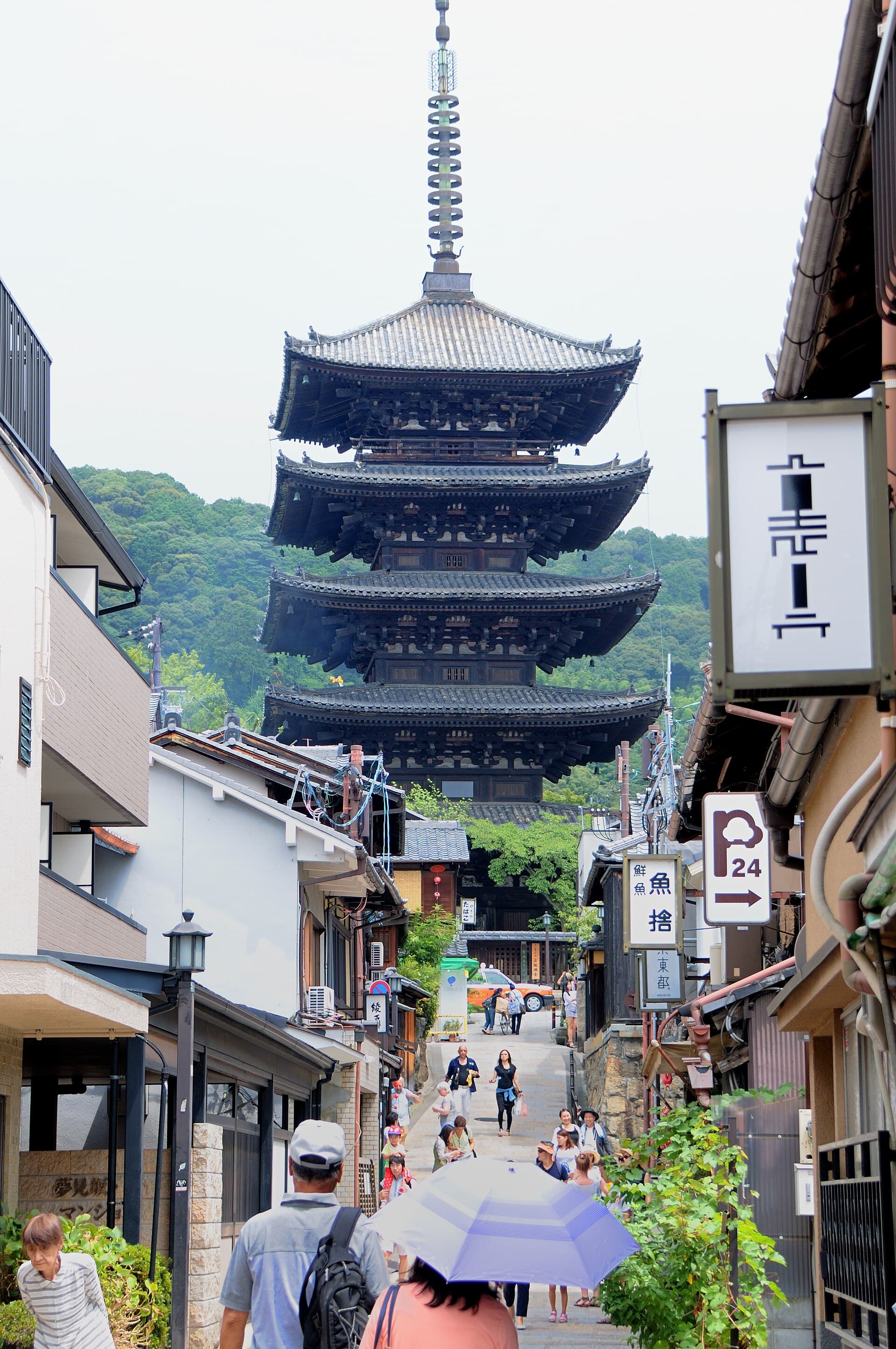
Best Food in Kyoto: Where to Eat Beyond the Temple Circuit
Best food in Kyoto for tourists — Nishiki Market strategy, kaiseki vs casual, tofu and matcha, where to book, and how to eat well without wasting temple mornings.
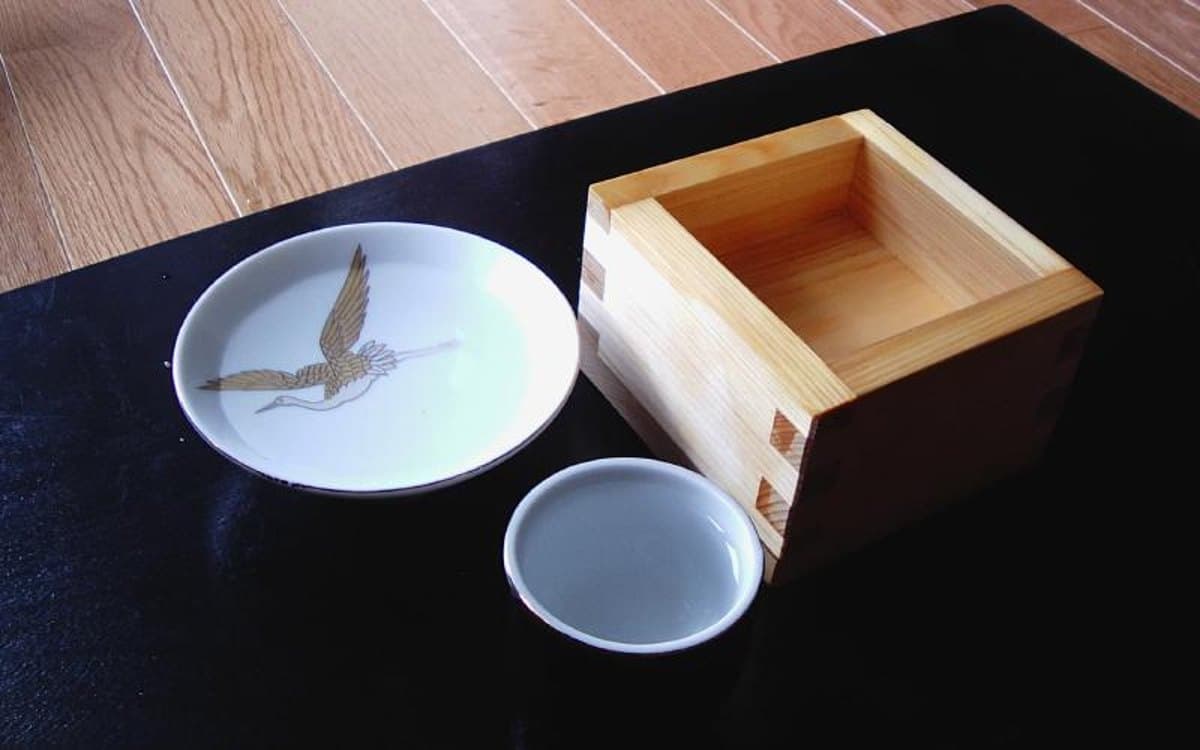
Fushimi Sake District Guide: Kyoto's Sake Brewery Neighborhood
Fushimi is Kyoto's sake brewery district — white-walled breweries, a canal boat ride, and tastings a short train ride from Fushimi Inari. Here's how to spend an afternoon there.
Sake Tasting in Tokyo: Best Experiences for First-Timers
Sake tasting in Tokyo for tourists — what junmai and ginjo mean, where to book a class, how much to spend, and how to order afterward without guessing.