
Japanese Business Hotel Quirks: Why There’s a Pajama, a Slipper Hierarchy, and a Lobby Toothbrush Bar
Japanese business hotels hand you pajamas, lobby amenity bars, unit baths, and 10am checkouts. Here’s what is normal, what is not, and what not to wear to breakfast.

The first night in a Japanese business hotel feels like someone audited Western hotel wastefulness and kept the useful parts.
You get sleepwear. You get slippers. You get a kettle and green tea bags that taste like an office break room in the best way. The room is 14 square meters and somehow still has a desk that means business. Then you can’t find a toothbrush until you go back downstairs and discover a wall of free toiletries that looks like a tiny pharmacy.
This is not luxury. It is domestic business travel infrastructure that tourists lucked into. Chains like Toyoko Inn, APA, Super Hotel, and Dormy Inn built it for salarymen on weekday routes — tourists just happen to love the value. For neighborhood picks, start from where to stay in Tokyo.
The pajama thing
Yes, there is sleepwear in the drawer or on the hanger. Two common forms:
- Yukata — wrap robe, left over right, sash. Classic at APA and many older properties. Fine for sleeping; less fine if you thrash around at night.
- Two-piece pajamas — top + pants. Spreading because guests complained the yukata stage-exits at 3am.
Rules that trip people up:
| Chain vibe | Wear pajamas to lobby / breakfast? |
|---|---|
| Toyoko Inn / APA / many city business hotels | No — room only |
| Dormy Inn / some hotels with in-house onsen | Often yes — designed as “in-building wear” |
| Ryokan | Yukata is half the point — dinner and bath, usually |
If the door card says 客室内のみ (in-room only), believe it. If half the breakfast buffet is in grey hotel loungewear, you found a Dormy-type culture. Steal neither. They will charge you.
The lobby amenity bar
Plastic reduction + cost control = amenities moved to the lobby.
Typical free grab box:
- Toothbrush (paste often pre-loaded — the weirdest genius detail)
- Razor, comb, cotton swabs
- Hair ties, sometimes basic skincare sachets
- Extra tea bags, occasionally a different pillow type on request
Habit: check the amenity bar before you ride the elevator up. Going back down in socks because you assumed a toothbrush lived next to the sink is a rite of passage. Some APA locations still put kits in-room — don’t treat any one chain as gospel.
Slippers have politics
- Room slippers — for the carpet / flooring
- Toilet slippers — if provided, swap at the bathroom door, then swap back (leaving toilet slippers in the bedroom is the classic tell you are new here)
You will see people pad to the ice machine in room slippers. Street shoes off at the genkan strip if the room has one. Capsule and hostel rules can be stricter — see capsule hotels.
Unit baths and washlets
The bathroom is often a molded unit bath: toilet + sink + deep tub in a plastic pod. It feels like a spaceship lavatory. Water pressure is usually excellent. The tub is short but deep — soak, don’t stretch out like a Western jacuzzi.
Washlet controls look like a fighter-jet panel. Hover, don’t mash random buttons while seated unless you enjoy surprises. There is almost always a plain flush lever if the electronics scare you.
Checkout is not a suggestion
10:00 checkout is still common. Late checkout exists but is not a human right. If you need luggage held, ask — most will store bags after checkout while you roam. Or ship ahead with takkyubin.
Semi-double is a trap name
A semi-double bed is narrower than a Western double. Fine for one; intimate for two. Couples who value sleep should book twin or a real double. Room photos lie about walking space — bring one soft suitcase, not three hard shells.
What you can skip packing
- Toothbrush / basic toiletries (confirm amenity bar)
- Pajamas
- Slippers
- Green tea / kettle gear
- Hair dryer (almost always there)
Still pack: any prescription meds, your preferred sunscreen, and a light layer — hotel AC has two settings, arctic and off.
The quiet contract
Business hotels run on low noise and high turnover. Hallway voice = enemy. Door slams echo. That is why the place can charge ¥8,000–15,000 in a central ward and still feel calmer than a party hostel.
You are not staying in a boutique story. You are borrowing a salaryman’s efficient night. Lean into it — then go spend the money you saved on tachinomi beer or an actual dinner.
FAQ
Are business hotels clean?
The floor is high. Compact ≠ dirty. Expect immaculate sheets and a bathroom that was scrubbed at 10:05 after the last guest left.
Is breakfast worth it?
Chain breakfasts are fuel: rice, miso, egg, maybe curry. Not a destination. Useful if you need to leave by 8am.
Can I do laundry?
Many have coin laundry. Pack three days of clothes for a two-week trip if you are willing to wash.
Do they speak English?
Front desk English varies. Booking apps + pointing + room numbers get you far. Have your confirmation screen ready.
Travel Desk
The Standard Japan
Trip planning: seasons and crowds, getting around, airports, where to stay, and the practical steps before and after you land.
Facts are taken from primary sources (operators, venues, official tourism and government pages) and dates and prices are checked on the day of writing. Pages are revised when those sources change.
Expertise
Seasonal crowds, transport and airports, itineraries, lodging, pre-trip logistics
Have a question or a correction?
Ask us anything about Japanese Business Hotel Quirks: Why There’s a Pajama, a Slipper Hierarchy, and a Lobby Toothbrush Bar, or tell us what we got wrong. We reply within 24 to 48 hours.
The Standard Newsletter
Tokyo in your inbox. Weekly.
No algorithms curating your culture. No sponsored content disguised as journalism. Just the real Tokyo — the izakayas at 2am, the Harajuku kids who never made it to the algorithm, the ramen shop with no sign.
280+
Guides
Weekly
Editions
Free
Always
Join the underground.
One email a week. Unsubscribe anytime.
No spam. No sharing your data. Tokyo only.
Related Stories
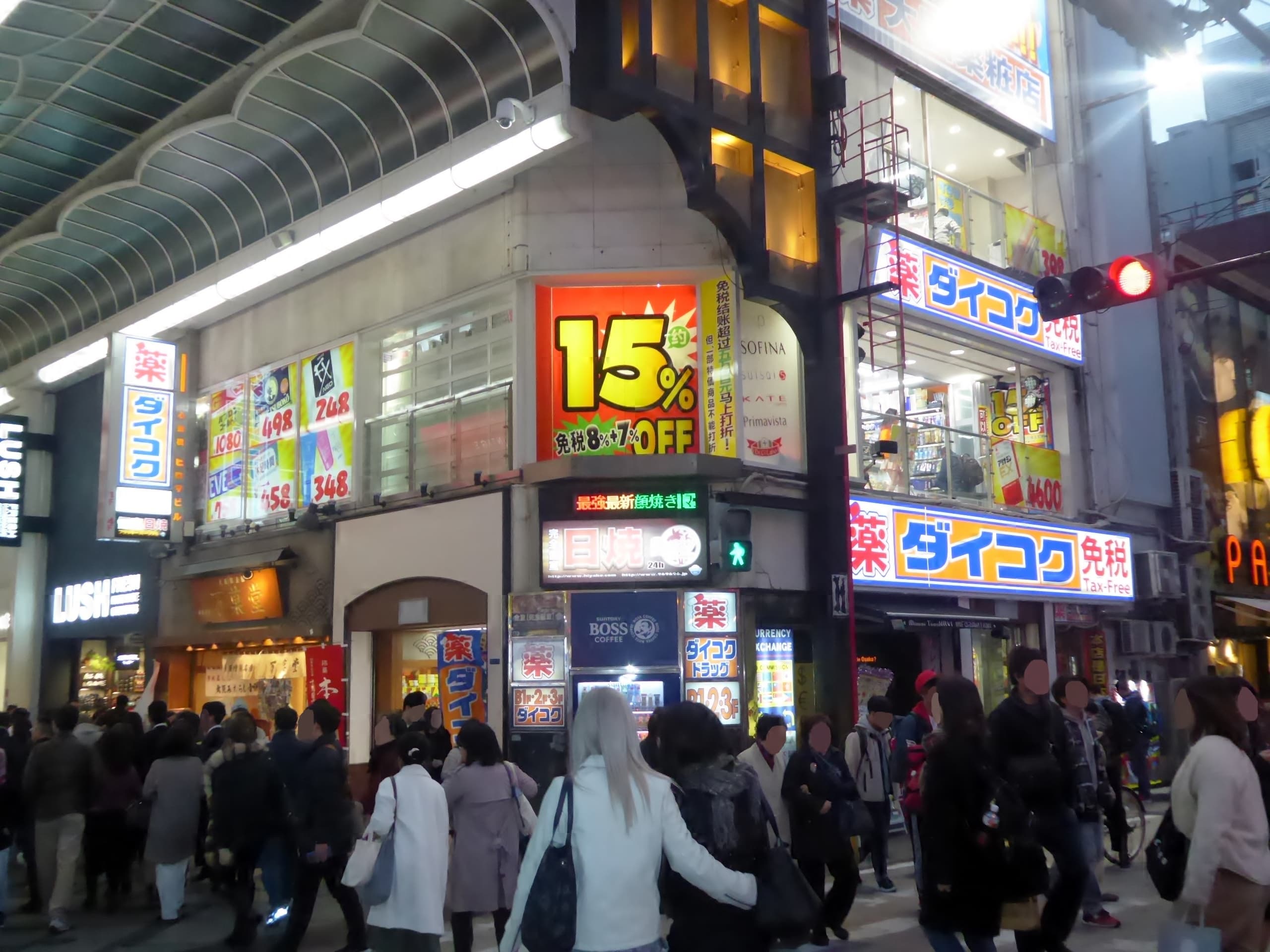
Japan Drugstore Guide: What to Buy at Matsumoto Kiyoshi and Daikoku Drug
Japan's drugstores sell better eye drops, pain patches, and skincare than most pharmacies back home. Here's what to buy, which chain, and how tax-free works.
First-Time Japan Checklist: What to Do Before You Fly (2026)
First-time Japan checklist for foreigners: visas, Visit Japan Web, eSIM, Suica, cash, hotels by city, what to book ahead, and a day-one plan that won’t ruin the trip.
Haneda to Tokyo: Monorail, Keikyu, and When to Take a Car
How to get from Haneda Airport to Tokyo: Tokyo Monorail, Keikyu Airport Line, buses, and private transfers — times, connections, and first-timer tips.