
Best Tokyo Neighborhoods Compared: Where to Stay and Visit (2026)
Best Tokyo neighborhoods compared: Shinjuku vs Shibuya vs Shimokitazawa vs Nakameguro. Where to stay, what to do, and which neighborhood fits you.

Best Tokyo neighborhoods compared: Shinjuku for transit and first-timers. Shibuya for nightlife and youth culture. Shimokitazawa for vintage and creative vibes. Nakameguro for cafes and aesthetics. Here's the full comparison so you can choose where to stay and what to visit.
Tokyo Neighborhoods Comparison Table
| Neighborhood | Best For | Vibe | Transit | Nightlife | Budget | Crowds |
|---|---|---|---|---|---|---|
| Shinjuku | First-timers, transit hub | Overwhelming, corporate + red-light | Excellent (JR, Metro) | Excellent (Golden Gai, Kabukicho) | Mid to high | Very busy |
| Shibuya | Nightlife, youth culture | Energetic, changing | Excellent (JR, Metro) | Excellent (clubs, bars) | Mid | Very busy |
| Shimokitazawa | Vintage, creative types | Cool, village-like | Good (Odakyu, Keio Inokashira) | Good (dive bars, live houses) | Mid | Moderate |
| Nakameguro | Cafes, aesthetics | Refined, canal-side | Good (Hibiya, Tokyu) | Moderate (bars, not clubs) | Mid to high | Moderate |
| Harajuku | Street fashion, shopping | Youth, trendy | Good (JR Yamanote) | Moderate | Mid | Very busy |
| Daikanyama | Design, bookstores | Grown-up, European | Good (Tokyu) | Quiet | High | Low |
| Koenji | Vintage, underground | Gritty, punk | Good (JR Chuo; rapid trains skip it on weekends) | Good (live houses) | Budget | Low |
| Asakusa | Temples, traditional | Old Tokyo | Good (Ginza line) | Quiet | Budget to mid | Tourist-heavy |
Shinjuku: The Transit Hub
Best for: First-time visitors, anyone who wants to be in the center of everything.
Shinjuku Station is the busiest in the world. The east side is corporate towers and department stores. The west has the Tokyo Metropolitan Government Building and Park Hyatt. Kabukicho is the red-light district that's also a tourist zone. Golden Gai is the atmospheric alley of tiny bars.
Stay here if: You want maximum transit access and don't mind crowds. Good for 1–3 nights before moving to a quieter base.
Skip if: You want character over convenience. Shinjuku can feel generic.
Shibuya: The Nightlife Hub
Best for: Nightlife, youth culture, the scramble crossing.
Shibuya is in permanent flux. The crossing is iconic. The surrounding streets mix fast fashion, vintage, and record stores. Shibuya Sky offers the best city view. Dogenzaka and Udagawacho have the best bars and clubs.
Stay here if: You're here for nightlife and want to walk home from bars. Transit is excellent.
Skip if: You want quiet. Shibuya is loud and busy until late.
Shimokitazawa: The Cool One
Best for: Vintage shopping, thrift, dive bars, live music.
Shimokitazawa has changed since the Odakyu tracks were moved underground, with new low-rise spaces such as Bonus Track and Reload along the old line, but it is still Tokyo's thrift-shop capital: narrow streets, small theaters, secondhand records. The crowds are younger, more creative, less touristy.
Stay here if: You want character and don't need to be in the busiest hubs. Slightly less convenient transit but more interesting.
Skip if: You need to be in Shinjuku or Shibuya every night. It is a few stops out on the Odakyu and Keio Inokashira lines, so late nights mean watching the last train.
Nakameguro: The Aesthetic One
Best for: Cafes, cherry blossoms, canal-side walks, slower pace.
Nakameguro runs along the Meguro River. Cherry blossoms in spring. Cafes and boutiques year-round. It's the neighborhood that Instagram built — but the hype is justified. The canal walk is beautiful. The coffee is good.
Stay here if: You want a refined, slower Tokyo. Good for couples and design-conscious travelers.
Skip if: You want nightlife. Nakameguro is quieter after dark.
Harajuku: The Fashion Hub
Best for: Street fashion, vintage, Takeshita Street (once), Meiji Shrine.
Harajuku is where Tokyo's youth fashion lives. Takeshita Street is tourist-heavy but the side streets have real vintage. Meiji Shrine is a short walk. Go early to avoid crowds.
Stay here if: Fashion is your priority. Transit is good (Yamanote line).
Skip if: You hate crowds. Harajuku is packed on weekends.
Daikanyama: The Grown-Up One
Best for: Bookstores (Tsutaya), design, cafes, a European pace.
Daikanyama is where Tokyo's design-conscious thirty-somethings spend weekends. The Tsutaya complex is an architectural landmark. The cafes are excellent. Expensive but worth a visit even if you don't stay.
Stay here if: You have budget and want refinement. Connects to Nakameguro via a pleasant walk.
Skip if: You're on a budget. Daikanyama is expensive.
Koenji: The Underground One
Best for: Vintage (cheaper than Shimokita), live houses, punk, counterculture.
Koenji is Shimokitazawa's grittier cousin. Fewer tourists. More punk. The vintage is cheaper. The bars are darker. Tokyo's counterculture still has space here.
Stay here if: You want budget and character. Good for music and vintage.
Skip if: You want polish. Koenji is rough around the edges. On weekends and holidays the Chuo Line rapid trains don't stop here; take the Chuo-Sobu local. See our Koenji guide.
Asakusa: The Traditional One
Best for: Temples (Senso-ji), traditional streets, old Tokyo feel.
Asakusa is the most traditional neighborhood on this list. Senso-ji temple, Nakamise shopping street, rickshaws. It feels like old Tokyo. Tourist-heavy but genuine.
Stay here if: You want traditional atmosphere and don't mind tourist crowds. Budget options available.
Skip if: You want contemporary Tokyo. Asakusa is a time capsule.
FAQ
Which Tokyo neighborhood is best for first-time visitors? Shinjuku or Shibuya. Both have excellent transit, English signage, and everything you need. Shinjuku is more overwhelming; Shibuya is more youthful.
Where should I stay in Tokyo for nightlife? Shibuya or Shinjuku. Shibuya for clubs and younger crowds. Shinjuku for Golden Gai and izakayas. Both have trains until midnight — plan for taxis after.
Which Tokyo neighborhood is best for vintage shopping? Shimokitazawa for variety and quality. Koenji for cheaper options. Harajuku for street fashion and curated vintage.
Is Shimokitazawa or Nakameguro better? Shimokitazawa for nightlife, vintage, and creative energy. Nakameguro for cafes, aesthetics, and a slower pace. Visit both — they're different.
Which neighborhood is best for couples? Nakameguro or Daikanyama. Both have a refined, romantic vibe. Canal-side walks, good coffee, fewer crowds.
How many neighborhoods can I visit in a day? Two or three if you're efficient. Tokyo neighborhoods reward depth — don't rush. Pick two and explore properly.
Travel Desk
The Standard Japan
Trip planning: seasons and crowds, getting around, airports, where to stay, and the practical steps before and after you land.
Facts are taken from primary sources (operators, venues, official tourism and government pages) and dates and prices are checked on the day of writing. Pages are revised when those sources change.
Expertise
Seasonal crowds, transport and airports, itineraries, lodging, pre-trip logistics
Have a question or a correction?
Ask us anything about Best Tokyo Neighborhoods Compared: Where to Stay and Visit (2026), or tell us what we got wrong. We reply within 24 to 48 hours.

Related Stories
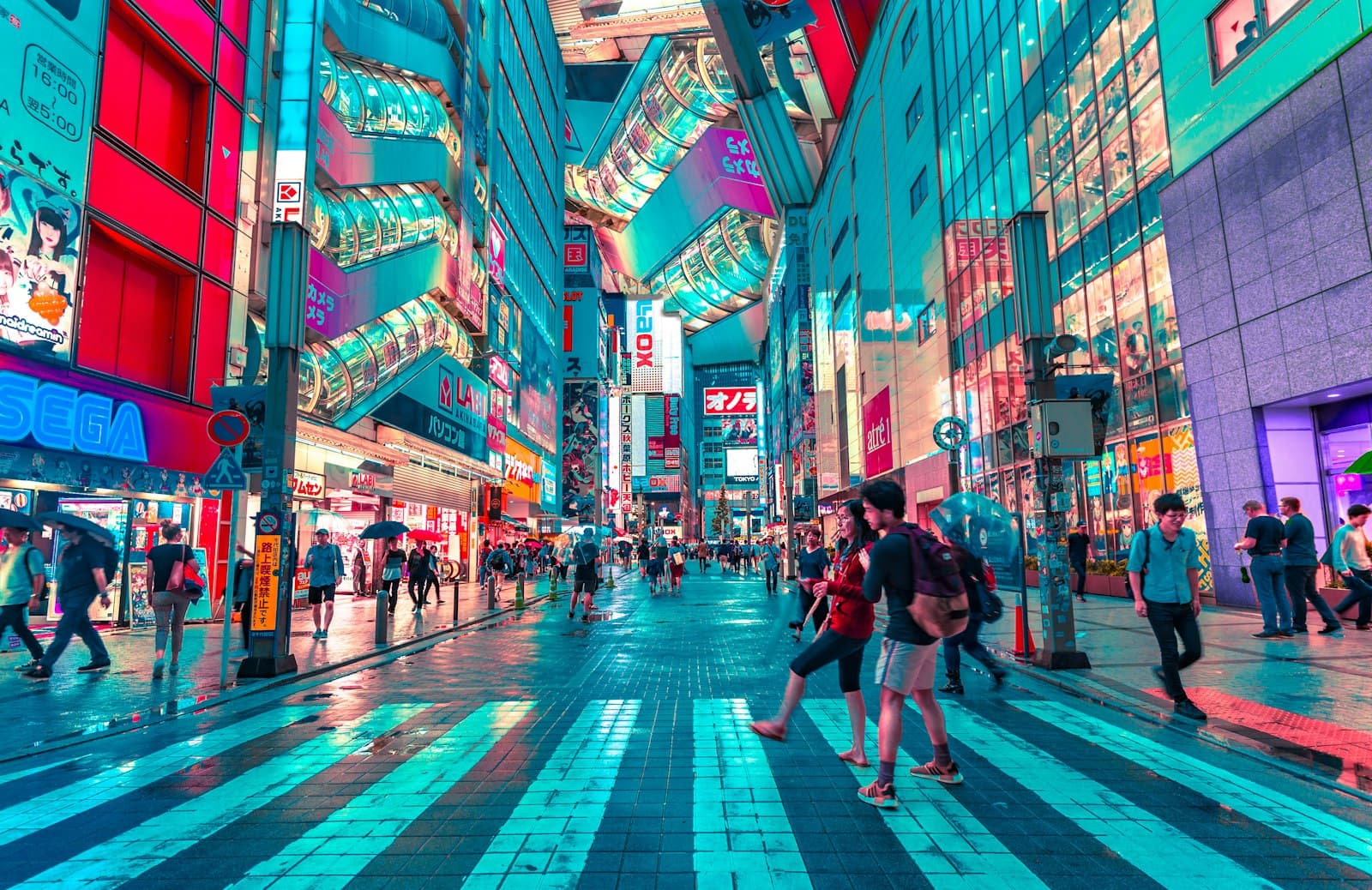
Where to Stay in Tokyo: Best Neighborhoods for First-Timers (2026)
Where to stay in Tokyo: Shibuya or Shinjuku for first-timers, Ginza for luxury, Asakusa for budget and tradition, Ueno for families. Prices by area.
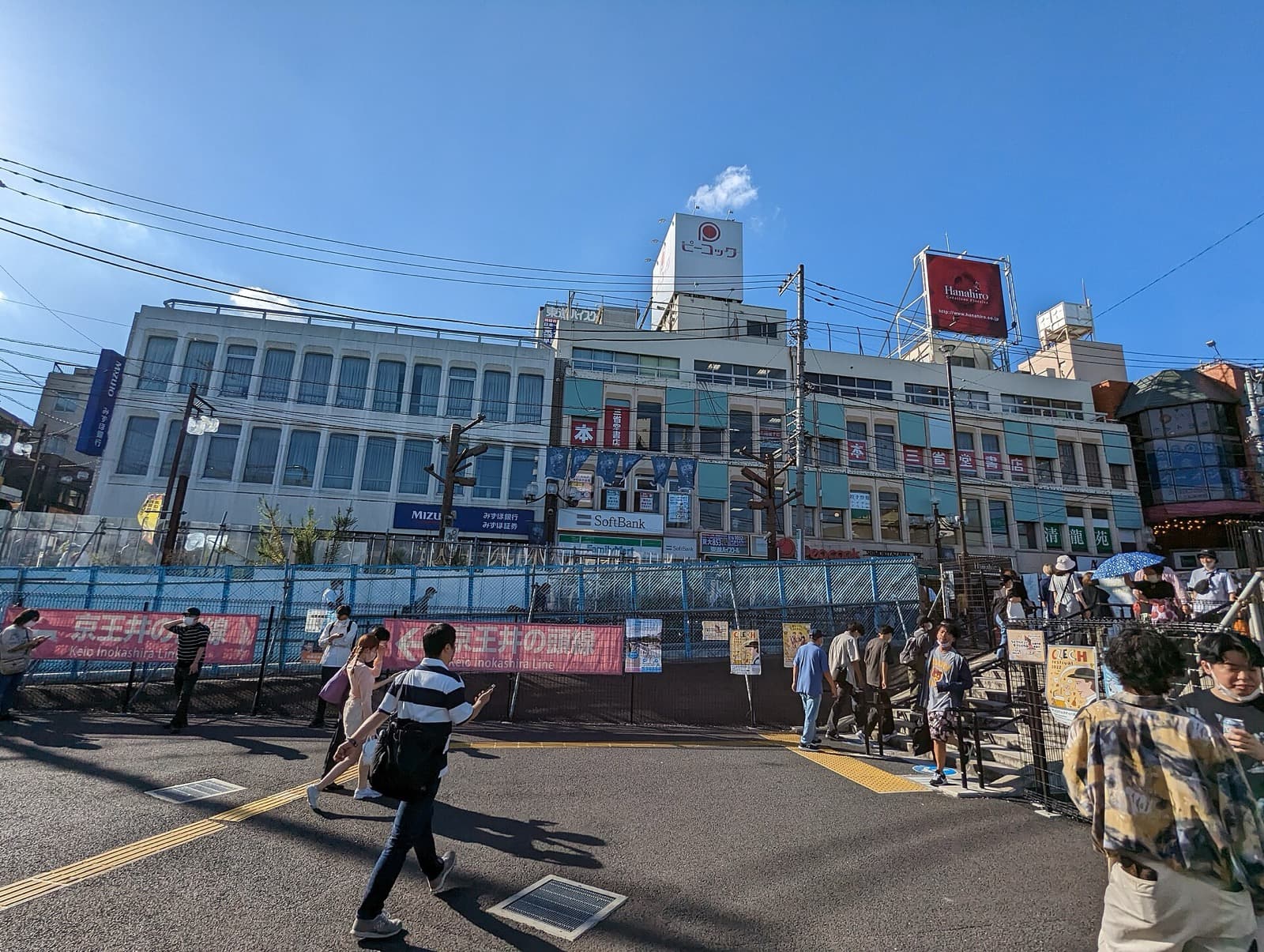
Shimokitazawa Guide: Vintage, Live Music and Coffee (2026)
Shimokitazawa: 100-plus vintage shops, live houses like Shelter and Basement Bar, and new streets on the old railway. Getting there and spending a day.
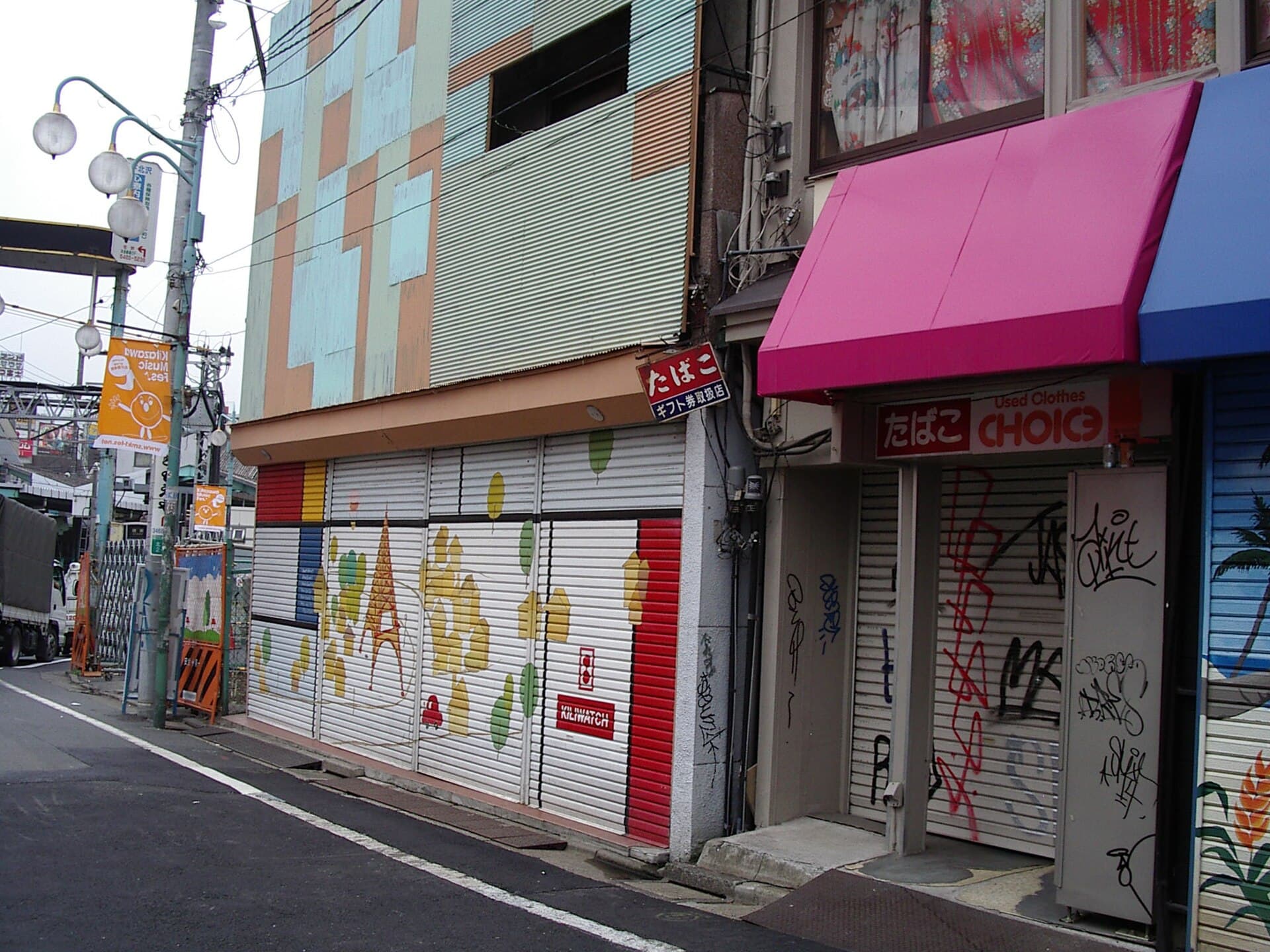
Brooklyn of Tokyo 2026: Shimokitazawa, Koenji, and Who Wins
Brooklyn of Tokyo usually means Shimokitazawa — vintage, live houses, indie cafes. Koenji and Nakameguro compete. Which neighborhood fits your trip.