
Gachapon: Japan's Capsule Toy Obsession, Explained
Gachapon machines stock everything from miniature ramen bowls to detailed animal skeletons. How capsule toys work and where to find the best walls.

Some travel links on The Standard Japan are affiliate links. If you book through one, we may earn a commission at no extra cost to you.
The word "gacha" has escaped Japan entirely — it's now the standard term for randomized loot mechanics in mobile games worldwide. Almost nobody outside Japan realizes it comes from a physical vending machine: turn a crank, hear a gacha as the mechanism releases a capsule, then a pon as it drops into the tray. That two-syllable sound is where the entire genre, digital and physical, gets its name.
How the Format Works
A gachapon machine holds a set of capsules, each containing one item from a themed series — usually 6 to 12 variants per set, sometimes with a rare "secret" variant mixed in at a lower probability. You insert coins, turn the crank, and get a random capsule from whatever's left in the machine. There's no way to choose which one you get, which is the entire point: the randomness is the product.
Most standard capsules cost ¥200–¥500, though higher-detail collector lines from manufacturers like Kaiyodo and Bandai can run ¥500–¥1,500 per capsule, reflecting genuinely impressive sculpting and paint work that's a long way from the simple plastic trinkets the format started with.
From Novelty Toys to Serious Collectibles
Gachapon began as a Japanese adaptation of the American gumball machine, and Bandai formalized the modern version by trademarking the name "Gashapon" in 1977. For decades the contents stayed simple — cheap plastic figures, keychains, erasers.
That's changed substantially. The current gachapon market includes hyper-realistic miniatures of everyday objects (convenience store food, ramen bowls, tiny bonsai trees), detailed animal anatomy sets, and licensed figures tied to major anime and game franchises — the same collectible-goods logic behind Pokemon Center's merchandise strategy and Sanrio's character lineup. Manufacturers now treat capsule toys as a legitimate collectible category rather than an impulse-buy novelty, and some limited series sell out and resell for significant markups on the secondhand market.
Where to Find the Best Machines
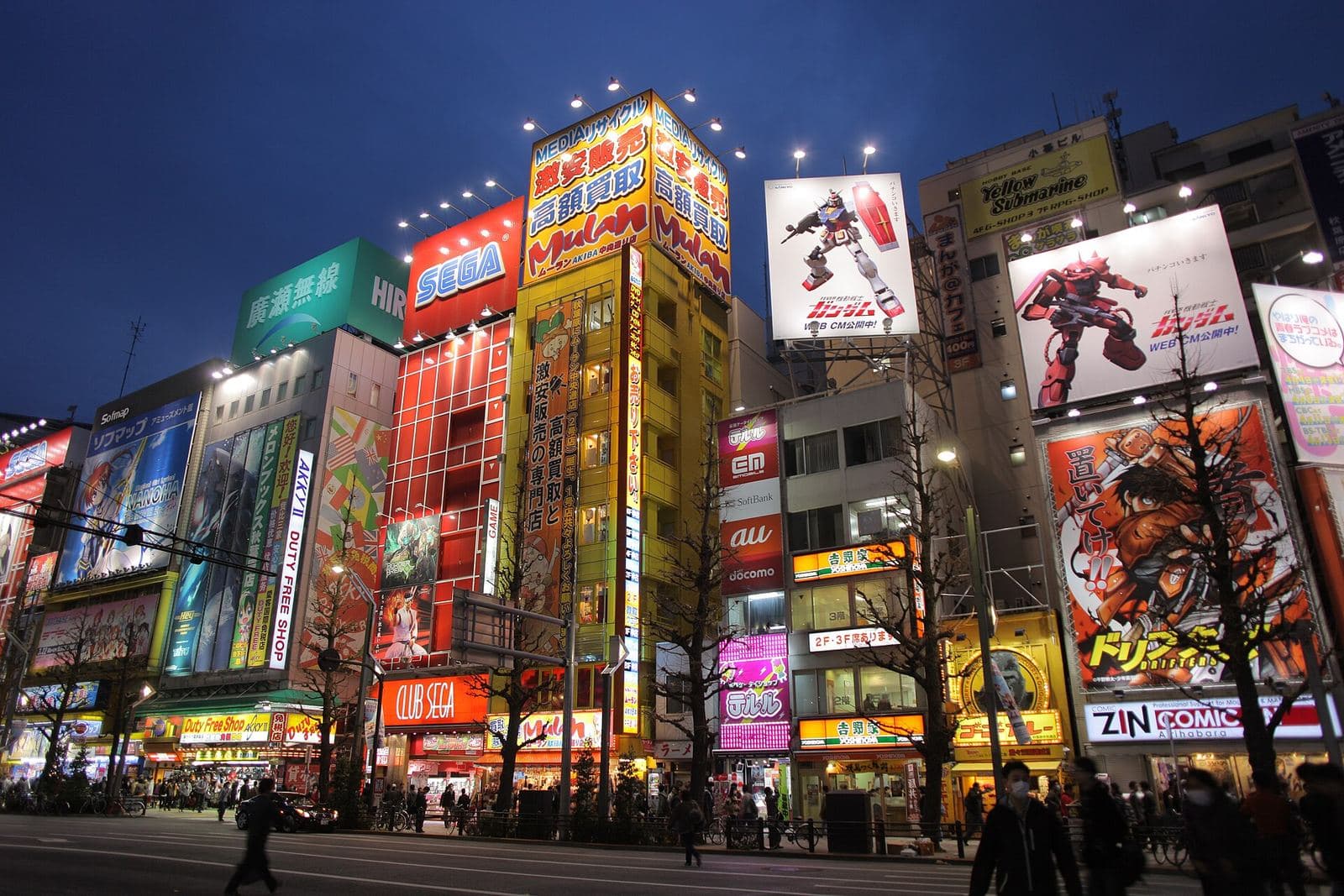
Akihabara — A dense cluster of dedicated gachapon shops, easy to combine with the neighborhood's anime and game stores. Our Akihabara guide covers the rest of the neighborhood.
Nakano Broadway — A shopping complex a few stops from Shinjuku, better known for vintage toys and collectibles generally, but with a strong gachapon presence mixed in among the anime and manga shops.
Ikebukuro — Home to Gashapon Department Store Ikebukuro, inside Sunshine City, with around 3,000 machines under one roof, the largest in Tokyo. If you only visit one gachapon spot, make it this one.
Train stations and shopping mall corridors — Individual machines are everywhere — station corridors, mall entrances, arcade lobbies — so you don't need to seek out a dedicated hall to find at least a handful of machines during a normal day out.
Practical Tips
- Bring coins. Most machines are coin-only; some newer units in tourist-heavy areas accept IC cards (Suica/Pasmo), but don't count on it — carry ¥100 coins.
- Check the sample display. Every machine shows the full set of possible items on top or on a card beside the crank, so you know what you might get before paying.
- Duplicates happen. There's no protection against getting the same item twice in a row — that's part of the format, not a malfunction.
- Secondhand shops buy unwanted duplicates. Shops in Akihabara and Nakano Broadway routinely buy and resell gachapon capsules individually, so unwanted duplicates aren't a dead end.
FAQ
What's the difference between gachapon and gashapon? They're the same thing — gashapon is Bandai's specific trademarked name, while gachapon (and gacha-gacha) are the more generic terms used across the industry regardless of manufacturer.
How much does gachapon cost? Typically ¥200–¥500 per capsule for standard toy lines, up to ¥500–¥1,500 for detailed collector-grade series.
Can I choose which item I get? No — the mechanism dispenses randomly from whatever remains in the machine, which is the core mechanic of the format.
Is gachapon the same as the "gacha" in mobile games? It's the direct inspiration — mobile game loot boxes borrowed both the name and the randomized-reward mechanic from these physical vending machines.
Where in Tokyo has the most gachapon machines? Gashapon Department Store in Ikebukuro's Sunshine City, with around 3,000 machines. Akihabara has the densest cluster of smaller gachapon shops.
Culture Desk
The Standard Japan
Customs, festivals, pop culture and everyday Japan, explained for people who want to understand what they are looking at.
Facts are taken from primary sources (operators, venues, official tourism and government pages) and dates and prices are checked on the day of writing. Pages are revised when those sources change.
Expertise
Festivals, etiquette, pop culture, mascots, convenience-store culture
Have a question or a correction?
Ask us anything about Gachapon: Japan's Capsule Toy Obsession, Explained, or tell us what we got wrong. We reply within 24 to 48 hours.
Related Stories
Akihabara Guide: Anime, Electronics, and Otaku Culture (2026)
A day in Akihabara: where to buy anime goods, retro games and electronics, which arcades and maid cafés to try, and when to go.

What Is Kawaii? Japan's Culture of Cute, Explained
Kawaii means cute, but in Japan it shapes fashion, mascots, packaging and even police posters. Where it came from, how it works and where to see it.

What is Omotenashi? Japanese Hospitality Explained
Omotenashi traces to the tea ceremony and went global in Tokyo's 2013 Olympic bid. The real history of the word, and the debate over what it costs workers.