
Docomo vs SoftBank vs au (KDDI): Japan Coverage Compared
Docomo has the widest rural and mountain coverage; SoftBank and au match it in cities. Which network your eSIM really runs on, and when it matters.

If your trip includes rural areas, mountains, or smaller towns — think Mt. Fuji, the Japanese Alps, Shikoku, or anywhere off the Tokyo-Osaka-Kyoto corridor — pick an eSIM that runs on Docomo's network. If you're staying entirely within major cities, any of the three networks perform about the same and network choice won't matter.
Why Network Matters More Than the eSIM Brand
eSIM providers like Ubigi, Airalo, Sakura Mobile, and Holafly don't run their own cell towers — they're resellers that route your data through one of Japan's actual carrier networks: NTT Docomo, SoftBank, or KDDI (au). The provider's brand name and price are what you compare when buying, but the network underneath is what actually determines whether you have signal on a mountain trail or in a small town.
Check the specific plan you're buying — some providers offer multiple network options at different price points, so don't assume based on the table alone.
This article contains affiliate links. If you buy through one, we may earn a small commission at no extra cost to you.
Docomo: Best Overall, Especially Outside Cities
Docomo has the longest history and the largest physical tower network in Japan, built up over decades as the original NTT carrier. That translates to the best coverage in places that matter for travelers doing anything beyond a city itinerary:
- Mountain and hiking areas — including the trails covered in our Mt. Fuji climbing guide
- Rural towns and countryside — Tohoku, most of Shikoku, inland areas away from the coast
- Regional train lines away from the Shinkansen corridor
If your trip includes anywhere off the beaten path, a Docomo-based eSIM (Ubigi, Sakura Mobile, or mobal) is the safer default.
SoftBank and au: Just as Good in Cities, Weaker Outside Them
Both networks are fully competitive with Docomo in Tokyo, Osaka, Kyoto, and other major cities — you won't notice a difference on a 5-day Tokyo itinerary or anywhere along the main tourist circuit. The gap shows up specifically once you leave dense urban areas: SoftBank and au have fewer towers in rural regions and can drop to weaker signal or no signal in mountain valleys and small towns where Docomo still holds a connection.
If your entire trip is city-based — even a multi-city trip hitting Tokyo, Kyoto, and Osaka via Shinkansen — this difference won't affect you, and a cheaper SoftBank-based option like Airalo is a perfectly reasonable choice.
Does This Matter on the Shinkansen?
All three networks provide solid coverage along Shinkansen routes, including in most tunnels on newer lines. Coverage gaps are more common on regional and local lines than on the Shinkansen itself, so this is a minor factor for most trip planning — the rural/mountain distinction above matters far more.
How to Check Which Network Your Plan Uses
Providers usually list this in the plan description or FAQ on their site — search for "network" or the specific carrier name before buying. If it's not listed, contact support before purchasing rather than assuming; a mislabeled or unclear listing is a reasonable thing to ask about directly, especially if your itinerary includes remote areas.
Bottom Line
- Itinerary includes mountains, rural areas, or small towns: Choose a Docomo-based eSIM — Ubigi, Sakura Mobile, or mobal. See our full eSIM comparison for current pricing.
- Itinerary is entirely major cities: Network choice won't matter — pick based on price, and Airalo's SoftBank/KDDI-based plans are often the cheapest option.
- Not sure yet where you're headed: Default to Docomo-based. It's never the worse choice, only sometimes unnecessary.

SoftBank/KDDI network — cheapest option for city-only trips
FAQ
Which Japan network has the best coverage overall? NTT Docomo, particularly outside major cities. SoftBank and au are equally strong in urban areas but have more coverage gaps in rural and mountainous regions.
Does Ubigi use Docomo or SoftBank? Ubigi routes through NTT Docomo's network, making it a strong choice for trips that include rural areas or hiking.
Is Airalo good enough for a Tokyo-only trip? Yes. Airalo's SoftBank/KDDI-based network is fully competitive with Docomo inside major cities — the gap only shows up in rural areas.
Can I switch eSIM networks mid-trip if coverage is bad? Not on the same eSIM, but you can install and activate a second eSIM from a different provider/network as a backup — useful insurance if your trip includes remote hiking or countryside stretches.
Do all three networks work the same for tethering and hotspot use? Tethering support depends on the eSIM provider's plan terms, not the underlying network. Check the specific plan's tethering policy regardless of which carrier it runs on.
Travel Desk
The Standard Japan
Trip planning: seasons and crowds, getting around, airports, where to stay, and the practical steps before and after you land.
Facts are taken from primary sources (operators, venues, official tourism and government pages) and dates and prices are checked on the day of writing. Pages are revised when those sources change.
Expertise
Seasonal crowds, transport and airports, itineraries, lodging, pre-trip logistics
Have a question or a correction?
Ask us anything about Docomo vs SoftBank vs au (KDDI): Japan Coverage Compared, or tell us what we got wrong. We reply within 24 to 48 hours.
The Standard Newsletter
Tokyo in your inbox. Weekly.
No algorithms curating your culture. No sponsored content disguised as journalism. Just the real Tokyo — the izakayas at 2am, the Harajuku kids who never made it to the algorithm, the ramen shop with no sign.
280+
Guides
Weekly
Editions
Free
Always
Join the underground.
One email a week. Unsubscribe anytime.
No spam. No sharing your data. Tokyo only.
Related Stories
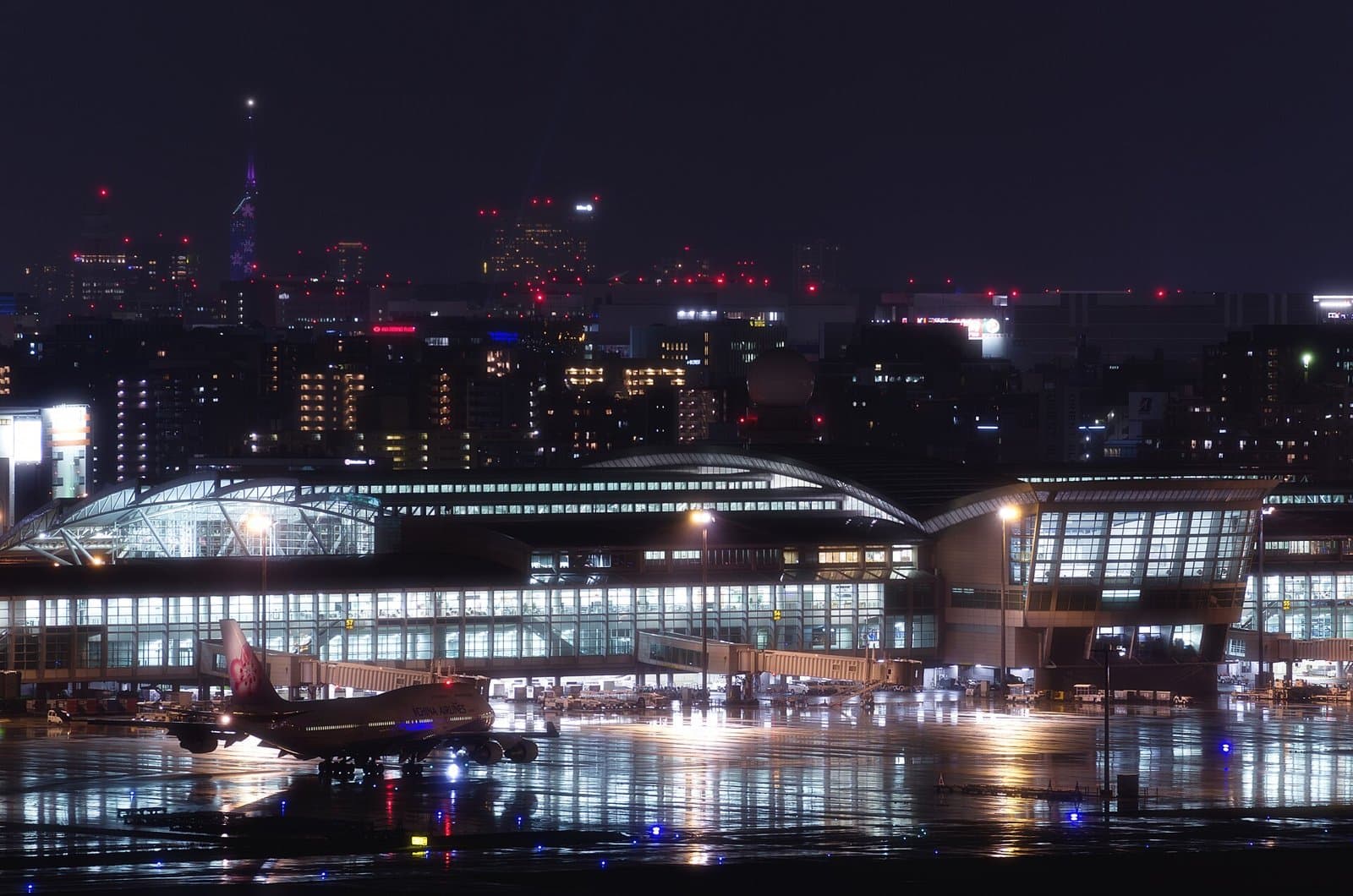
Fukuoka Airport to Hakata & Tenjin: Subway, Shuttle, Bus
Fukuoka's subway reaches Hakata in about 5 minutes, but only from the domestic terminal. International arrivals take a free shuttle or a direct bus.
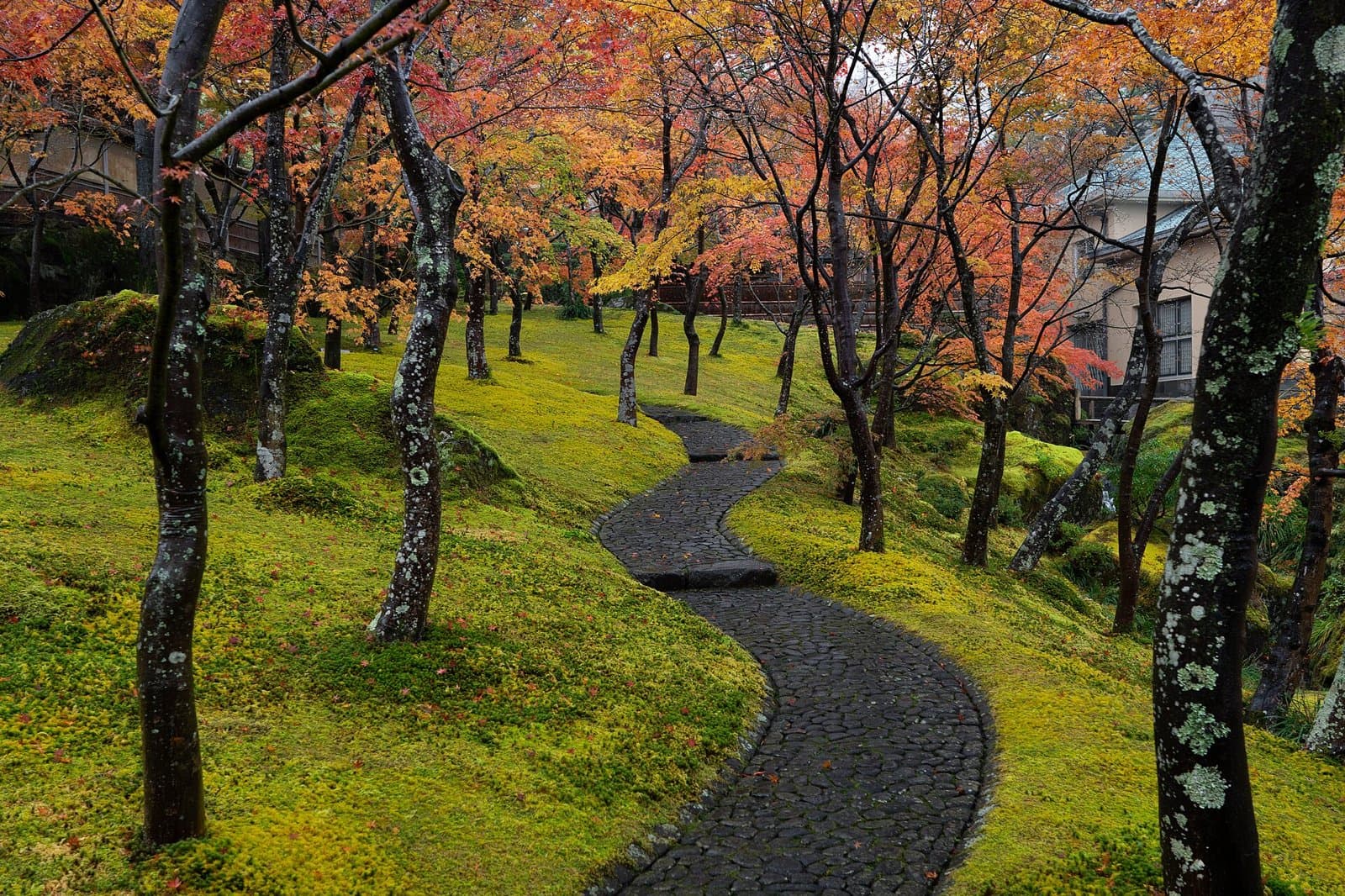
Hakone Autumn Leaves 2026: Crowds, Traffic, Timing
Hakone's colour moves downhill from late October to early December, and Nov 21–23 is a Japanese long weekend. Where to go, and when to move.
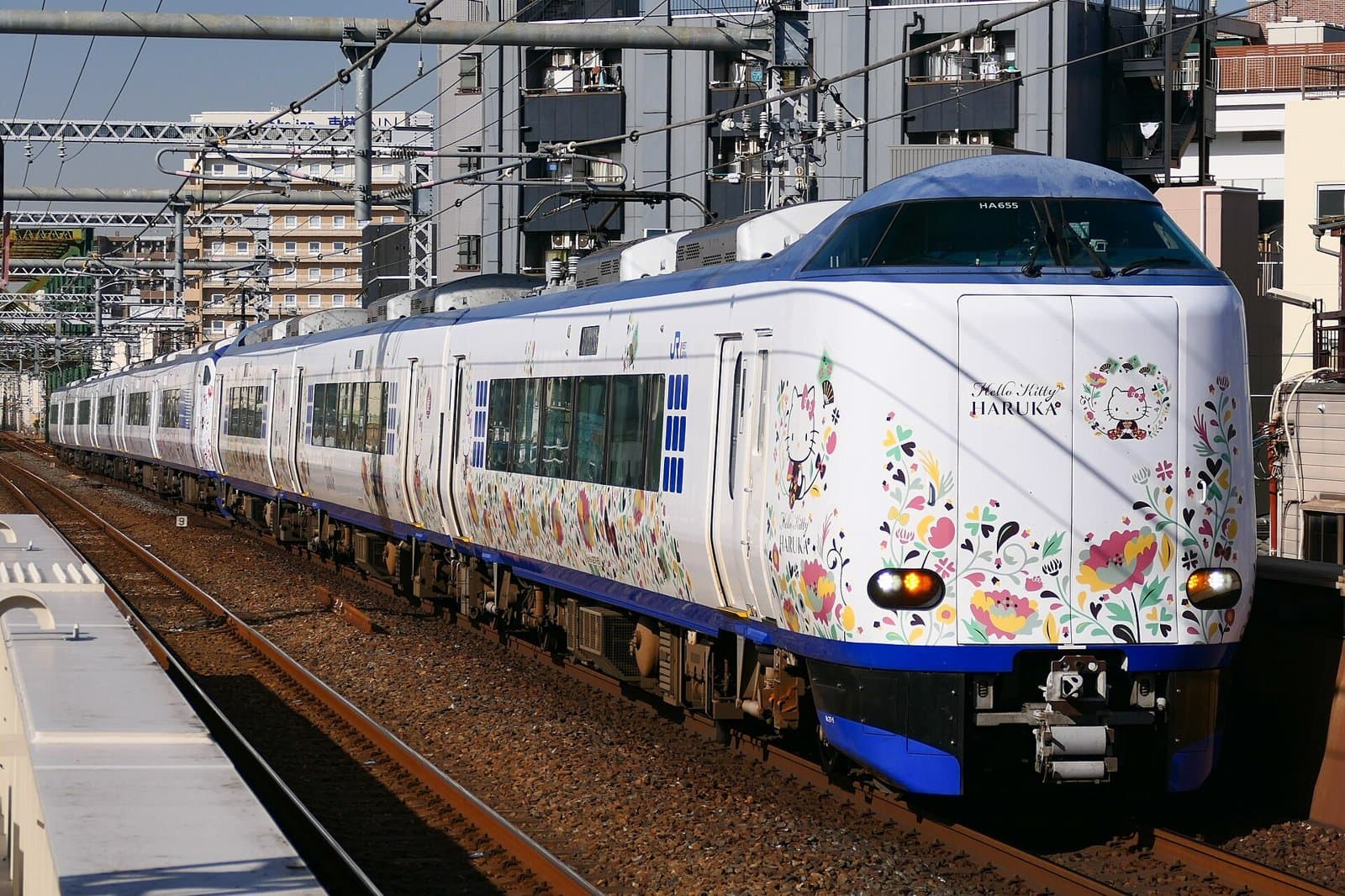
Kansai Airport to Kyoto & Osaka: Haruka, Rapi:t or Bus
From KIX, where you sleep decides the train: Haruka for Kyoto and Umeda, Nankai for Namba, the bus for late landings. Times, visitor fares, traps.