
eSIM vs Pocket WiFi Japan 2026: Which to Buy
eSIM wins for 1–2 people with a 2018+ phone. Pocket WiFi wins for groups of 3+ or laptops. Cost, speed, and hassle — pick once.

Get an eSIM if you're traveling alone or as a couple with a phone from 2018 or later — it's cheaper, activates before you land, and there's nothing to carry or return. Get pocket WiFi if you're traveling in a group of three or more, need to connect a laptop or camera, or have an older phone without eSIM support.
Here's the full breakdown so you can decide in two minutes.
Arrival stack (pair these)
Do these in order on arrival day — each guide links the next:
- Visit Japan Web — immigration/customs QR before you land
- Narita vs Haneda — which airport and how into the city
- Best eSIM for Japan · eSIM vs pocket WiFi · eSIM setup — data on landing
- Suica / Pasmo · Mobile Suica on iPhone — trains, buses, konbini taps
The Short Version
| eSIM | Pocket WiFi | |
|---|---|---|
| Best for | 1-2 people | 3+ people, or laptop-heavy work |
| Setup | Install online before you fly | Order online, pick up or receive by mail |
| Cost (10 days) | $12-$18 per person | ~$5-9/day for the whole group |
| Speed | Fast (direct carrier network) | Fast but shared across all connected devices |
| Battery | None needed — runs on your phone | Charge nightly, lasts 8-12 hours |
| Return hassle | None | Airport counter or postbox return required |
| Devices supported | Phones/tablets with eSIM only | Any WiFi device — laptops, cameras, Switch |
Why eSIM Wins for Most Solo and Couple Trips
An eSIM is a profile you install on your existing phone — no physical object to pick up, carry, charge, or return. You buy it from your couch before you fly, scan a QR code, and it's ready to activate the moment you land at Narita or Haneda.
For one or two people, this beats pocket WiFi on almost every axis: it's usually cheaper per person for a short trip, you can't lose it or forget to return it, and there's no battery to manage on top of your phone's. Airalo has the cheapest large bundles, Saily has the cheapest small ones — see our full Japan eSIM comparison for the rest of the providers and prices.
This article contains affiliate links. If you buy through one, we may earn a small commission at no extra cost to you.

Cheapest 10GB bundle, SoftBank/KDDI network

From the makers of NordVPN — cheapest small plans
The one requirement: your phone needs to be carrier-unlocked and eSIM-capable. iPhone XS and newer, Google Pixel 3 and newer, and Samsung Galaxy S20 and newer all qualify.
When Pocket WiFi Actually Wins
Groups of three or more. A pocket WiFi device connects up to 5-10 devices at once for a single daily rate (~¥900-¥1,500/day, roughly $6-10). Split three or four ways, that's cheaper than everyone buying their own eSIM — and everyone shares one data pool instead of each person tracking their own.
Laptops, cameras, and gaming devices. eSIMs only work on phones and tablets that physically support an eSIM chip. If you're traveling with a laptop for remote work, a mirrorless camera that uploads over WiFi, or a Nintendo Switch, pocket WiFi is the only option that covers all of it from one connection.
Older or locked phones. If your phone predates 2018, is carrier-locked, or is Android without eSIM support, pocket WiFi sidesteps the compatibility question entirely.
The Hassle Pocket WiFi Adds
Pocket WiFi isn't free of friction — it's just a different kind:
- Pickup and return. Reserve online, then collect the device at an airport counter (or have it mailed to your hotel). Most providers require return via a postage-paid envelope at the airport before your flight home — miss it and you get charged for the device.
- Daily charging. Battery life runs 8-12 hours depending on the device and how many phones are connected. On a long sightseeing day, it can die before dinner.
- One more thing to carry and not lose. It's small, but it's another item in your bag, and losing it means a replacement fee.
None of this is disqualifying for a group trip where the per-person cost savings are real — it's just worth knowing going in.
What About Physical SIM Cards?
Airport vending machines and 7-Eleven counters sell physical tourist SIMs (¥3,000-¥5,000 for 10-30GB). They work, but offer no real advantage over an eSIM for anyone whose phone supports one — you still queue at the airport, and you have a physical card to lose instead of a QR code you scanned at home. They only make sense if your phone can't take an eSIM at all.
Bottom Line
- Solo or couple, modern phone: eSIM. Cheaper, zero hassle, install before you fly. Start with our best eSIM for Japan comparison.
- Group of 3+, or bringing a laptop/camera: Pocket WiFi. One device, one bill, covers every gadget.
- Old or locked phone, traveling solo: Physical SIM or pocket WiFi — eSIM isn't an option for you.
If you're staying a month or longer, also check our guide to eSIMs for digital nomads and long-term stays, since the short-trip math changes once you're past three weeks.
FAQ
Is eSIM or pocket WiFi cheaper for Japan? For 1-2 people, eSIM is usually cheaper per person. For 3+ people sharing one pocket WiFi device, pocket WiFi wins — the daily rate splits across the whole group instead of each person paying individually.
Can I use pocket WiFi and an eSIM at the same time? Yes, but there's rarely a reason to. Pick one based on your group size and device needs.
Does pocket WiFi work on the Shinkansen and in rural Japan? Coverage depends on the carrier network the device uses, same as eSIM. Docomo-based devices and eSIMs have the best rural and mountain coverage; SoftBank-based options are strongest in cities.
What happens if I lose the pocket WiFi device? You'll be charged a replacement fee, typically ¥15,000-¥30,000 depending on the provider. Check the rental terms before you travel.
Do I need to reserve pocket WiFi in advance? Yes — reserve online at least a few days ahead for better rates and guaranteed airport pickup, especially during peak travel seasons like cherry blossom season or Golden Week.
Travel Desk
The Standard Japan
Trip planning: seasons and crowds, getting around, airports, where to stay, and the practical steps before and after you land.
Facts are taken from primary sources (operators, venues, official tourism and government pages) and dates and prices are checked on the day of writing. Pages are revised when those sources change.
Expertise
Seasonal crowds, transport and airports, itineraries, lodging, pre-trip logistics
Have a question or a correction?
Ask us anything about eSIM vs Pocket WiFi Japan 2026: Which to Buy, or tell us what we got wrong. We reply within 24 to 48 hours.
The Standard Newsletter
Tokyo in your inbox. Weekly.
No algorithms curating your culture. No sponsored content disguised as journalism. Just the real Tokyo — the izakayas at 2am, the Harajuku kids who never made it to the algorithm, the ramen shop with no sign.
280+
Guides
Weekly
Editions
Free
Always
Join the underground.
One email a week. Unsubscribe anytime.
No spam. No sharing your data. Tokyo only.
Related Stories
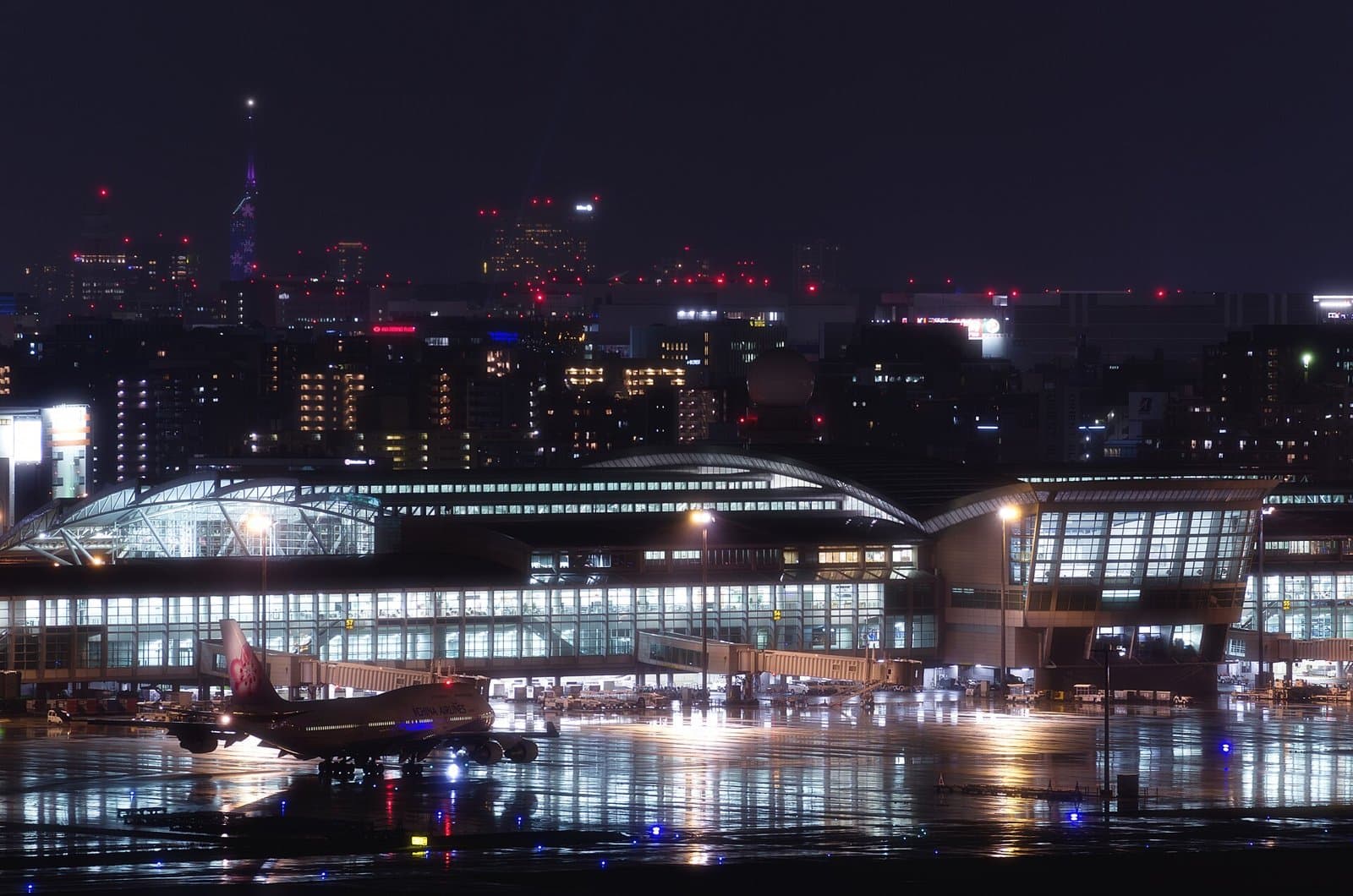
Fukuoka Airport to Hakata & Tenjin: Subway, Shuttle, Bus
Fukuoka's subway reaches Hakata in about 5 minutes, but only from the domestic terminal. International arrivals take a free shuttle or a direct bus.

Hakone Autumn Leaves 2026: Crowds, Traffic, Timing
Hakone's colour moves downhill from late October to early December, and Nov 21–23 is a Japanese long weekend. Where to go, and when to move.
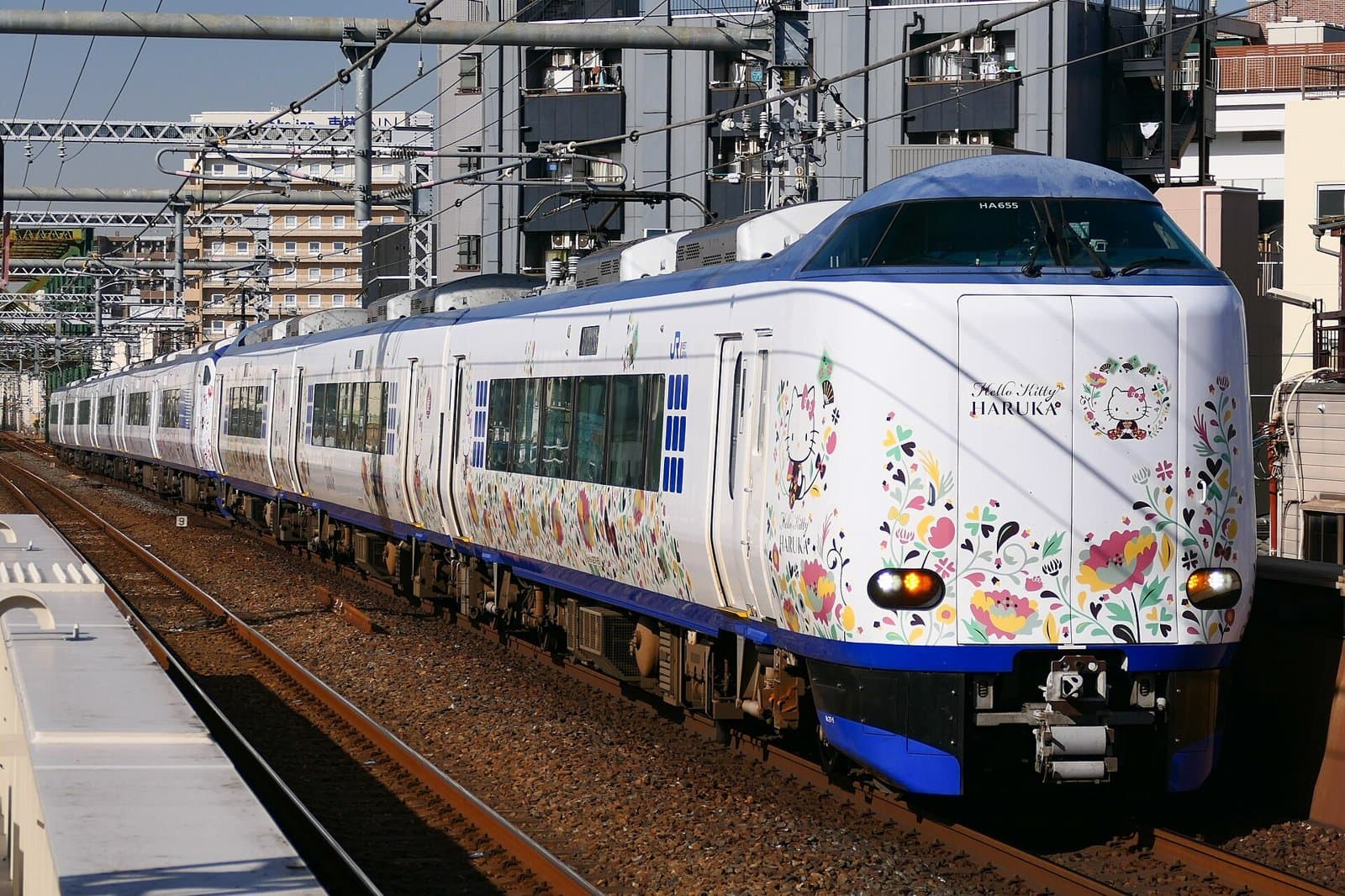
Kansai Airport to Kyoto & Osaka: Haruka, Rapi:t or Bus
From KIX, where you sleep decides the train: Haruka for Kyoto and Umeda, Nankai for Namba, the bus for late landings. Times, visitor fares, traps.