
Kobe Travel Guide: What to Do, Eat, and See (2026)
Japan's most international port city is also one of its most underrated destinations. Here is how to spend your time in Kobe.
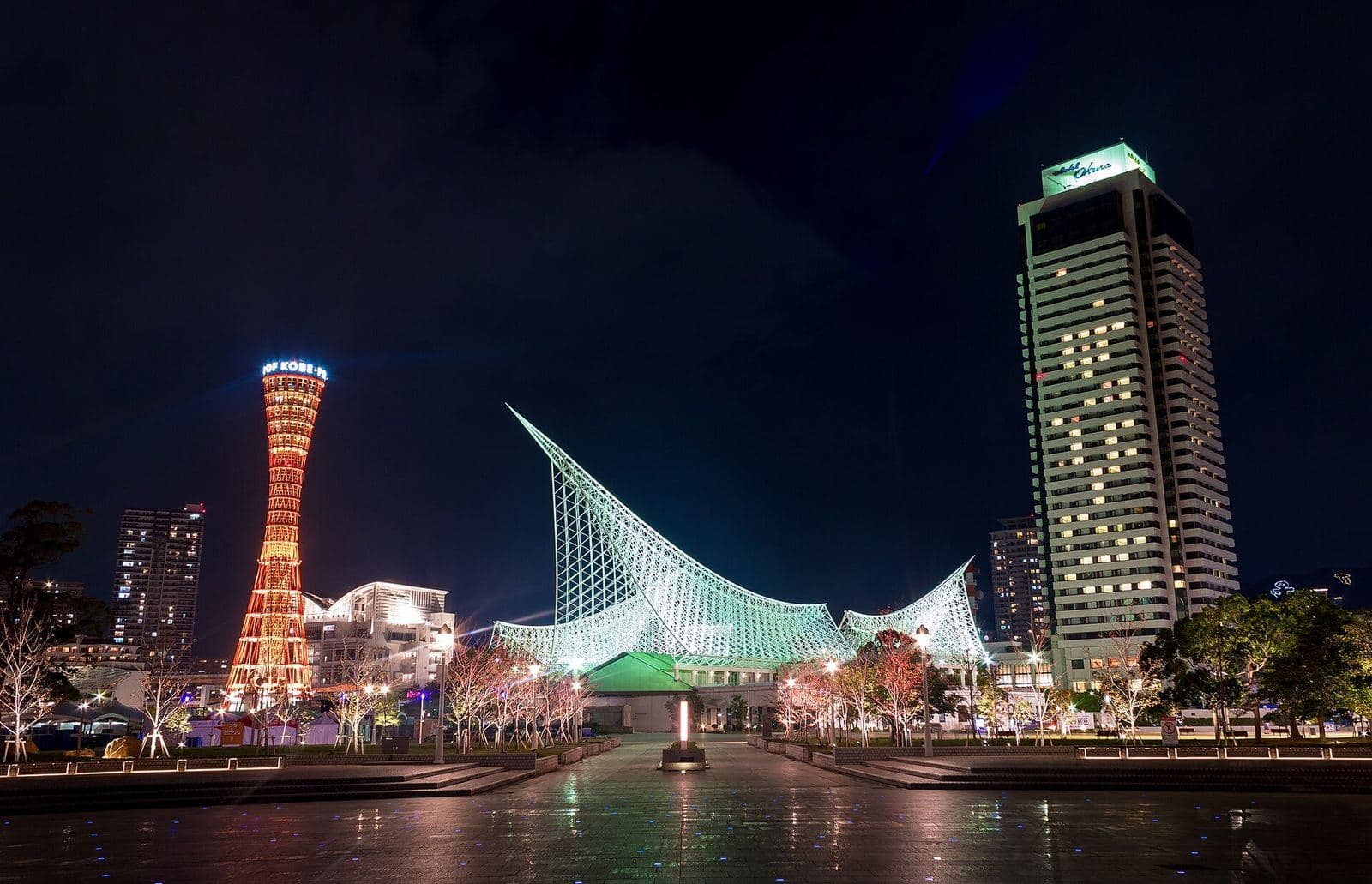
Kobe is one of those Japanese cities that visitors consistently underestimate. Everyone is going to Kyoto or Osaka — which are both excellent — but they miss a city with its own distinct character: a port town with 150 years of international history, exceptional food, mountains on one side and harbor on the other, and a neighborhood-level quality that rewards slow exploration.
Here is how to make the most of Kobe.
Getting There
From Osaka — JR Kobe Line from Osaka to Sannomiya takes about 25 minutes. Hankyu is an alternative with slightly different routing. Shinkansen stops at Shin-Kobe station (Nozomi, Hikari); from there the subway connects to Sannomiya.
From Tokyo — Shinkansen to Shin-Kobe is around 2.5–3 hours depending on service. From Shin-Kobe, the city is immediately accessible.
Kansai International Airport (KIX) — Airport buses connect KIX directly to Sannomiya. Travel time is roughly 70 minutes. A ferry also runs from the Marine Air Terminal near Rokko Island.
Orientation
Kobe is a linear city — the mountains run east-west to the north, and the harbor faces south. Almost everything is between these two. Sannomiya is the commercial and transport hub; Kitano (up the hill to the north) is the historical international neighborhood; Motomachi and the harbor area are to the south and southwest.
For most visitors, central Kobe is extremely walkable. You can cover Kitano, Sannomiya, Motomachi, Harborland, and Nankinmachi on foot in a full day.
What to Do
Kitano Ijinkan (北野異人館)
The Kitano district is Kobe's most distinctive neighborhood — a hill covered with 19th and early 20th-century Western-style houses built by foreign merchants and diplomats who settled here after Japan opened its ports.
Several ijinkan (foreigner houses) are open to the public as museums. The most visited include:
- Uroko House (鱗の家) — Fish-scale exterior; one of the most photographed
- Weathercock House (風見鶏の館) — A German merchant's house now managed by the city; the weathercock is Kobe's informal symbol
- Moegi House (萌黄の館) — Pale green former residence of the American consul, right next to Weathercock House; the two are usually visited together on a combined ticket
You don't need to enter every ijinkan — walking the neighborhood streets at your own pace is the better experience.
Harborland and Meriken Park
Kobe's harbor area has been redeveloped into a pleasant waterfront district. Meriken Park has the Kobe Port Tower (red lattice tower, an icon of the city's skyline) and a maritime museum. The harbor provides views across the bay.
The area is unabashedly commercial but well-executed — it doesn't feel as synthetic as some Japanese waterfront developments.
Nunobiki Herb Garden and Ropeway
The Nunobiki Ropeway from central Kobe (near Shin-Kobe station) rises to an herb garden with sweeping views of the city and harbor. In clear weather, the view is one of the best urban panoramas in Japan.
The herb garden itself is well-maintained and has good cafes. Allow 2–3 hours for a round trip including time at the top.
Nankinmachi (Chinatown)
Kobe's compact Chinatown is smaller than Yokohama's but has a genuine food culture. Street food along the main walking street includes nikuman (pork buns), roast duck, and various snacks. Better to eat here than to seek authentic sit-down Chinese cuisine — the street atmosphere is the point.
Sake Breweries in Nada
The Nada district in eastern Kobe (and extending into western Nishinomiya) is one of Japan's most important sake-producing areas. Several breweries have free or low-cost museums open to visitors, usually with tastings.
Hakutsuru Sake Brewery Museum and Kiku-Masamune Sake Brewery Museum are the most accessible for visitors without Japanese ability.
What to Eat
Kobe Beef
Kobe beef is not a myth — it is a specific designation for beef from Tajima cattle raised in Hyogo Prefecture under strict standards. What is a myth is that every restaurant in Kobe serving "Kobe beef" is offering the real thing; many are not.
Look for restaurants certified by the Kobe Beef Marketing & Distribution Promotion Association. Teppanyaki-style preparation (cooked on an iron griddle in front of you) is the traditional Kobe format.
Budget: a proper Kobe beef lunch course starts around ¥8,000–12,000. Dinner can run significantly higher.
Soba and Sushi
Kobe has excellent soba — the mura-soba (village soba) style is notable in restaurants near the mountain areas. Sushi quality is high throughout the region thanks to Seto Inland Sea access.
Pan (Bread)
Kobe has an outsized bread culture relative to other Japanese cities — a legacy of the city's foreign resident history. The city has more independent bakeries per capita than most of Japan. Walking into a neighborhood bakery in Kitano or Ashiya and finding excellent kouign-amann or levain is a real Kobe experience.
Coffee
Kobe's coffee culture is old and serious. Independent specialty coffee shops in Kitano, Sannomiya, and Motomachi have been operating for decades. This is not trendy third-wave coffee — it is careful, classical Japanese coffee culture.
Day Trips from Kobe
Himeji (30 minutes by shinkansen or 60 minutes by regular train) — Himeji Castle is probably Japan's finest remaining feudal castle; a genuine must-see.
Arima Onsen — A short bus ride or taxi from central Kobe into the Rokko mountains. One of Japan's oldest hot spring towns; two distinct water types (gold and silver mineral springs). Perfect half-day from Kobe.
Kyoto — 30 minutes by shinkansen. Combine with a Kobe overnight.
Osaka — 25 minutes from Sannomiya. So close it functions as a very easy day trip or evening excursion.
How Long to Stay
One day — Central Kobe: Kitano, harbor, Nankinmachi, Kobe beef lunch or dinner. Very doable.
Two days — Add Nada sake breweries, Rokko mountains, and a more leisurely exploration of neighborhoods.
Three or more days — Incorporate Arima Onsen, Himeji, and some of the lesser-visited neighborhoods in Higashinada or western Kobe.
Kobe rewards returning visitors. The city's character is subtle and reveals itself slowly.
FAQ
Is Kobe worth visiting as a day trip from Osaka or Kyoto? Yes — Kobe is just 25 minutes from Osaka and 30 minutes from Kyoto by train, making it an easy day trip, though a full day lets you properly cover Kitano, the harbor, and a Kobe beef meal.
Is Kobe beef really different from beef served elsewhere? Genuine Kobe beef is a specific designation for Tajima cattle raised under strict standards in Hyogo Prefecture — look for certification from the Kobe Beef Marketing & Distribution Promotion Association, since many restaurants advertise "Kobe beef" without the real thing.
What's the best day trip from Kobe itself? Himeji, home to Japan's finest surviving feudal castle, is just 30 minutes away by Shinkansen; Arima Onsen in the Rokko mountains is a great half-day alternative for hot springs.
How do I get from Kansai Airport to Kobe? Airport buses connect KIX directly to Sannomiya in about 70 minutes; a ferry also runs from the Marine Air Terminal near Rokko Island.
What is Kobe's Kitano district known for? 19th and early 20th-century Western-style houses (ijinkan) built by foreign merchants and diplomats after Japan opened its ports — walking the neighborhood is often more rewarding than entering every house-museum.
Travel Desk
The Standard Japan
Trip planning: seasons and crowds, getting around, airports, where to stay, and the practical steps before and after you land.
Facts are taken from primary sources (operators, venues, official tourism and government pages) and dates and prices are checked on the day of writing. Pages are revised when those sources change.
Expertise
Seasonal crowds, transport and airports, itineraries, lodging, pre-trip logistics
Have a question or a correction?
Ask us anything about Kobe Travel Guide: What to Do, Eat, and See (2026), or tell us what we got wrong. We reply within 24 to 48 hours.

Related Stories
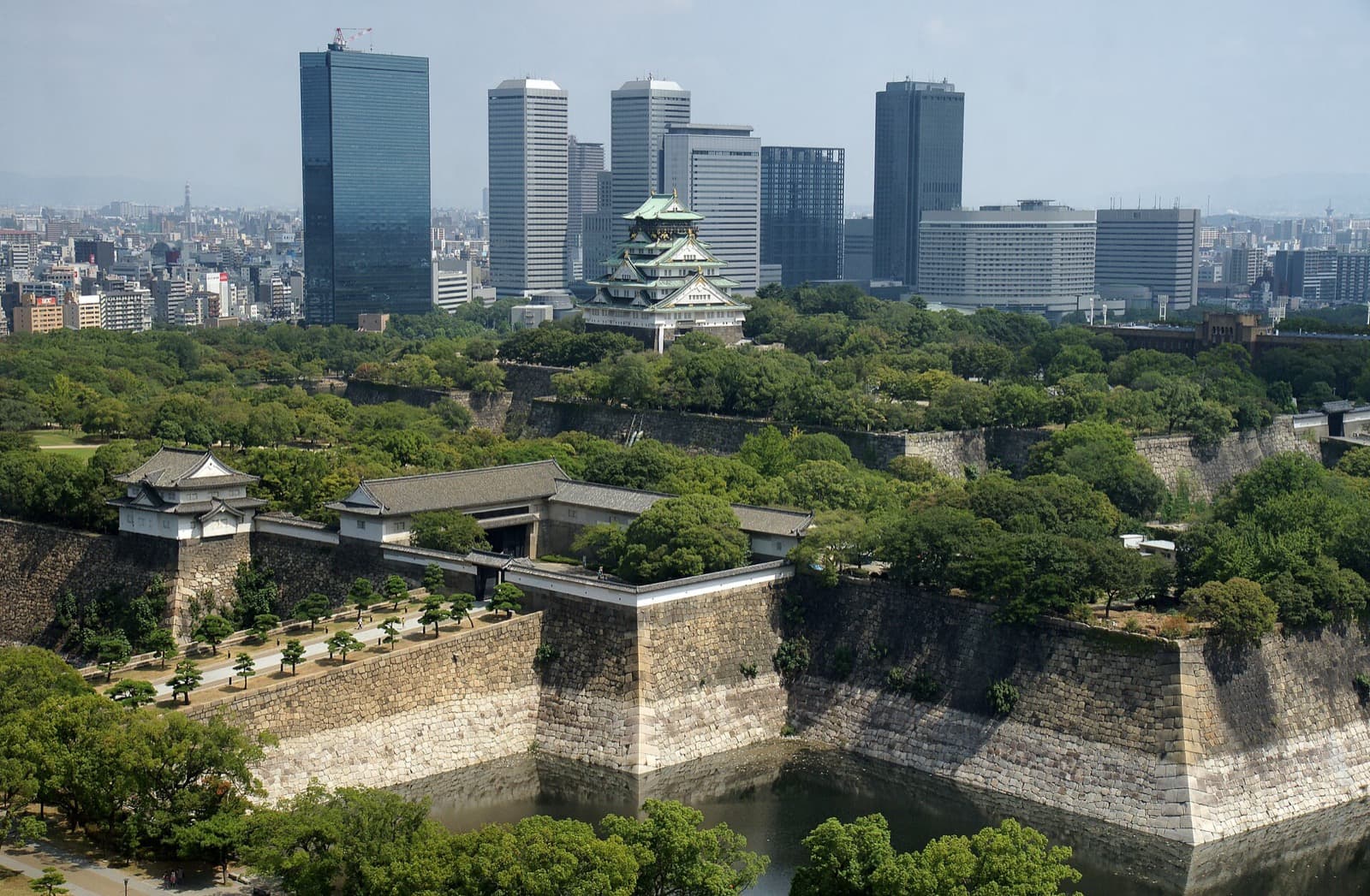
Best Day Trips from Osaka: Kyoto, Nara, Kobe, Himeji, Koyasan
Day trips from Osaka: Kyoto and Kobe in about 30 minutes, Nara in 36, Himeji in an hour, Koyasan in two. What each is for, and 2026 price changes.

Kobe Lifestyle Guide: Neighborhoods, Transport, Food, and Daily Life (2026)
Kobe lifestyle guide: Rokko Island, Ashiya, Nishinomiya, Sannomiya — neighborhoods, trains, food, Japanese reality, healthcare, and what daily life costs.
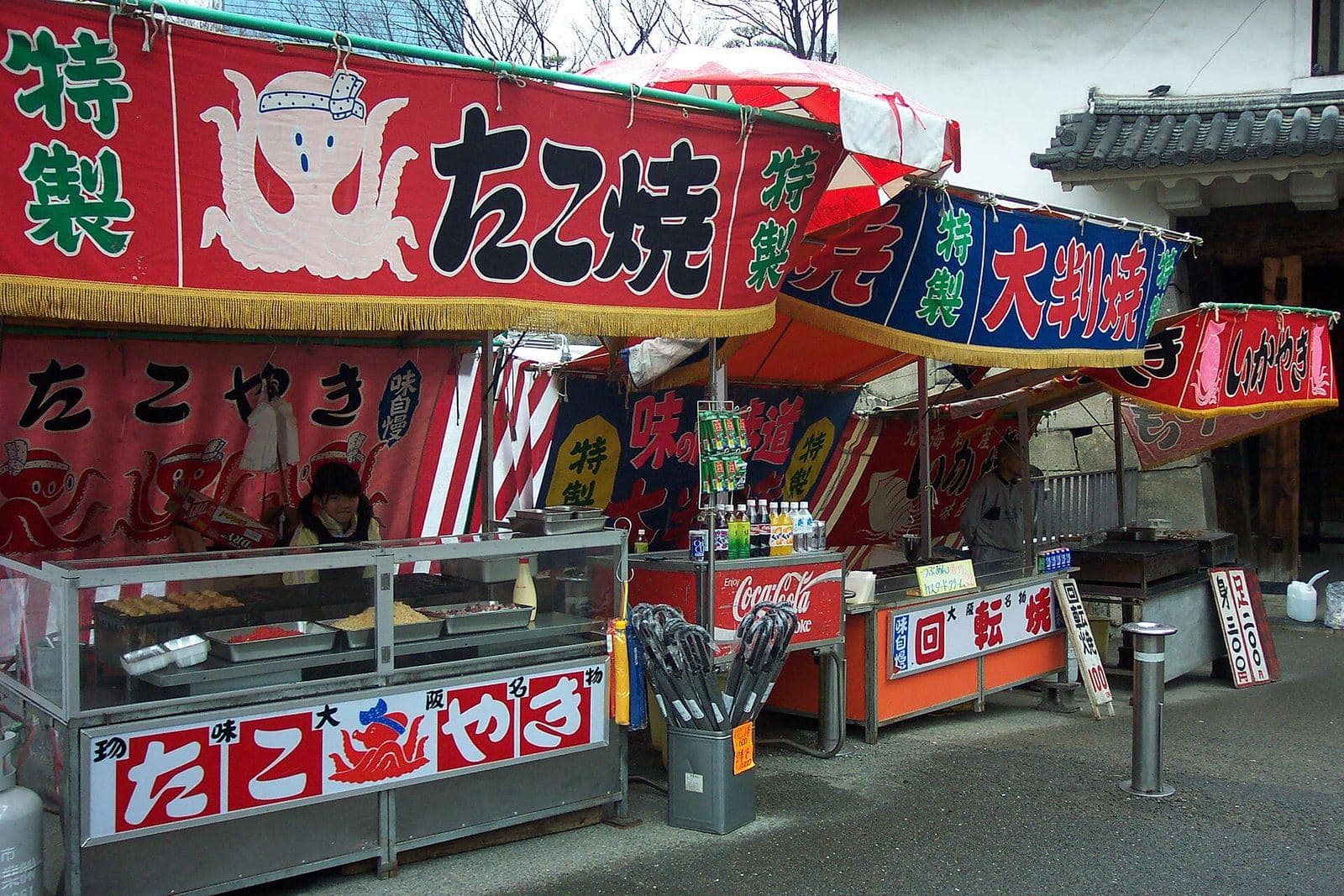
Osaka Food Guide: What to Eat and Where (2026)
Osaka is Japan's most food-obsessed city. Here is what to eat, where to find it, and why kuidaore is a way of life.