
Nikko Autumn Crowds 2026: The Irohazaka Traffic Problem
Nikko's foliage peaks mid-October to early November. On peak weekends the Irohazaka road turns a 20-minute drive into three hours. When to go, and why the train wins.
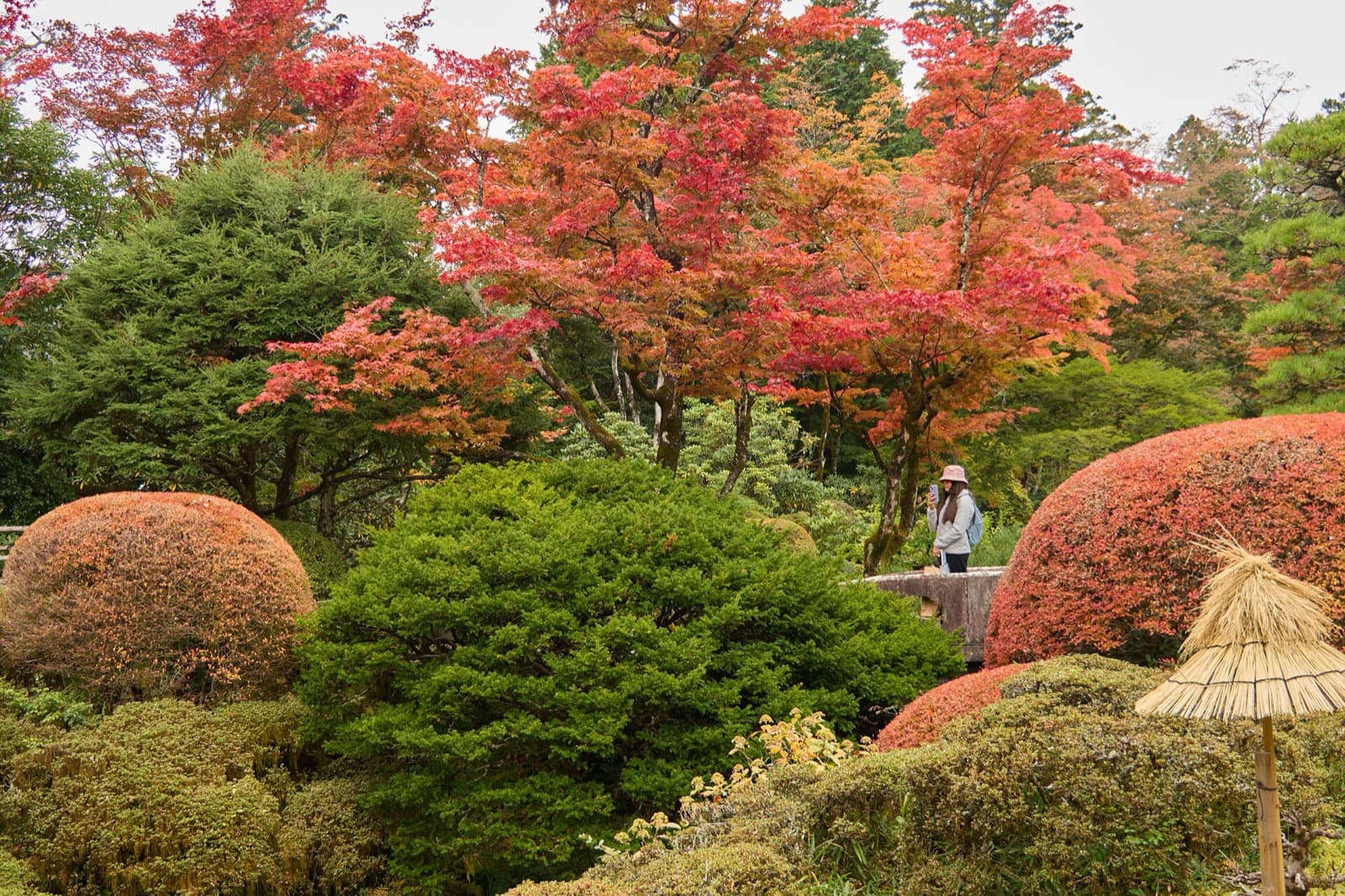
There is one thing about Nikko in autumn that a map will never tell you: the distance is short and the time is unpredictable. Irohazaka, the switchback road up to Lake Chuzenji, is a twenty-minute drive on an ordinary day. Arrive at it late morning at the peak of the foliage and the same twenty minutes becomes three hours.
Go anyway — Okunikko has the most reliable colour within reach of Tokyo. But this is a mountain where the hour you arrive decides the whole day.
Some links in this article are affiliate links. If you book through them, The Standard Japan may earn a commission at no additional cost to you.
"Nikko" is three different peak dates
There is more than 1,000m of altitude between the top of the area and the town. The colour comes down the mountain over about three weeks.
| Area | Rough altitude | Peak |
|---|---|---|
| Okunikko (Yunoko, Senjogahara) | ~1,400m | Early–mid October |
| Lake Chuzenji / Irohazaka | ~1,200m | Mid–late October |
| The shrines and town | ~600m | Around mid-November |
So two people saying "Nikko foliage" can mean dates three weeks apart. Turn up at Toshogu in October expecting red maples and you will find green ones. Go up to Okunikko in mid-November and it is already over.
Decide which one you actually want before you pick a date.
Irohazaka is entirely about timing
Nikko City's official tourism site is unusually direct about the congestion. The essentials:
- Worst on weekends from mid-October to early November
- The window is 9am to 3pm
- 2pm–3pm is the worst of it, when the road can take over three hours
- Normal transit time is about 20 minutes
That "20 minutes becomes 3 hours" figure is not traveller folklore — it is the city's own warning. Start down the mountain on an autumn afternoon and you can still be on it after dark.
If you drive, there are two realistic windows
- Weekends: be on the road before 7am. Later than that and you will queue somewhere.
- Weekdays: after 3pm, once the midday peak has cleared.
There is no third option. The ordinary plan — leave the city at nine, arrive before lunch — lands precisely in the worst of it.
The detours change your destination
You can reach the Okunikko side without Irohazaka. The city's official site lists the Kirifuri Highlands route, the Kawamata direction, and the Sanno Forest Road, which also open up stops like Kirifuri Falls and Setaigyo gorge.
They are longer in both distance and time, so they are not a shortcut to Lake Chuzenji. Treat them as a different day out, not a workaround. Kirifuri in autumn stands on its own merits.
The bus removes the problem
The bus from JR Nikko Station to Lake Chuzenji takes about 45 minutes in normal conditions, with extra services laid on in peak season. It still uses the road, so it is not immune — but you are not the one driving, and the return is far easier to plan around.
Nikko City recommends buying bus tickets on your phone in advance, which cuts the queue at the station. That matters more in foliage season than at any other time of year.
If you are driving because of luggage or small children, fair enough. Otherwise, in these few weeks, the train is usually faster.
You will want that phone working for live bus times and the city's congestion updates — a Japan eSIM installs at home over your own WiFi (Airalo or Saily), and mountain mornings are the wrong moment to be hunting for station WiFi.
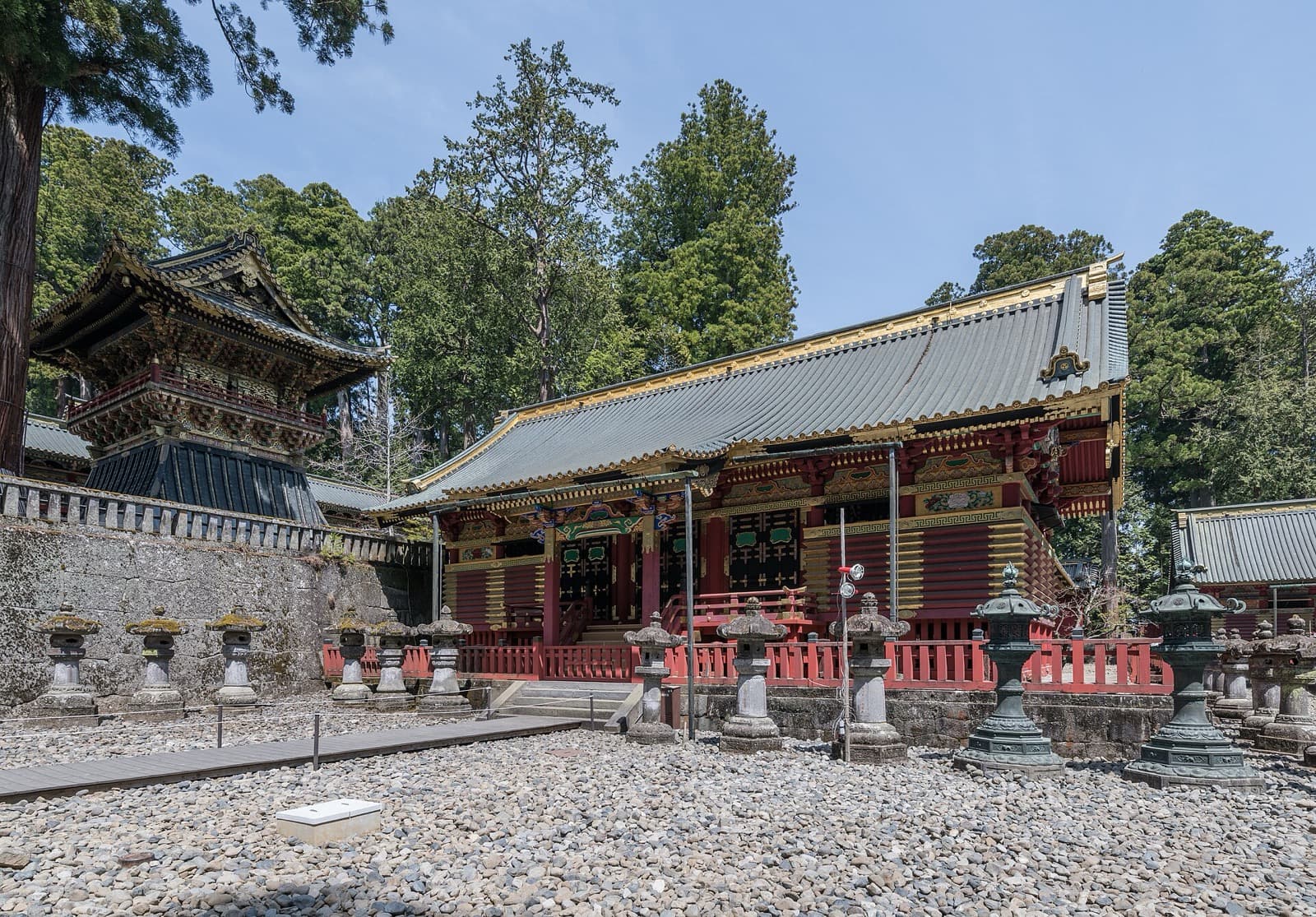
A day that actually works
Start high, finish low. It suits both the traffic and the colour.
- Arrive around 6am — on the road before 7 if driving
- Morning: Lake Chuzenji and Kegon Falls, while the light is still low across the water
- Lunch early. Anywhere in Okunikko after 1pm means queuing
- Start down before 2pm. Miss this and you are in the peak
- Afternoon: the shrines in town — which, in mid-November, is where the colour actually is
Pushing on to Yunoko will cost you the descent window. Stopping at Senjogahara keeps the day intact.
Booking order
- Accommodation first. Staying at Chuzenji or Yumoto rather than in town transforms the next morning
- Bus tickets on your phone, to skip the station queue
- Warm layers. Okunikko can run close to 10°C below the town, and November mornings drop below freezing
- Check the colour report a few days before you travel — forecasts move
FAQ
When is the best time for Nikko foliage in 2026? Mid-to-late October for Okunikko and Irohazaka; around mid-November for the shrines and town. The two are about three weeks apart.
How bad is Irohazaka traffic really? On peak-season weekends a normally 20-minute stretch can exceed three hours. The congested window is 9am to 3pm, worst between 2pm and 3pm.
What time should I drive to avoid it? Before 7am at weekends, or after 3pm on a weekday. There is no other quiet window.
Is the train better than driving? In foliage season, usually yes — the timing is predictable. JR Nikko Station to Lake Chuzenji is about 45 minutes by bus in normal conditions. Buy tickets on your phone beforehand.
Where do I check conditions? Nikko City's official tourism site publishes a congestion feature page. Check it alongside the current colour report before you set out.
Related

Alex Rivera
Travel & Living Editor
Expat guide. Helps people actually move to and navigate Japan.
Moved from London to Tokyo in 2018. Went through the full gaijin experience—visa, housing, banking, the works. Now writes the guide he wished he had.
Tokyo
Expertise
Moving to Tokyo, expat life, travel, Kyoto vs Tokyo, onsen
Have a question or a correction?
Ask us anything about Nikko Autumn Crowds 2026: The Irohazaka Traffic Problem, or tell us what we got wrong. We reply within 24 to 48 hours.
The Standard Newsletter
Tokyo in your inbox. Weekly.
No algorithms curating your culture. No sponsored content disguised as journalism. Just the real Tokyo — the izakayas at 2am, the Harajuku kids who never made it to the algorithm, the ramen shop with no sign.
280+
Guides
Weekly
Editions
Free
Always
Join the underground.
One email a week. Unsubscribe anytime.
No spam. No sharing your data. Tokyo only.
Related Stories
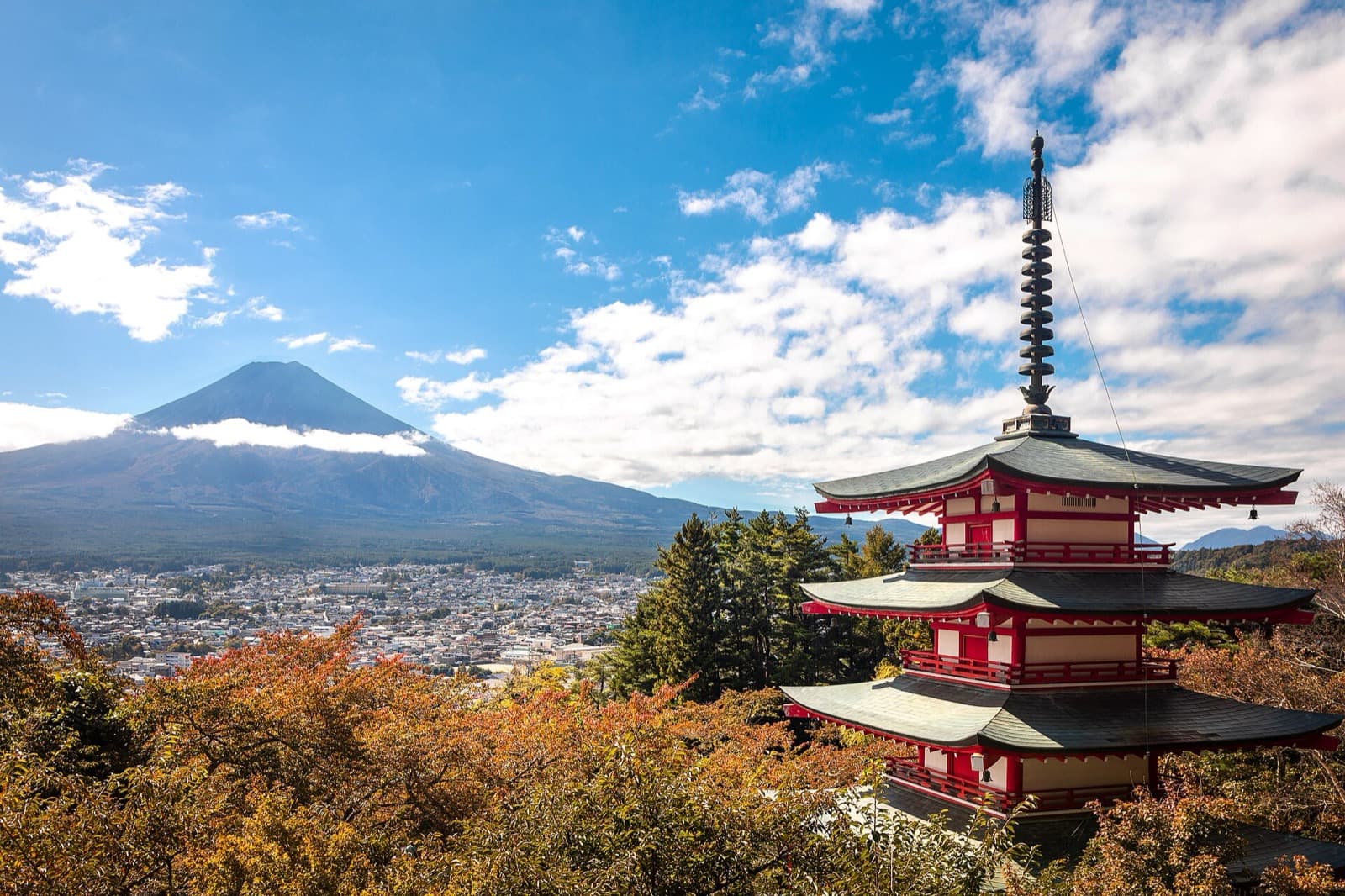
Kawaguchiko Autumn Crowds 2026: Momiji Kairo and Fuji
Lake Kawaguchi peaks in early-to-mid November. The Momiji Kairo maple tunnel is the festival's main site, and it fills twice a day — morning for Fuji, evening for the illumination.
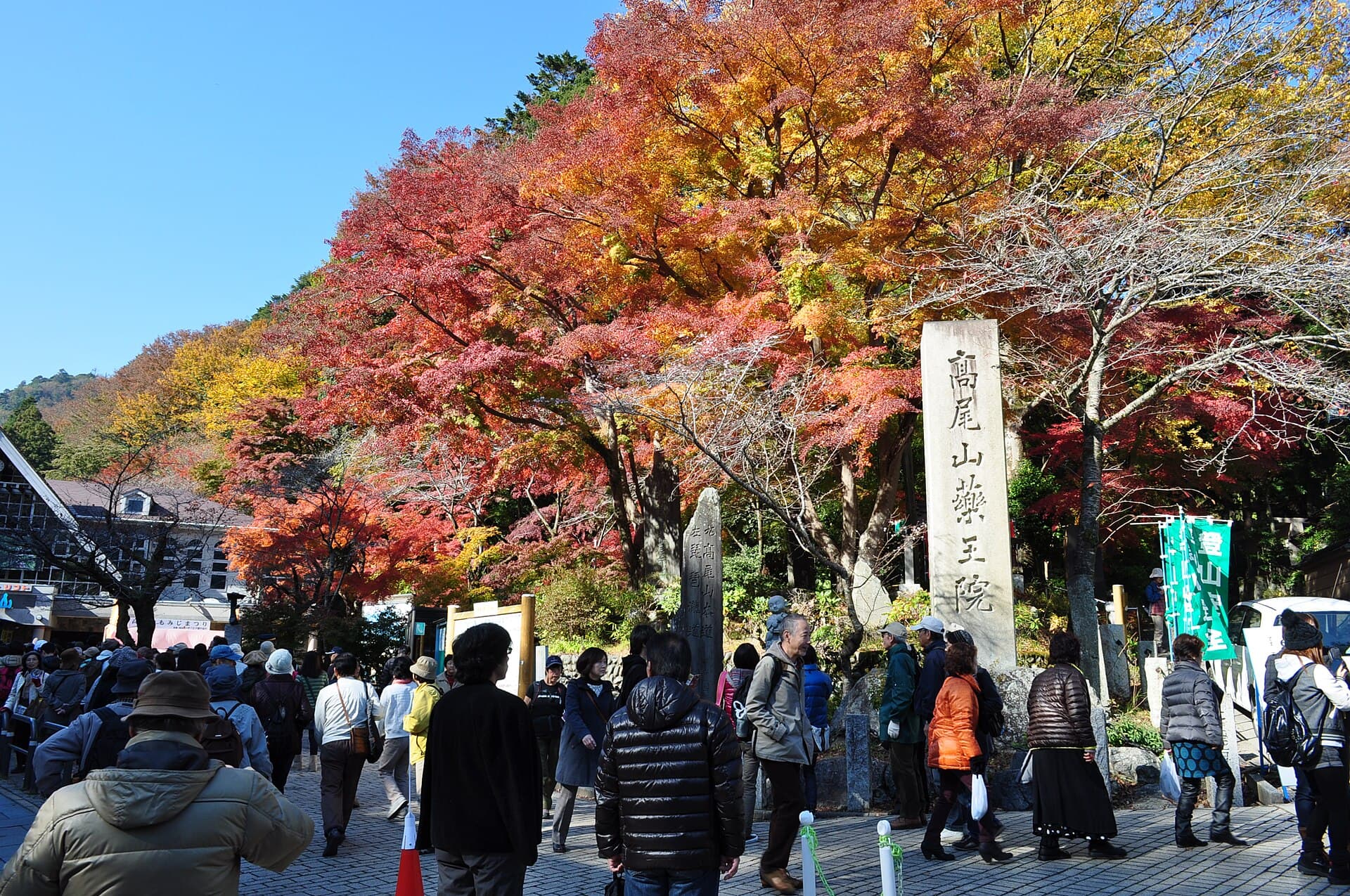
Mount Takao Autumn Crowds 2026: The Cable Car Queue
Takao's foliage peaks mid-November to early December, its busiest month of the year. The cable car can run to a two-hour wait — when to arrive, and when walking is simply faster.
Tokyo Autumn Leaves 2026: Why the Ginkgo and Maples Miss Each Other
Tokyo peaks late November to mid-December, and the ginkgo runs two weeks ahead of the maples. Rikugien and Koishikawa Korakuen both ticket their night openings — dates, and how the crowds actually work.