
Japanese Denim Sizing: Raw, One-Wash and Hemming
Choose Japanese jeans by measurements, wash state and shrinkage. What to check before hemming, plus care advice grounded in manufacturers' instructions.
Some travel links on The Standard Japan are affiliate links. If you book through one, we may earn a commission at no extra cost to you.
A pair that fits in the changing room can become too short after its first wash. Establish the fabric's wash state before deciding the size or asking for a hem. That matters especially when you are buying on holiday and cannot easily return to the shop.
This is a desk-researched buying guide, not a wear test. Manufacturer guidance was checked on 30 October 2026. The examples below describe particular products or fabrics, not every pair made in Japan.
Raw, sanforized and one-wash are different labels
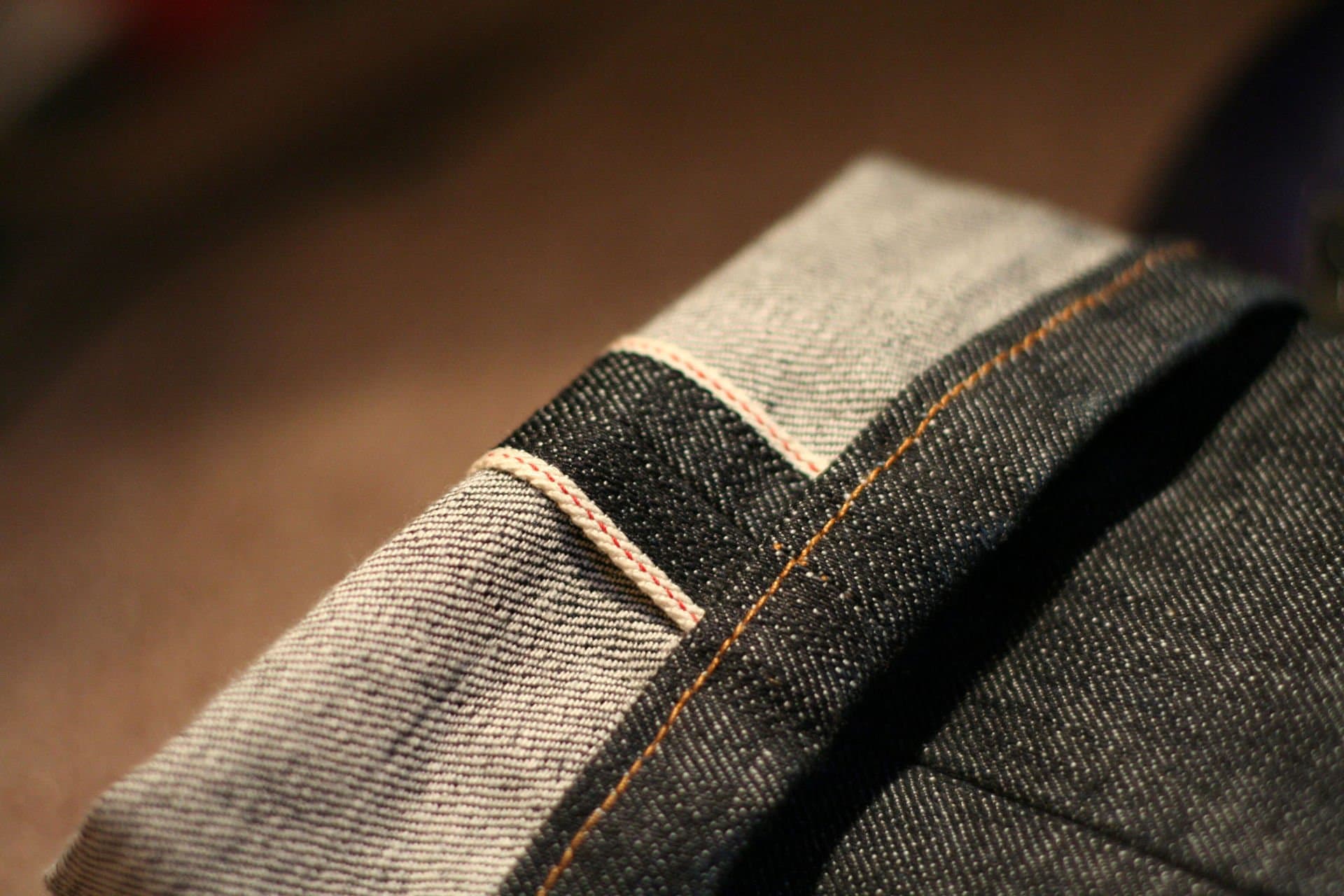
Raw usually describes denim sold without a garment wash. Sanforized describes a fabric treatment intended to reduce later shrinkage. One-wash tells you the jeans have already been washed. Selvedge is the finished fabric edge: seeing it inside a turned-up cuff does not tell you how much the jeans will shrink.
Manufacturers also use terminology differently. Iron Heart uses “raw” in its care guide for its untreated, loom-state fabric and separates that from its other denim categories. Always read the product description alongside the headline label.
These are purchase questions, not a universal shrinkage chart. The maker's instructions for the exact fabric take priority.
| Product description | What it tells you | What to ask the shop |
|---|---|---|
| Raw / unwashed | No garment wash has been applied | Is it sanforized, and what are the expected washed measurements? |
| Unsanforized / loom-state | Fabric has not had that shrink-control treatment | Is this pair sold raw or already washed? |
| One-wash | A wash has already been applied | What shrinkage remains under the stated care instructions? |
| Selvedge | A construction detail at the fabric edge | What are the separate wash-state and care specifications? |
Source: Iron Heart product care guidelines; FULLCOUNT 1109XX product specifications
For a first purchase, a pair sold in its intended washed size is easier to assess. That is a fitting advantage, not a claim that one-wash denim is better quality.
Measure a pair that already works
Before leaving home, take measurements from jeans you enjoy wearing. Use the prospective seller's method: Iron Heart's measuring guide illustrates waist, front and rear rise, thigh, knee, inseam and hem opening, and notes that methods can differ between brands.
The useful comparison is between garments measured the same way. Your body waist circumference and a trouser waistband measurement are not interchangeable without knowing how the seller measures.
- Waist: can you fasten the pair and sit comfortably? Ask how that particular fabric changes with wear and washing.
- Rise and seat: does the waistband sit where you want it, without pulling across the seat?
- Thigh and knee: try sitting and bending. A larger waist in a narrow cut may still leave too little room in the leg.
- Inseam and opening: wear the shoes you intend to use, and decide whether you want a cuff before marking the hem.
Do not translate “Japanese size” into a blanket instruction to size up or down. If the thigh or rise is wrong, try another cut before assuming a different waist number will solve it.
Use model-specific shrinkage, not an internet percentage
For a concrete example, FULLCOUNT's 1109XX page offers raw and one-wash versions and states that its raw model shrinks about 8–10% after washing. It also warns of individual measurement variation. That is guidance for the specified product, not a percentage to apply to all Japanese jeans.
Send the shop your comparison measurements and ask which size reaches them after the recommended wash. Keep the model number and fabric code with the reply. A generic brand size chart may not settle the question for a different cloth or finish.
Settle shrinkage before hemming
Ask these questions before the scissors come out:
- Is the displayed inseam measured before or after the recommended initial wash?
- Does this fabric need a soak or wash before wearing or hemming?
- What length should remain for your preferred cuff?
- When will the alteration be ready, and can you collect it before leaving Japan?
- Does alteration change the shop's exchange or return conditions?
A chainstitch hem is a construction choice, not proof that the length will stay correct. If remaining shrinkage is unresolved, ask whether to wash first and arrange hemming later. Do not rely on universal same-day service, particularly for heavy fabric or mail orders.
When should you wash Japanese denim?
There is no universal six-month waiting period. Japan Blue Jeans' care FAQ recommends regular washing during use and explains that accumulated dirt and body oils can harm the cloth. Its instructions include washing separately, inside out, with suitable detergent and avoiding tumble drying.
Iron Heart's care guide distinguishes untreated UHR, 25oz XHS and its sanforized/one-washed denim. For example, it calls for the XHS fabric to be soaked or washed before wear. This is why an instruction copied from someone else's jeans can be wrong for yours.
Follow your label for water temperature, detergent, fastenings, spin and drying. If the label and a general online guide appear to disagree, ask the maker about the exact model. Keep new indigo denim away from pale clothing or upholstery until you understand its colour transfer.
What to bring to a denim shop
Bring your comparison measurements, intended shoes and a photograph of the silhouette you want. Tell the staff whether the jeans are for everyday commuting, hot-weather travel or occasional wear; heavier cloth is not automatically a better match.
For places to try pairs, use our Japanese denim shops guide. If you want shirts or jackets to wear with them, the Japanese workwear guide separates workwear, military reproduction and modern interpretations.
Questions before your first pair
Does selvedge mean raw? No. Selvedge describes the fabric edge. Check the product's wash state separately.
Should I buy Japanese jeans tight? Not as a universal rule. Compare the model's washed measurements and its specific stretch guidance, and try sitting down before buying.
Can one-wash denim shrink again? Check the maker's remaining-shrinkage and care guidance. A previous wash is not permission to use any temperature or drying method.
Should I hem jeans during a short Japan trip? Only after confirming the shrinkage plan, finished length, collection time and alteration policy. Otherwise, arrange the hem after the necessary wash at home.
Style Desk
The Standard Japan
Shopping and fashion in Japan: denim, vintage, streetwear, and where each scene actually lives.
Facts are taken from primary sources (operators, venues, official tourism and government pages) and dates and prices are checked on the day of writing. Pages are revised when those sources change.
Expertise
Japanese denim, vintage, streetwear, shopping districts
Have a question or a correction?
Ask us anything about Japanese Denim Sizing: Raw, One-Wash and Hemming, or tell us what we got wrong. We reply within 24 to 48 hours.
Related Stories
Japanese Denim in Tokyo: Brands and Stores Worth Visiting
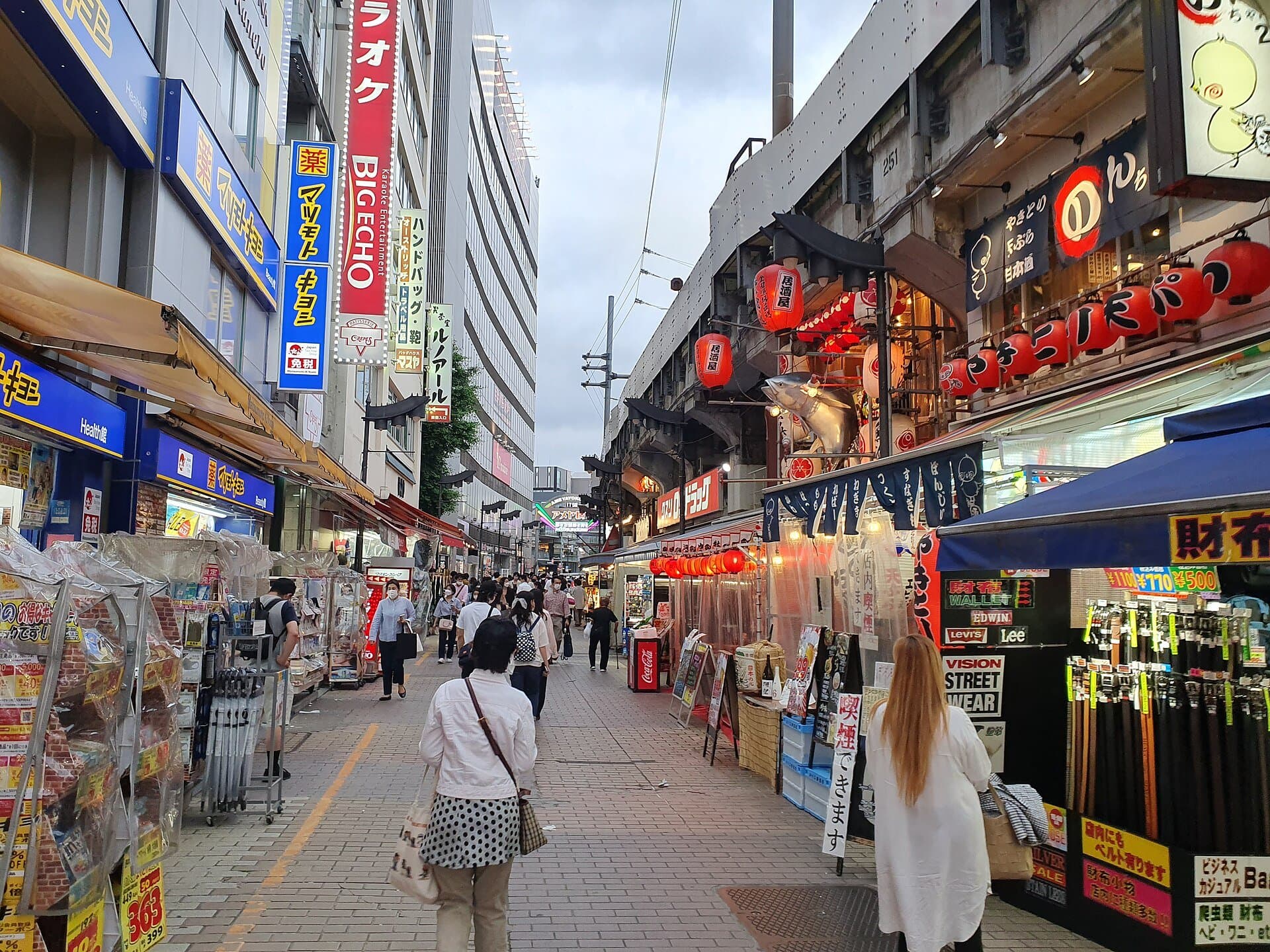
Where to compare Japanese jeans in Tokyo: Momotaro's own stores, Hinoya's Ueno branches, and when Kojima deserves a separate shopping trip.
Japanese Workwear Brands: What to Buy and Where
Compare Sugar Cane, Buzz Rickson's, WAREHOUSE and orSlow by garment and style, then use official stockists to plan a Japanese workwear shopping trip.

English-Speaking Clinics in Japan: Tokyo, Osaka, Kyoto (2026)
English-speaking doctors in Japan: Tokyo Medical and Surgical Clinic, St. Luke's and clinics in Osaka and Kyoto, and how insurance and payment work.