
Japan's Digital Nomad Visa Is Built for Almost No One
Japan's nomad visa was issued 646 times in 2025. The ¥10m income test gets the blame. Six months with no renewal or residence card does more damage.
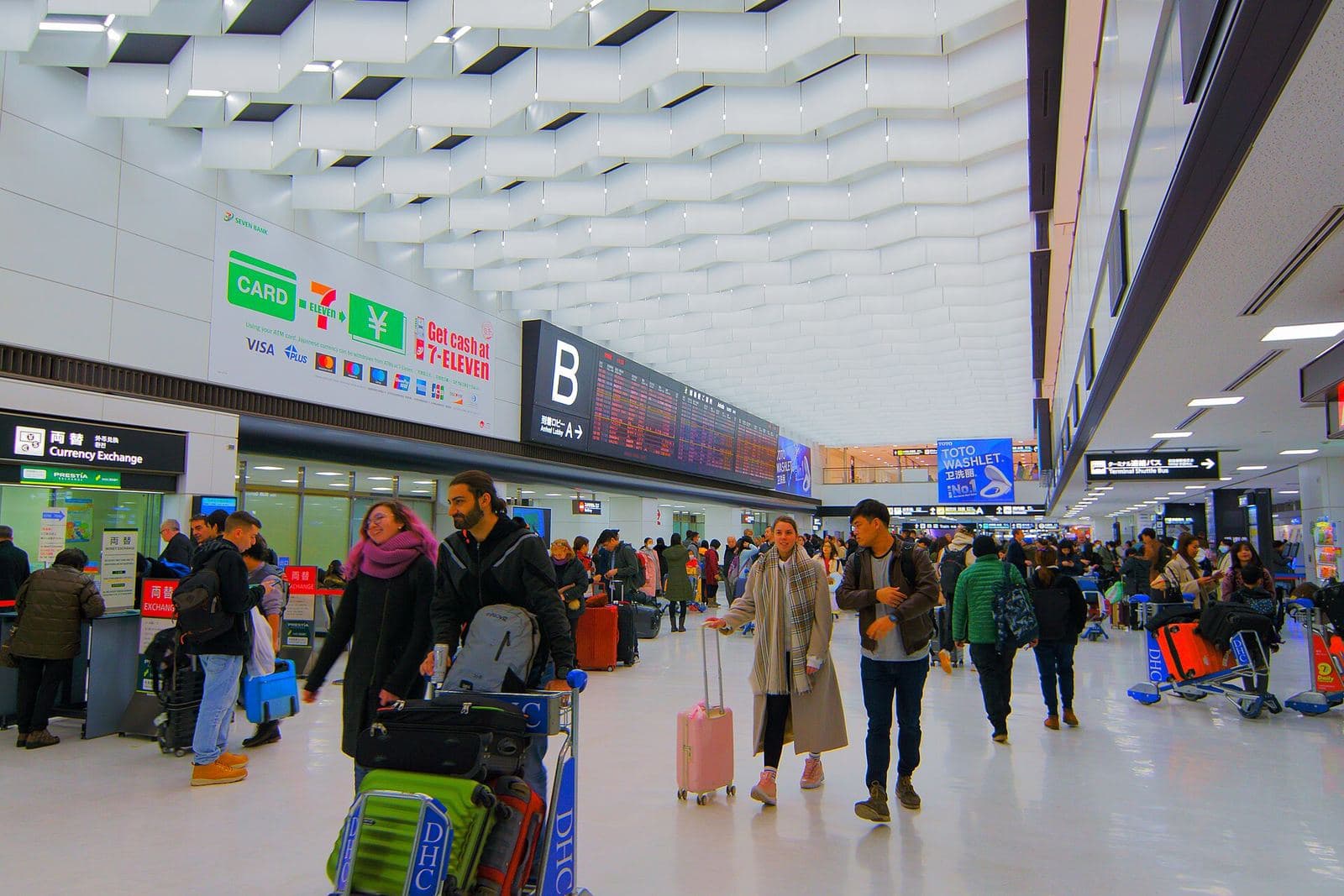
In 2025, Japan issued 646 digital nomad visas, according to Foreign Ministry figures compiled by the Japan Digital Nomad Association. The year before, in the nine months after the scheme opened, it issued 257.
Those numbers are growing, but from almost nothing. The usual explanation is the visa's income test of ¥10 million a year. That is part of the story, but a smaller part than it looks. The bigger problem is what the visa gives people once they qualify.
What the visa asks for, and what it gives
The visa is formally a "Designated Activities" status, and the Immigration Services Agency sets out its conditions. An applicant must:
- earn at least ¥10 million a year personally, at the time of applying;
- hold a passport from a country that has both a visa waiver and a tax treaty with Japan;
- carry private medical insurance covering death, injury and illness, with at least ¥10 million for treatment;
- work for a foreign employer or for clients outside Japan, not for anyone in Japan.
In return, the holder may stay six months. The status can't be renewed. After leaving, the holder must wait six months before using it again. And no residence card is issued.
The income test depends on where you are paid
Measured against Japanese pay, ¥10 million is a high bar. The National Tax Agency's 2024 salary survey put the average for full-year employees at ¥4.78 million, and only 6.2% earned more than ¥10 million.
But applicants are not paid in yen. With the dollar at roughly ¥155–160 for most of 2026, ¥10 million is about $62,000–65,000, an income many American, Australian and European professionals earn. For someone paid in Taiwan dollars or Korean won, the same test is much harder to pass. A fixed yen figure means the visa gets easier or harder to qualify for whenever the currency moves, and it falls most heavily on applicants from Japan's Asian neighbors, who make up most of its visitors.
So the income test explains some of the low numbers. It does not explain why so few of the many Western remote workers who could qualify have applied.
Six months without a residence card
The answer is in the stay itself. Six months without a residence card is long enough to need ordinary life and too short to get access to it. In Japan, most banks and many landlords and phone carriers ask foreigners for a residence card. A nomad without one is pushed back toward short-term rentals and travel SIMs for half a year.
That makes the visa barely better than what many applicants already have. Citizens of visa-waiver countries can enter as temporary visitors for up to 90 days, and a few nationalities can extend that to six months. Temporary visitor status is not meant for work, and the nomad visa exists to give remote workers clear legal ground. But when that ground comes with paperwork, insurance and an income check, and still no card, many people who qualify will simply not apply.
Why Japan should want these visitors
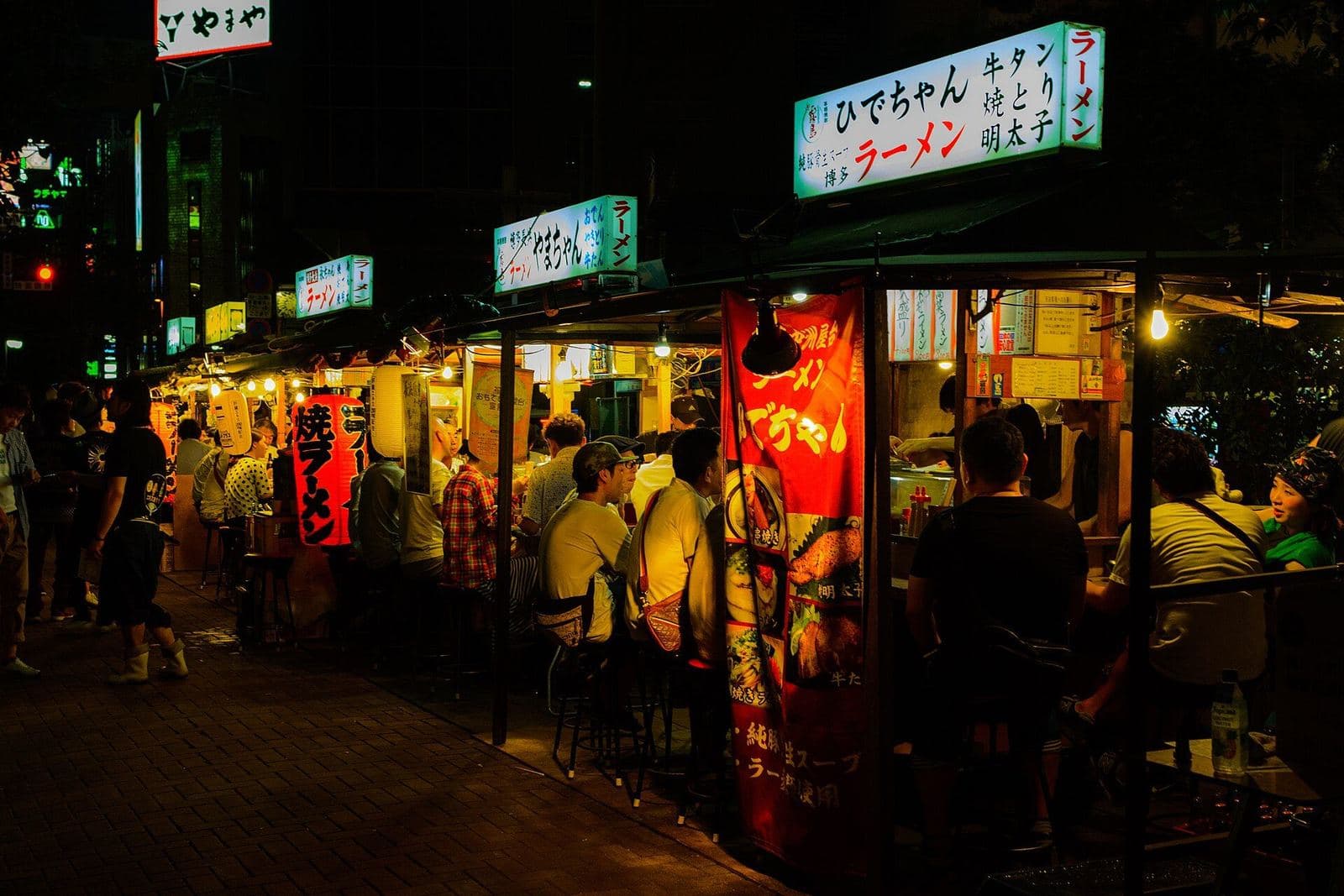
The government wants visitors to spread out across the country and across the year. A remote worker on a long stay can do both. They rent by the month rather than by the night, and have no need to be in Kyoto on a Saturday in November. Cities such as Fukuoka, Sapporo or Matsumoto, with good internet, lower rents and fewer tourists, suit that kind of stay, and they are the places Japan wants visitors to go.
The best case against
There are reasons for caution, and the visa's design reflects them. A stay of six months or less keeps holders clearly short of the length of stay at which tax residency usually becomes a question, which spares both sides complicated tax arrangements. The tax-treaty and insurance requirements appear designed to keep holders out of Japan's public health system and away from tax disputes. And the government may simply have wanted to start small and watch.
Those are fair reasons to start cautiously. After 903 visas in its first 21 months, the scheme has shown that its caution works. It has not shown that it attracts anyone.
What should change
Three changes would turn a symbolic visa into a working one:
- Allow one renewal, to a total of a year, so a stay can cover the quiet seasons and not just one. Holders who stay longer would need to sort out their tax position, as other long-stay residents do.
- Issue a residence card, so holders can open a bank account, sign a lease and spend like the temporary residents they are.
- Make the income test independent of the exchange rate, for example by setting it against the applicant's home-country earnings, so it does not tighten or loosen every time the yen moves.
None of these changes would bring in large numbers. The visa-waiver and tax-treaty requirements already limit the pool, and holders are covered by their own private insurance rather than Japan's public health insurance. What the changes would do is let the people who already qualify actually use the visa.
If you are planning a long stay now, our visa overview covers the other statuses, and the long-stay connectivity guide covers staying online for months without a contract.
Opinion Desk
The Standard Japan
Arguments about how Japan handles visitors and residents: pricing, crowds, visas, rules. Each column takes a side and shows its evidence.
Every fact in a column is taken from a primary source (ministries, statistics agencies, operators, city governments) and linked. The argument is the desk’s own; readers who disagree are invited to write in, and factual corrections are made in the text.
Expertise
Tourism policy, pricing, visas, travel economics
Have a question or a correction?
Ask us anything about Japan's Digital Nomad Visa Is Built for Almost No One, or tell us what we got wrong. We reply within 24 to 48 hours.
The Standard Newsletter
Tokyo in your inbox. Weekly.
One short email a week: what’s on in Japan, what to book before it sells out, and the guides we’ve just updated.
280+
Guides
Weekly
Editions
Free
Always
Get the weekly email.
One email a week. Unsubscribe anytime.
No spam. We never share your address.
Related Stories
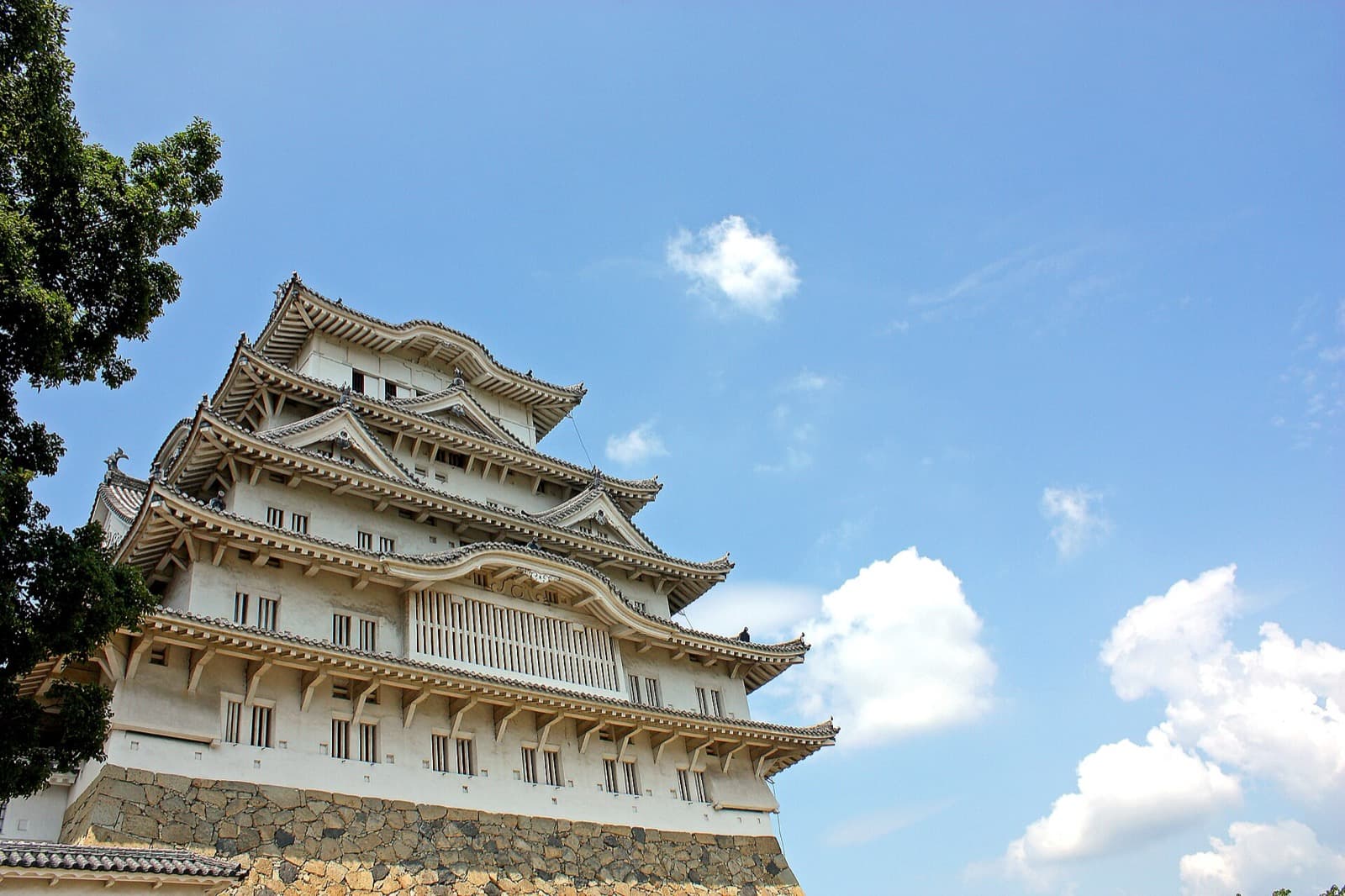
Japan's Dual Pricing Should Check Addresses, Not Passports
Himeji Castle now charges non-residents ¥2,500 and locals ¥1,000. That is fair. A price set by nationality would not be. Where you live is the right line.
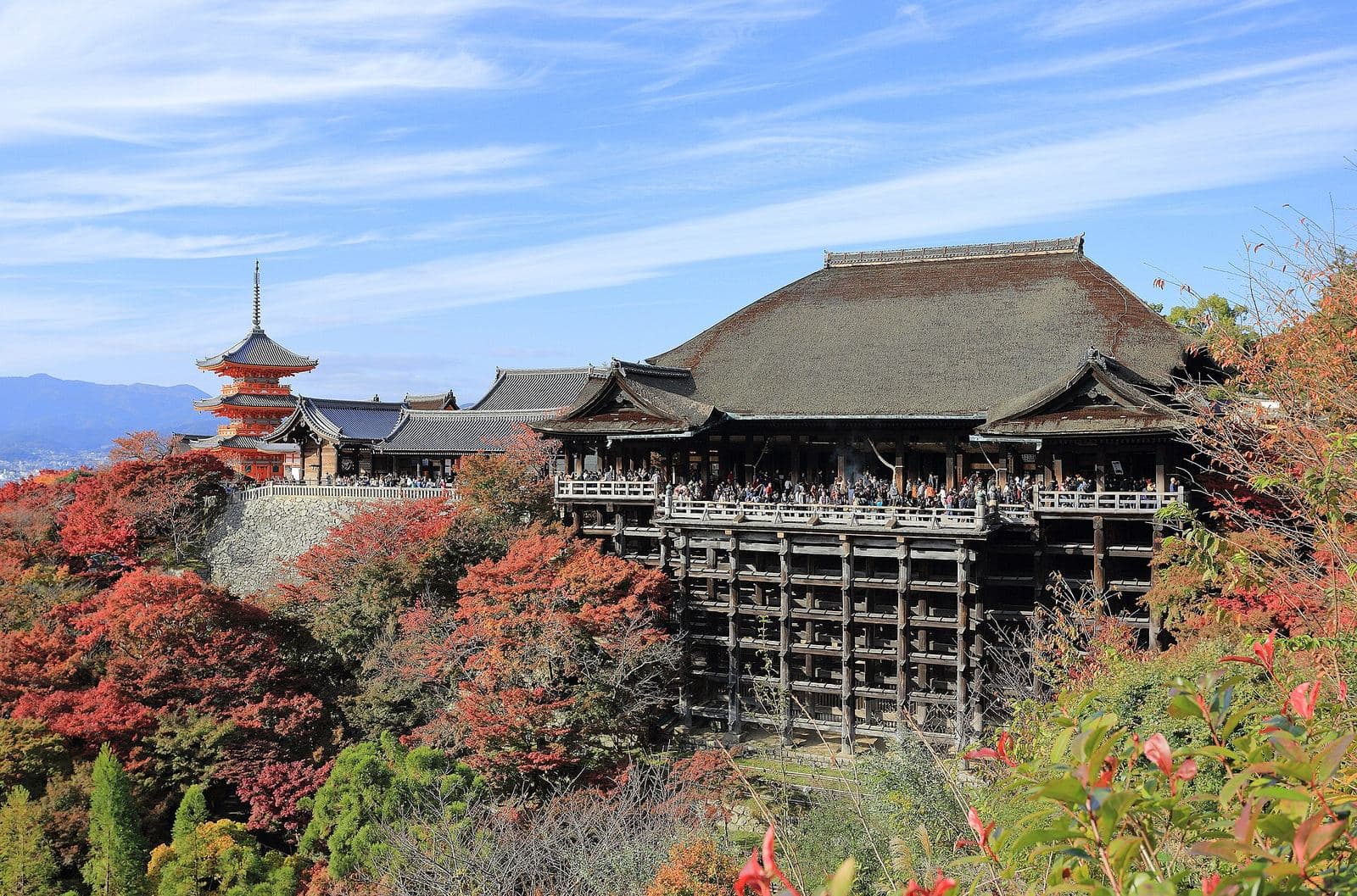
Japan's Overtourism Problem Is Really a Map Problem
Tokyo, Osaka and Kyoto took 57% of Japan's foreign hotel nights in 2025. A cap on visitors won't fix that. A price on the crowded places and hours will.
Restaurant No-Shows in Japan: Deposits Should Be the Norm
A 2018 study estimated that restaurant no-shows cost Japan about ¥200 billion a year. A deposit or card guarantee for every diner is the fairest fix.