
Restaurant No-Shows in Japan: Deposits Should Be the Norm
A 2018 study estimated that restaurant no-shows cost Japan about ¥200 billion a year. A deposit or card guarantee for every diner is the fairest fix.
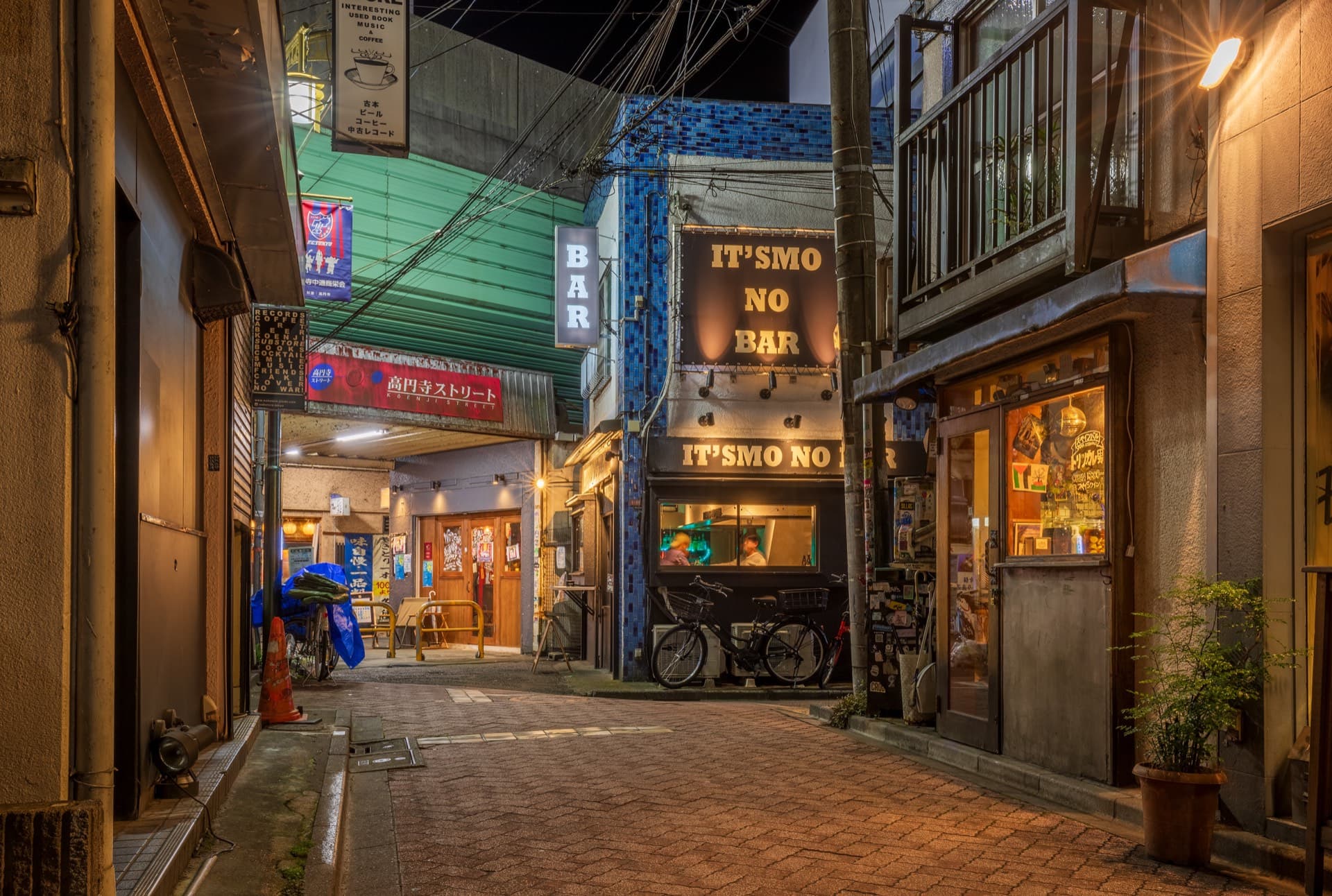
An izakaya takes a booking from a university club: 50 people, the ¥3,000 course. On the night, nobody comes, and nobody calls to cancel. The food is already prepared and the staff are already on shift.
That case is not invented. It is one of the examples in a 2018 report on restaurant no-shows, written by a study group of lawyers, academics, industry bodies and booking-system companies, with Japan's Ministry of Economy, Trade and Industry and its agriculture ministry sitting in as observers. The report argued that restaurants may be able to charge for no-shows, provided the conditions are disclosed in advance and the fee does not exceed the restaurant's average loss. Eight years later, a disclosed deposit or card guarantee should be the norm wherever a booking commits a kitchen, and visitors should welcome it.
What a no-show costs
The 2018 report put no-shows at just under 1% of restaurant reservations, and repeated an estimate that they cost the industry around ¥200 billion a year. Adding same-day cancellations and those made one or two days ahead pushed the share of lost bookings above 6%, and its estimate of the loss to about ¥1.6 trillion.
These are historical estimates, not a current measurement. They predate the pandemic and the spread of online booking with card guarantees, and we found no newer national estimate. The share of high-end restaurants that already ask for a card is likely much higher now. The argument here is that the practice should be universal wherever a booking commits a kitchen, and clearly explained.
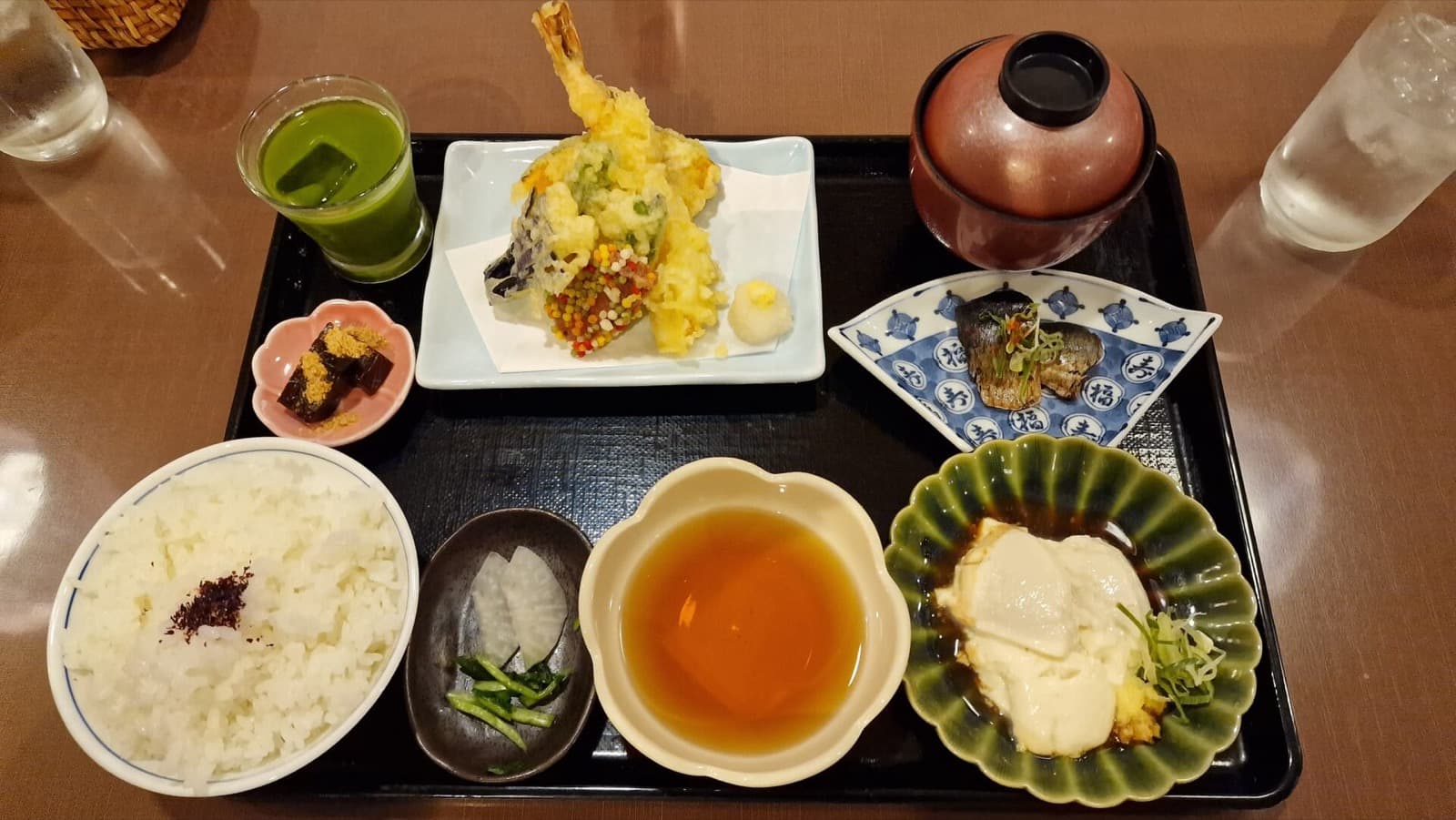
The loss falls hardest on small restaurants that cook to order for a fixed number of guests. A ten-seat counter serving one fixed menu buys fish for the guests it expects. If two seats go empty, the restaurant can't resell them at 8 p.m., and the fish does not keep. The report noted that restaurant revenue typically goes about 30% on ingredients, a little under 40% on labor and about 30% on fixed costs, leaving profit of a few percent. At a small counter, one empty booking can wipe out a night's profit.
Why a deposit is the fair fix
There are three ways for a restaurant to protect itself, and two of them are worse than a deposit.
It can overbook, which means some guests who do turn up wait or get turned away. It can refuse bookings from anyone it can't easily reach or chase for payment, which in practice tends to mean people without a Japanese phone number. Or it can ask everyone for a card guarantee or a deposit, and charge it only when someone fails to turn up or cancels too late.
The third option treats every diner the same. It doesn't ask anyone to prove they are trustworthy, or ask whether a guest lives in Japan. It puts the cost of a no-show on the person who caused it, not on the guests who keep their bookings and not on the restaurant.
How much is fair
A cancellation fee is compensation, not a fine. Japan's Consumer Contract Act caps what a business can charge for cancellation at the average loss it actually suffers, and the report worked inside that rule. For a fixed course, it said a restaurant may charge the full course price, minus whatever food and labor it can reuse elsewhere. For a table-only booking, where the menu isn't set, it suggested a share of the average spend per guest, and estimated that a late no-show leaves 50% to 70% of that spend unrecoverable.
Restaurants should also tell guests the policy before they book, in English as well as Japanese if they accept foreign guests, and make it easy to cancel. A guest who cancels several days ahead should pay nothing.
The best case against
Deposits have costs. They discourage casual bookings, and some restaurants depend on people who book loosely and usually come. Foreign cards are sometimes rejected by Japanese booking systems, so a card requirement can shut out visitors who would have turned up. And a restaurant that charges a fee may lose a regular who missed one dinner for a good reason.
Those are arguments for doing it well, not for not doing it: a deposit only where a booking commits food and staff, a cancellation window long enough to be fair, booking systems that accept foreign cards, and discretion for regulars. A no-show policy that nobody explains is the real problem.
What visitors should do
Treat a card guarantee as a normal part of booking, not as an accusation. Read the cancellation window before you confirm. If your plans change, cancel the moment you know, through the same booking system or by email, rather than hoping the seat will be filled. And if you booked through a hotel concierge, tell the concierge, since the restaurant will usually contact them first.
Our tipping guide covers what else is and isn't expected at the table. The short version is that Japan does not ask diners for much, but it does expect them to turn up.
Opinion Desk
The Standard Japan
Arguments about how Japan handles visitors and residents: pricing, crowds, visas, rules. Each column takes a side and shows its evidence.
Every fact in a column is taken from a primary source (ministries, statistics agencies, operators, city governments) and linked. The argument is the desk’s own; readers who disagree are invited to write in, and factual corrections are made in the text.
Expertise
Tourism policy, pricing, visas, travel economics
Have a question or a correction?
Ask us anything about Restaurant No-Shows in Japan: Deposits Should Be the Norm, or tell us what we got wrong. We reply within 24 to 48 hours.
The Standard Newsletter
Tokyo in your inbox. Weekly.
One short email a week: what’s on in Japan, what to book before it sells out, and the guides we’ve just updated.
280+
Guides
Weekly
Editions
Free
Always
Get the weekly email.
One email a week. Unsubscribe anytime.
No spam. We never share your address.
Related Stories
Japan's Digital Nomad Visa Is Built for Almost No One
Japan's nomad visa was issued 646 times in 2025. The ¥10m income test gets the blame. Six months with no renewal or residence card does more damage.
Japan's Dual Pricing Should Check Addresses, Not Passports
Himeji Castle now charges non-residents ¥2,500 and locals ¥1,000. That is fair. A price set by nationality would not be. Where you live is the right line.
Japan's Overtourism Problem Is Really a Map Problem
Tokyo, Osaka and Kyoto took 57% of Japan's foreign hotel nights in 2025. A cap on visitors won't fix that. A price on the crowded places and hours will.