
Japan's Dual Pricing Should Check Addresses, Not Passports
Himeji Castle now charges non-residents ¥2,500 and locals ¥1,000. That is fair. A price set by nationality would not be. Where you live is the right line.
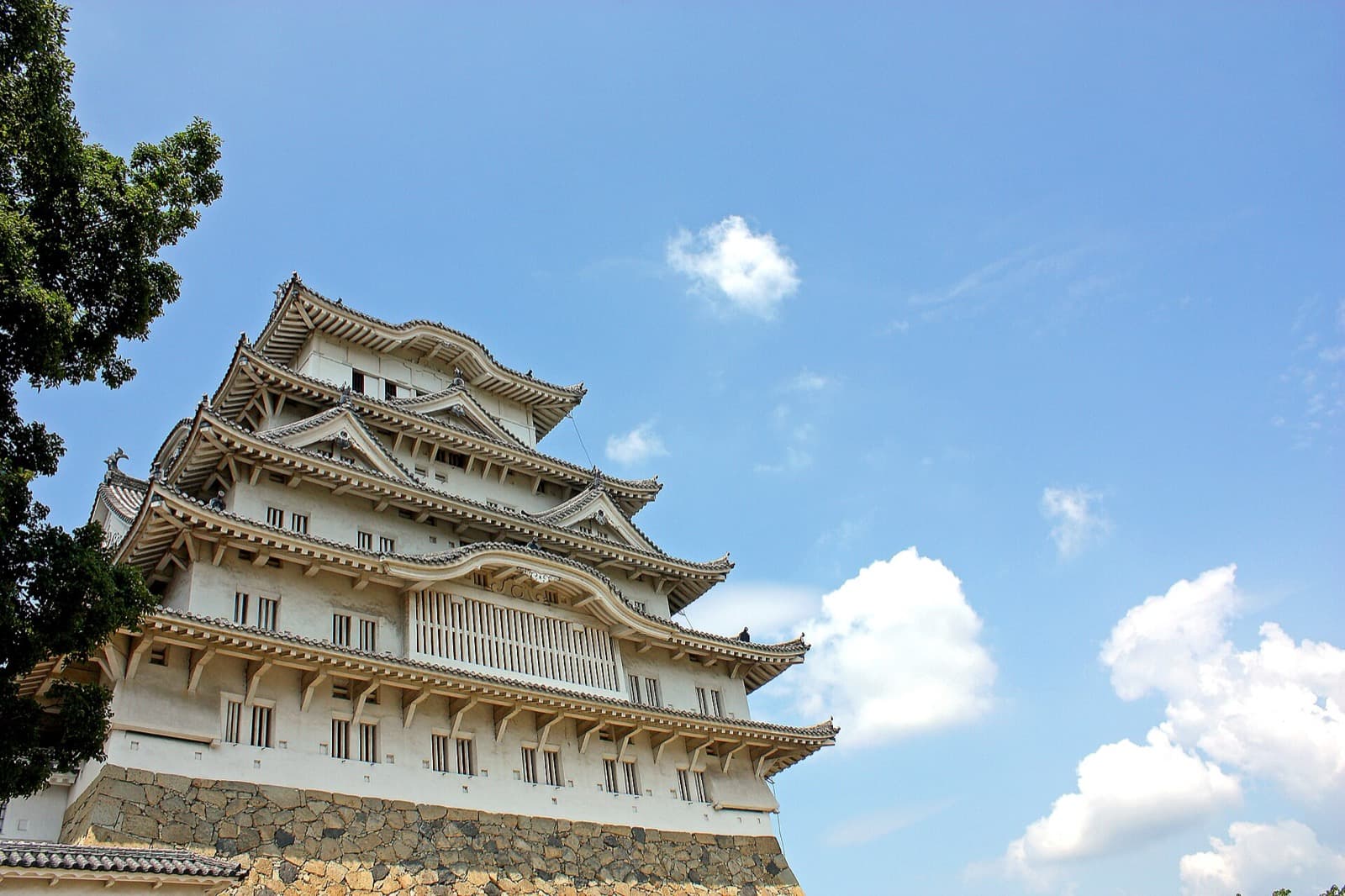
In June 2024 Himeji's mayor, Hideyasu Kiyomoto, said at an international conference that he would like foreign visitors to pay about $30 to enter Himeji Castle and residents about $5. The remark went around the world as a proposal to charge foreigners more.
What the city actually did is better than what the mayor first said. Since 1 March 2026, the castle's adult admission has been ¥1,000 for people who live in Himeji and ¥2,500 for everyone else. A Japanese family visiting from Tokyo pays the higher price. A Brazilian engineer living in Himeji pays the lower one. Under-18s enter free, whatever their passport.
That shift, from nationality to address, is the right line for the rest of Japan to follow.
Why locals can fairly pay less
The case for charging residents less has nothing to do with who deserves Japan more. It is about who already pays.
Himeji's residents pay local taxes that maintain the castle grounds, the streets around it and the services visitors use. They live with the crowds every day of the year, not on one day of a trip. A visitor arrives, uses the place for an afternoon and leaves. Asking that visitor to pay closer to the real cost, including the stone walls, the plaster and the craftsmen who keep the castle standing, is a price, not a penalty.
Japanese towns already work this way in quieter corners. Municipal pools and sports halls commonly charge residents less than outsiders, and this is widely accepted as a fair distinction. The line runs between people who fund a facility through local taxes and people who don't.
Why nationality is the wrong line
A price set by passport fails on every one of those grounds.
A foreign resident of Himeji pays the same local taxes as a Japanese neighbor. Charging them the tourist rate because of the passport in their drawer has nothing to do with who funds the castle. It only sorts people by origin. Japan had 4.13 million foreign residents at the end of 2025, a record, according to the Immigration Services Agency. A two-tier system that lumped them in with tourists would tell every one of them that they are guests, however many years they have paid in.
Nationality pricing is also hard to enforce. A ticket office can't tell a foreign resident from a tourist by looking at them, so staff end up asking for passports or judging by face and language. That is how a pricing rule becomes a scene at a counter, and the damage to the destination's reputation can easily outweigh the extra revenue.
Address pricing avoids both problems. It asks whether someone lives in the city, which Himeji checks against official ID that shows an address there, such as a My Number card or driver's license. That is a document check, with its own friction at a busy gate, but it is a check of residence rather than origin.
Does it work?
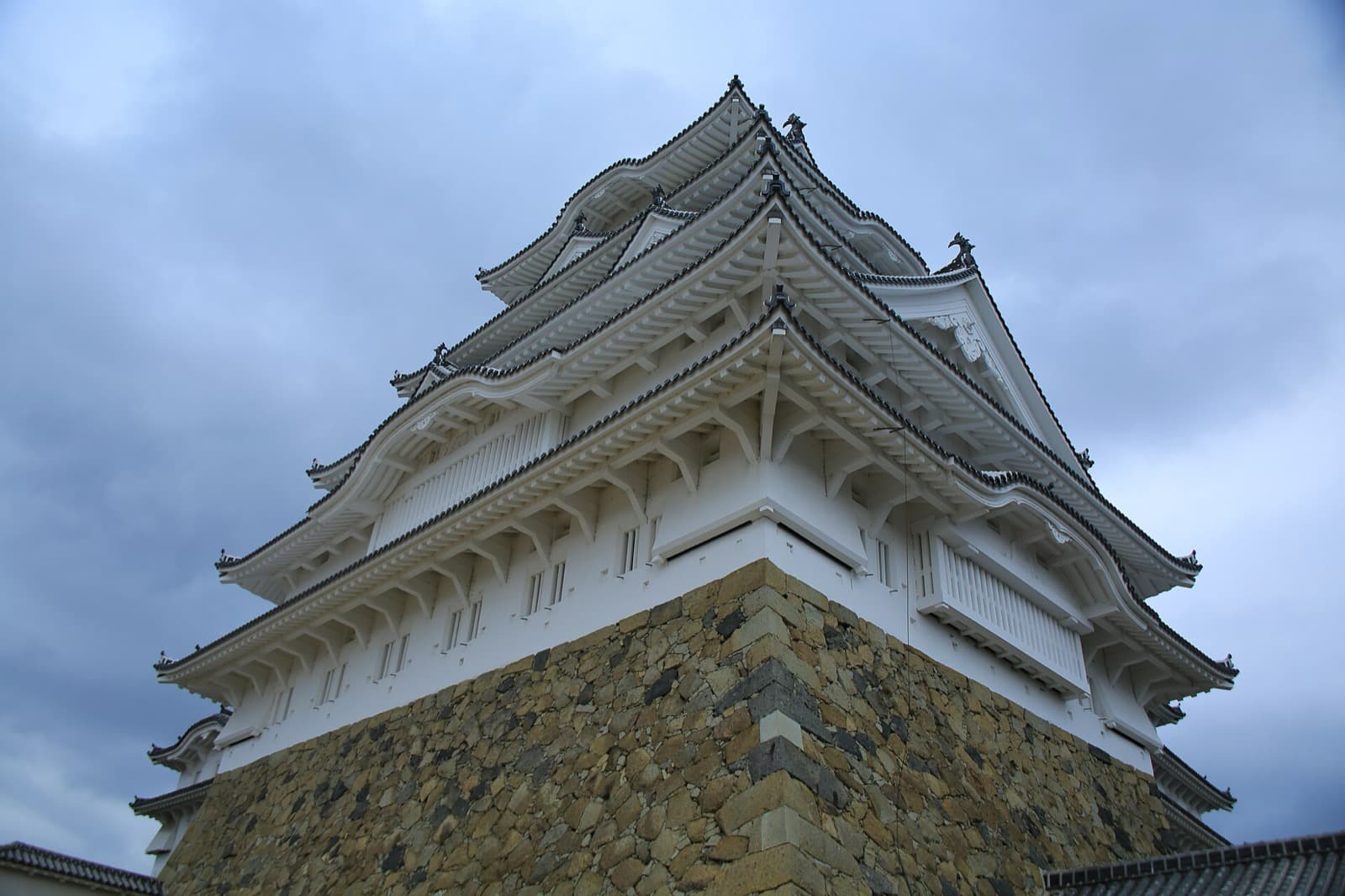
Himeji's first month produced the kind of result the policy was designed to achieve. The city told the Kobe Shimbun that castle visitors in March 2026 were down by just under 20% on a year earlier, and that ticket revenue was projected to roughly double. One month cannot show how much of that was the price and how much was other factors such as weather or the calendar. But fewer people inside a crowded 17th-century wooden keep, and more money for its upkeep, is the outcome a site like this needs.
Kyoto is about to test the idea on a much larger scale. The city plans to charge residents ¥200 a ride on its city buses, down from ¥230, and everyone else ¥350 to ¥400. Residents would be recognized automatically by an IC card linked to their My Number card. As of September 2026 the city was in final talks with the transport ministry and aiming to start during fiscal 2027. If it works, it answers a long-running complaint in Kyoto, that residents struggle to board buses full of sightseers, with a price rather than a ban.
The best case against
The strongest objection is that Himeji's residents are not the only people who pay for the castle. It is a National Treasure and a World Heritage site, and major repairs to designated cultural properties in Japan draw on national government subsidies, so a taxpayer in Tokyo has contributed too. A second objection is that the line at the city boundary is arbitrary: someone from a neighboring town who works in Himeji pays the full price.
Both points are fair, and they argue for a modest gap rather than none. Residents carry the costs that national subsidies do not cover: the daily crowds, the traffic, the strain on local services. A ¥1,500 difference reflects that local burden without claiming the castle belongs to the city alone. The boundary will always leave someone just outside it, as it does at every municipal pool.
What it should not become
There is a version of this that goes wrong. If every site in Japan adds a non-resident surcharge, visitors pay more everywhere and the crowds stay where they are. Dual pricing should be kept for places that are both crowded and expensive to maintain: a castle, a famous garden, a bus route that serves temples. It is a tool for a crowded place, not a general tax on being a visitor.
Japan already charges for use rather than by passport elsewhere. Kyoto's lodging tax applies to every overnight guest and Mount Fuji's ¥4,000 fee to every climber, Japanese or not. For what each costs, see our accommodation tax guide and our Himeji day-trip notes.
The principle is simple enough to write on a ticket booth: residents pay less because they already pay. It holds up for the Japanese tourist and the foreign neighbor alike, which is why it is the only version of dual pricing worth defending.
Opinion Desk
The Standard Japan
Arguments about how Japan handles visitors and residents: pricing, crowds, visas, rules. Each column takes a side and shows its evidence.
Every fact in a column is taken from a primary source (ministries, statistics agencies, operators, city governments) and linked. The argument is the desk’s own; readers who disagree are invited to write in, and factual corrections are made in the text.
Expertise
Tourism policy, pricing, visas, travel economics
Have a question or a correction?
Ask us anything about Japan's Dual Pricing Should Check Addresses, Not Passports, or tell us what we got wrong. We reply within 24 to 48 hours.
The Standard Newsletter
Tokyo in your inbox. Weekly.
One short email a week: what’s on in Japan, what to book before it sells out, and the guides we’ve just updated.
280+
Guides
Weekly
Editions
Free
Always
Get the weekly email.
One email a week. Unsubscribe anytime.
No spam. We never share your address.
Related Stories
Japan's Digital Nomad Visa Is Built for Almost No One
Japan's nomad visa was issued 646 times in 2025. The ¥10m income test gets the blame. Six months with no renewal or residence card does more damage.
Japan's Overtourism Problem Is Really a Map Problem
Tokyo, Osaka and Kyoto took 57% of Japan's foreign hotel nights in 2025. A cap on visitors won't fix that. A price on the crowded places and hours will.
Restaurant No-Shows in Japan: Deposits Should Be the Norm
A 2018 study estimated that restaurant no-shows cost Japan about ¥200 billion a year. A deposit or card guarantee for every diner is the fairest fix.