
Skip Cherry Blossom Season on Your First Trip to Japan
Tokyo's full bloom has landed anywhere from 22 March to 4 April in the last four years. Booking a first trip months ahead around that window is a bad bet.
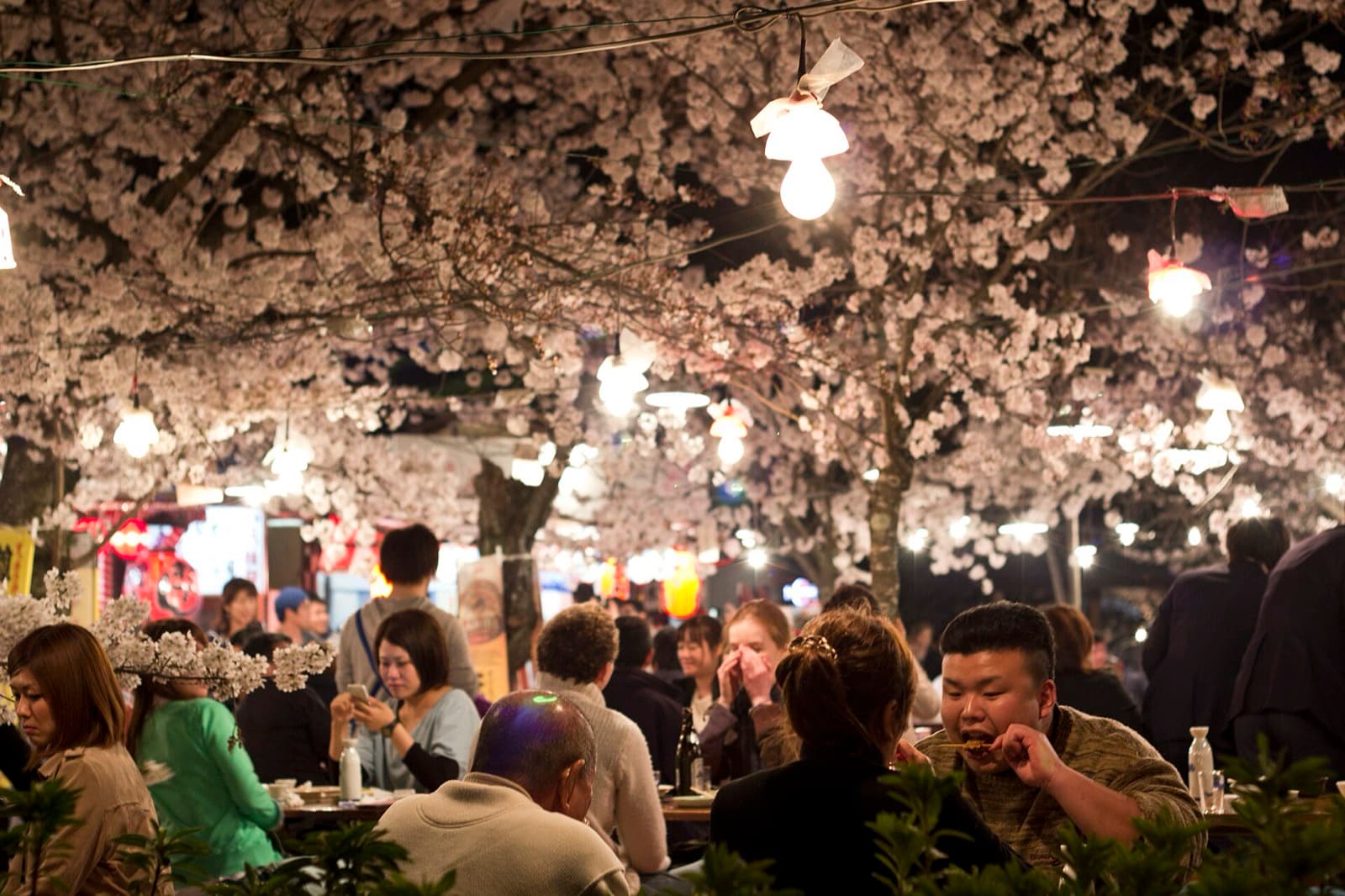
Every year, many people book their first trip to Japan for the first week of April. In some years they arrive after Tokyo's peak, as the petals are already falling.
Cherry blossom season is beautiful, and seeing it is worth a trip. It is usually a poor foundation for a first one. A first visit to Japan has enough to manage already, and the bloom adds a date you can't control in the busiest weeks of spring.
The date moves, and you book before it does
The Japan Meteorological Agency watches a sample tree at Yasukuni Shrine and declares full bloom in Tokyo when about 80% of its blossoms are open. Over the last four years that day has moved by almost two weeks.
Somei-yoshino sample tree at Yasukuni Shrine. The 1991–2020 average is 31 March.
| Year | Full bloom in Tokyo | Compared with average |
|---|---|---|
| 2023 | 22 March | 9 days early |
| 2024 | 4 April | 4 days late |
| 2025 | 30 March | 1 day early |
| 2026 | 28 March | 3 days early |
Source: Japan Meteorological Agency, Tokyo Regional Headquarters
In any one place, full bloom typically lasts around a week before the petals start to fall, and rain or wind can shorten it. Meanwhile most international visitors book flights and hotels months in advance, long before the first private forecasts appear (the Meteorological Agency has not published its own since 2010). A traveler who booked Tokyo for 1 to 7 April arrived at full bloom in 2024, but more than a week after the 2023 peak, with no way to know which year it would be when they paid.
It is also the busiest time to arrive
The blossoms bring everyone else too. Japan received 3.91 million visitors in April 2025, 28.5% more than a year before, and the Japan National Tourism Organization put the rise down partly to cherry blossom season. Japanese travelers are out in force too: spring break, hanami parties and the run-up to Golden Week all land in the same weeks.
For a first-timer, that means paying peak prices for rooms, and spending more of the day in queues at exactly the places they came to see. In Kyoto, the famous blossom spots are also the famous temple spots, so the crowds stack on top of each other.
When a first trip should go instead
A first trip should be planned around what you want to do, in weather that lets you do it. Two windows suit most people better than the blossoms:
- The second half of May. Golden Week ends in the first days of the month, the weather is warm without summer humidity, and the rainy season usually doesn't start until June. Our best time to visit guide covers this window in more detail.
- Late October. Autumn is settling in, the summer heat has gone, and the busiest leaf-peeping weeks in Kyoto, which usually come in mid to late November, haven't started. See the autumn calendar for how the season moves south.
Neither window will give you the pictures that cherry blossom season does. Both give you a better chance of a first trip that goes the way you planned.
The best case against
The strongest objection is that the risk is smaller than these dates suggest. The blossoms do not peak everywhere on the same day: Kyoto and Osaka often peak a few days after Tokyo, cooler hillsides later still, and late-flowering varieties such as double-flowered yaezakura bloom well into April. A first-timer moving between Tokyo and Kansai in early April will usually see some blossoms somewhere. And for many people the blossoms are the reason for the trip, not a bonus.
That is fair. If cherry blossoms are the point of your trip, go, book flexible rates, and plan to chase them. The argument here is for everyone else: the first-timer who wants to see Japan and is choosing spring because it seems like the obvious time. The other windows have risks too. Late October is still within typhoon season, which our best time to visit guide covers. But a typhoon usually costs a day or two, while a missed peak takes away the reason the trip was timed for spring.
See the blossoms on your second trip
The blossoms are worth seeing, just with a different plan. On a second trip you already know how to get around, so you can book late, watch the forecasts, and move with the bloom. It doesn't happen everywhere at once. Sapporo's average full bloom is 6 May, more than a month after Tokyo's, and in 2026 the Meteorological Agency's Sapporo office recorded it on 24 April. A flexible traveler can follow the season north. A first-timer on fixed dates usually can't.
If you are set on going in spring anyway, our 2027 cherry blossom forecast guide explains how to read the forecasts and when to book.
Opinion Desk
The Standard Japan
Arguments about how Japan handles visitors and residents: pricing, crowds, visas, rules. Each column takes a side and shows its evidence.
Every fact in a column is taken from a primary source (ministries, statistics agencies, operators, city governments) and linked. The argument is the desk’s own; readers who disagree are invited to write in, and factual corrections are made in the text.
Expertise
Tourism policy, pricing, visas, travel economics
Have a question or a correction?
Ask us anything about Skip Cherry Blossom Season on Your First Trip to Japan, or tell us what we got wrong. We reply within 24 to 48 hours.
The Standard Newsletter
Tokyo in your inbox. Weekly.
One short email a week: what’s on in Japan, what to book before it sells out, and the guides we’ve just updated.
280+
Guides
Weekly
Editions
Free
Always
Get the weekly email.
One email a week. Unsubscribe anytime.
No spam. We never share your address.
Related Stories
Japan's Digital Nomad Visa Is Built for Almost No One
Japan's nomad visa was issued 646 times in 2025. The ¥10m income test gets the blame. Six months with no renewal or residence card does more damage.
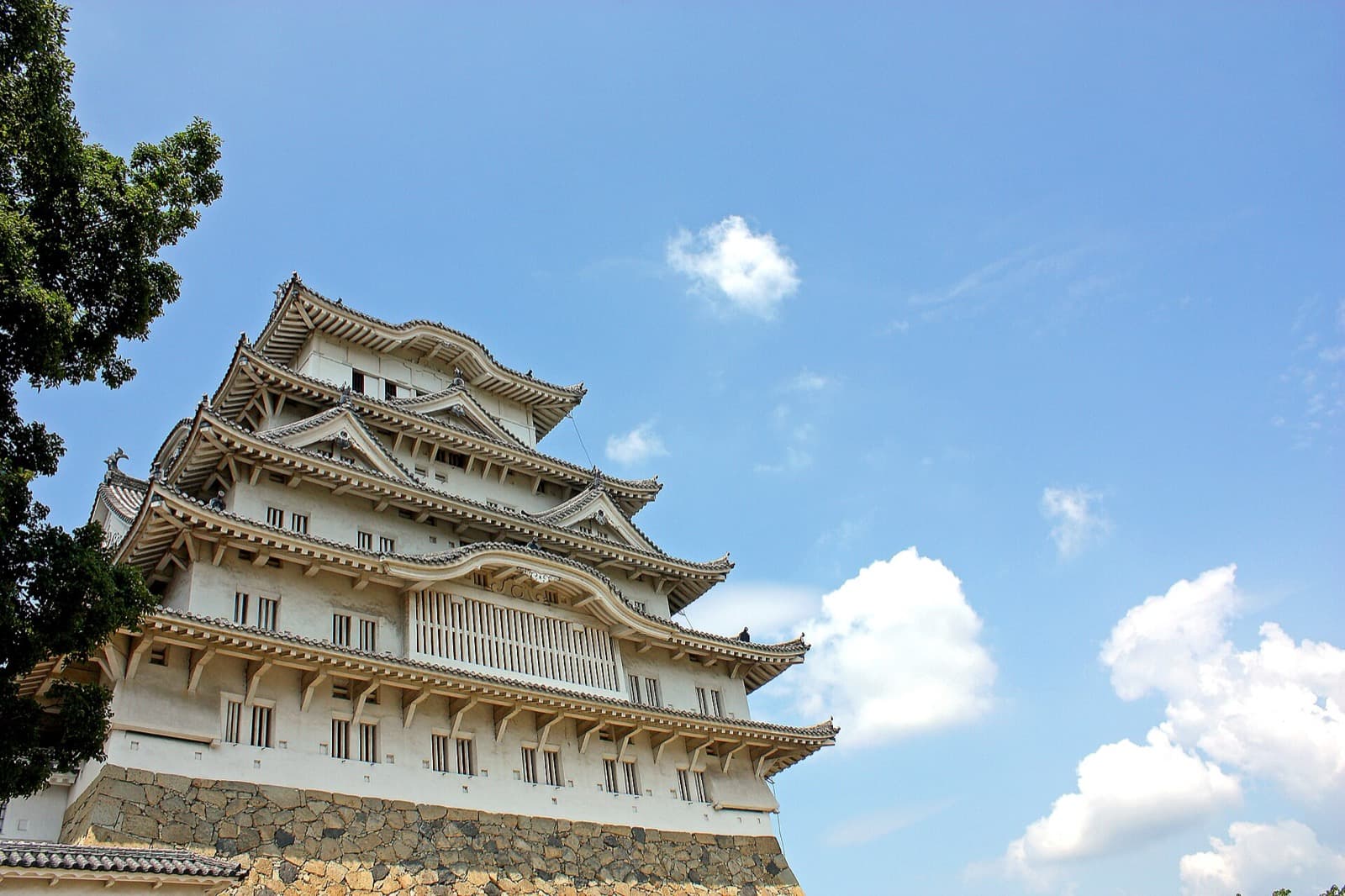
Japan's Dual Pricing Should Check Addresses, Not Passports
Himeji Castle now charges non-residents ¥2,500 and locals ¥1,000. That is fair. A price set by nationality would not be. Where you live is the right line.
Japan's Overtourism Problem Is Really a Map Problem
Tokyo, Osaka and Kyoto took 57% of Japan's foreign hotel nights in 2025. A cap on visitors won't fix that. A price on the crowded places and hours will.