
Tokyo Vintage Shopping Guide: Shimokitazawa, Koenji, Harajuku (2026)
Tokyo vintage by area: Shimokitazawa's 100-plus shops, Koenji's Safari, Berberjin in Harajuku for denim, Ragtag and Kindal on Cat Street for designer.
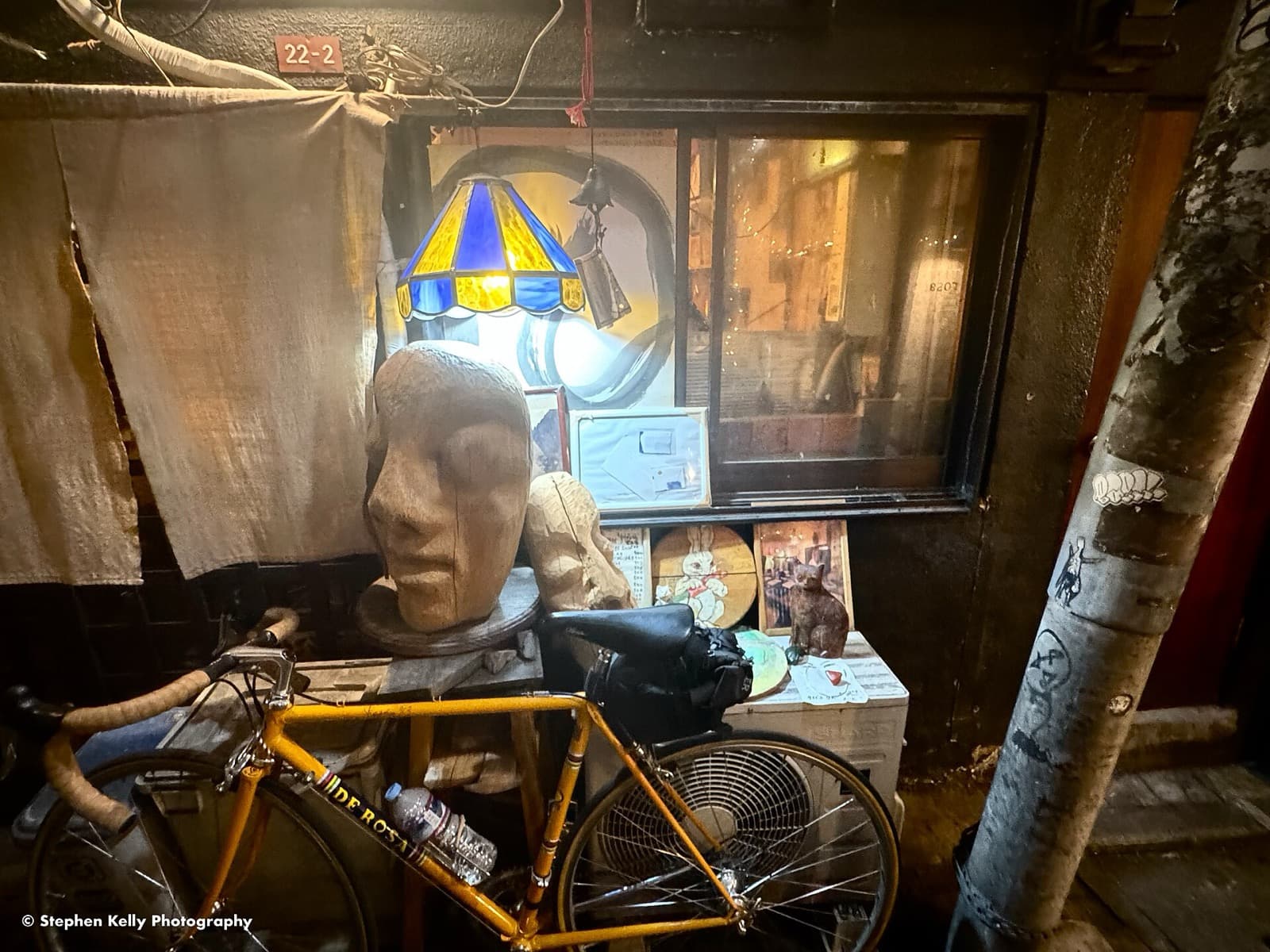
Tokyo's secondhand clothing splits by area. Shimokitazawa has the most shops and the widest range. Koenji is cheaper and rougher. Harajuku is where the serious American denim and the Japanese designer resale shops are. Prices are no longer thrift-store low, but the stock is deep and usually in good condition.
Shimokitazawa
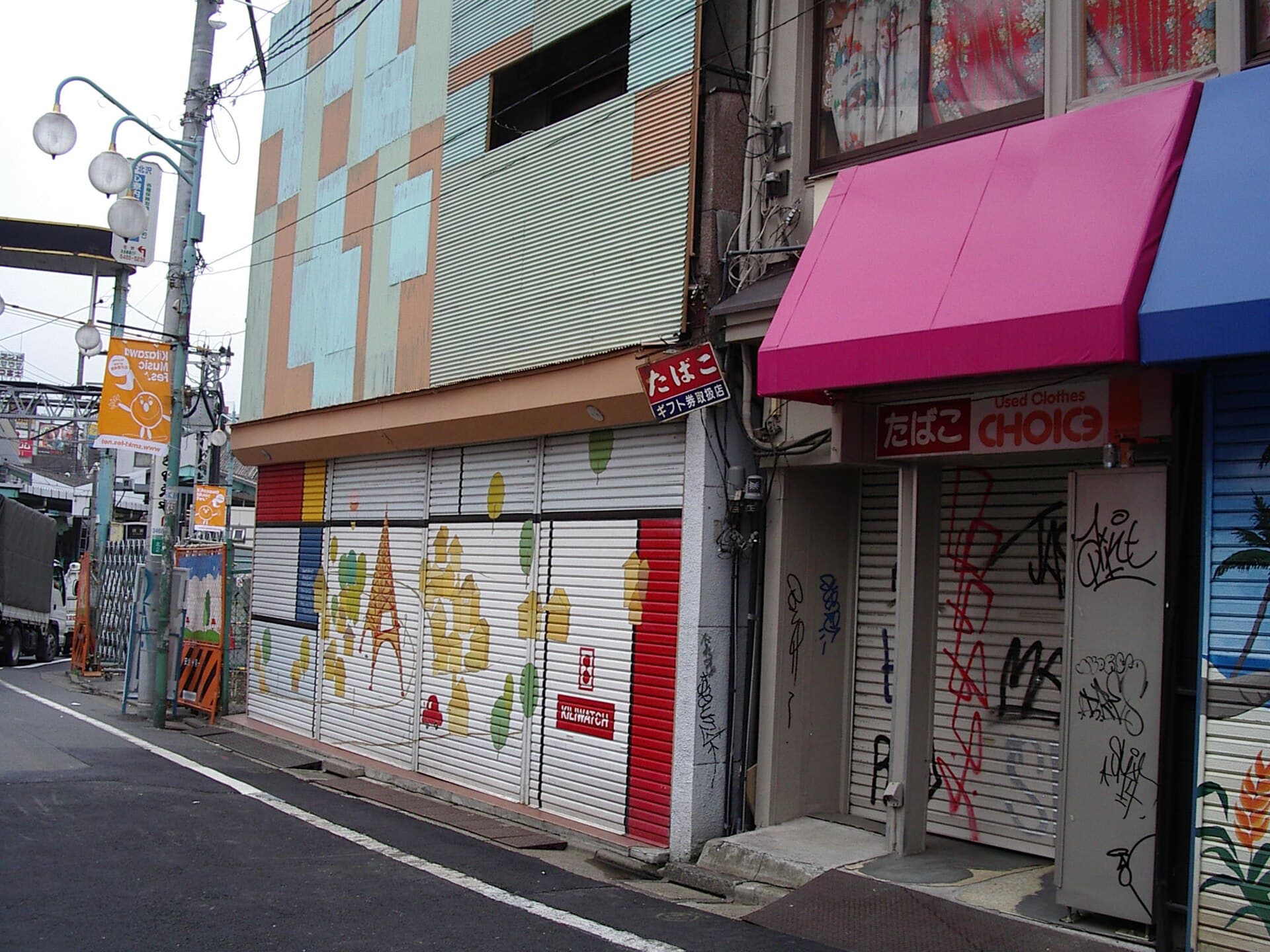
More than 100 shops, mostly in Kitazawa 2 and 3-chome. Weekdays are much calmer than weekends.
- Flamingo — American vintage from the 1940s to the 80s, with several shops in the area.
- Chicago — large and mixed, with an unusually big used kimono section.
- New York Joe Exchange — on Ichiban-gai, in a former public bathhouse; the men's and women's baths are now the men's and women's floors. Everything comes from customers, prices average around ¥2,000, and you can trade clothes in.
- Little Trip to Heaven — English and American vintage, mostly women's dresses, shoes and accessories.
The rest of the neighbourhood is in the Shimokitazawa guide.
Koenji
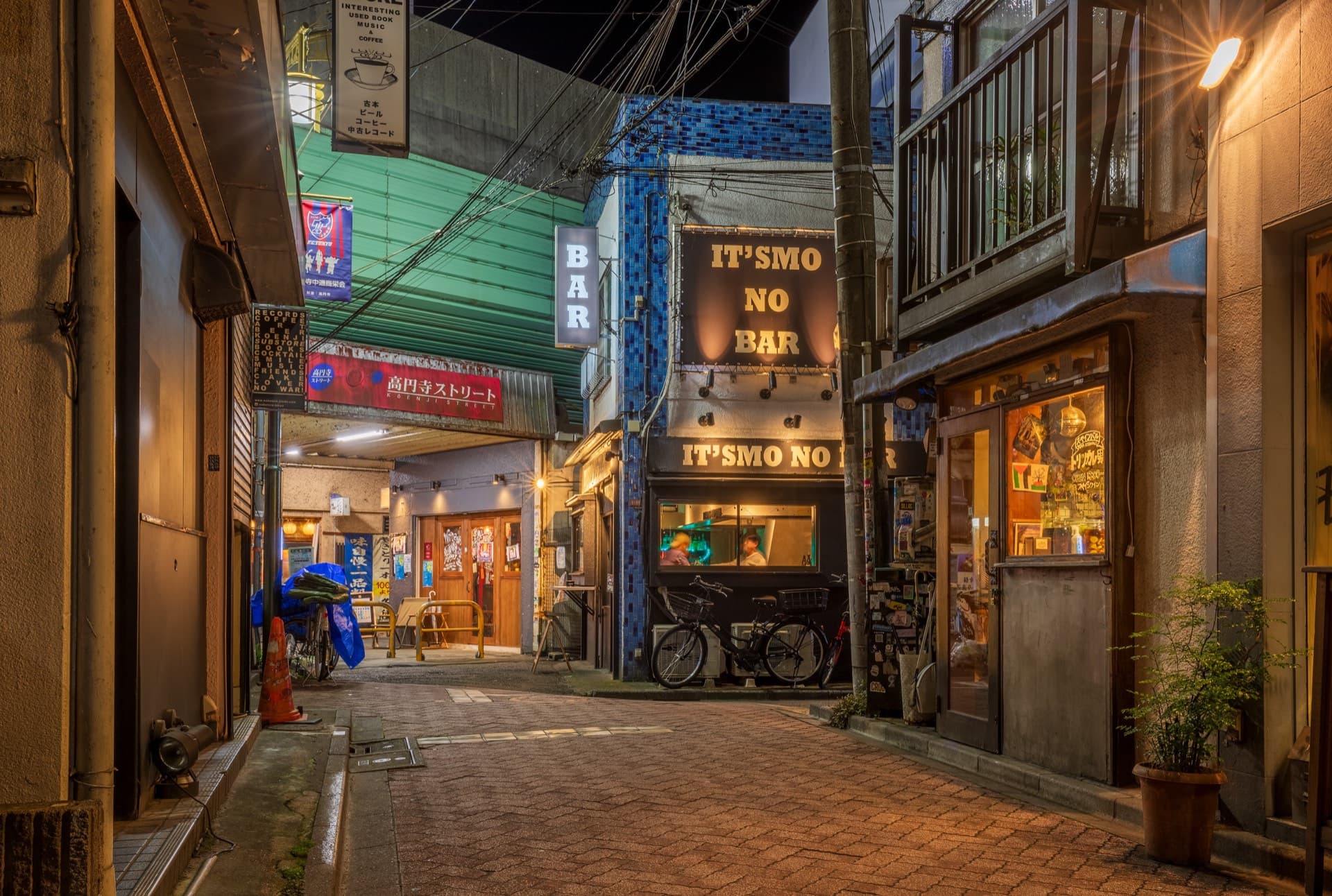
Koenji's shops are smaller and cheaper, and lean towards punk and the odd. The side streets off the station's shopping arcades are the place to wander.
- Safari — opened in Koenji in 2001 and helped make vintage consignment common in Tokyo. It now runs five shops in Koenji, and the first of them carries the rarest pieces.
See the Koenji guide.
Harajuku
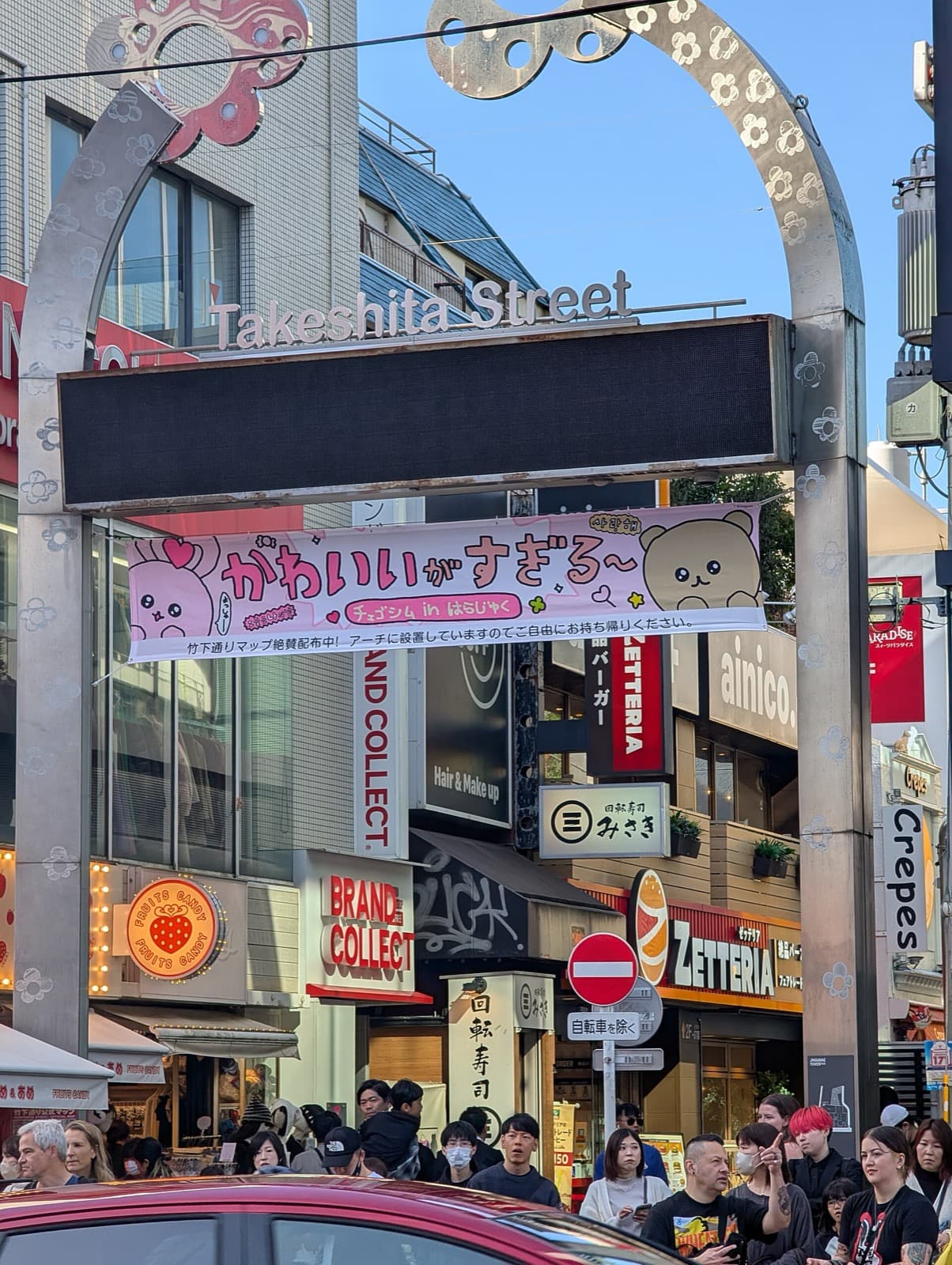
Skip Takeshita-dori. The vintage is in the backstreets and along Cat Street.
- Berberjin — one of the best-known American vintage shops in Japan, especially for jeans and leather. Mostly menswear.
- Ragtag — designer secondhand on Cat Street: Comme des Garçons, Yohji Yamamoto, Issey Miyake and the like.
- Kindal — another designer resale shop on Cat Street, imported and Japanese labels.
For new Japanese labels, see Japanese streetwear brands and Harajuku underground fashion.
Before you buy
- Try it on. Sizes on American vintage don't match modern cuts.
- Read the condition note. Shops mark stains and wear on the tag; it's honesty, not a warning.
- Carry some cash. The smaller shops don't all take cards.
FAQ
Which area should I start with? Shimokitazawa, for range. Harajuku if you want designer or high-end denim.
Is Tokyo vintage cheap? Not any more, mostly. New York Joe Exchange, with an average price around ¥2,000, is one of the cheaper options.
Can I sell clothes? Yes. Safari, Ragtag and Kindal all buy or take consignments.
Style Desk
The Standard Japan
Shopping and fashion in Japan: denim, vintage, streetwear, and where each scene actually lives.
Facts are taken from primary sources (operators, venues, official tourism and government pages) and dates and prices are checked on the day of writing. Pages are revised when those sources change.
Expertise
Japanese denim, vintage, streetwear, shopping districts
Have a question or a correction?
Ask us anything about Tokyo Vintage Shopping Guide: Shimokitazawa, Koenji, Harajuku (2026), or tell us what we got wrong. We reply within 24 to 48 hours.
Related Stories
Harajuku Street Fashion: The Underground Scene Nobody Shows You
The viral Harajuku you've seen on Instagram is a performance for tourists. Here's where the real style is happening — and why it matters.

Japanese Streetwear Brands You Should Know
Before Supreme, before Off-White, there was Ura-Harajuku. The Japanese labels that invented modern streetwear — and the ones defining what comes next.
Brooklyn of Tokyo 2026: Shimokitazawa, Koenji, and Who Wins
Brooklyn of Tokyo usually means Shimokitazawa — vintage, live houses, indie cafes. Koenji and Nakameguro compete. Which neighborhood fits your trip.