
What is Omotenashi? Japanese Hospitality Explained
Omotenashi traces to the tea ceremony and went global in Tokyo's 2013 Olympic bid. The real history of the word, and the debate over what it costs workers.

Omotenashi (おもてなし) is usually translated as "Japanese hospitality," but the word carries a specific history most explanations skip: a 16th-century tea ceremony philosophy, a single televised speech that turned it into a national marketing term overnight, and — less flatteringly — a real debate in Japan about what the standard costs the people expected to deliver it.
Where the Word Actually Comes From
The concept is generally traced to the tea ceremony (chanoyu), which developed during the Muromachi period (1336–1573) and was refined by tea master Sen no Rikyu in the late 16th century. Rikyu's version of hospitality centered on ichigo ichie (一期一会) — "one time, one meeting" — the idea that a host should treat each gathering as unrepeatable, preparing every detail for that specific guest, that specific day, because it will never happen in exactly that way again. That's the root of what people now describe as Japanese staff "anticipating" needs: it's not intuition, it's a specific inherited framework for paying attention.
The etymology itself is debated. One reading splits it into "omote" (surface, public face) and "nashi" (without) — hospitality with nothing hidden, no back-room difference between how a guest is treated and how they're really regarded. Another traces it to "motenasu," an older verb meaning to handle or entertain a guest. Both readings point at the same idea: service without a private, lesser version behind it.
The Speech That Made It a Global Word
Omotenashi was a domestic concept until September 7, 2013, when broadcaster Christel Takigawa presented Tokyo's final bid for the 2020 Olympics to the IOC in Buenos Aires. She spelled the word out letter by letter — "O-MO-TE-NA-SHI" — as shorthand for the quality of hospitality visitors could expect, complete with a practiced hand gesture that became a brief viral moment in Japan. Tokyo won the bid days later, and "omotenashi" immediately became the label the national tourism campaign built itself around for the rest of the decade. That's the reason the word shows up in English-language travel writing at all — it's a marketing success story as much as a cultural inheritance, and both things are true at once.
Where You'll Actually See It
Konbini — A clerk turning your bag so the handle faces you before handing it over, or receiving payment with both hands rather than one, are small, specifically taught mechanics, not spontaneous warmth.
Ryokan — Staff who learn your name and schedule on a one- or two-night stay, timing meal service around when they've noticed you tend to return to your room — this is the setting omotenashi is most closely associated with, because a ryokan's whole model is built around a small number of guests treated individually rather than a high volume treated uniformly.
Restaurants and izakaya — Refilling water or tea without being asked, but not hovering or checking in repeatedly the way a Western server might; presence calibrated to be available without being intrusive.
Department stores and depachika — Elaborate gift-wrapping included at no extra charge, staff who bow to elevators as the doors close — see our depachika guide for what this looks like in a food hall specifically.
The Part Tourism Marketing Leaves Out
Omotenashi's reputation abroad is almost entirely positive, but inside Japan it's a genuinely contested idea. Labor researchers and journalists have pointed to the same standard of anticipatory, self-effacing service as a driver of the emotional labor and overwork culture in Japan's service industry — the expectation that a worker suppress their own state (tired, unwell, having a bad day) to maintain a consistent standard of care for the customer, indefinitely, with no room built in for the worker's own needs. Some labor lawyers have specifically named the customer-first framework behind omotenashi as a contributing factor in Japan's karoshi (overwork death) cases, arguing that a cultural ideal that treats "the customer's comfort above your own" as a virtue makes it harder for service workers to set limits.
None of this makes the hospitality you'll experience as a visitor fake — the training, the standards, and the intent are real. But it's worth knowing that "omotenashi" as a tourism-marketing word and omotenashi as a lived condition for the people providing it are not quite the same story, and the more uncomfortable half rarely makes it into the English-language explainer.
Omotenashi vs. Western Hospitality
Western service is generally transaction-plus-tip: the tip is the mechanism that rewards better service, and asking "what can I get you?" puts the guest in the position of directing the interaction.
Omotenashi removes the tip mechanism entirely and puts the anticipation burden on the host: the ideal is to meet a need before it's been stated. Both are coherent systems — omotenashi isn't "better" service, it's a differently structured one, with its own trade-offs on both sides of the counter.
FAQ
What is omotenashi? A Japanese hospitality concept rooted in the tea ceremony, built around anticipating a guest's needs without being asked and without expecting a tip in return. It became a global buzzword after a 2013 Tokyo Olympic bid speech, but it's also a genuinely debated labor issue inside Japan.
What does omotenashi literally mean? The most common reading splits it into "omote" (surface/face) and "nashi" (without) — hospitality with no hidden, lesser version behind the visible one. An alternate etymology traces it to "motenasu," an older word for hosting or entertaining a guest.
Where does omotenashi come from historically? The tea ceremony (chanoyu), developed in the Muromachi period and refined by tea master Sen no Rikyu in the late 1500s around the idea of ichigo ichie — treating each meeting as a unique, unrepeatable event worth full preparation.
Why did omotenashi become a global buzzword? Broadcaster Christel Takigawa spelled the word out in Tokyo's final 2020 Olympic bid presentation to the IOC in Buenos Aires on September 7, 2013. Tokyo won the bid shortly after, and Japan's tourism campaigns adopted the word as shorthand for the visitor experience for years afterward.
Is omotenashi controversial in Japan? Yes, in a way rarely discussed outside Japan. Labor researchers and some lawyers have criticized the same anticipatory, customer-first standard for placing unsustainable emotional and physical demands on service workers, and it's been named as a contributing factor in some overwork-related cases.
Do you tip in Japan because of omotenashi? No — the opposite. Omotenashi assumes the standard of care is already built into the price. Tipping isn't just unnecessary, it can genuinely confuse or embarrass staff. See our full tipping guide for the rare exceptions.
Culture Desk
The Standard Japan
Customs, festivals, pop culture and everyday Japan, explained for people who want to understand what they are looking at.
Facts are taken from primary sources (operators, venues, official tourism and government pages) and dates and prices are checked on the day of writing. Pages are revised when those sources change.
Expertise
Festivals, etiquette, pop culture, mascots, convenience-store culture
Have a question or a correction?
Ask us anything about What is Omotenashi? Japanese Hospitality Explained, or tell us what we got wrong. We reply within 24 to 48 hours.

Related Stories

Gachapon: Japan's Capsule Toy Obsession, Explained
Gachapon machines stock everything from miniature ramen bowls to detailed animal skeletons. How capsule toys work and where to find the best walls.
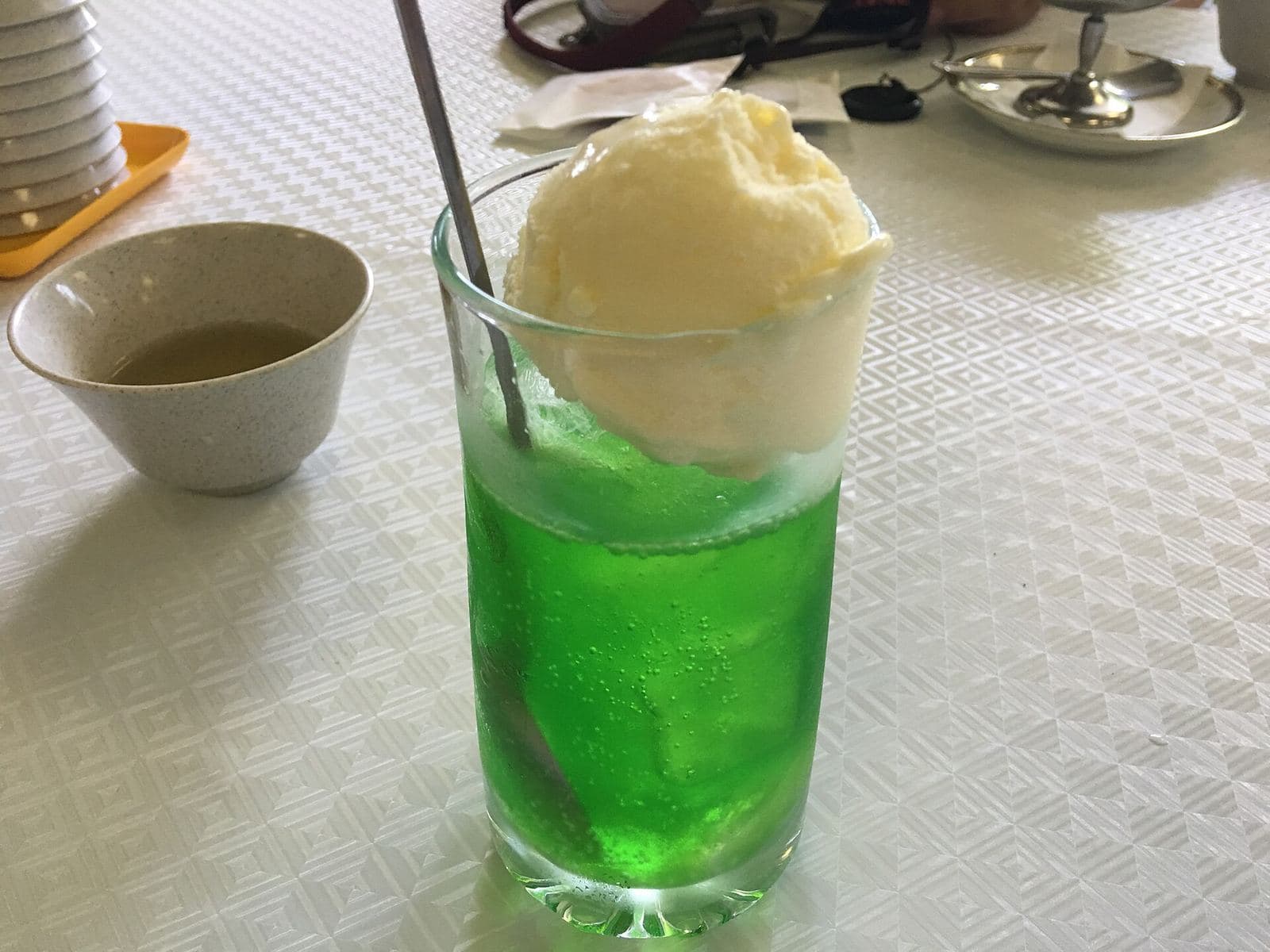
Japan Cream Soda: Kissaten Melon Soda Floats Explained
Japanese cream soda is melon soda under vanilla ice cream, a kissaten classic with roots in Ginza soda fountains. Where it came from and what to order.

Is Airbnb Legal in Japan? The Minpaku Law Explained
Airbnb is legal in Japan only for listings licensed under the minpaku law, capped at 180 nights a year. How to spot a legal listing and why it matters.