
Best Ramen in Tokyo 2026 (Local Favorites by Style)
Tokyo ramen by style: shoyu at Tsuta, clam shio at Konjiki Hototogisu, tsukemen at Fuunji, niboshi at Nagi in Golden Gai, tonkotsu at Ichiran.
Most good ramen shops in Tokyo do one style and do it well, so decide what you want first: clear soy broth (shoyu), salt broth (shio), pork-bone (tonkotsu), sardine (niboshi), or thick noodles for dipping (tsukemen). Then pick the shop.
Shoyu
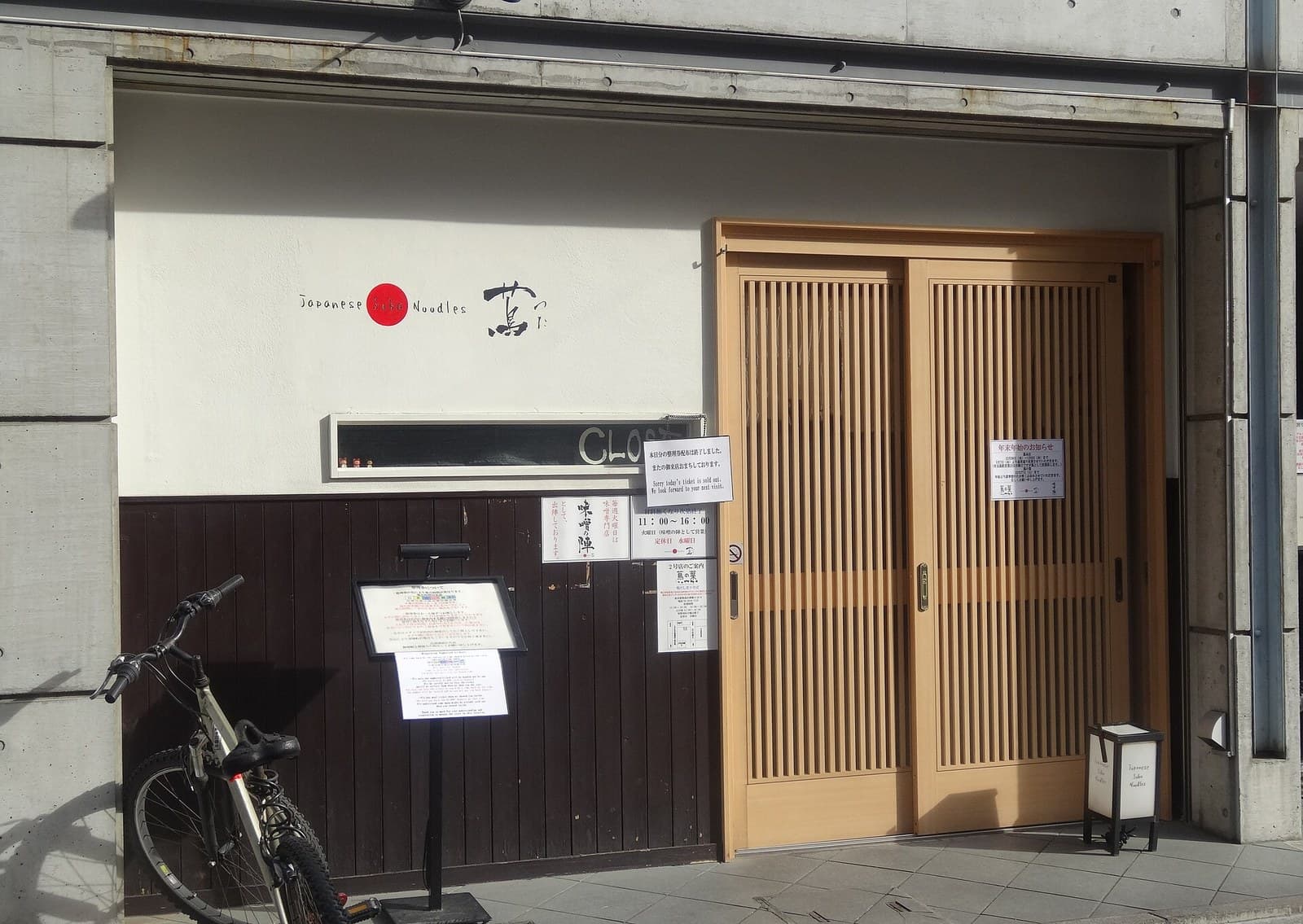
Japanese Soba Noodles Tsuta (Yoyogi-Uehara). In 2016 it became the first ramen shop anywhere to win a Michelin star. It left Sugamo in late 2019 and reopened in Yoyogi-Uehara, and gave up the star along the way. Its founder, Yuki Onishi, died in 2022; the shop reopened under new management in 2023. Many older guides still send people to Sugamo.
Shio
Soba House Konjiki Hototogisu (Shinjuku 2-chome, near Shinjuku-gyoenmae). A clear salt broth made from Kuwana clams, sea bream and a bonito-and-kombu dashi. It held a Michelin star from 2019 to 2023 and has been a Bib Gourmand since. Weekdays only, 11:00–15:00 and 18:30–21:30, and it can sell out.
Tsukemen
Fuunji (Yoyogi 2-chome, by Shinjuku's south exit). Thick noodles with a rich chicken-and-fish dipping broth. The line is long but moves. 11:00–15:00 and 17:00–21:00; no reservations.
Rokurinsha (Tokyo Station). On Tokyo Ramen Street in the station basement, so it's the easy one if you're catching a train. Dense pork-and-fish tsukemen.
Mensho Tokyo (Korakuen). Lamb-and-pork-bone tsukemen, a minute from Korakuen Station. Unusual, and good if you like lamb.
Tonkotsu and niboshi
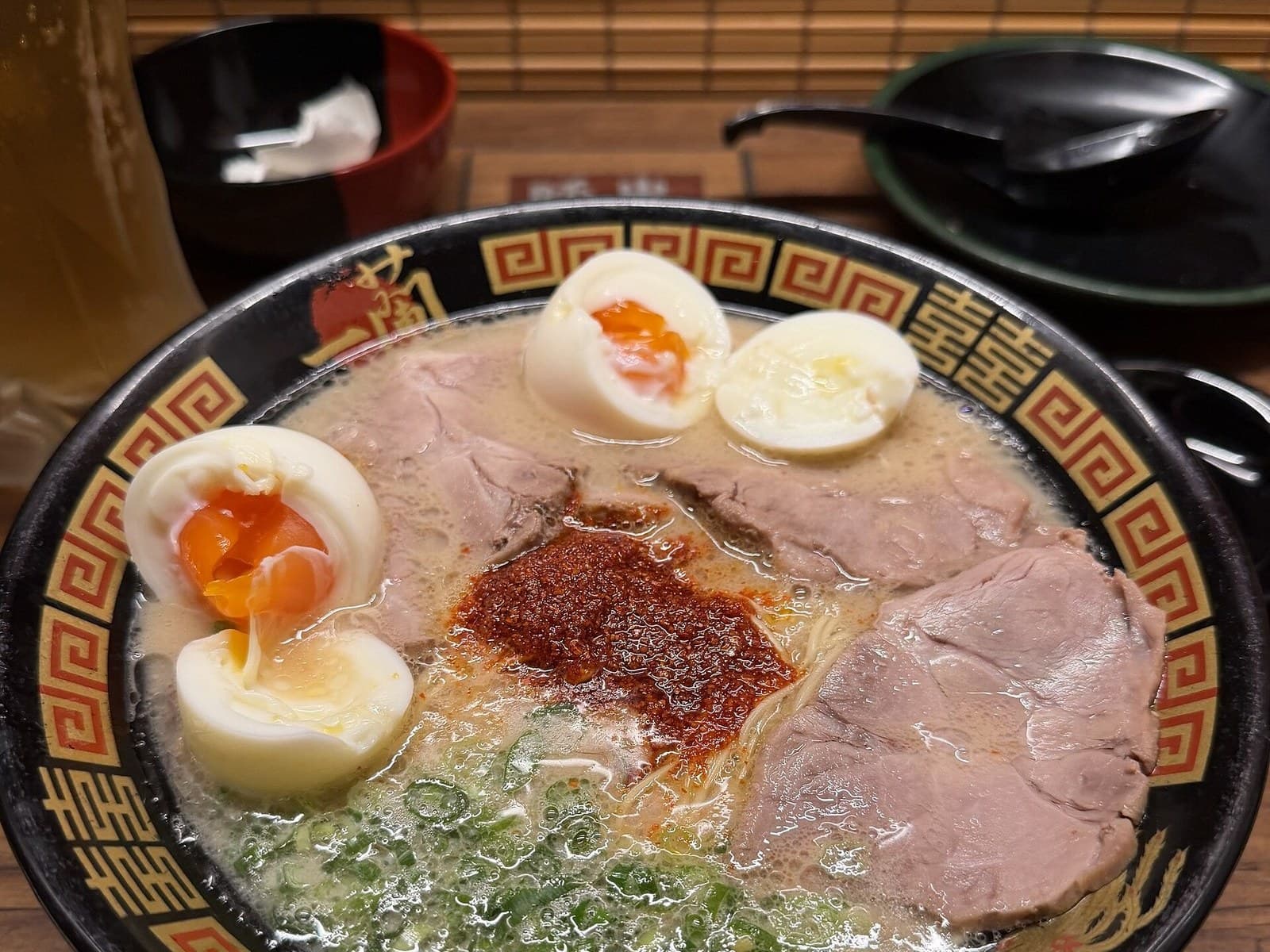
Ichiran (many branches). A chain, but a reliable bowl of tonkotsu at ¥1,080 in Tokyo, with solo booths and a form to set how rich and garlicky you want it.
Nagi, Golden Gai (Shinjuku). Upstairs in Golden Gai, ten counter seats, open 24 hours. The broth is made from more than 20 kinds of dried sardines, so it's strong and fishy. People either love it or don't.
Vegetarian
Most broths contain pork, chicken or fish. Soranoiro Nippon on Tokyo Ramen Street is the easiest place to find a vegetable-based bowl.
Ordering
Most shops sell tickets from a machine by the door. Pick your bowl, pay, hand the ticket over and you may be asked how firm you want the noodles (katame is firm). The top-left button is usually the house bowl. Slurping is normal, and you don't have to finish the soup. There's no tipping; see tipping in Japan.
For more Tokyo food, see the Japanese food guide.
FAQ
Is Tsuta still in Sugamo? No. It moved to Yoyogi-Uehara in December 2019.
Does Tokyo still have a Michelin-starred ramen shop? Not Tsuta, which gave its star up, and not Konjiki Hototogisu, which went from a star to Bib Gourmand in 2024. Check the current Michelin Guide if a star matters to you.
How much is a bowl? Around ¥1,000 at most shops. Ichiran is ¥1,080 in Tokyo.
What's the difference between ramen and tsukemen? In tsukemen the noodles come separately, and you dip them into a strong broth that isn't meant for drinking.
Food Desk
The Standard Japan
Where and how to eat in Japan, from konbini and kissaten to izakaya, ramen and department-store food halls.
Facts are taken from primary sources (operators, venues, official tourism and government pages) and dates and prices are checked on the day of writing. Pages are revised when those sources change.
Expertise
Restaurants, izakaya, ramen, food halls, ordering and etiquette
Have a question or a correction?
Ask us anything about Best Ramen in Tokyo 2026 (Local Favorites by Style), or tell us what we got wrong. We reply within 24 to 48 hours.

Related Stories
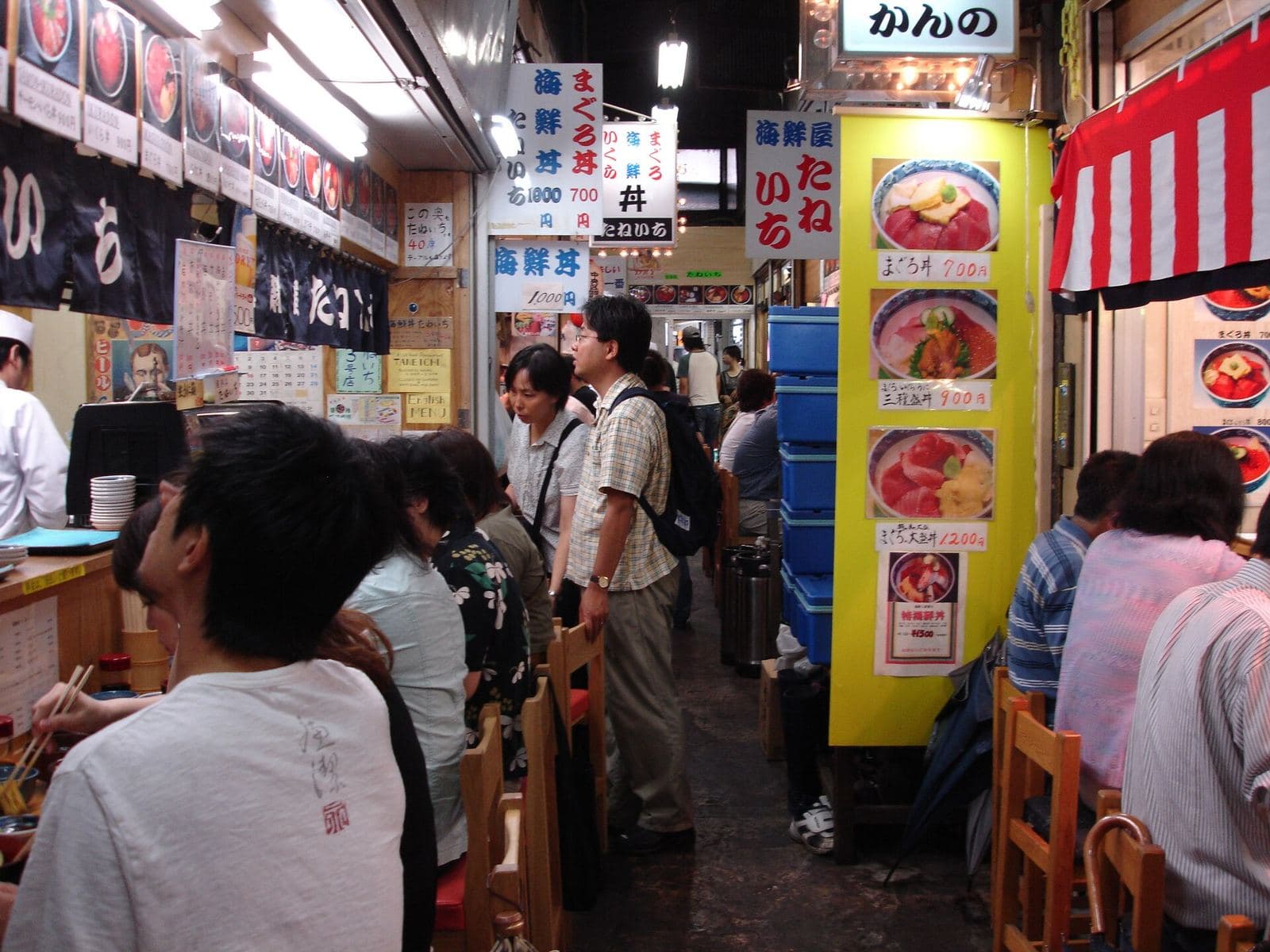
Japanese Food Guide: What to Eat in Japan (2026)
What to eat in Japan in 2026: ramen, sushi, yakitori, tempura, tonkatsu, izakaya, depachika, and regional specialties — from konbini onigiri to kaiseki.
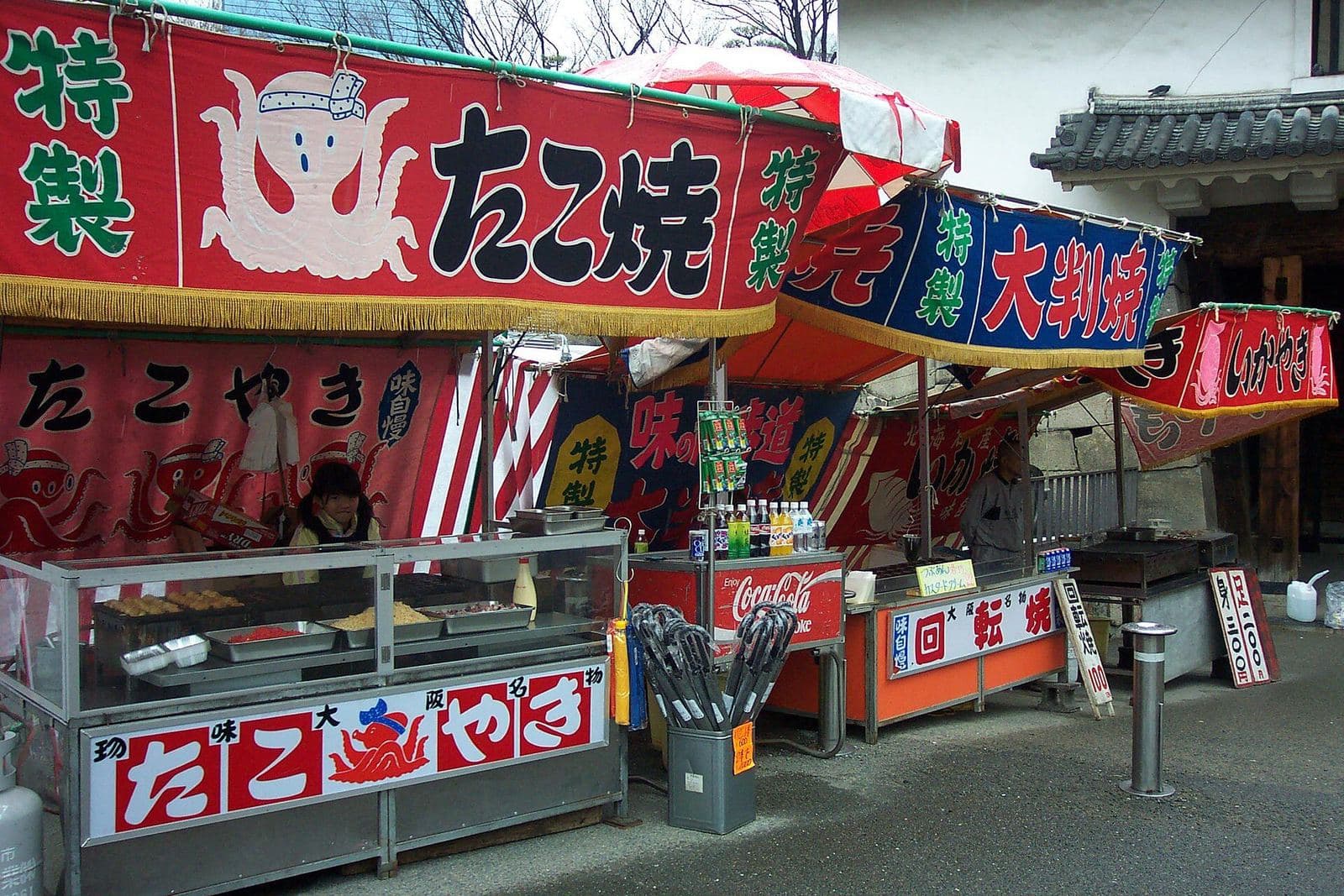
Osaka Food Guide: What to Eat and Where (2026)
Osaka is Japan's most food-obsessed city. Here is what to eat, where to find it, and why kuidaore is a way of life.
Fukuoka Travel Guide: Japan's Most Livable City (2026)
Fukuoka is consistently ranked Japan's most livable city — and one of its most underrated travel destinations. Here is what makes it different.