
Sake Tasting in Tokyo: Where to Go and What to Know
Where to taste sake in Tokyo, from a free information center to all-you-can-taste bars and a brewery day trip, plus the label words worth knowing.
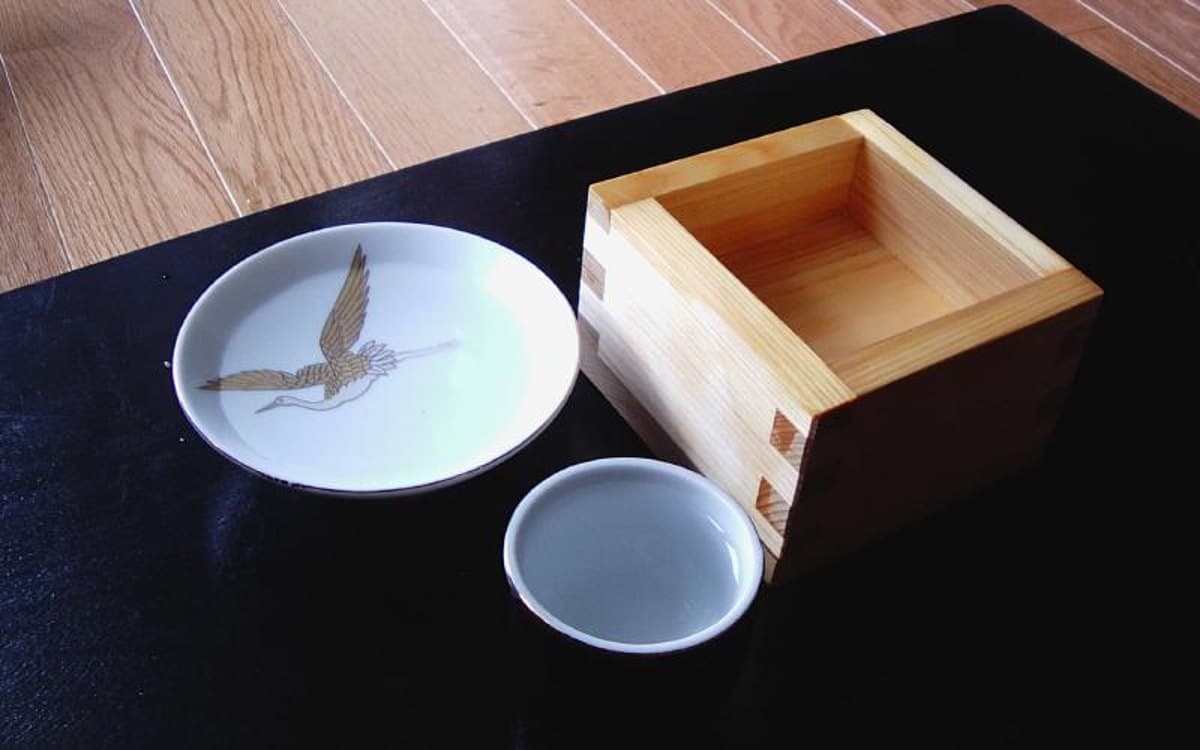
Some travel links on The Standard Japan are affiliate links. If you book through one, we may earn a commission at no extra cost to you.
Sake (in Japan, nihonshu) is brewed from rice, water, yeast and koji mold, and there are more than a thousand breweries in Japan, most of them small. Tasting a few side by side is the quickest way to find what you like, and Tokyo has places to do it for every budget, from a free information center to a brewery you can visit on a day trip.
A few words for reading the label
| Word | What it means |
|---|---|
| Junmai (純米) | Made only from rice, water, yeast and koji, with no added alcohol. Often fuller and richer |
| Honjozo (本醸造) | A small amount of distilled alcohol added, which tends to make it lighter and drier |
| Ginjo (吟醸) | Rice polished to 60% or less of its original size. Usually lighter, fruitier and more aromatic |
| Daiginjo (大吟醸) | Rice polished to 50% or less. The most aromatic and delicate style, and usually the most expensive |
| Nigori (にごり) | Cloudy, with some rice sediment left in. Often sweet |
| Namazake (生酒) | Unpasteurized. Fresh and lively; keep it cold |
| Atsukan / reishu (熱燗・冷酒) | Served warm / served chilled |
Most sake is around 15–16% alcohol, stronger than wine. More polishing doesn't mean better, only different: many people prefer a good junmai with food.
Where to taste
Japan Sake and Shochu Information Center, Toranomon
Run by the Japan Sake and Shochu Makers Association, this small center has displays on how sake and shochu are made, and a counter where you can try sakes from around the country for a few hundred yen a glass or a small tasting set. It is open on weekdays from 10am to 6pm, closed on weekends and public holidays, and is a three-minute walk from Toranomon Station on the Ginza Line. The best low-cost introduction in Tokyo.
Kurand Sake Market
A chain of sake bars where you pay an entry fee and then pour your own from fridges holding around 100 sakes from small breweries, with no time limit. You can bring your own food. It is a good way to taste widely, and lively rather than educational. Branches include Shinjuku; check the website for current locations and opening hours, which are mostly evenings.
Hasegawa Saketen
A respected sake retailer with branches around central Tokyo, some with a small standing counter where you can taste by the glass before you buy. A good place to find a bottle to take home once you know what you like.
Guided classes
Several sake sommeliers and tour companies run English-language tastings of an hour or two, usually with food, for several thousand yen or more. Look for a small group, four to eight sakes rather than twenty, and someone who can explain how each one is made.
A brewery day trip: Sawanoi, Ome
Ozawa Shuzo, maker of the Sawanoi brand, is a brewery on the Tama River in Ome, in the hills of west Tokyo, about 90 minutes from Shinjuku by JR train to Sawai Station. It runs brewery tours (book ahead) and has a riverside garden where you can taste its sake. A good half-day out of the city.
If you're going to Kyoto, the brewery district of Fushimi is the best place in Japan to see sake being made; see what to do in Kyoto.
After you've tasted
Take what you learned to an izakaya and order by style: junmai no hiya (junmai at room temperature) or a ginjo served cold. See our guides to izakaya etiquette and the best izakaya in Tokyo.
Tips
- Eat first, and eat while you taste. Sake is meant to be drunk with food.
- Drink water between glasses. Izakaya call it yawaragi-mizu, "softening water".
- Watch the clock. Don't miss the last train.
- Buy bottles at the end, once you know what you like. Unpasteurized sake needs to stay cold.
FAQ
How much does sake tasting cost in Tokyo? From a few hundred yen a glass at the Japan Sake and Shochu Information Center to several thousand yen or more for a guided class.
Do I need to speak Japanese? No. Guided classes are in English, and at bars you can point at the menu or bottle.
How strong is sake? Usually about 15–16% alcohol, stronger than most wine.
Is junmai better than daiginjo? Neither is better. Daiginjo is lighter and more aromatic; junmai is often fuller and goes well with food.
Can I visit a sake brewery in Tokyo? Yes. Sawanoi in Ome, west Tokyo, runs brewery tours that you can book in advance.
Food Desk
The Standard Japan
Where and how to eat in Japan, from konbini and kissaten to izakaya, ramen and department-store food halls.
Facts are taken from primary sources (operators, venues, official tourism and government pages) and dates and prices are checked on the day of writing. Pages are revised when those sources change.
Expertise
Restaurants, izakaya, ramen, food halls, ordering and etiquette
Have a question or a correction?
Ask us anything about Sake Tasting in Tokyo: Where to Go and What to Know, or tell us what we got wrong. We reply within 24 to 48 hours.
Related Stories
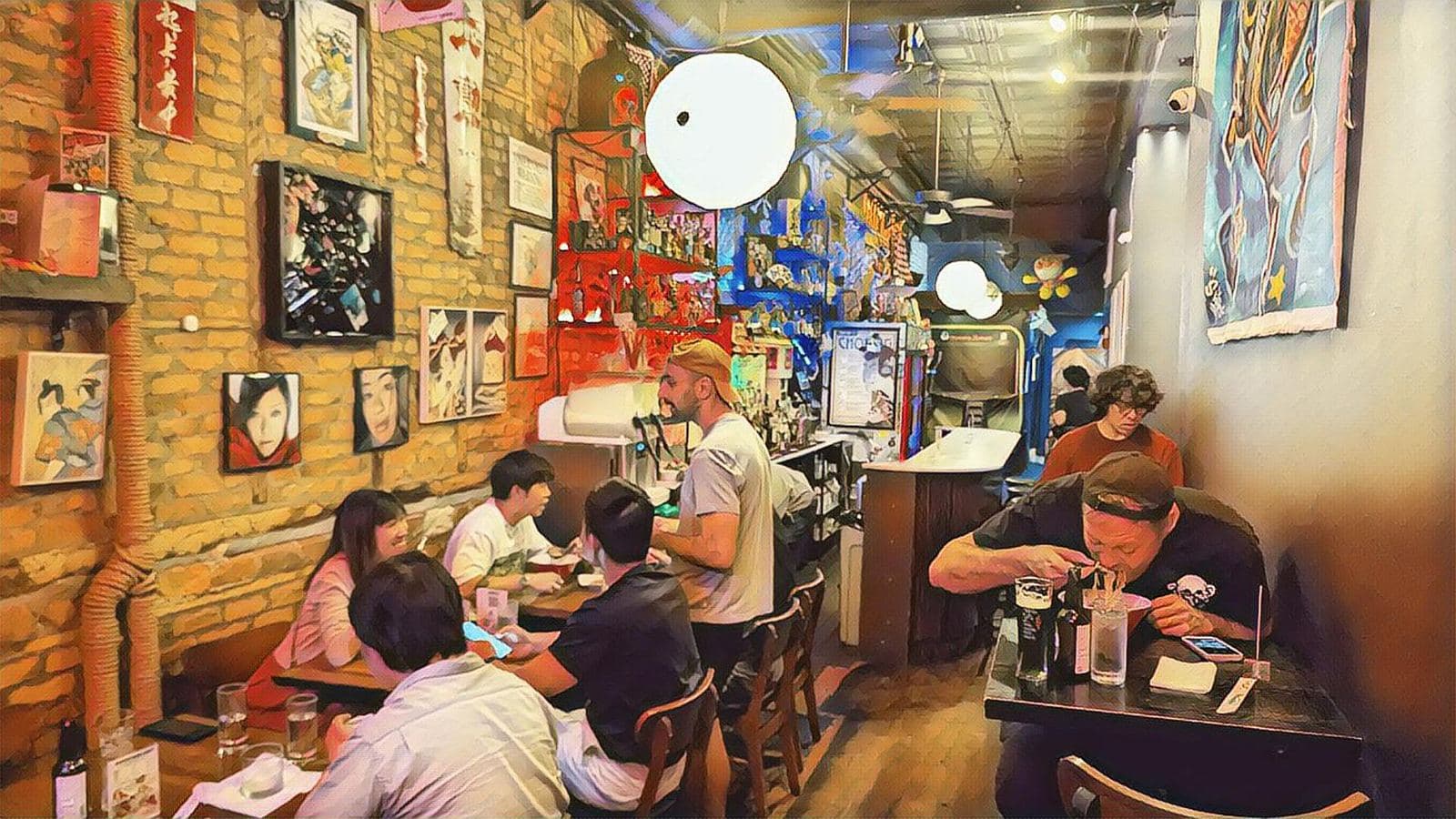
What Is an Izakaya? How to Order, What to Eat, and What It Costs
What is an izakaya? A Japanese pub that serves food and drinks. Here's how to go to an izakaya in Tokyo — order, etiquette, and what to expect.
Fushimi Sake District Guide: Kyoto's Sake Brewery Neighborhood
Fushimi is Kyoto's sake district: white-walled breweries, a canal boat and tastings a short ride from Fushimi Inari. How to spend an afternoon there.

Nomihodai: How All-You-Can-Drink Works in Japan
Nomihodai is all-you-can-drink for a fixed time, usually 90 or 120 minutes. The usual rules, what it costs, and when ordering by the glass is cheaper.