
Kanazawa Travel Guide: Japan's Best Preserved Samurai City (2026)
Kanazawa escaped WWII bombing and retains samurai districts, geisha quarters, and one of Japan's three finest gardens. This is Kyoto before the crowds arrived.
Correction, 7 October 2026: an earlier version gave the loop bus one-day pass as ¥500 (it is ¥800) and said trains from Nagoya run direct (since March 2024 they terminate at Tsuruga, where you change to the Shinkansen).
Kanazawa has a quality that Kyoto has partly lost to mass tourism: it still feels lived in. The samurai districts have families living in them. The geisha quarters still have active ochaya. The covered market has been selling fresh seafood to the city's cooks for about 300 years. When you walk the lanes of Higashi Chaya-gai in the early morning, you are walking through a living neighborhood, not a preserved museum.
The city was the seat of the Maeda clan, whose Kaga domain was the largest in Edo-period Japan, and their patronage of the arts and crafts still shapes the city. Kanazawa was also never bombed in the Second World War, so its old center survives.
Getting There
From Tokyo — Hokuriku Shinkansen (Kagayaki) from Tokyo to Kanazawa: approximately 2.5 hours. This is the primary reason Kanazawa became significantly more visited after the line extended to Kanazawa in 2015.
From Osaka / Kyoto — Since March 2024 the Thunderbird limited express terminates at Tsuruga, where you change to the Hokuriku Shinkansen. About 2 hours 10 minutes from Kyoto and 2.5 hours from Osaka.
From Nagoya — the Shirasagi limited express to Tsuruga, then the Hokuriku Shinkansen: about 2½ to 3 hours.
Orientation
Kanazawa's core sights are concentrated in three areas, all accessible by the loop bus:
- Kenrokuen / Kanazawa Castle area — The garden, castle ruins, and adjacent museum district
- Higashi Chaya-gai — The eastern geisha district, across the Asano River
- Nagamachi Samurai District — The old samurai residential area, southwest of the castle
What to See
Kenrokuen
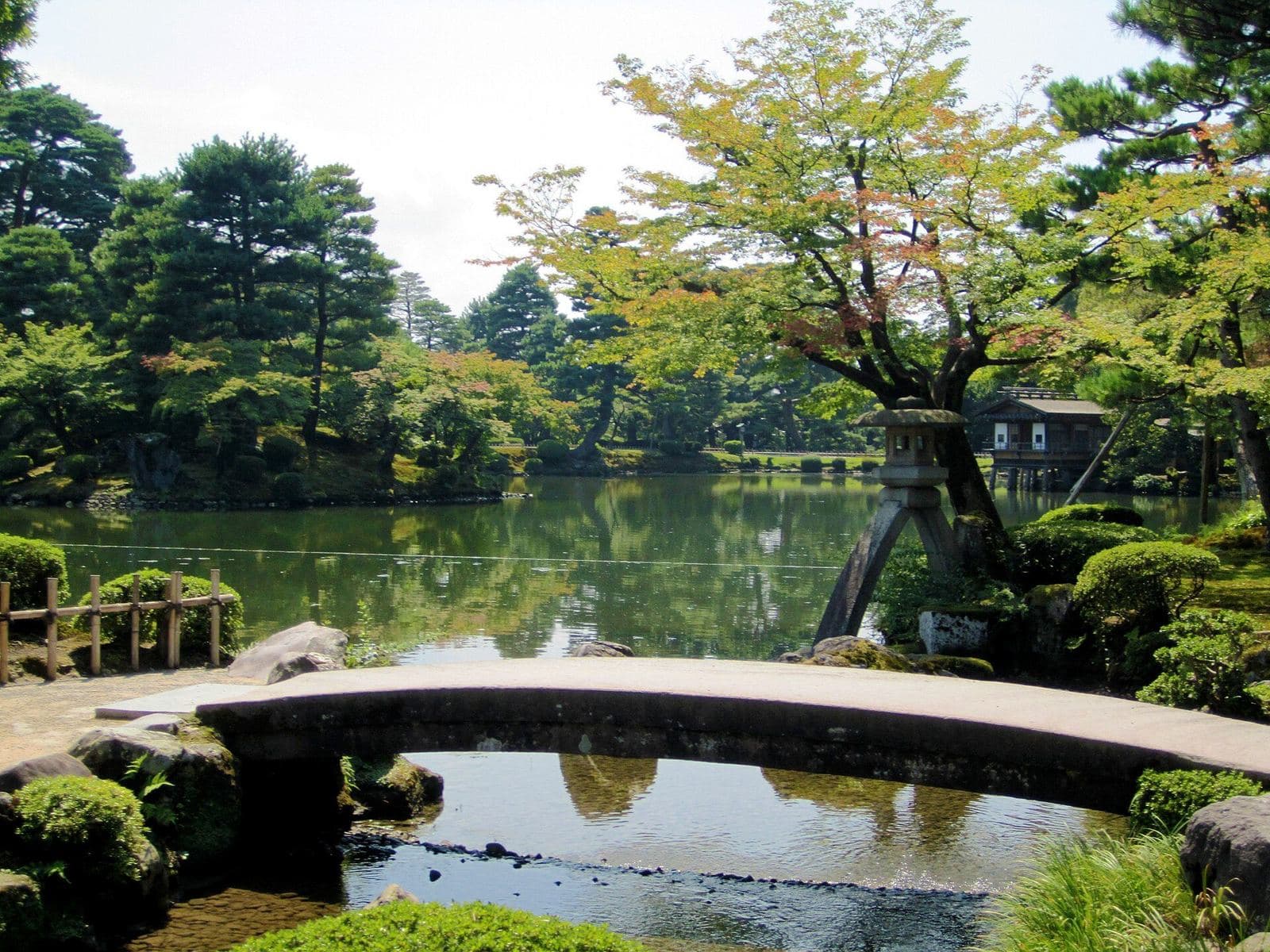
Kenrokuen (兼六園) is consistently ranked among Japan's three finest landscape gardens, alongside Kairakuen in Mito and Korakuen in Okayama.
The name means "garden of six attributes" — spaciousness, seclusion, artifice, antiquity, water features, and panoramic views. It has all of them: centuries-old pines pruned into horizontal shapes by snow-bearing cables (the cables themselves become a winter art form, called yukitsuri), a large central pond, stone lanterns, and views across the city.
When to visit:
- Autumn (November) — Red maples against green pine; extraordinarily beautiful
- Winter (December–February) — Yukitsuri ropes tied to the pines; rare snow transforms the garden; fewer visitors
- Cherry blossom (late March–April) — The garden has significant cherry trees; popular and crowded
- Summer — Lush and green; open morning is best
Practical note: Kenrokuen's regular hours start at 7am or 8am depending on the season, and some gates open earlier for free early-morning entry (times vary by month; check the official site). Before the tour buses arrive, the garden is quiet and a completely different place from the midday crowd.
Higashi Chaya-gai
The Higashi Chaya-gai (東茶屋街) geisha district is Kanazawa's most photographed streetscape — rows of latticed wooden machiya facades along a narrow lane.
Unlike Kyoto's Gion, which is increasingly a photo backdrop, Higashi Chaya-gai retains active teahouses (ochaya) where geisha entertain. The district is small; the walk takes 15 minutes. Several ochaya have opened their interiors to visitors — gold-leaf covered walls, lacquer, and the layered interior design of a functioning entertainment house.
Come early morning before the souvenir shops open or late afternoon when tour groups have moved on.
Nagamachi Samurai District
Nagamachi (長町) is Kanazawa's preserved samurai residential neighborhood — earthen walls, narrow lanes, and machiya gates fronting preserved houses.
The Nomura Clan Samurai House (武家屋敷跡 野村家) is open to visitors: a restored samurai residence with a beautiful small garden, lacquerwork, and antique weapons collection. The garden is small but considered one of Japan's finest small-scale compositions.
Walk the lanes beyond the tourist-facing shops for the authentic residential character.
21st Century Museum of Contemporary Art
The 21st Century Museum of Contemporary Art (21世紀美術館) is a circular glass museum with world-class contemporary art and one of Japan's most innovative buildings. The free-access exterior courtyard has public installations including the famous Swimming Pool piece (an apparent swimming pool where people above see visitors below through glass water).
Kanazawa's commitment to contemporary art alongside traditional craft is one of its distinctive qualities.
Omicho Market
Omicho Market (近江町市場) has supplied Kanazawa's kitchens for about 300 years, with some 170 shops in a covered arcade selling seafood from the Japan Sea, vegetables, and prepared foods.
Kanazawa's seafood includes snow crab (winter), nodoguro (blackthroat seaperch — the most prized local fish), and Jibuni duck stew. The market is best for a morning visit with a sushi breakfast at one of the second-floor counter restaurants overlooking the stalls.
What to Eat
Nodoguro — "Black throat" seaperch from the Japan Sea; fatty, soft, and expensive. The defining fish of Kanazawa cuisine. Order it as sashimi, grilled with salt, or in sushi.
Jibuni — Duck (or chicken) simmered in a thick sauce with wheat gluten (fu), mushrooms, and vegetables; Kanazawa's signature local dish. The sauce uses warishita, a sweet-savory mix with dashi.
Kaga cuisine — Kanazawa's regional cuisine emphasizes local seasonal ingredients, slow cooking, and visual refinement; influenced by the Maeda clan's patronage of Kyoto cooking traditions.
Gold leaf — Kanazawa produces 99% of Japan's gold leaf. It appears on everything: confections, sake, coffee, sushi. The gold leaf soft cream cone near Kenrokuen is the most photographed, if silly.
Practical Notes
Getting around — The Kanazawa Loop Bus connects all the major sights. Pay per ride, or buy the ¥800 one-day pass, which also covers most city buses in the center.
Accommodation — Several machiya guesthouses in the Higashi Chaya-gai area offer an atmospheric stay. Book well ahead for autumn and spring seasons.
How long to stay — Two days is ideal for covering the main sights without rushing. Three days allows for slower exploration, day trips to Noto Peninsula, and better food.
Day trips — The Noto Peninsula (90 minutes north) is one of Japan's most atmospheric rural coastlines; the coastal road through preserved fishing villages and rugged scenery rewards those with a rental car or bus patience. The peninsula is still recovering from the January 2024 earthquake and September 2024 floods, so check which roads, sights and inns are open before you go.
FAQ
How is Kanazawa different from Kyoto? Kanazawa has preserved historic districts and traditional crafts like Kyoto, with far fewer crowds. It was never bombed in the Second World War, and it only became easy to reach from Tokyo when the Shinkansen arrived in 2015.
How many days should I spend in Kanazawa? Two days is ideal for the core sights (Kenrokuen, Higashi Chaya-gai, Nagamachi); three days allows time for the Noto Peninsula or a slower pace through the craft and food scene.
When is the best time to visit Kenrokuen garden? Early morning, during the free early-entry window or right at opening, before tour buses arrive, and autumn (November) or winter with the yukitsuri snow-protection ropes for the most striking scenery.
Is Kanazawa walkable, or do I need to use buses? The core sights are spread across three areas connected by the Kanazawa Loop Bus (pay per ride, or ¥800 for a one-day pass); each individual district is walkable once you're there.
What food is Kanazawa known for? Nodoguro (blackthroat seaperch), jibuni duck stew, and gold leaf–topped dishes and sweets — Kanazawa produces 99% of Japan's gold leaf.
Travel Desk
The Standard Japan
Trip planning: seasons and crowds, getting around, airports, where to stay, and the practical steps before and after you land.
Facts are taken from primary sources (operators, venues, official tourism and government pages) and dates and prices are checked on the day of writing. Pages are revised when those sources change.
Expertise
Seasonal crowds, transport and airports, itineraries, lodging, pre-trip logistics
Have a question or a correction?
Ask us anything about Kanazawa Travel Guide: Japan's Best Preserved Samurai City (2026), or tell us what we got wrong. We reply within 24 to 48 hours.
Related Stories
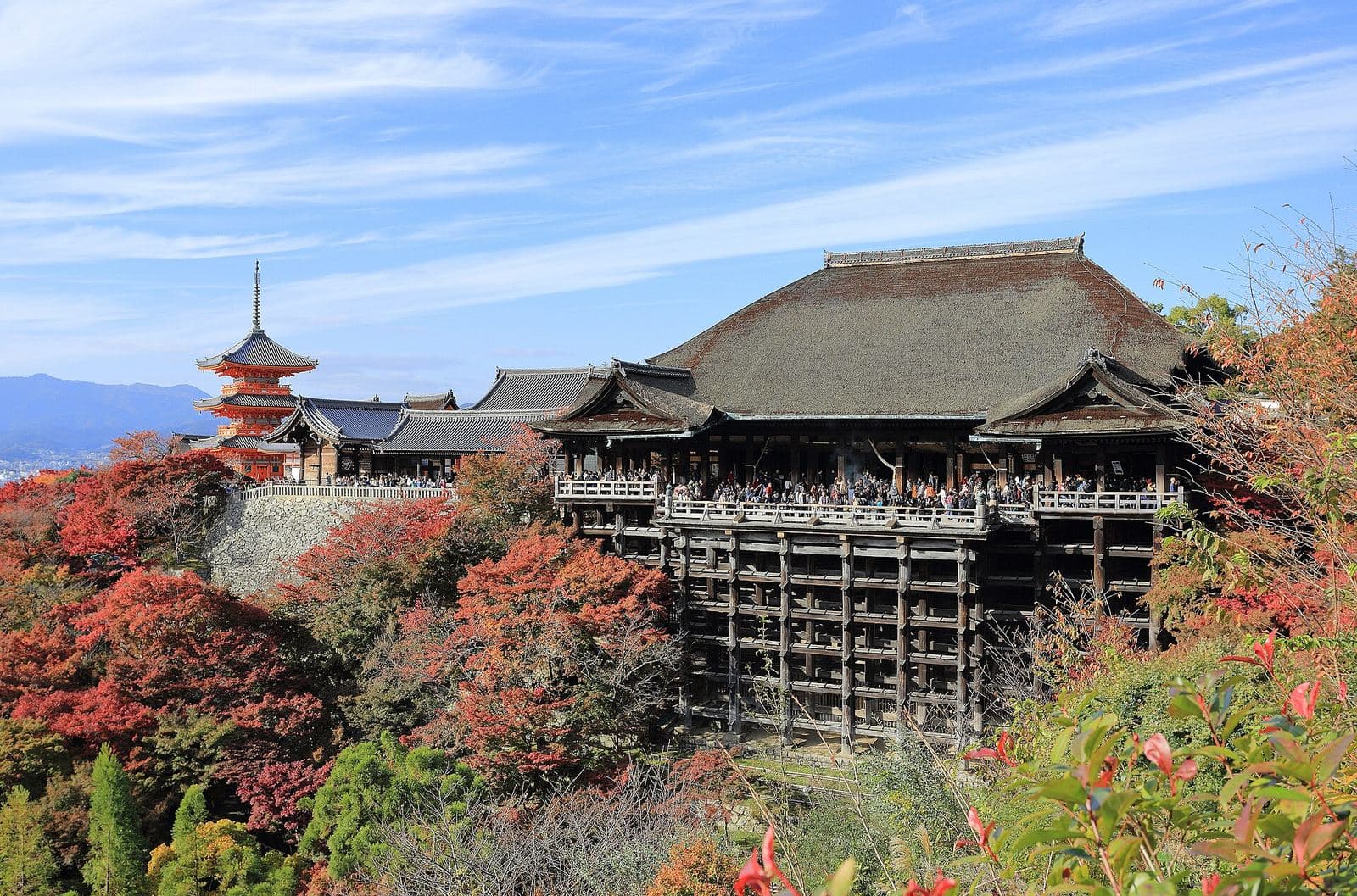
Kyoto Travel Guide: What to Do, See, and Experience (2026)
Japan's ancient capital rewards patience and repetition. Here is how to experience Kyoto beyond the temple checklist.
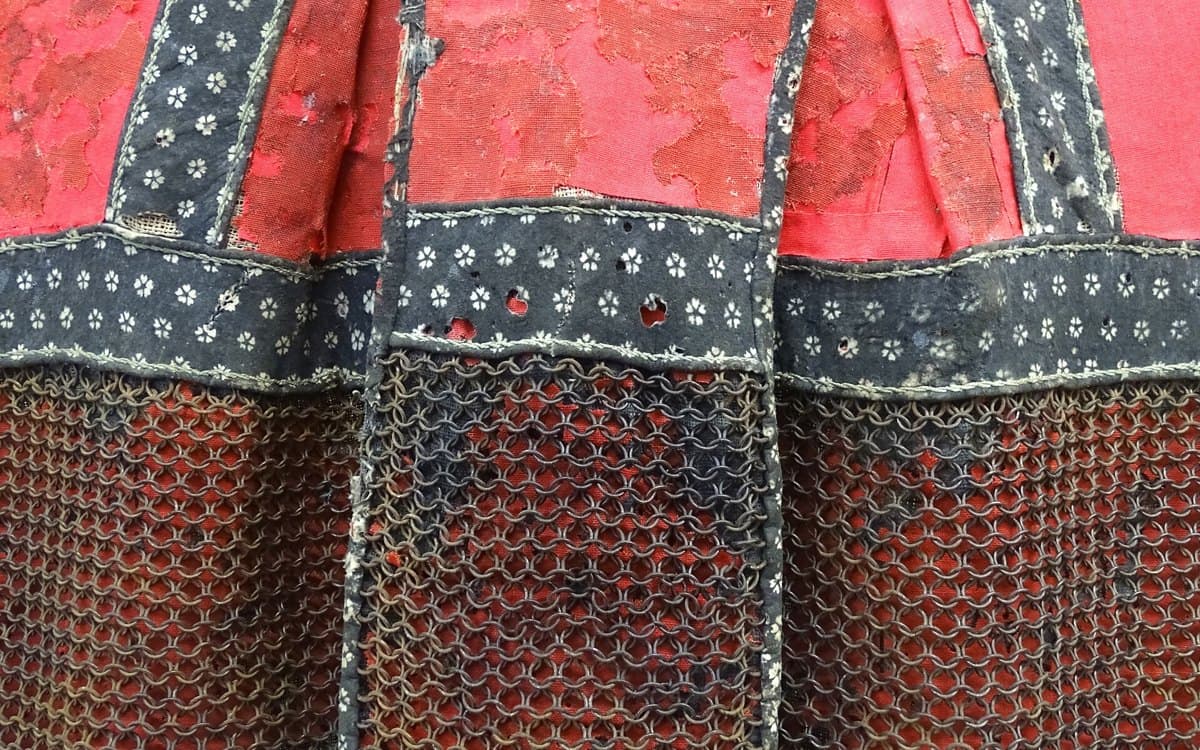
Samurai in Japan: History, Myths, and Where to Experience It (2026)
Samurai history without the Hollywood myths: bushido, the Meiji end of the class, and the best Tokyo and Kyoto experiences for armor, swords or theater.
Fushimi Sake District Guide: Kyoto's Sake Brewery Neighborhood
Fushimi is Kyoto's sake district: white-walled breweries, a canal boat and tastings a short ride from Fushimi Inari. How to spend an afternoon there.