
Hidden Tokyo Cafes: Old Kissaten and Quiet Coffee Shops
Tokyo coffee shops with history: Lion in Dogenzaka (since 1926), Café de l'Ambre in Ginza (1948), Chatei Hatou in Shibuya (1989), Yanaka and Jimbocho.

A kissaten is the old Japanese coffee shop: dark wood, hand-poured coffee, often music, rarely WiFi. A few of Tokyo's best have been open for most of a century. These are the ones worth crossing town for, plus a handful of newer cafes that take coffee just as seriously.
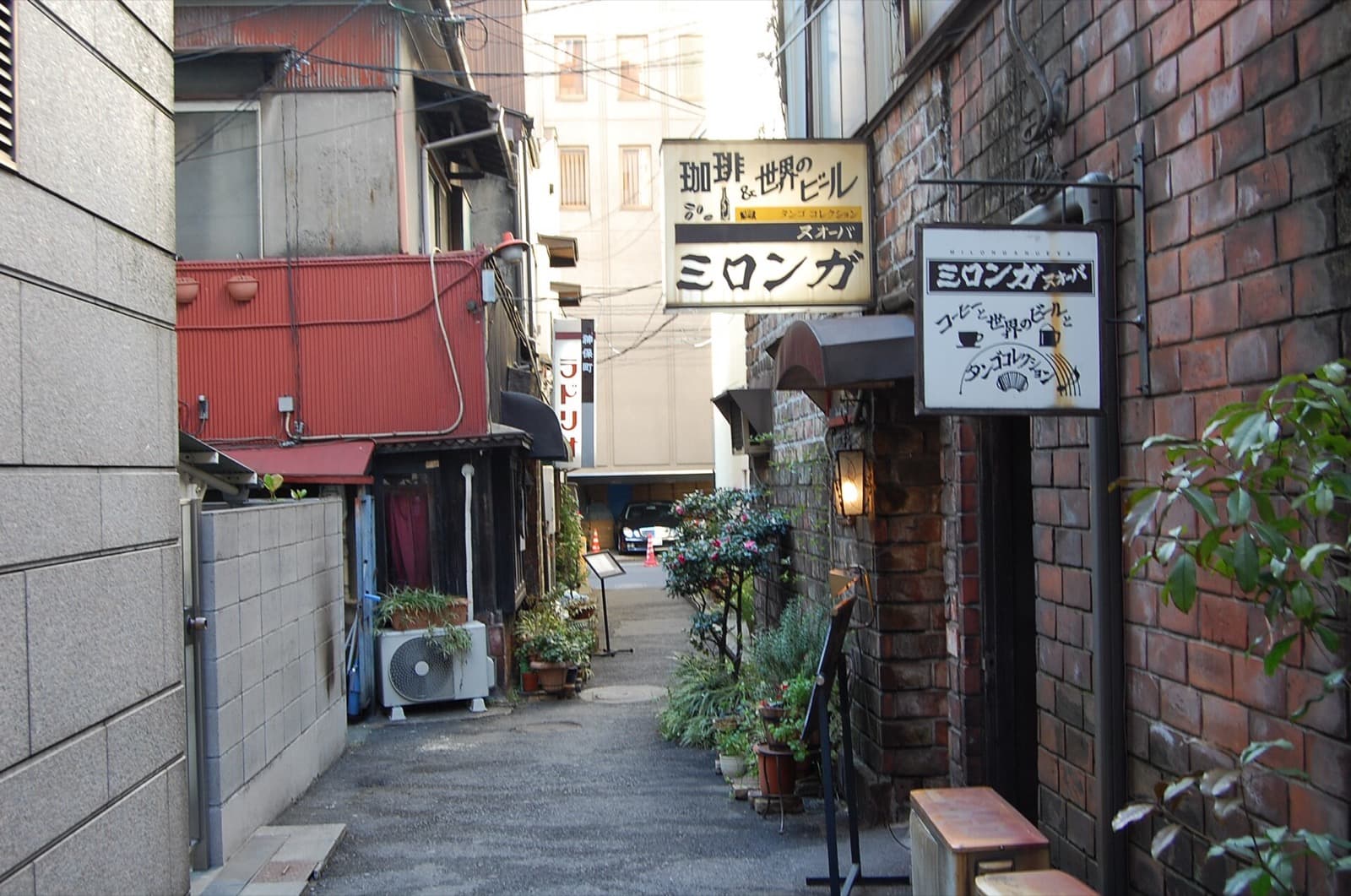
Kissaten
Meikyoku Kissa Lion (Dogenzaka, Shibuya). Opened in 1926 and later moved to its current spot on Dogenzaka. The seats face a wall of speakers, and the room plays classical records: a set programme at 3pm and 7pm, changed monthly, and requests the rest of the day. People come to listen, so keep conversation low.
Café de l'Ambre (Ginza 8-chome). Coffee only, since 1948. The founder, the late Ichiro Sekiguchi, roasted in-house and aged green beans for years, and the shop still brews each cup through a cloth flannel filter in front of you. Order the Blanc et Noir, which it calls the "Amber Queen".
Chatei Hatou (Shibuya). Open since 1989 near Miyamasaka. Charcoal-roasted beans, hand-dripped, served in antique cups chosen for each customer. Blue Bottle's founder, James Freeman, has called it the best coffee in Japan.
Kayaba Coffee (Yanaka). An old wooden corner coffee shop in Yanaka, a short walk from Ueno Park. The egg sandwich is the order.
Sabouru (Jimbocho). A student coffee shop among the secondhand bookshops, with a second shop next door. Busy and cheap; go for the atmosphere more than the coffee.
Newer cafes
Glitch Coffee (Jimbocho). Light-roast single origins in the book district.
Fuglen (Tomigaya). The Tokyo branch of an Oslo coffee bar, with mid-century Norwegian furniture. It turns into a cocktail bar in the evening.
Bear Pond Espresso (Shimokitazawa). A small espresso shop known for short, strong shots. See the Shimokitazawa guide.
A few house rules
- Order something for everyone at the table.
- Many old kissaten are cash only.
- Ask before taking photos. Some owners say no.
- In the music kissaten, listen rather than talk.
For more coffee, see best coffee in Tokyo; for jazz, Tokyo jazz bars.
FAQ
What is a kissaten? The old Japanese coffee shop: dark wood, hand-poured coffee, often music, rarely WiFi. A few in Tokyo have been open for most of a century.
What is the oldest kissaten on this list? Meikyoku Kissa Lion in Dogenzaka, which opened in 1926. It plays classical records, with a set programme at 3pm and 7pm.
Can I talk at Meikyoku Kissa Lion? Keep it low. The seats face the speakers and people come to listen.
Do Tokyo kissaten take cards? Many of the old ones are cash only, so carry yen.
Can I take photos inside? Ask first. Some owners say no.
Food Desk
The Standard Japan
Where and how to eat in Japan, from konbini and kissaten to izakaya, ramen and department-store food halls.
Facts are taken from primary sources (operators, venues, official tourism and government pages) and dates and prices are checked on the day of writing. Pages are revised when those sources change.
Expertise
Restaurants, izakaya, ramen, food halls, ordering and etiquette
Have a question or a correction?
Ask us anything about Hidden Tokyo Cafes: Old Kissaten and Quiet Coffee Shops, or tell us what we got wrong. We reply within 24 to 48 hours.

Related Stories
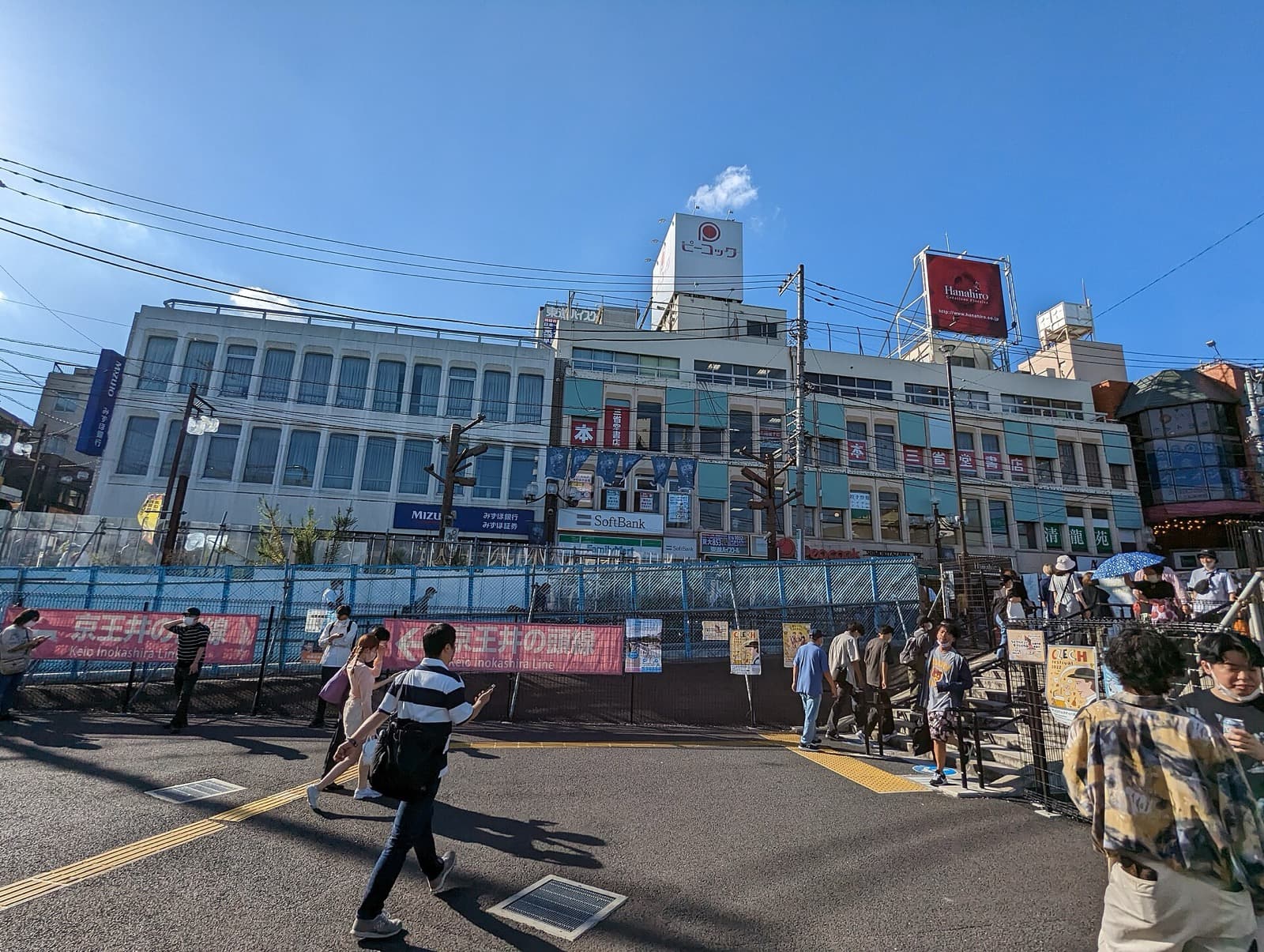
Shimokitazawa Guide: Vintage, Live Music and Coffee (2026)
Shimokitazawa: 100-plus vintage shops, live houses like Shelter and Basement Bar, and new streets on the old railway. Getting there and spending a day.
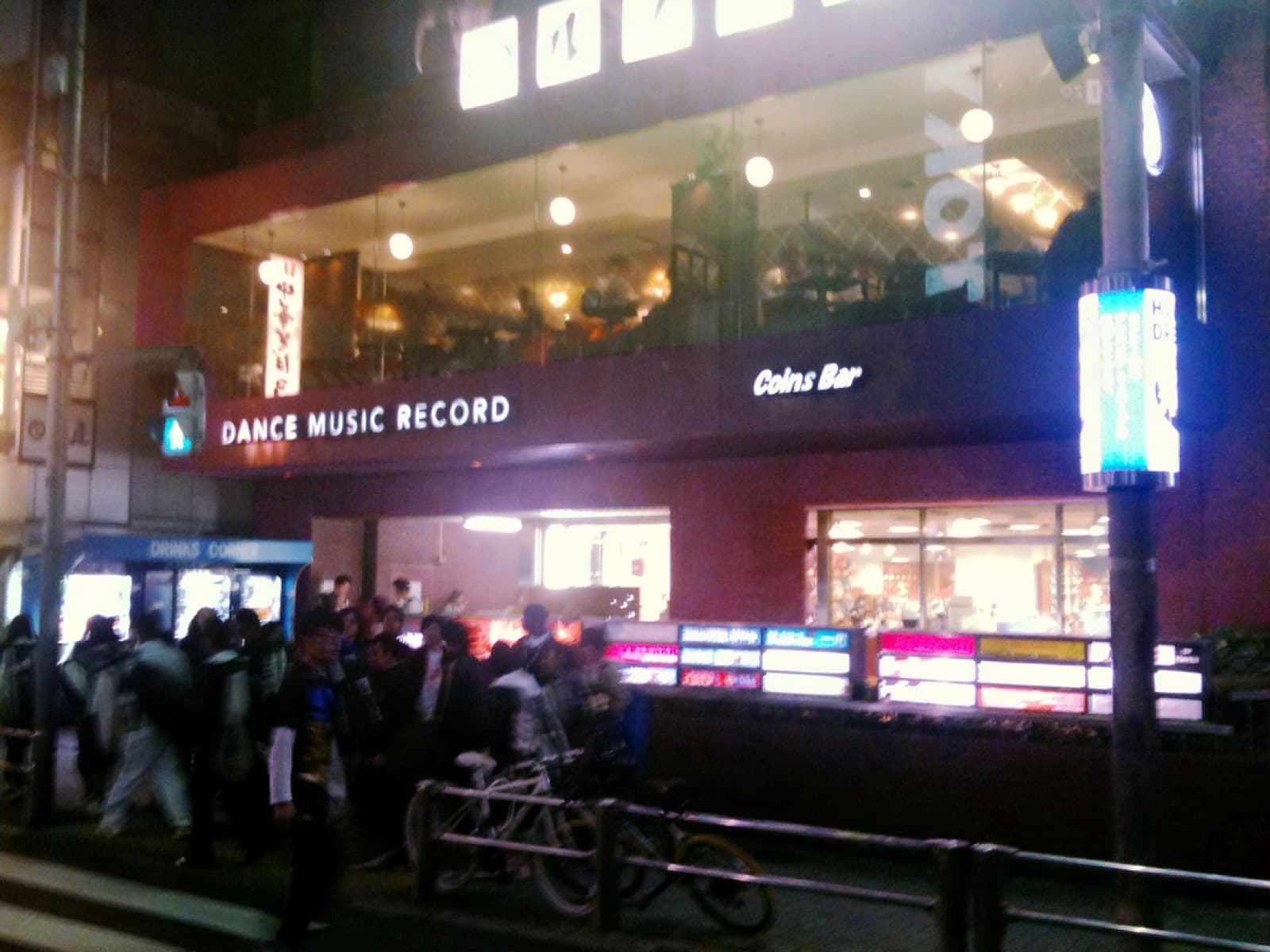
Best Record Shops in Tokyo: Vinyl and CDs by Area
Tokyo record shops by area: Disk Union in Shinjuku and Ochanomizu, Tower Records and Udagawa-cho in Shibuya, Flash Disc Ranch and Jet Set in Shimokitazawa.

Best Cat Cafes in Tokyo: Where to Go and What They Cost
Tokyo cat cafes with 2026 prices: Mocha (charged per 10 minutes), Temari no Ouchi in Kichijoji (flat fee, no limit), and Neko Republic's rescue cats.