
Where to Stay in Tokyo: Best Neighborhoods for First-Timers (2026)
Some travel links on The Standard Japan are affiliate links. If you book through one, we may earn a commission at no extra cost to you.
Correction, 7 October 2026: an earlier version said Asakusa has direct Skyliner trains to Narita. The Skyliner stops at Ueno and Nippori; Asakusa's direct airport trains run on the Toei Asakusa Line.
The best place to stay in Tokyo for first-time visitors is Shibuya or Shinjuku. Both sit on the JR Yamanote loop, have hundreds of restaurants within walking distance, and have hotels at every price. Budget travelers should look at Asakusa or Ueno, and luxury travelers at Ginza or Marunouchi.
In a city this size, the neighborhood matters more than the hotel. A base in the wrong place can add 40 minutes or more to every trip across town.
Some links in this article are affiliate links. If you book through them, The Standard Japan may earn a commission at no additional cost to you.
Where to stay by travel style
| You are... | Stay in... | Typical nightly rate |
|---|---|---|
| First-time visitor | Shibuya or Shinjuku | ¥12,000–¥25,000 |
| Budget traveler | Asakusa or Ueno | ¥3,000–¥10,000 |
| Luxury traveler | Ginza or Marunouchi | ¥40,000+ |
| Family with kids | Ueno or Tokyo Station area | ¥15,000–¥30,000 |
| Nightlife-focused | Shibuya or Ebisu | ¥12,000–¥25,000 |
| Repeat visitor | Nakameguro or Shimokitazawa | ¥12,000–¥20,000 |
Rates are rough ranges for a standard double room and rise sharply in peak seasons. The one rule that matters most: stay within a 10-minute walk of a Yamanote Line or major subway station. The rest is preference.
Shibuya: best overall for first-timers
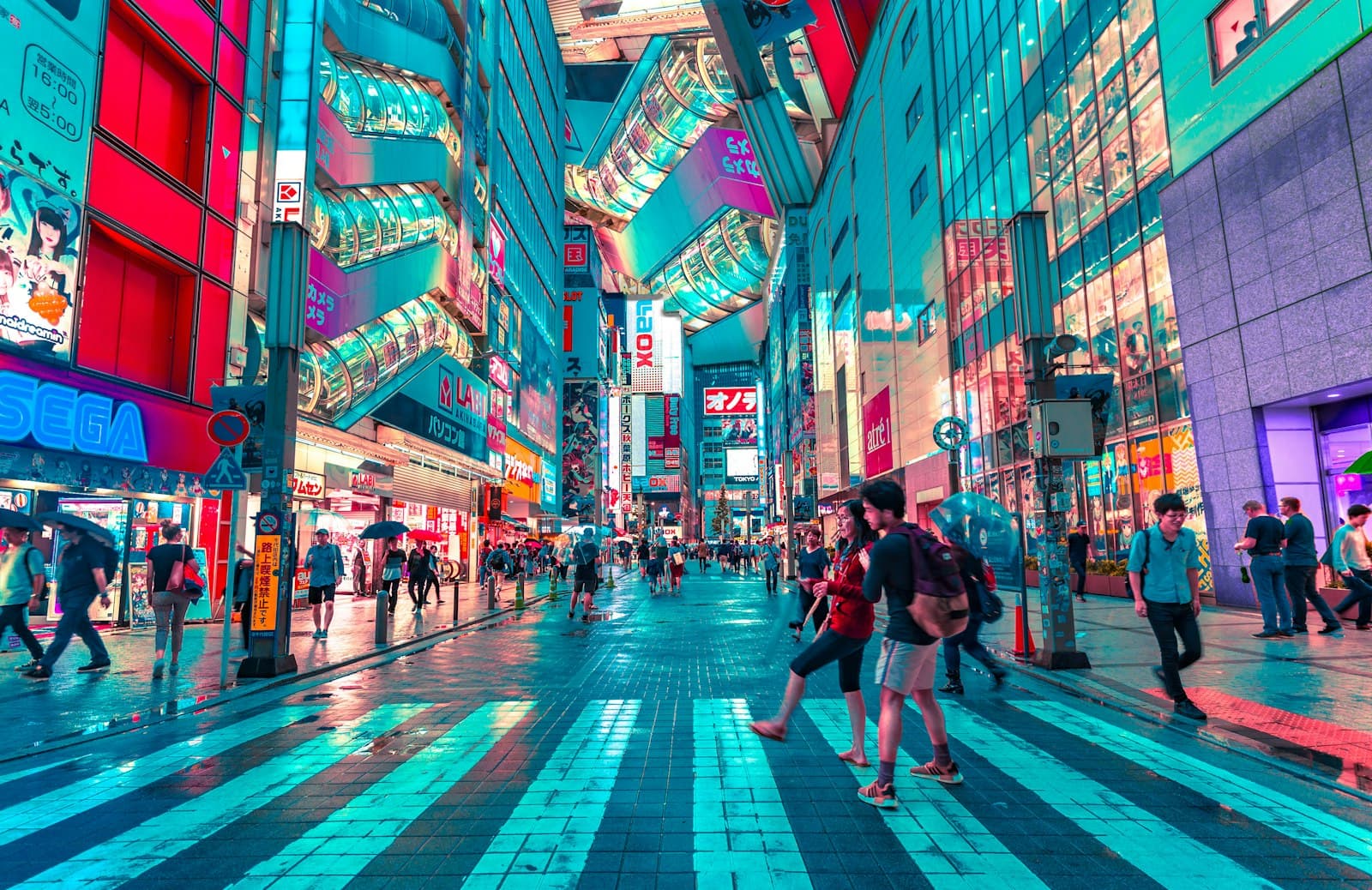
Shibuya has the best mix of location, food and transport. The Scramble Crossing, Harajuku and Omotesando are all within walking distance, and the JR Yamanote Line and the Ginza, Hanzomon and Fukutoshin subway lines all stop here.
Stay here if you want to step out of your hotel into the Tokyo you have seen in photos.
Typical prices:
- Hostels and capsules: ¥4,000–¥7,000. Our capsule hotel guide explains what a stay is like and which chains to book.
- Business hotels: ¥13,000–¥20,000.
- Boutique hotels such as TRUNK and sequence MIYASHITA PARK: ¥25,000–¥45,000.
The trade-off: weekend crowds are heavy. Light sleepers should ask for a high floor away from the station.
For what to do once you're there, see our Tokyo neighborhood guide and best rooftop bars in Tokyo.
Shinjuku: best transport links
Shinjuku Station is one of the busiest in the world, with JR, private and subway lines, the Narita Express to the airport, and long-distance buses from the Busta Shinjuku terminal. It also has the widest choice of hotels in Tokyo, from hostels to five-star towers.
Stay here if you plan day trips to Hakone, Nikko or Kamakura, or want the most flexibility.
Typical prices:
- Hostels: ¥3,500–¥6,000.
- Business hotels, of which there are many: ¥10,000–¥18,000.
- Hotel Gracery Shinjuku, the "Godzilla hotel": ¥14,000–¥22,000.
- Park Hyatt Tokyo reopened on 9 December 2025 after its renovation.
The trade-off: Shinjuku is overwhelming, and the station takes days to learn. Kabukicho, on the east side, is loud until morning, so book on the west or south side if you want quiet.
Asakusa: best budget base with character
Asakusa is old Tokyo: Senso-ji Temple, food stalls and craft shops. It has some of the city's best hostels and budget hotels, and the Toei Asakusa Line runs direct trains to both Narita and Haneda airports.
Stay here if you are spending under ¥10,000 a night and want atmosphere rather than an office district.
Typical prices:
- Hostels: ¥3,000–¥5,000.
- Budget hotels: ¥7,000–¥12,000.
- The Gate Hotel, with rooftop views over the temple: ¥18,000–¥28,000.
The trade-off: Shibuya and Shinjuku are 25–35 minutes away by train, and Asakusa goes quiet after 8 p.m. Some people prefer that.
Ginza: best for luxury and food
Ginza is polished and quiet at night, and within walking distance of the Tsukiji Outer Market and the Imperial Palace. Together with neighboring Marunouchi, it has Tokyo's strongest cluster of luxury hotels.
Stay here if your trip is built around food. Few places anywhere have as many top restaurants and department-store food halls within a short walk.
Typical prices:
- Mid-range: ¥18,000–¥30,000.
- Luxury hotels such as The Tokyo EDITION, Ginza, The Peninsula and the Imperial Hotel: ¥50,000–¥120,000.
- Aman Tokyo, in nearby Otemachi: ¥150,000+.
The trade-off: Ginza is expensive and quiet after 9 p.m. It is not a nightlife base.
Ueno: best for families
Ueno has Tokyo's biggest cluster of museums, a large park and a zoo, and the Keisei Skyliner runs direct to Narita Airport. Hotels cost less than in Shibuya or Shinjuku, rooms are often a little larger, and the area is calm at night.
Stay here if you have children, or want a practical base with good JR connections.
Typical prices:
- Hostels: ¥3,000–¥5,500.
- Business hotels: ¥8,000–¥14,000.
Where not to stay on a first visit
Roppongi is a nightlife district popular with expats and business travelers. It has no JR station, only the Hibiya and Oedo subway lines. Good for a night out, poor as a base.
Odaiba is an island of malls and attractions in Tokyo Bay. It feels cut off from the city, and almost every trip starts with the Yurikamome or Rinkai line.
Anywhere that needs a bus. If a listing says "15 minutes by bus to the station," expect 30 minutes or more to get anywhere, every time.
When to book
- Cherry blossom season (late March to early April) and autumn (November): book three to four months ahead. Prices run 30–60% above normal. See best time to visit Japan for the full seasonal picture.
- Golden Week (29 April to 5 May): avoid it, or book four or more months ahead.
- January, February and June: two to four weeks ahead is usually enough. These are Tokyo's cheapest months for hotels.
Once the neighborhood is set, search Tokyo hotels on Rakuten Travel — it lists the business hotels and smaller properties global OTAs often miss.
For overall budgeting, our Japan trip cost breakdown covers accommodation as part of a full daily budget.
Once your base is set, plan your days around it rather than criss-crossing the city on the first night. See first day in Tokyo and Tokyo at night.
FAQ
What is the best area to stay in Tokyo for first-time visitors? Shibuya or Shinjuku. Both are on the Yamanote loop, have hotels at every price, and put you in the middle of the city you came to see.
Is it better to stay in Shibuya or Shinjuku? Shibuya for nightlife, shopping and walks to Harajuku. Shinjuku for transport links and day trips. Either works well.
How many nights do I need in Tokyo? At least four or five. See our 2-week Japan itinerary for how Tokyo fits into a longer trip.
Should I change hotels within Tokyo? Usually not. Checking out and in again costs half a day, and the places most first-timers visit are within about 40 minutes of each other by train. Pick one base and travel out from it.
Are Tokyo hotel rooms really small? Yes. Business hotel rooms are often 12–18 m². If space matters, filter for 20 m² or more, and compare floor areas before you book. Newer hotels are not always bigger.
Did this guide help you plan?
Responses are collected through analytics. For factual corrections, contact the editors.
Travel Desk
The Standard Japan
Trip planning: seasons and crowds, getting around, airports, where to stay, and the practical steps before and after you land.
Facts are taken from primary sources (operators, venues, official tourism and government pages) and dates and prices are checked on the day of writing. Pages are revised when those sources change.
Expertise
Seasonal crowds, transport and airports, itineraries, lodging, pre-trip logistics
Have a question or a correction?
Ask us anything about Where to Stay in Tokyo: Best Neighborhoods for First-Timers (2026), or tell us what we got wrong. We reply within 24 to 48 hours.
Related Stories
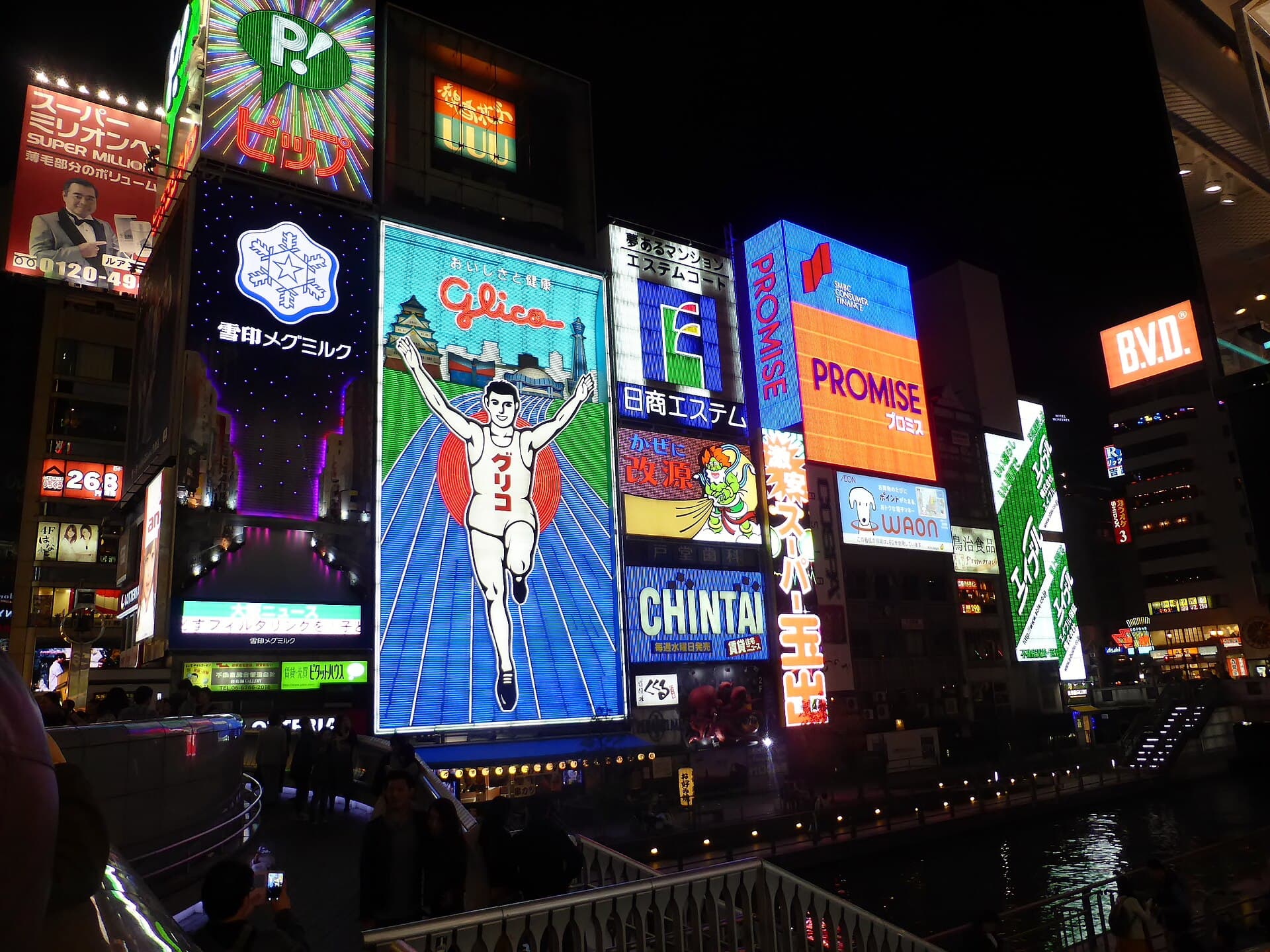
Where to Stay in Osaka: Best Areas for First-Timers (2026)
Where to stay in Osaka: Namba for food and neon, Umeda for trains and malls, Tennoji for value — neighborhood guide with prices and tradeoffs for first-timers.

Best Tokyo Neighborhoods Compared: Where to Stay and Visit (2026)
Best Tokyo neighborhoods compared: Shinjuku vs Shibuya vs Shimokitazawa vs Nakameguro. Where to stay, what to do, and which neighborhood fits you.

Tokyo Neighborhood Guide: Where to Go and Why
Tokyo neighborhoods by what you want: Shinjuku at night, Shibuya's backstreets, vintage and live music in Shimokitazawa and Koenji, Nakameguro's canal.