
Tokyo at Night: 14 Things to Do After Dark
Some travel links on The Standard Japan are affiliate links. If you book through one, we may earn a commission at no extra cost to you.
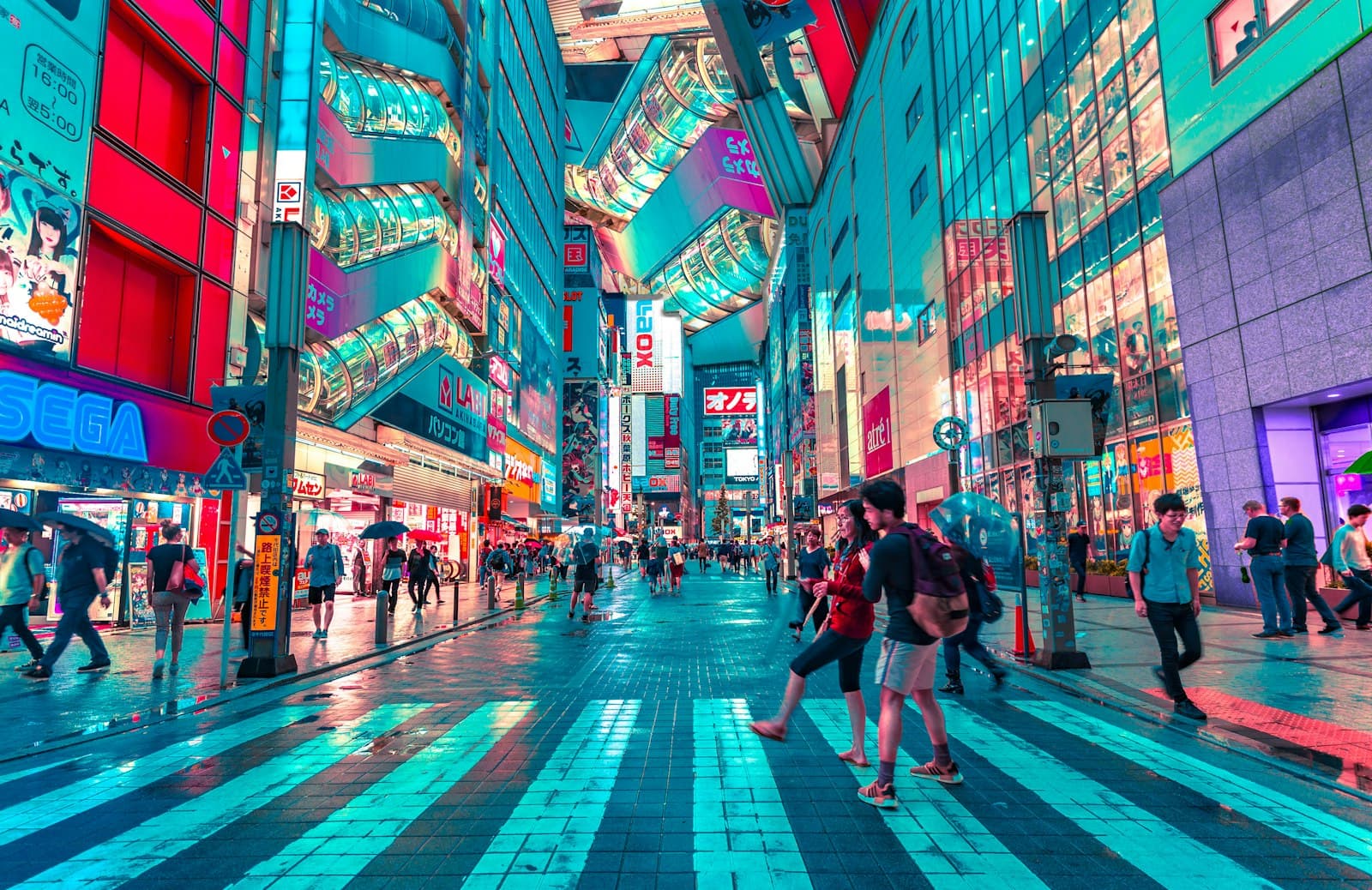
Tokyo after dark is a different city: brighter signs, smaller rooms, and a harsher penalty for poor planning. The last train matters, cover charges are common, and the best nights are specific: one district, a few doors, and a plan for getting home. For gigs and clubs, see Tokyo's live music venues.
Start with the logistics
Know your last train. If you are not staying in the neighborhood where you are drinking, check your line's final departure before the second round. Our last train guide can save you a taxi fare of ¥10,000 or more.
Pick one area. Shinjuku, or Shibuya, or Golden Gai and the edge of Kabukicho. Not all three after 9 p.m., unless you enjoy subway transfers half asleep.
Carry cash. Many tiny bars prefer it, and convenience-store ATMs take most foreign cards.
Ignore street touts. In Kabukicho and around Shibuya, people on the street will offer you cheap drinks or a "special" bar. Don't follow them. Touting is banned in Shinjuku, and the bars that depend on it are the ones that overcharge. Choose places that post their prices outside.
The classic night out
1. Golden Gai. Tiny bars run by owners with strong personalities, some with a cover charge. Pick a door and commit. See our Golden Gai guide.
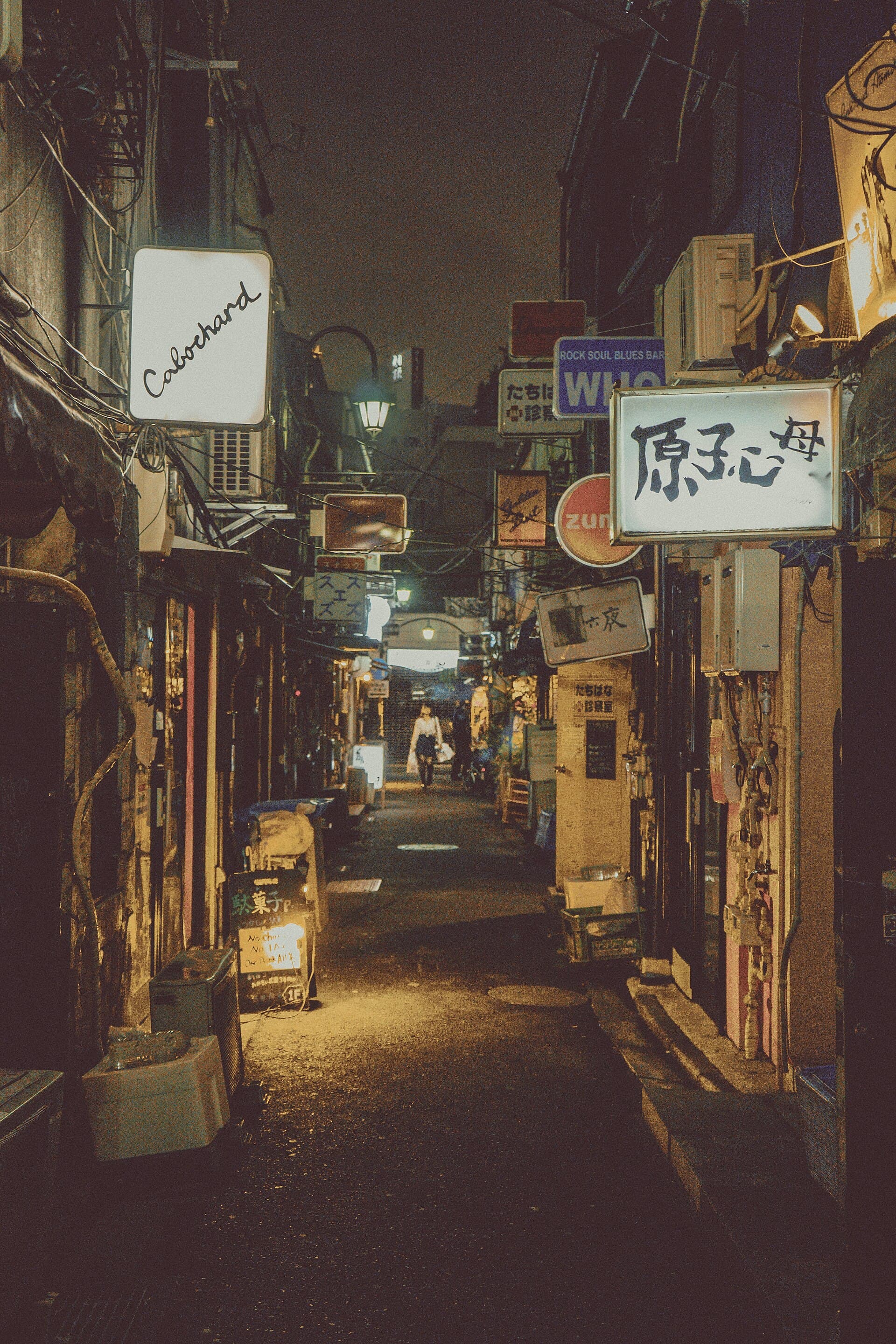
2. Yakitori at Omoide Yokocho. Smoke, skewers and cramped counters. Eat here before you go bar-hopping, so you aren't choosing dinner later after a few drinks.
3. A proper izakaya evening. Two hours, shared plates, drinks first. See izakaya culture and best izakaya in Tokyo.
4. A jazz bar built for listening. The music is the point, not the background. See Tokyo jazz bars.
5. Karaoke until the trains restart. The standard answer to a missed last train. See our karaoke guide.
Views and city lights
6. Shibuya Sky at sunset. Book a timed ticket for the slot before sunset. See Shibuya Sky tickets and Shibuya Crossing.
7. Tokyo Skytree after dark. A good evening view of east Tokyo if Asakusa is already on your list for the day.
8. A rooftop bar. Seasonal and weather-dependent, so check the forecast. See Tokyo rooftop bars.
9. Rainbow Bridge and the bay. A quieter, more spacious view of the city lights than Kabukicho.
Quieter nights
10. A neighborhood sento. On a weeknight, a local bathhouse is easier than an onsen day trip. See our Tokyo sento guide.
11. A tachinomi standing bar. Fast, cheap and sociable. See our tachinomi guide.
12. Records, then a listening bar. Shimokitazawa and Shibuya both have record shops and bars built around a sound system. See our record shops guide.
13. A night photography walk. The Shibuya Scramble, Shinjuku's west exit, or the Meguro River at Nakameguro. Tokyo is safe, but keep your bag closed in crowds.
14. Late-night ramen. Plenty of ramen shops around Shinjuku and Shibuya stay open well past midnight, and a bowl is the traditional end to a night out. See best ramen in Tokyo.
Sample nights
Shinjuku: early yakitori, two bars in Golden Gai, then jazz or karaoke, and the last train home.
Shibuya: Shibuya Sky at sunset, dinner away from the chains, one good bar, then a decision: last train or karaoke.
First night in Tokyo: a long izakaya dinner near your hotel and an early night. Save the bar-hopping for when you are over the jet lag.
For how Tokyo's nightlife compares with Osaka's, see Tokyo vs Osaka nightlife.
What to skip
Drinking only on the main tourist streets. One street back is usually better.
Starting in a new neighborhood at 11:30 p.m. Kitchens close and the last trains go soon after.
Any bar a tout takes you to. Choose your own.
FAQ
Is Tokyo safe at night? Yes, by the standards of any big city. Use normal care in crowded nightlife areas, and don't follow street touts.
What time do bars close? Many stay open late, and some until morning. The usual limit is the last train, not the bar.
Do I need to book? For observation decks, yes. Most izakaya and small bars take walk-ins; going early makes it easier.
Golden Gai or Shibuya for one night? Golden Gai for small, intimate bars; Shibuya for the crossing and a younger crowd. They are different nights.
How much should I budget? A good night with food and drinks often costs ¥8,000–15,000 or more per person, depending on cover charges and cocktail prices.
Did this guide help you plan?
Responses are collected through analytics. For factual corrections, contact the editors.
Travel Desk
The Standard Japan
Trip planning: seasons and crowds, getting around, airports, where to stay, and the practical steps before and after you land.
Facts are taken from primary sources (operators, venues, official tourism and government pages) and dates and prices are checked on the day of writing. Pages are revised when those sources change.
Expertise
Seasonal crowds, transport and airports, itineraries, lodging, pre-trip logistics
Have a question or a correction?
Ask us anything about Tokyo at Night: 14 Things to Do After Dark, or tell us what we got wrong. We reply within 24 to 48 hours.
Related Stories
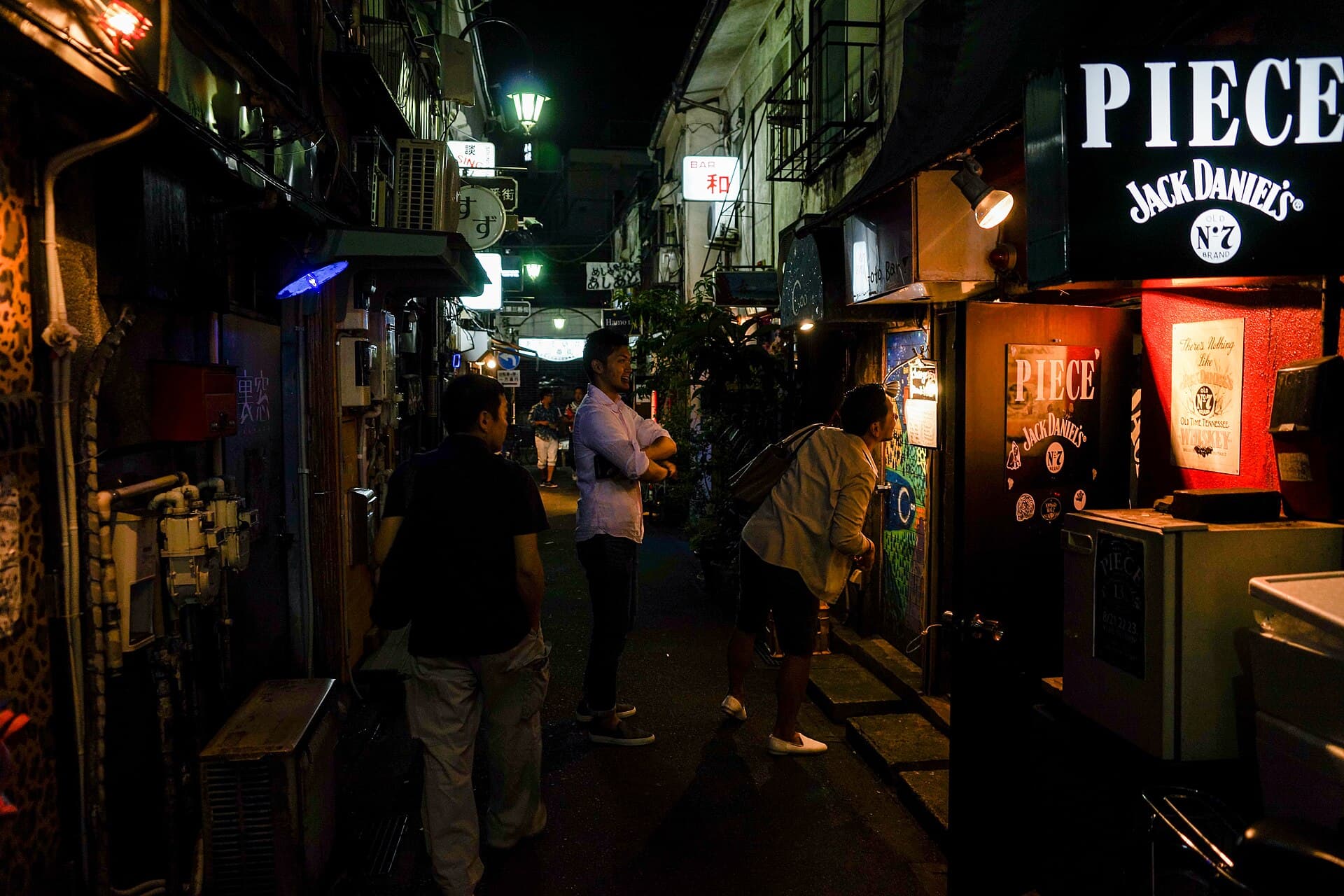
Shinjuku Guide: What to Do in Tokyo’s Chaos District
Shinjuku guide: west exit chaos, Golden Gai, Omoide Yokocho, Gyoen, observatories, and the food-and-bar nights worth booking — without getting lost for hours.
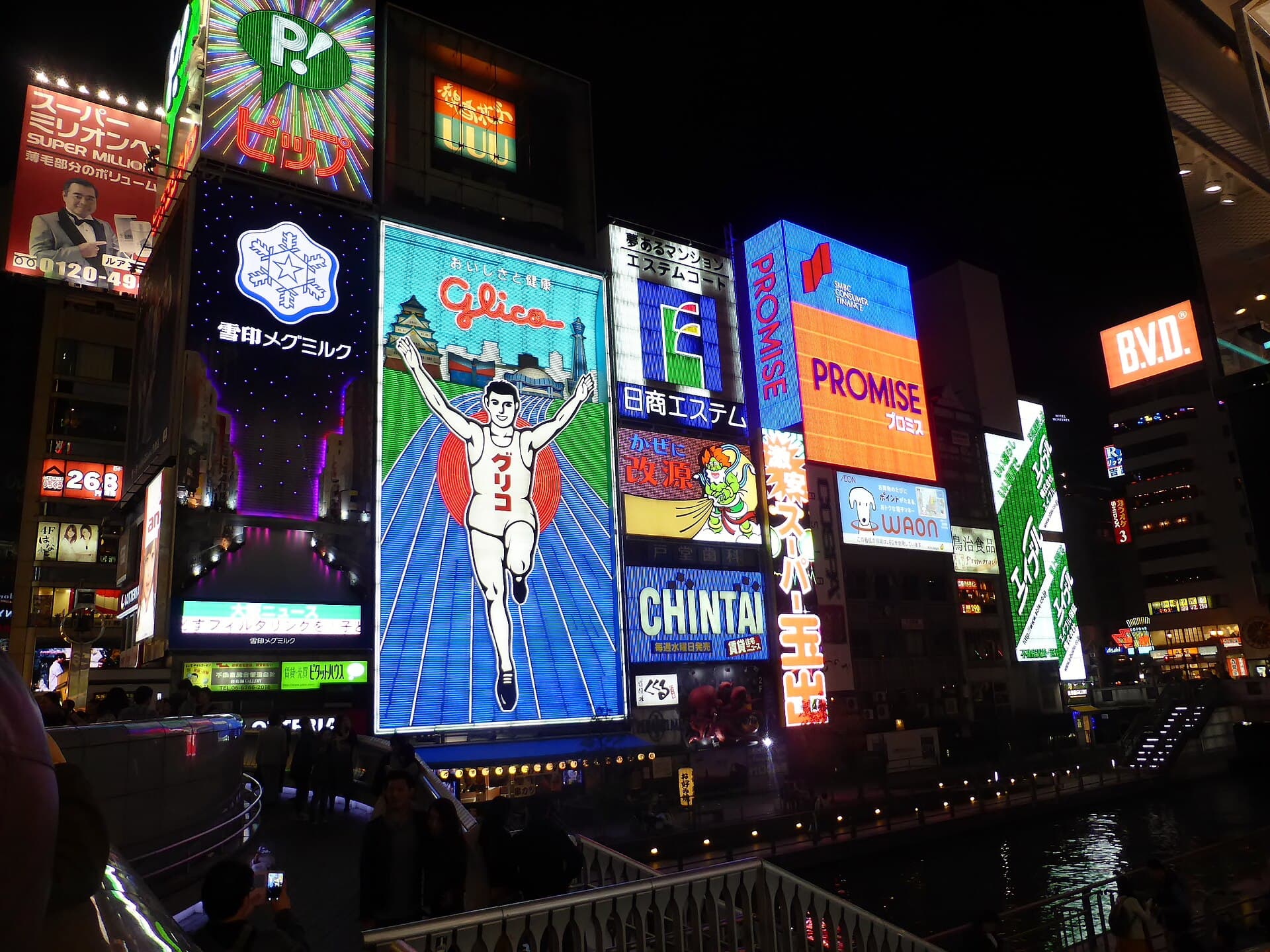
Tokyo vs Osaka Nightlife 2026: Depth or Easy Night One?
Osaka vs Tokyo nightlife: Osaka wins night one (Namba, Dotonbori energy). Tokyo wins depth across nights — Golden Gai, rooftops, jazz. Pick by trip shape.
Osaka Night Views 2026: Umeda Sky and Rooftop Bars
Osaka at night: the Umeda Sky Building's open-air deck (¥2,000, until 22:30), Sky Lounge Stardust or Conrad Osaka’s 40 Sky Bar, then Dotonbori's neon.