
Shinjuku Guide: What to Do in Tokyo’s Chaos District
Some travel links on The Standard Japan are affiliate links. If you book through one, we may earn a commission at no extra cost to you.
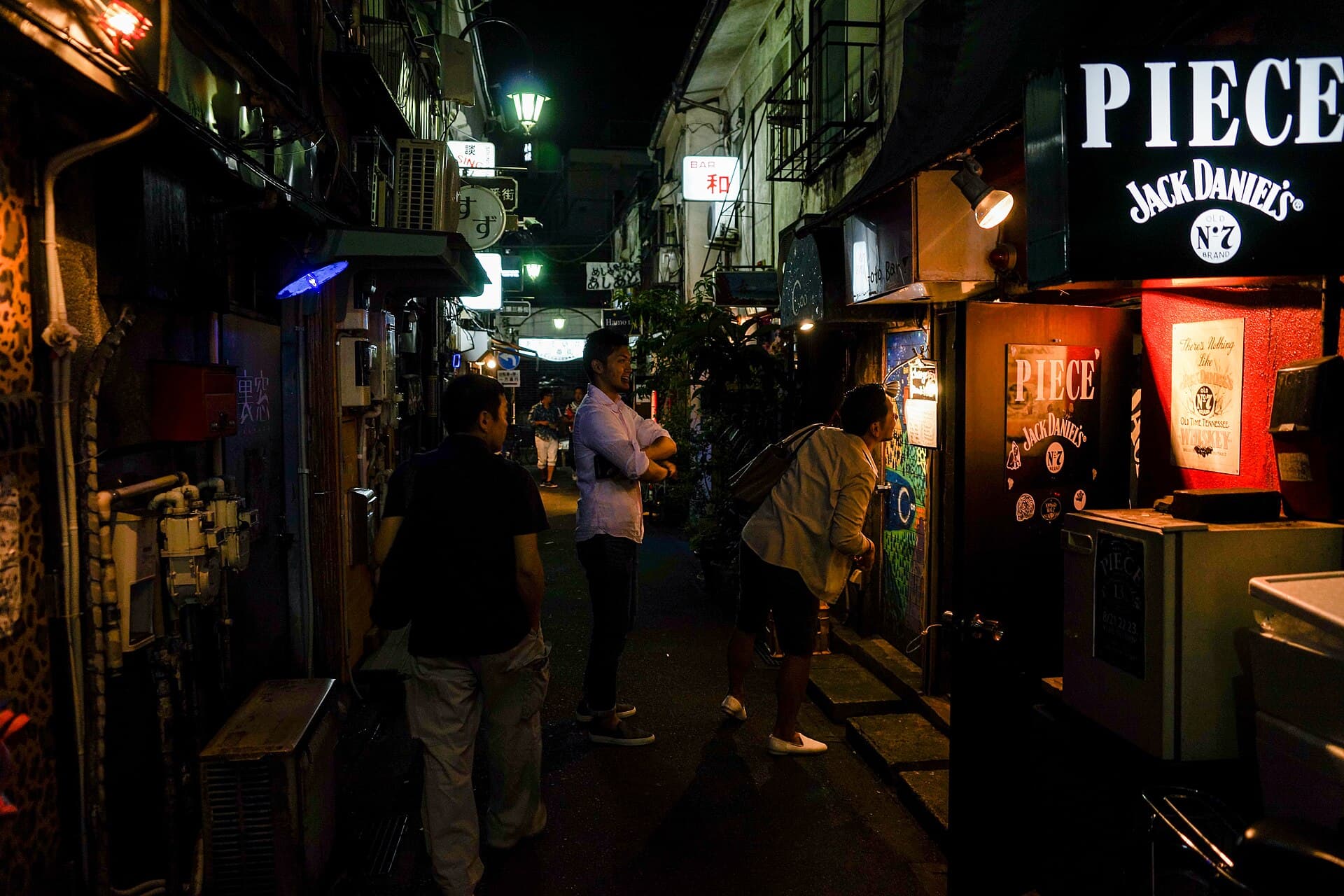
Shinjuku is not one neighborhood. It is a station the size of a small town, a garden that feels far from the city, a district of skyscrapers and another of neon, and two lanes of tiny bars that still feel like villages. The trick is to choose one part at a time.
Finding your way around
East exit: department stores such as Isetan, the Kabukicho entertainment district and the way to Golden Gai.
West exit: skyscrapers, the Tokyo Metropolitan Government Building and Omoide Yokocho.
South exit: the Busta Shinjuku bus terminal, the newer shopping complexes and the way to Shinjuku Gyoen.
Use an IC card, note which exit is closest to your hotel, and expect to get turned around at least once. Everyone does.
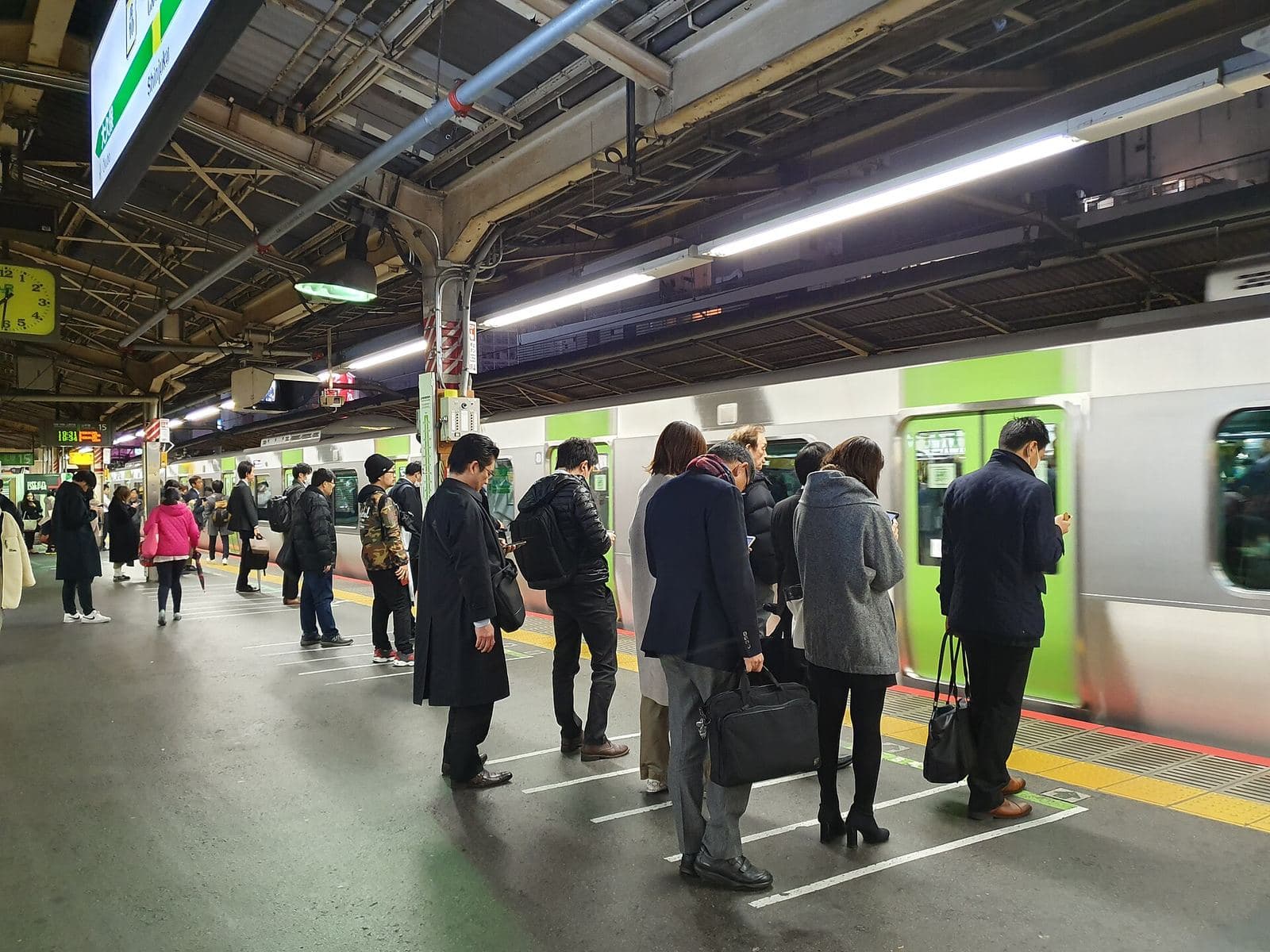
Shinjuku by day
Shinjuku Gyoen. One of Tokyo's best gardens, with Japanese, French and English landscape sections in one large park. Adult entry is ¥500, alcohol is not allowed, and it is usually closed on Mondays. It is famous, and crowded, in cherry blossom season; on other weekdays it is calm.
The Tokyo Metropolitan Government Building. Its observation decks, 202 meters up, are free, and on clear days you can see Mount Fuji. Check which deck is open when you go. In the evening, a projection-mapping show plays on the building's facade.
Depachika. The basement food halls of Isetan and its neighbors are the best place in Shinjuku to buy lunch; see our depachika guide.
For views with a drink, see Tokyo rooftop bars.
Shinjuku at night
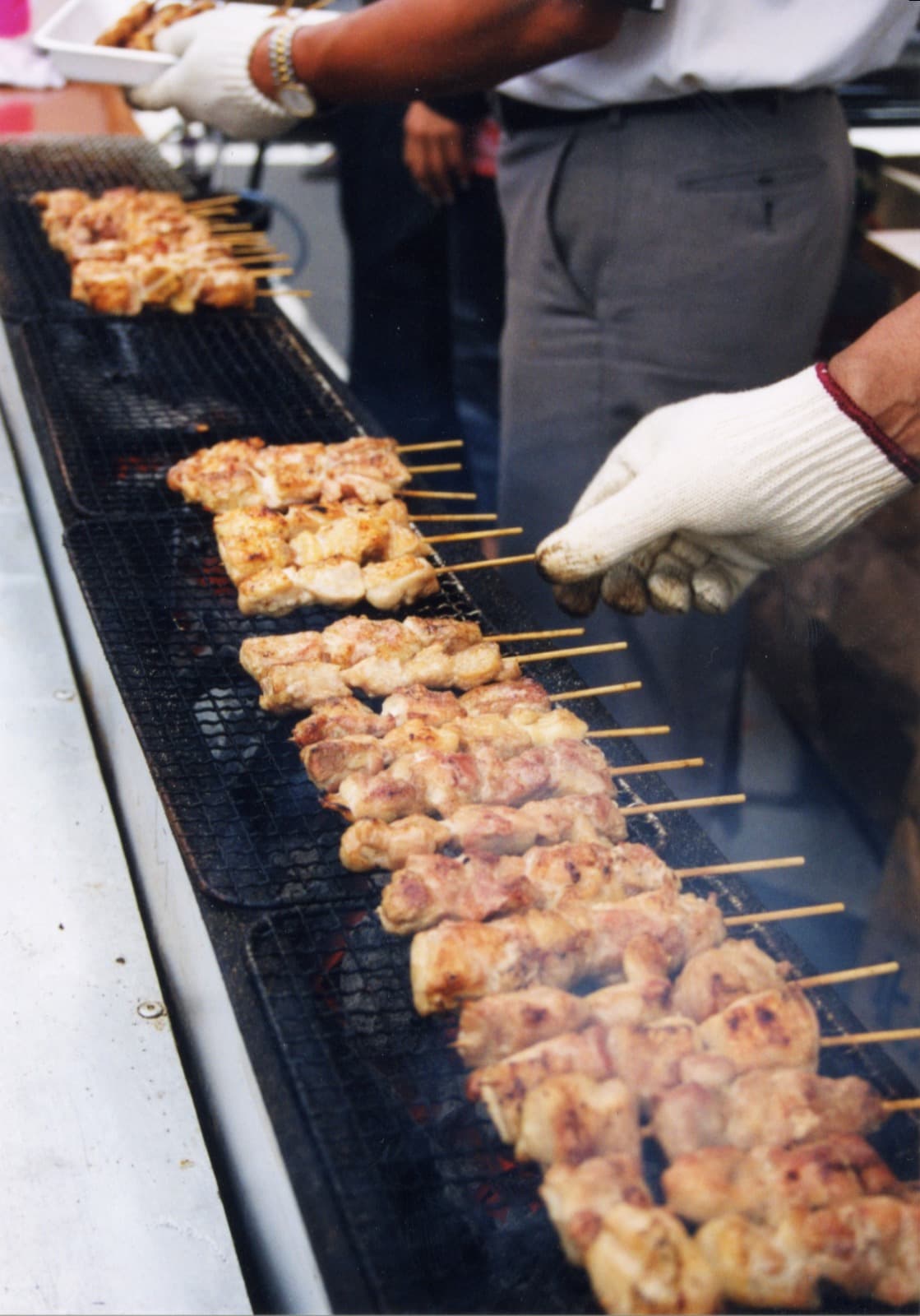
Omoide Yokocho. Narrow lanes of tiny yakitori counters beside the tracks, full of smoke. Come early in the evening, before it gets crowded.
Golden Gai. Nearly 300 tiny bars on a few narrow lanes. Some charge a cover, and many prefer cash. Pick two or three and settle in. See our Golden Gai guide.
Kabukicho. Neon, game centers and the Godzilla head on top of the Toho building. It is fine to walk around, but ignore the street touts who offer cheap drinks or "special" bars; they lead to overpriced venues. Choose your own places. See our guide to tourist scams.
An izakaya evening. Two hours of shared plates is better than five rushed stops. See izakaya culture and best izakaya in Tokyo.
New to tiny bars?
Small bars can feel closed when you are standing at the door. Look for a menu or a price board outside, and an English sign that says "welcome" or lists the cover charge. Open the door, ask "hairemasu ka?" (can we come in?), and if it is full, the owner will tell you. One drink and a chat with the person behind the counter is the whole idea.
Practical points
The last train. Check when your line's last train leaves before the third round; see our last train guide.
Cash. Still expected in many small bars.
Stay in one area after 9 p.m. Heading to Shibuya "just for a bit" is how evenings fall apart. For more ideas, see Tokyo at night.
Sample days
A calm day: Shinjuku Gyoen in the morning, lunch from a depachika, then the free observation deck in the afternoon.
A classic night: early yakitori at Omoide Yokocho, two bars in Golden Gai, then the last train or karaoke.
What to skip
Drinking only on the brightest street. One street over is usually better.
Navigating the station after midnight. Work out your exit in daylight.
FAQ
Is Shinjuku safe at night? Yes, by the standards of any big city. Use normal care in crowded nightlife areas, and don't follow street touts.
Golden Gai or Shibuya for one night? Golden Gai for small, intimate bars; Shibuya for the crossing and a younger crowd. They are different nights.
Do I need reservations? Not for most yakitori counters and small bars, which take walk-ins. Going early makes it easier.
How many nights do you need in Shinjuku? One good night shows you how it works. Two if you love small bars.
Did this guide help you plan?
Responses are collected through analytics. For factual corrections, contact the editors.
Travel Desk
The Standard Japan
Trip planning: seasons and crowds, getting around, airports, where to stay, and the practical steps before and after you land.
Facts are taken from primary sources (operators, venues, official tourism and government pages) and dates and prices are checked on the day of writing. Pages are revised when those sources change.
Expertise
Seasonal crowds, transport and airports, itineraries, lodging, pre-trip logistics
Have a question or a correction?
Ask us anything about Shinjuku Guide: What to Do in Tokyo’s Chaos District, or tell us what we got wrong. We reply within 24 to 48 hours.
Related Stories
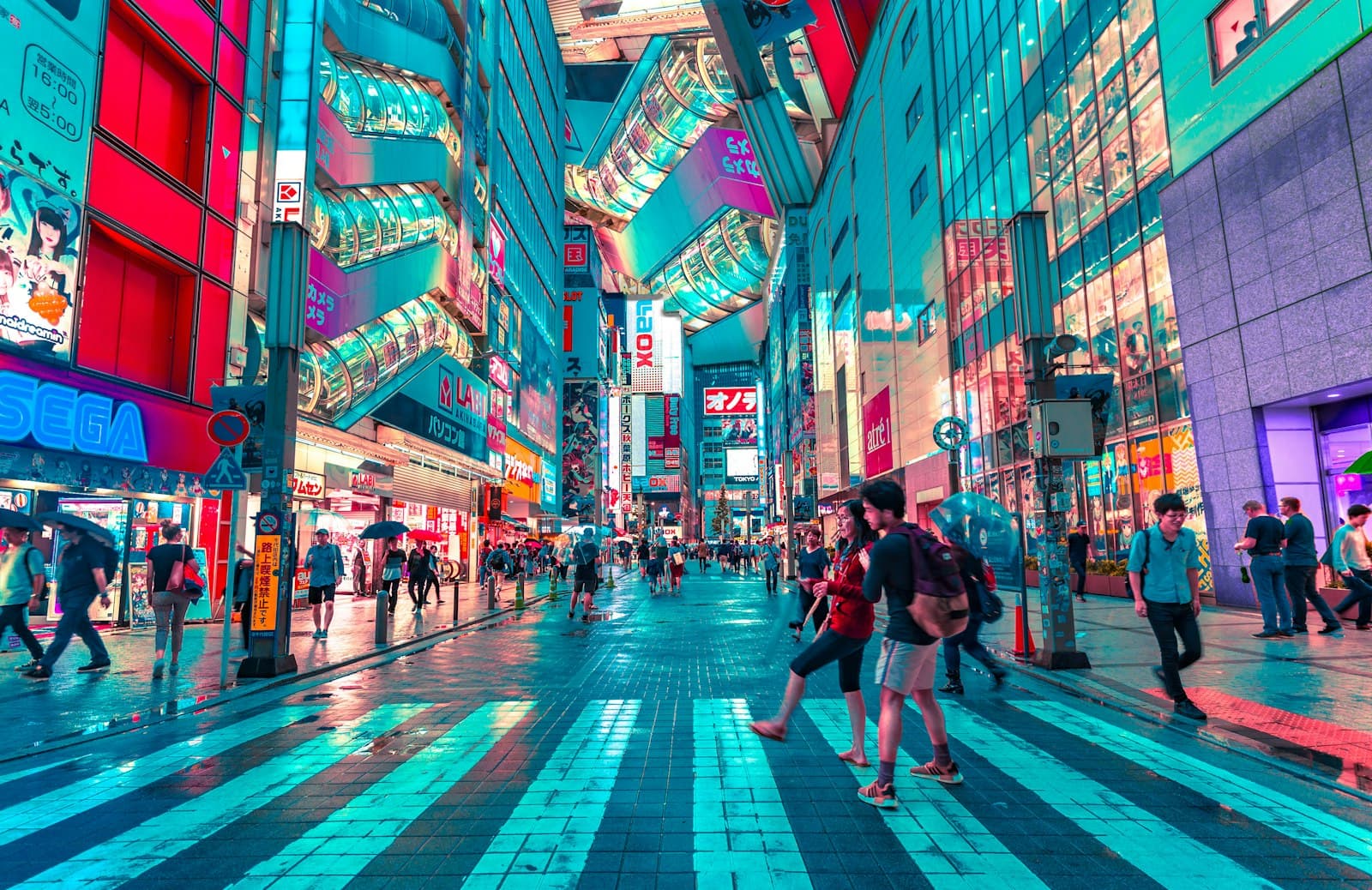
Golden Gai Opening Hours, Cover Charges and First-Timer Bars
Golden Gai opens around 8pm and closes per bar between 2am and 5am — there is no alley-wide last call. Cover runs ¥500–1,500. Which of the nearly 300 bars welcome first-timers.
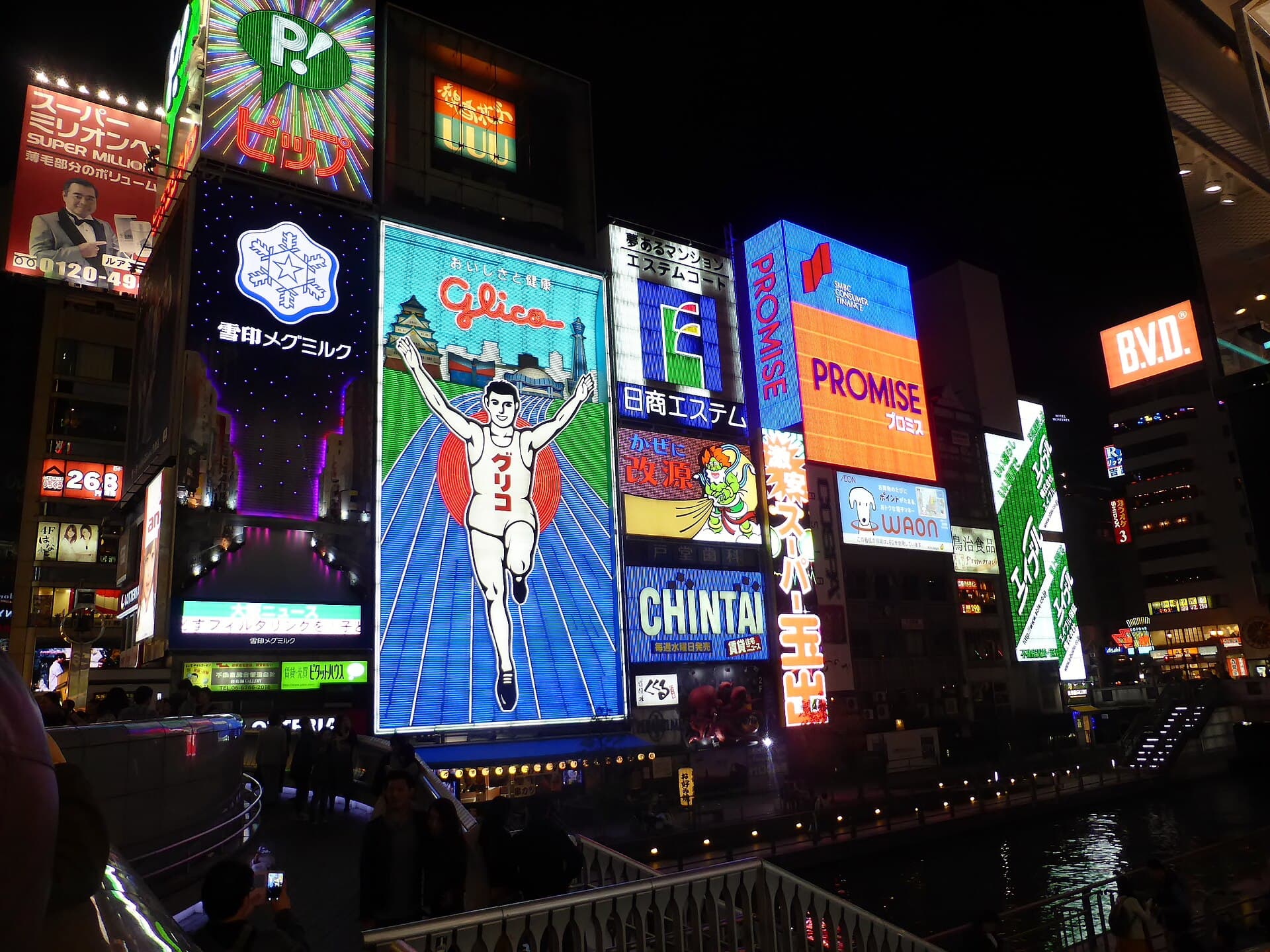
Tokyo vs Osaka Nightlife 2026: Depth or Easy Night One?
Osaka vs Tokyo nightlife: Osaka wins night one (Namba, Dotonbori energy). Tokyo wins depth across nights — Golden Gai, rooftops, jazz. Pick by trip shape.
Best Yakitori in Tokyo: Birdland, Takahashi, Omoide Yokocho
Yakitori in Tokyo: Birdland's Okukuji shamo omakase in Ginza, Omoide Yokocho's alley stalls, and 410-yen Torikizoku. Where to go and how to order.