
10 Best Yakitori Restaurants in Tokyo: From ¥2,000 Izakaya to ¥18,000 Omakase
Best yakitori in Tokyo 2026: Toriki for classic yakitori izakaya experience, Birdland for Michelin-starred omakase, Torishiki for impossible-to-book perfection. Complete guide to Tokyo's best yakitori by neighborhood and price.
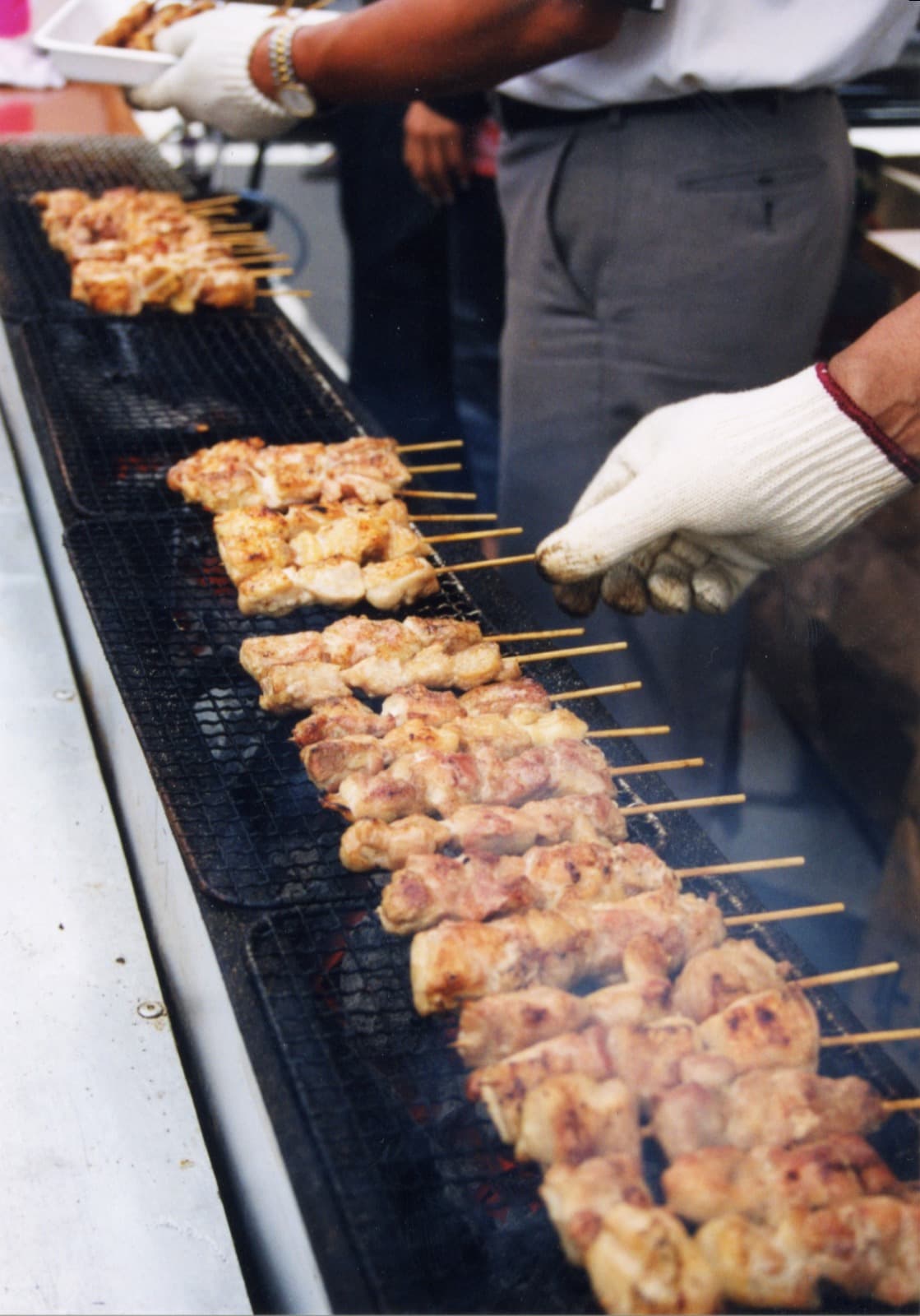
Yakitori is Tokyo's democratic luxury: grilled chicken skewers served at tiny charcoal-smoke-filled counters where salarymen and food critics sit side by side. The best yakitori in Tokyo ranges from ¥2,000 neighborhood spots to ¥18,000 Michelin-starred omakase, but the ritual stays the same: cold beer, hot skewers, charcoal smoke.
Here's where to eat the best yakitori in Tokyo in 2026, organized by price, neighborhood, and style.

What Makes Tokyo Yakitori Special
Tokyo yakitori culture has specific characteristics:
Charcoal (binchotan) — White charcoal from oak, burns at high heat with minimal smoke. This is what gives Tokyo yakitori its signature char without ash taste.
Every part of the chicken — Breast, thigh, skin, heart, liver, gizzard, tail, cartilage. Nothing wasted. The best shops serve 15+ different chicken parts.
Salt or tare — Skewers come with either salt (for delicate cuts) or tare (sweet soy-mirin glaze for richer parts). Chefs decide which.
Counter culture — Sit at the counter, watch the chef grill, drink beer, eat skewers as they come. Yakitori is social, informal, and often loud.
Beer pairing — Yakitori exists to go with beer. Highball (whiskey soda) and sake work too, but beer is traditional.
The best yakitori spots are tiny, smoky, packed, and perfect.
Best High-End Yakitori Tokyo (Michelin & Omakase)
Birdland (バードランド) — Ginza
Tokyo's only Michelin-starred yakitori restaurant. Birdland serves omakase-style yakitori in a formal but friendly basement counter. Chef Toshihiro Wada uses only specific chickens (Daisen breed from Tottori Prefecture), grills over binchotan, and finishes with minimal seasoning.
Why it matters — Brought yakitori from izakaya to fine dining. Reservations are difficult but not impossible.
- Location — Ginza (basement of Tsukamoto Sogyo Building)
- Price — ¥12,000-¥18,000 omakase course
- Michelin — One star
- Reservations — Required, book 1-2 months ahead via hotel concierge or online
- Dress code — Smart casual
What you'll eat — 12-15 skewers in progression from light (breast) to rich (liver, hearts), finishing with oyakodon (chicken and egg rice bowl) or tsukune (meatball) over rice. Each skewer is perfectly grilled, served immediately.
Torishiki (鳥しき) — Meguro
The most difficult yakitori reservation in Tokyo. Three Michelin stars in spirit (though it's only one-starred because of limited capacity). Chef Ikegawa serves 8 people maximum per night.
Reality check — Unless you have strong connections, you're not getting in. Reservations are mostly regulars or referrals. Worth knowing about, unlikely to eat here.
- Location — Meguro (residential street, no sign)
- Price — ¥15,000-¥20,000
- Michelin — One star
- Reservations — Near-impossible (regulars only)
Why mention it? Because it's the platonic ideal of Tokyo yakitori — if you somehow get invited, go.
Toriyoshi (鳥よし) — Shibuya
More accessible Michelin-level yakitori. Chef trained at high-end shops but keeps atmosphere relaxed. Excellent technique without stuffiness.
- Location — Shibuya (near Shibuya Station)
- Price — ¥8,000-¥12,000 omakase
- Reservations — Book 2-3 weeks ahead
- Atmosphere — Friendly, less formal than Birdland
Good compromise: Michelin-quality yakitori without the Ginza formality or two-month waiting list.
Best Mid-Range Yakitori (¥3,000-¥6,000)
Toriki (鳥喜) — Meguro
Neighborhood yakitori institution since 1946. No reservations, no fuss, no English menu — just perfect yakitori at fair prices. Toriki is what Tokyo locals mean when they say "let's get yakitori."
Best for — Real Tokyo yakitori experience without Michelin prices.
- Location — Meguro (5 min walk from station)
- Price — ¥2,500-¥4,000 per person
- No reservations — First come, first served
- Wait time — 30-60 minutes on weekends, worth it
Order the moriawase (assorted skewers) and let them send what's good. Pair with draft beer or lemon sour.
Yakitori Alley (Omoide Yokocho) — Shinjuku
Not one restaurant — a whole alley of tiny yakitori stalls. Omoide Yokocho ("Memory Lane," also called "Piss Alley") has been serving grilled chicken and beer since post-war 1940s.
- Location — Shinjuku (near West Exit of Shinjuku Station)
- Price — ¥2,000-¥4,000 per person
- Atmosphere — Retro, chaotic, smoky, authentic
- Best time — After 7pm when it's packed and energetic
Walk the alley, find a stall with space, sit at the counter, order beer and skewers. This is Tokyo at its most unpretentious. Pair with izakaya culture guide.
Torigin (とり元) — Multiple Locations
Small chain that maintains high quality. Friendly, English menus available, reliable for first-timers.
- Locations — Shibuya, Ebisu, others
- Price — ¥3,000-¥5,000
- Reservations — Recommended on weekends
- Good for — Groups, tourists, reliable quality
Not life-changing, but consistently good yakitori with izakaya sides (edamame, tsukemono, tofu).
Best Budget Yakitori (¥1,500-¥3,000)
Torikizoku (鳥貴族) — Chain Everywhere
Yakitori chain with uniform pricing: all skewers ¥370. It's the McDonald's of yakitori — but executed with Japanese consistency.
- Price — ¥1,500-¥2,500 total (all items ¥370)
- Locations — Everywhere in Tokyo
- Atmosphere — Loud, young crowd, drinking-focused
- Good for — Budget nights, late-night snacks
Quality is decent. Beer is cheap. Perfect when you want yakitori but don't want to spend ¥5,000.
Gyomu Super Yakitori Sections
Major supermarkets sell pre-grilled yakitori in the deli section for ¥100-¥200 per skewer. Heat at home or eat cold. Surprisingly good for convenience.
Best Yakitori by Neighborhood
Ginza: High-End Excellence
- Birdland (¥15,000 Michelin-starred omakase)
- Multiple expensive yakitori-ya catering to business dinners
Ginza yakitori is formal, expensive, and technically perfect.
Meguro: Hidden Gems
- Torishiki (¥18,000 impossible to book)
- Toriki (¥3,000 neighborhood legend)
Meguro has Tokyo's yakitori poles: the most exclusive and the most authentic.
Shinjuku: Chaotic and Delicious
- Omoide Yokocho (¥3,000 retro yakitori alley)
- Torikizoku (¥2,000 budget chain)
Shinjuku yakitori is accessible, loud, and perfect for groups. See Golden Gai guide for nearby drinking.
Shibuya: Mixed Options
- Toriyoshi (¥10,000 Michelin-level)
- Torigin (¥4,000 reliable chain)
Shibuya has range — high and mid-range options near the station.
How to Order Yakitori (Menu Guide)
Essential Skewers (Order These First)
| Japanese | Part | Description | Salt or Tare |
|---|---|---|---|
| Momo (もも) | Thigh | Juicy, rich, classic | Tare |
| Negima (ねぎま) | Thigh + leek | Iconic combination | Tare or salt |
| Tsukune (つくね) | Meatball | Ground chicken, sometimes with egg yolk | Tare |
| Kawa (皮) | Skin | Crispy, fatty | Salt |
| Sasami (ささみ) | Breast | Lean, delicate | Salt |
Adventurous Parts (Offal/Nankotsu)
| Japanese | Part | Description |
|---|---|---|
| Hatsu (ハツ) | Heart | Firm, slightly chewy |
| Reba (レバー) | Liver | Rich, creamy (if cooked rare) |
| Sunagimo (砂肝) | Gizzard | Crunchy texture |
| Bonjiri (ぼんじり) | Tail | Fatty, prized cut |
| Nankotsu (軟骨) | Cartilage | Crunchy, fun texture |
Vegetables
- Negi (ネギ) — Leek skewers
- Shiitake (椎茸) — Mushrooms
- Piman (ピーマン) — Green peppers
How to Order
At casual izakaya — Order 2-3 skewers per person to start, then add more. Say "momo hitotsu" (one thigh) or "negima futatsu" (two leek-chicken).
At omakase places — Say "omakase de onegaishimasu" (chef's choice please). You'll get a curated course.
Yakitori Etiquette
Do —
- Order beer first (it's traditional)
- Eat skewers with your hands (not chopsticks)
- Eat the whole skewer, don't leave meat on the stick
- Order progressively — start with a few, add more
- Pace drinking with eating
Don't —
- Remove meat from skewer and pile on plate (eat directly)
- Re-dip sauce if bite is taken (double-dipping)
- Mix salt and tare on same skewer
- Rush — yakitori is meant to be slow drinking food
What to Drink with Yakitori
| Drink | Why It Works |
|---|---|
| Beer | Classic pairing, cuts through grilled fat |
| Highball | Whiskey-soda, refreshing, popular with young people |
| Lemon Sour | Chu-hai with lemon, light and fizzy |
| Sake | Pairs well, but less common than beer |
| Umeshu | Plum wine, sweeter option |
Beer is most traditional. Order "nama" (draft) or "nama biiru" (draft beer). Asahi, Kirin, and Sapporo are standard.
Yakitori Costs in Tokyo 2026
| Category | Price Range | What You Get |
|---|---|---|
| Budget | ¥1,500-¥3,000 | Chain yakitori, all-you-can-drink options |
| Mid-range | ¥3,000-¥6,000 | Neighborhood spots, quality izakaya |
| High-end | ¥8,000-¥12,000 | Premium omakase, skilled chefs |
| Michelin | ¥12,000-¥20,000 | Birdland, Torishiki, top-tier |
Average good yakitori meal with drinks: ¥4,000-¥5,000
Yakitori Seasonality
Yakitori is year-round, but sides and some specials change:
Summer — Cold edamame, hiyayakko (cold tofu), tomato skewers Winter — Nabe (hot pot), oden, hot sake
The chicken itself is consistent — it's the izakaya sides that shift with seasons.
Vegetarian at Yakitori Restaurants
Most yakitori places offer vegetable skewers:
- Negi (leek)
- Shiitake (mushroom)
- Piman (green pepper)
- Tomato (seasonal)
But yakitori restaurants are fundamentally about chicken. For better vegetarian izakaya options, see best izakaya Tokyo.
Yakitori vs Kushiyaki vs Kushikatsu
| Dish | Description |
|---|---|
| Yakitori | Grilled chicken skewers over charcoal |
| Kushiyaki | Grilled skewers (any meat/vegetable, not just chicken) |
| Kushikatsu | Breaded and deep-fried skewers (Osaka specialty) |
If the menu says "kushiyaki," you'll find pork, beef, and seafood skewers alongside chicken. Yakitori-focused shops stick to chicken.
FAQ
What is the best yakitori restaurant in Tokyo? For high-end: Birdland (Ginza) for Michelin-starred omakase. For authentic mid-range: Toriki (Meguro) for perfect neighborhood yakitori. For atmosphere: Omoide Yokocho (Shinjuku) for retro izakaya experience.
How much does yakitori cost in Tokyo? Budget — ¥1,500-¥3,000. Mid-range — ¥3,000-¥6,000. High-end — ¥8,000-¥12,000. Michelin — ¥12,000-¥20,000. Average meal with drinks — ¥4,000-¥5,000.
Do you eat yakitori with your hands or chopsticks? Hands are traditional and easier. Chopsticks work but are less common. Don't remove meat from skewer and eat it separately — eat directly from skewer.
What is the best yakitori to order in Tokyo? Start with: momo (thigh), negima (chicken and leek), and tsukune (meatball). Then try kawa (crispy skin) and hatsu (heart) if adventurous.
Do I need reservations for yakitori in Tokyo? High-end places (Birdland, Toriyoshi) require reservations. Mid-range neighborhood spots like Toriki are first-come, first-served. Budget chains take walk-ins.
What's the difference between salt and tare yakitori? Salt (shio) — lets natural chicken flavor shine, used for delicate cuts like breast. Tare — sweet soy-mirin glaze, used for richer cuts like thigh. Chef will choose which for each skewer at omakase places.
Can vegetarians eat at yakitori restaurants? Most places offer vegetable skewers (leeks, peppers, mushrooms), but selection is limited. Yakitori restaurants are fundamentally chicken-focused. Better vegetarian options at general izakaya.
Is yakitori healthy? Grilled chicken is relatively healthy — high protein, lower fat than fried foods. But yakitori is drinking food, so calorie count includes beer. A typical meal: 600-900 calories from skewers + alcohol.
What does omakase mean at yakitori restaurants? "Omakase" (chef's choice) means you get a set course of skewers chosen by the chef — usually 10-15 pieces progressing from light to rich. Price is fixed. Standard at high-end places, sometimes available at mid-range spots too.
Food Desk
The Standard Japan
Where and how to eat in Japan, from konbini and kissaten to izakaya, ramen and department-store food halls.
Facts are taken from primary sources (operators, venues, official tourism and government pages) and dates and prices are checked on the day of writing. Pages are revised when those sources change.
Expertise
Restaurants, izakaya, ramen, food halls, ordering and etiquette
Have a question or a correction?
Ask us anything about 10 Best Yakitori Restaurants in Tokyo: From ¥2,000 Izakaya to ¥18,000 Omakase, or tell us what we got wrong. We reply within 24 to 48 hours.
The Standard Newsletter
Tokyo in your inbox. Weekly.
No algorithms curating your culture. No sponsored content disguised as journalism. Just the real Tokyo — the izakayas at 2am, the Harajuku kids who never made it to the algorithm, the ramen shop with no sign.
280+
Guides
Weekly
Editions
Free
Always
Join the underground.
One email a week. Unsubscribe anytime.
No spam. No sharing your data. Tokyo only.
Related Stories
Best Food in Kyoto: Where to Eat Beyond the Temple Circuit
Best food in Kyoto for tourists — Nishiki Market strategy, kaiseki vs casual, tofu and matcha, where to book, and how to eat well without wasting temple mornings.
Fushimi Sake District Guide: Kyoto's Sake Brewery Neighborhood
Fushimi is Kyoto's sake brewery district — white-walled breweries, a canal boat ride, and tastings a short train ride from Fushimi Inari. Here's how to spend an afternoon there.
Sake Tasting in Tokyo: Best Experiences for First-Timers
Sake tasting in Tokyo for tourists — what junmai and ginjo mean, where to book a class, how much to spend, and how to order afterward without guessing.