
Best Ski Resorts in Japan (2026–27): Niseko, Hakuba, and Where the Powder Actually Is
Niseko gets the hype, but it's not the only — or even the best — call for every trip. A resort-by-resort breakdown of Japan's top ski towns for 2026–27.
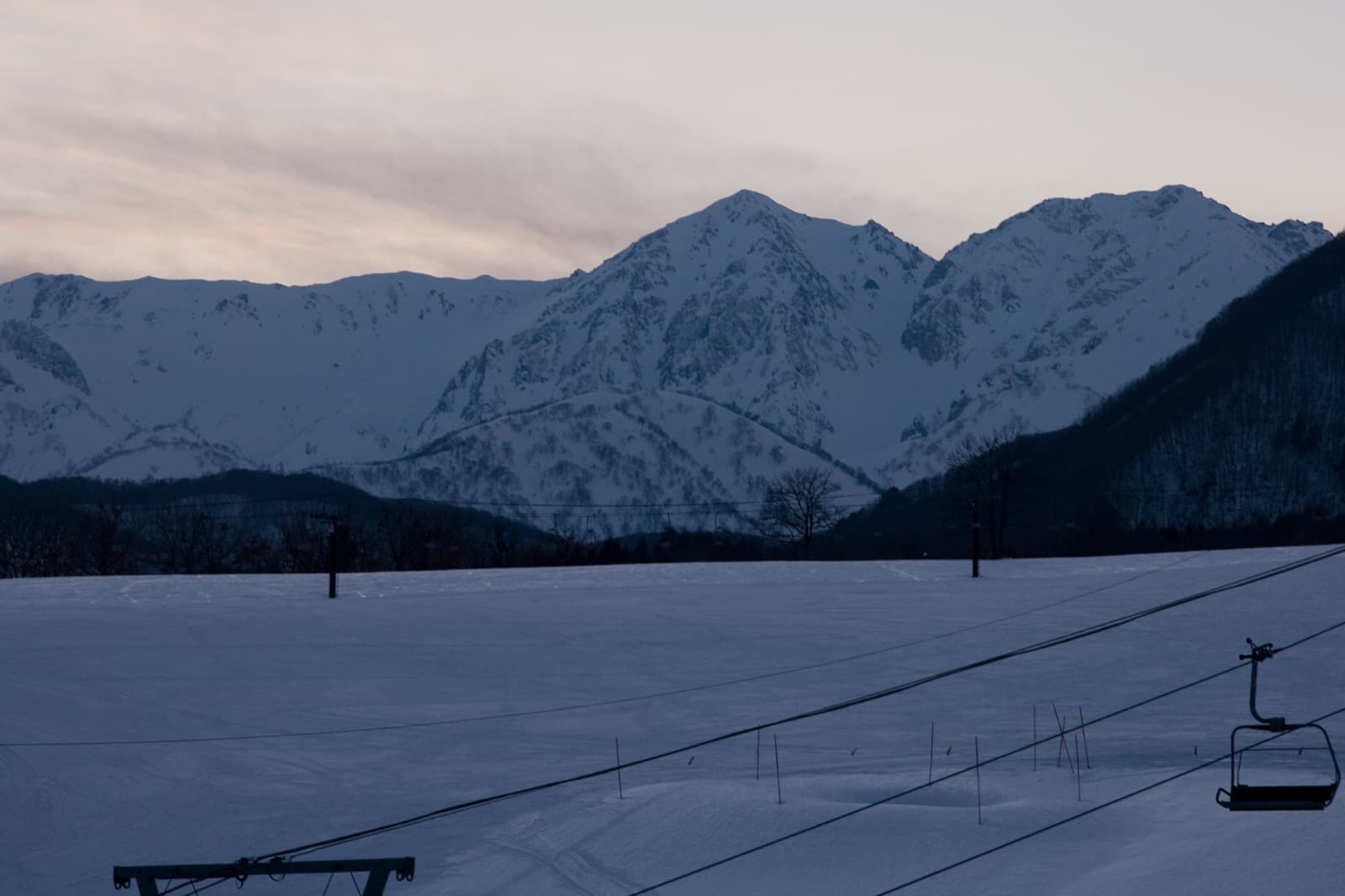
Niseko is not automatically the right call, even though it's the name everyone knows. It has the deepest, most reliable powder in the country and an entire town built around foreign skiers, which is exactly why it's also the most expensive and the most crowded. Depending on your budget, your skill level, and whether you actually want to hear Japanese spoken in the lift line, one of the other six resorts below might serve you better.
This is a comparison, not a ranking — the "best" resort depends entirely on what you're optimizing for.
Some links in this article are affiliate links. If you book through them, The Standard Japan may earn a commission at no additional cost to you.
Niseko — the benchmark, at a price
Niseko United links four resorts — Hanazono, Grand Hirafu, Niseko Village, and Annupuri — into one interconnected mountain west of Sapporo. It averages roughly 15 meters of snowfall a season, which puts it in the same league as Utah's Wasatch range for lift-served powder. That consistency, plus twenty years of Australian and now broader international investment, is why Hirafu has English menus, English-speaking ski schools, and a nightlife scene that doesn't exist anywhere else in Japan's mountains.
The 2026–27 all-mountain day pass runs around ¥13,500 at peak — genuinely the most expensive lift ticket in the country. Lodging in Hirafu during January and February books out months ahead and prices like a European alpine resort, because functionally it's become one.
Getting there: fly into New Chitose (New Chitose to Hirafu is about 2.5 hours by resort bus or private transfer), or take the slower JR route via Otaru if you're not carrying much gear. Full logistics, lodging picks by neighborhood, and the summer-hiking side of the mountain: Niseko guide.
Book it here if: you want the deepest snow with the least uncertainty and don't mind paying for it.
Hakuba Valley — bigger, cheaper, more Japanese
Hakuba doesn't get the same international name recognition as Niseko, which is strange, because it's larger. Ten linked resorts — Happo-One, Hakuba47, Goryu, Tsugaike Kogen, Cortina, Iwatake, and others — spread across the valley floor beneath the 3,000-meter Northern Japan Alps, adding up to 137+ runs. Happo-One alone hosted the downhill and Super-G at the 1998 Nagano Olympics, and the terrain still has that pedigree — steeper, more varied, less groomed-for-beginners than Niseko's reputation suggests.
Snowfall averages around 11 meters a season at Happo — less than Niseko, but still serious, and the resorts split by personality: Happo-One for scale and steepness, Hakuba47/Goryu for parks and night skiing, Tsugaike and Iwatake for wide, gentle cruising that suits families and beginners, Cortina for deep snow and noticeably fewer people.
A 1-day Valley pass runs roughly ¥11,100, dropping toward ¥10,500 on a multi-day pass — cheaper than Niseko for a bigger mountain, which is the whole argument for going here instead.
Getting there: JR Hokuriku Shinkansen from Tokyo to Nagano (about 100 minutes, ¥8,000), then an express bus to Hakuba (60–90 minutes, ¥3,500–3,800). Door to door, budget closer to 3 hours than the "2 hours 50 minutes" the tourism board advertises — that number assumes you don't miss a connection.
Book it here if: you want Niseko-tier terrain variety without Niseko-tier prices, and you're fine with a mountain that's still mostly Japanese-speaking.
Nozawa Onsen — skiing built inside a real onsen town
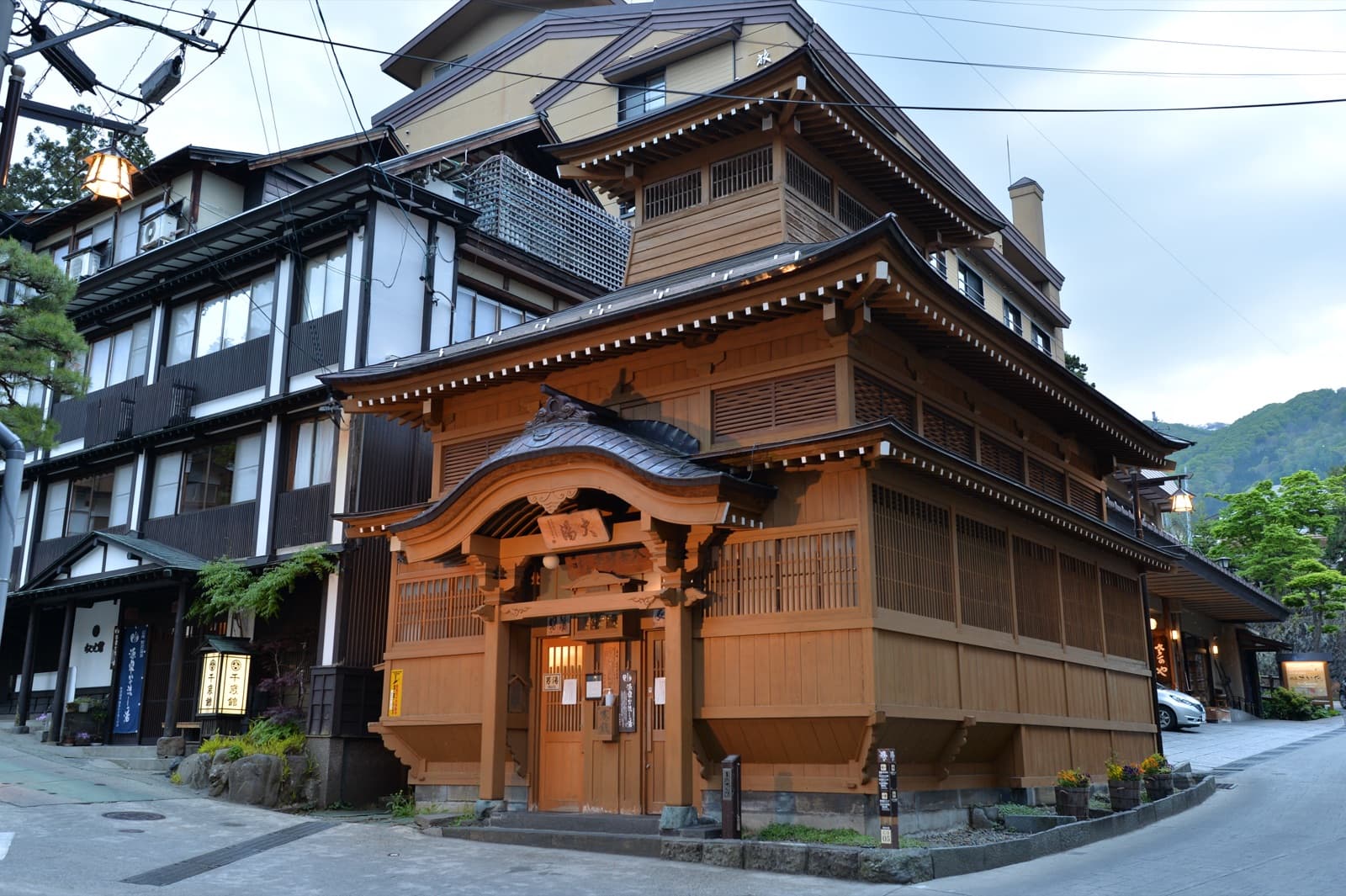
Most "ski resort + onsen" marketing means one hot tub bolted onto a hotel. Nozawa Onsen is different: it's a working onsen village first, with skiing built into the hillside above it, not the other way around. The village has 13 free public bathhouses (soto-yu), maintained by residents, open to visitors, funded by a donation box rather than an entrance fee. Bring your own towel and soap — nobody's selling you a kit at the door.
The mountain itself is legitimate: 740 acres, 44 pistes, including a top-to-bottom run from Yamabiko down to the village that stretches almost 6 miles. It's not as vast as Hakuba or as famous for powder as Niseko, but it doesn't need to be — the reason to come here is that after a full day on the mountain, you walk five minutes into town and soak in Oyu, the bathhouse at the village center with an Edo-period feel, for free.
If you're there on January 15, the village runs the Dosojin Fire Festival, one of Japan's three great fire festivals — men in their unlucky ages of 25 and 42 defend a wooden shrine against a crowd trying to burn it down, torches and all. As of 2024, attendance is restricted to locals and guests with a booked room in the village that night, so plan the date around a stay, not a day trip.
Full village breakdown, bathhouse etiquette, and how to combine it with a Snow Monkey day trip: Nozawa Onsen guide.
Book it here if: you want the onsen to be the point, not an afterthought, and you're fine with a smaller mountain in exchange for that.
Zao Onsen — skiing next to frozen "snow monsters"
Zao, in Yamagata, has one thing nowhere else in Japan does at this scale: juhyo, the "snow monsters" — fir trees so heavily plastered with wind-driven snow and ice that they turn into hulking white shapes on the mountainside. They're entirely natural, formed only under specific freezing-wind conditions, and the Juhyogen Course, a roughly 10-kilometer ski run, threads directly through the field of them.
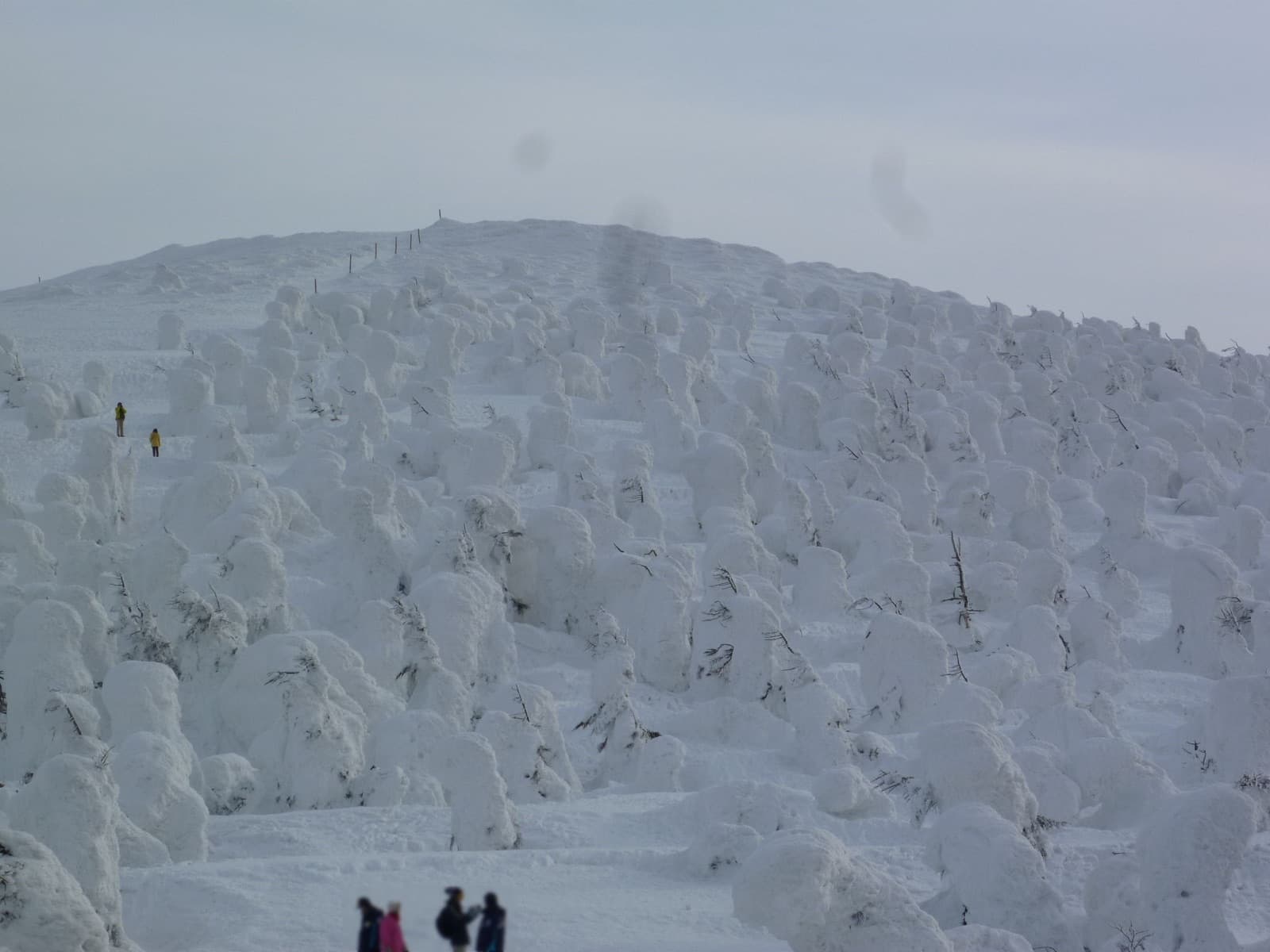
The Zao Ropeway runs 8:30am–5pm and gets you up to the juhyo field even if you're not skiing that day, and at night the Night Cruiser — a snowcat that drives directly into the illuminated field — turns it into a genuinely strange, worthwhile detour even for non-skiers. Juhyo season runs roughly late December to late February, peaking in late January.
Zao is also a real onsen town in its own right, with some of the most acidic, sulfur-heavy water in Japan — sharper and more mineral than Kusatsu's, if you've been there. Many visitors pair it with Ginzan Onsen, an hour or so away, for a two-day loop.
Book it here if: the juhyo field is the actual draw and skiing is secondary — this is the one resort on this list where that's a completely reasonable way to think about it.
Rusutsu — Niseko's snow without Niseko's crowd
Fifteen minutes from Niseko as the crow flies, Rusutsu gets comparable Hokkaido powder across three interconnected mountains, and somehow still feels empty. It's owned and run as a single resort (part of an amusement-park-and-hotel complex, oddly), which means none of Niseko's patchwork-of-operators chaos — one pass, one system, consistently groomed runs alongside genuinely wild tree skiing off to the sides.
It's not cheap exactly, but it undercuts Niseko, and the tradeoff is a much smaller town — there's less to do off the mountain, fewer restaurants, none of Hirafu's bar strip. Go for the skiing, not the après.
Book it here if: you've done Niseko already, or you just don't want to fight a lift line to get it.
Furano and Myoko — the value plays
Furano, also in Hokkaido, gets snow nearly as consistent as Niseko and Rusutsu at noticeably lower prices, with a much more local, low-key atmosphere — this is where you go if the mountain matters more to you than the scene. It's roughly 2.5 hours from Sapporo by car or train.
Myoko, in Niigata, is the quieter cousin to Nozawa Onsen an hour away — real onsen culture, serious snowfall (some of the highest annual totals in the country, thanks to its exposure to Sea of Japan storms), and a fraction of the foreign visitors. Access from Tokyo runs through the Hokuriku Shinkansen to Joetsu-Myoko Station, then a short transfer.
Neither has the polish of Niseko or Hakuba. That's the point.
Resort Comparison
| Resort | Region | Best for | Avg. snowfall | Day pass (2026–27) |
|---|---|---|---|---|
| Niseko | Hokkaido | Deepest powder, international scene | ~15m | ~¥13,500 peak |
| Hakuba Valley | Nagano | Terrain variety, size | ~11m (Happo) | ~¥11,100 |
| Nozawa Onsen | Nagano | Onsen + skiing in one town | Moderate-high | ~¥8,000–9,000 |
| Zao Onsen | Yamagata | Juhyo snow monsters + onsen | Moderate-high | ~¥6,000–7,000 |
| Rusutsu | Hokkaido | Niseko-tier snow, fewer people | ~13m+ | ~¥9,000–11,000 |
| Furano | Hokkaido | Value, local atmosphere | High | ~¥6,000–7,000 |
| Myoko | Niigata | Value, heavy snowfall | Very high | ~¥5,000–6,500 |
Prices are ballpark 2026–27 estimates for a single adult day pass and move with the yen and the season — confirm on the resort's own site before booking.
FAQ
What's the best ski resort in Japan for a first-timer to the country? Hakuba or Nozawa Onsen. Both have enough English signage and infrastructure to be manageable, without Niseko's price tag or Rusutsu's isolation.
Is Niseko worth the extra cost? If snow consistency and an easy, English-speaking trip matter most to you, yes. If you're on a budget or want a more Japanese experience, Hakuba or Nozawa Onsen give you 90% of the skiing for less money.
When is peak powder season in Japan? Late December through February across most of these resorts, with January usually the deepest month. Zao's snow monsters peak slightly later, in late January.
Can beginners ski in Japan, or is it all expert terrain? Every resort on this list has beginner-friendly zones — Tsugaike and Iwatake in Hakuba, Annupuri in Niseko, and most of Rusutsu's lower mountain are specifically gentle. The reputation for extreme terrain applies to specific runs, not entire resorts.
Do I need to rent gear in Japan, or bring my own? Renting is easy and common — most resorts have rental counters with English service, and packages bundling a lift pass with gear (like Hakuba's Iwatake option) save you a separate errand in town.
Is it worth combining two resorts in one trip? Only if you have 10+ days. Domestic transfers between regions (Hokkaido to Nagano, for instance) eat a full travel day each way. For a standard week-long trip, pick one region and go deep instead.
Need Help with This?
Have questions about Best Ski Resorts in Japan (2026–27): Niseko, Hakuba, and Where the Powder Actually Is? We're here to help. Send us a message and we'll get back to you within 24-48 hours.

Alex Rivera
Travel & Living Editor
Expat guide. Helps people actually move to and navigate Japan.
Moved from London to Tokyo in 2018. Went through the full gaijin experience—visa, housing, banking, the works. Now writes the guide he wished he had.
Tokyo
Expertise
Moving to Tokyo, expat life, travel, Kyoto vs Tokyo, onsen
The Standard Newsletter
Tokyo in your inbox. Weekly.
No algorithms curating your culture. No sponsored content disguised as journalism. Just the real Tokyo — the izakayas at 2am, the Harajuku kids who never made it to the algorithm, the ramen shop with no sign.
8K+
Subscribers
Weekly
Editions
Free
Always
Join the underground.
One email a week. Unsubscribe anytime.
No spam. No sharing your data. Tokyo only.
Related Stories
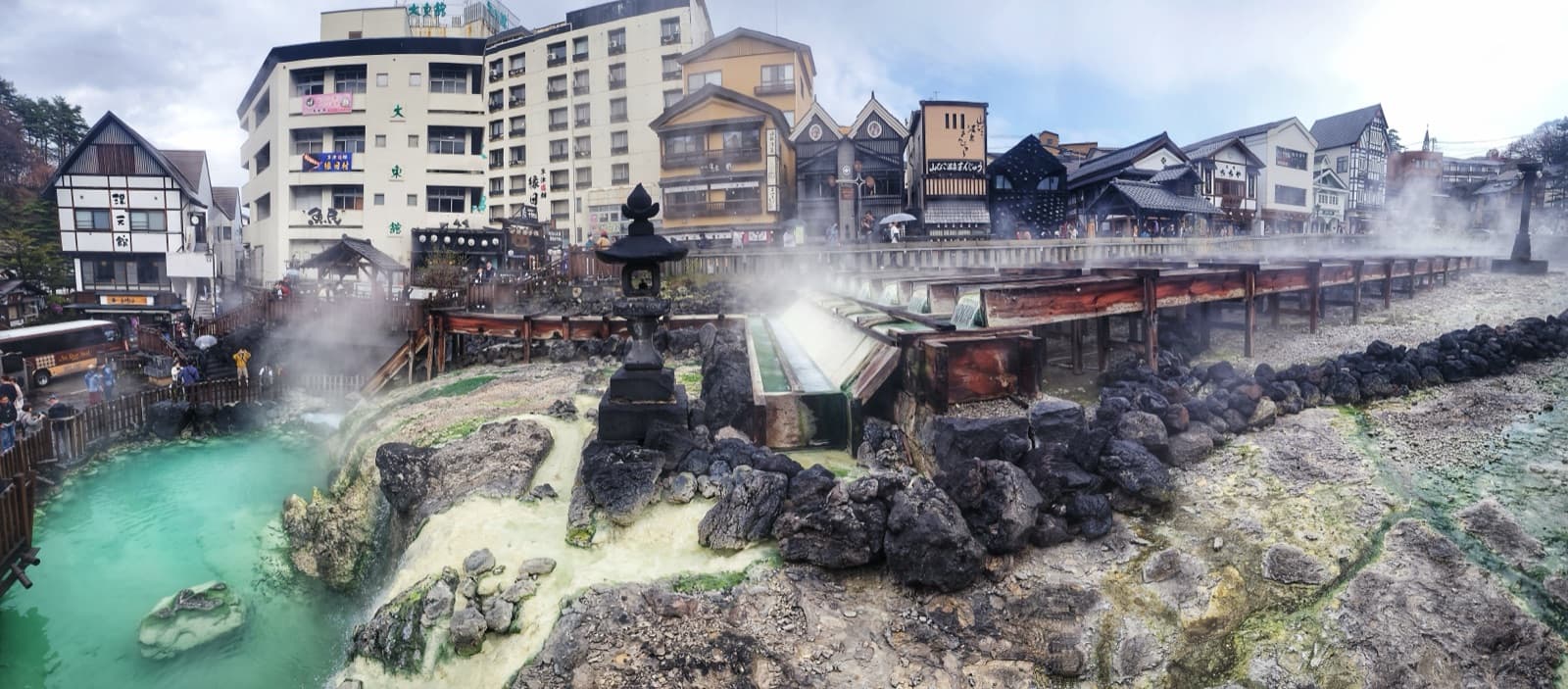
Best Onsen Towns in Japan: Kusatsu, Kinosaki, Beppu, and Where to Actually Go
A hotel with a hot tub isn't an onsen town. These seven actually are — walkable, steeped in it, built around the water instead of just offering it.
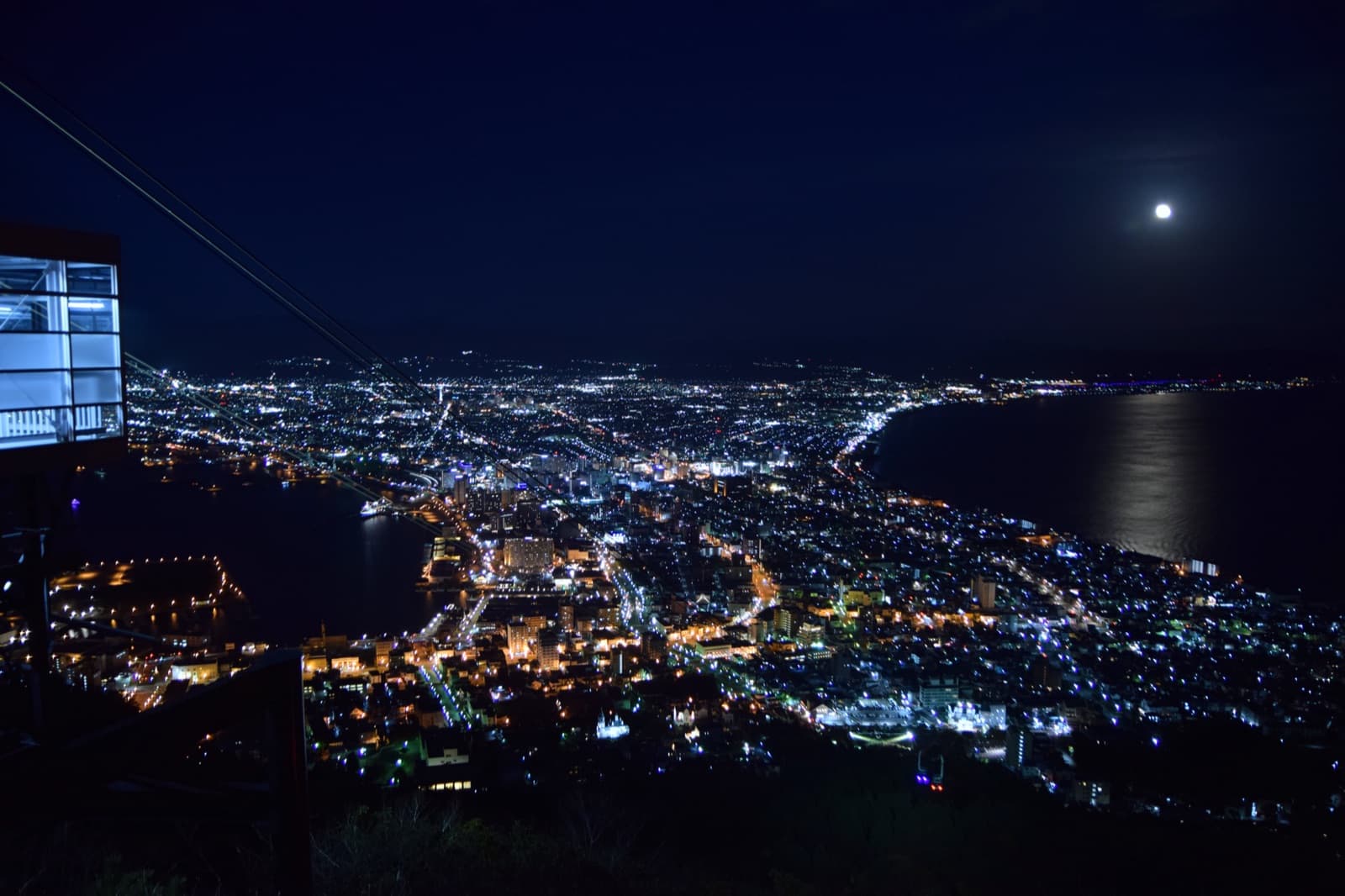
Hakodate Travel Guide: The Night View, the Morning Market, and Getting There
Hakodate has one of Japan's three best night views, a morning market that's actually worth waking up for, and a shinkansen station Sapporo still doesn't have.
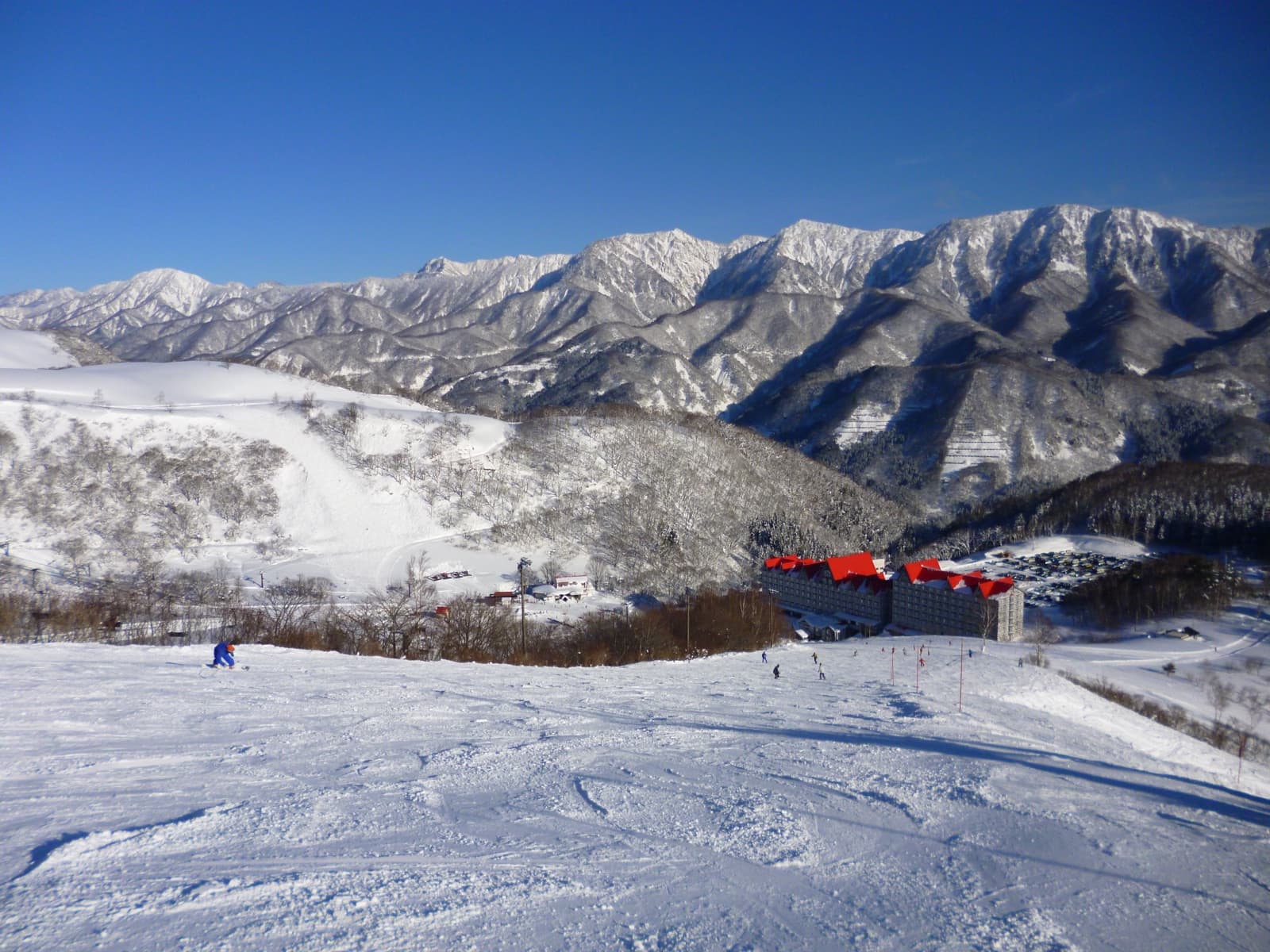
Hakuba Valley Guide: 10 Resorts, One Pass, and How to Actually Get There
Hakuba Valley has ten ski resorts, an Olympic downhill course, and no single obvious base town. Here's how the valley actually breaks down.