
Hakuba Valley Guide: 10 Resorts, One Pass, and How to Actually Get There
Hakuba Valley has ten ski resorts, an Olympic downhill course, and no single obvious base town. Here's how the valley actually breaks down.
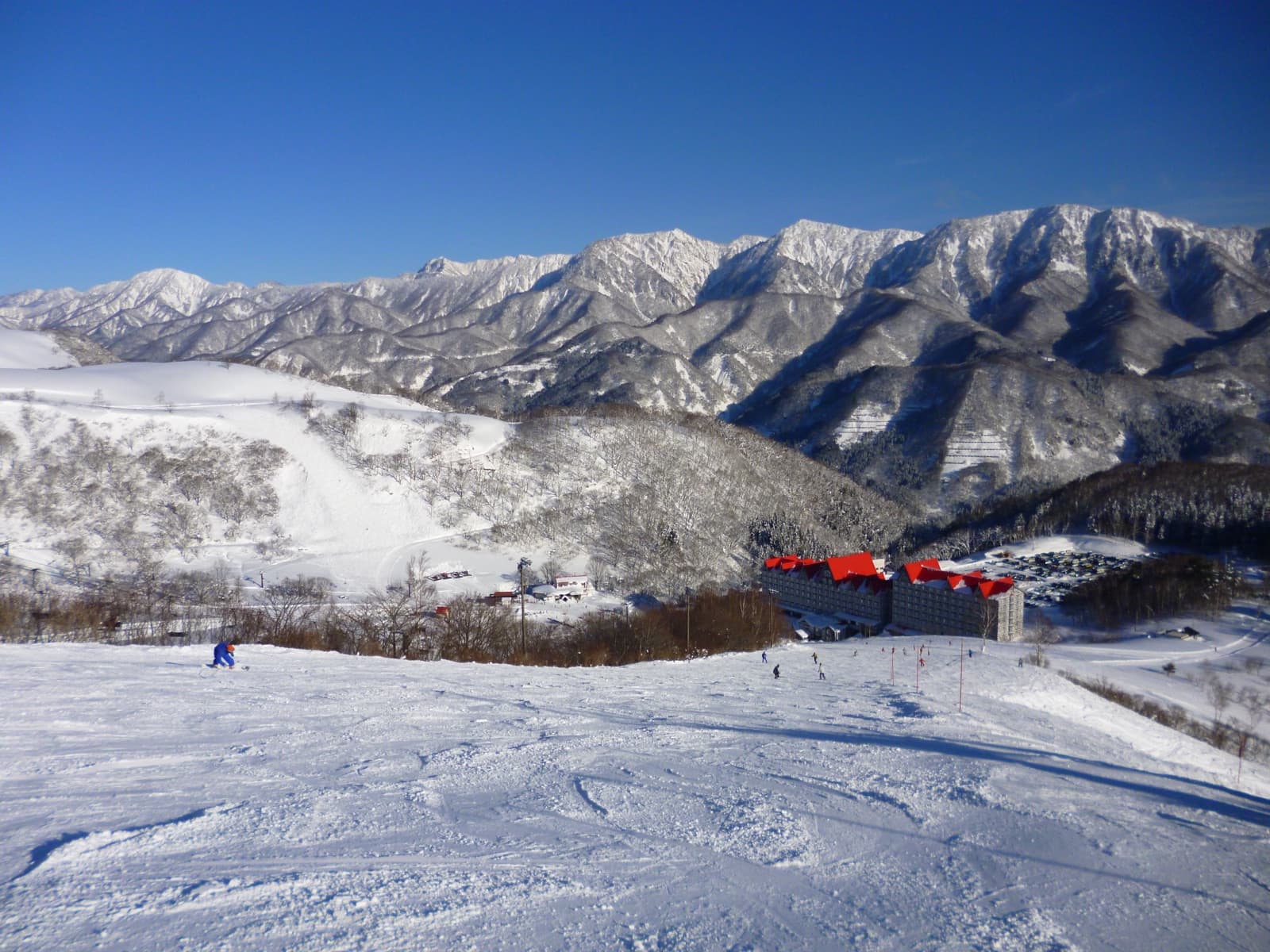
"Hakuba" isn't one ski resort — it's a valley with ten of them, and almost nobody explains that clearly before you book. If you show up expecting a single mountain like Niseko's interconnected four, the first day is confusing: which lift pass, which base town, which bus. Here's the actual breakdown.
Some links in this article are affiliate links. If you book through them, The Standard Japan may earn a commission at no additional cost to you.
The Valley, Not the Mountain
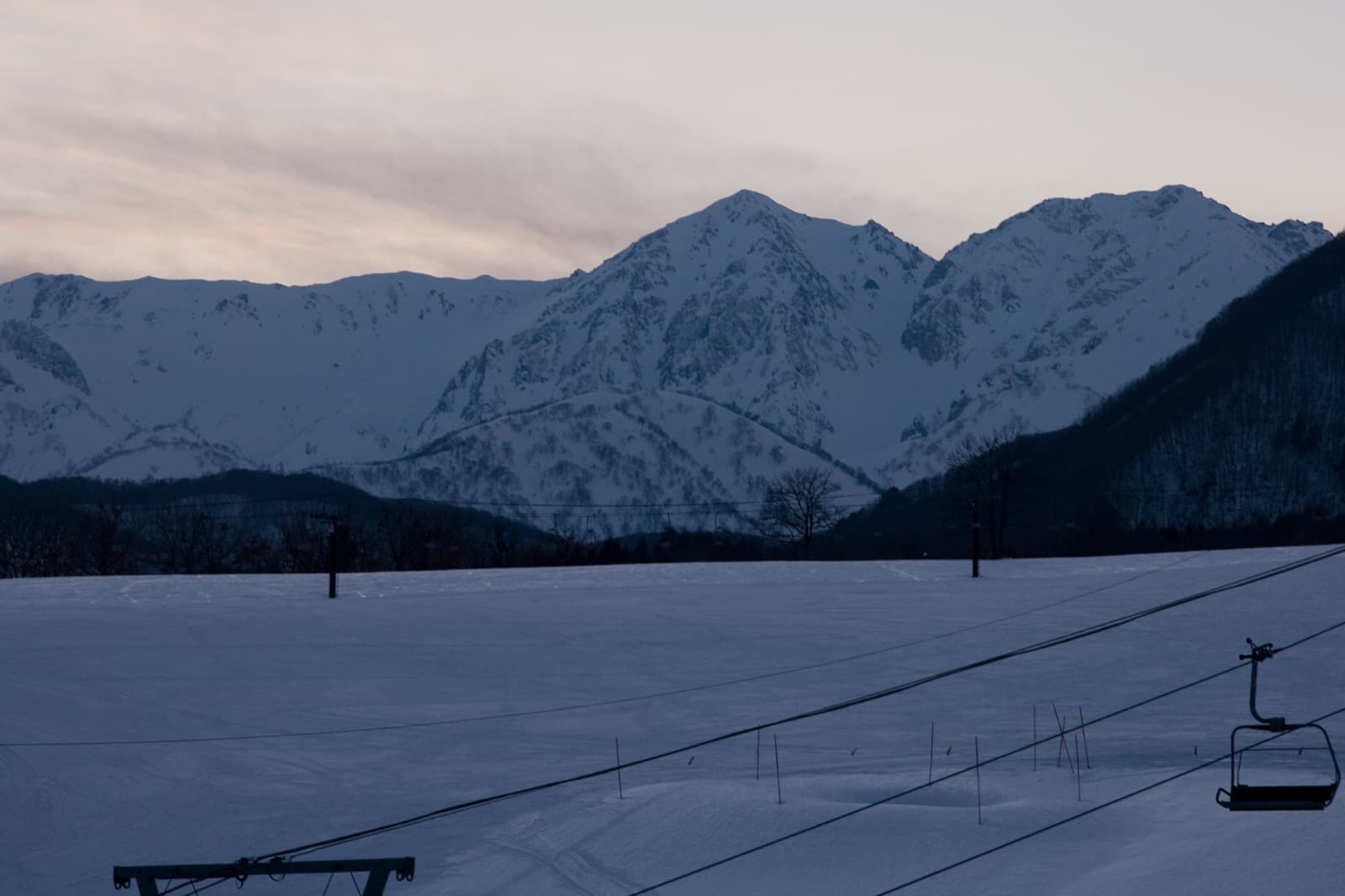
Hakuba Valley sits in northwestern Nagano at the base of the Northern Japan Alps — real 3,000-meter peaks, not foothills. Ten resorts spread along the valley floor, linked by a network of free shuttle buses rather than lifts, which means you don't ski between them the way you do at Niseko United. You pick a base, use the shuttle to sample others, and the Hakuba Valley All Mountain Lift Pass covers most of them on one ticket.
Combined, the valley has 137+ runs across 30+ kilometers, which is more terrain than Niseko by most counts — it's just split across separate mountains instead of one connected system.
The Resorts Worth Knowing
Happo-One is the name. It hosted the downhill and Super-G at the 1998 Nagano Winter Olympics, and the terrain still reflects that — steeper, longer, less forgiving than Hakuba's reputation as a "big but gentle" valley suggests. It's also the biggest and busiest single resort in the valley, with the most lifts and the most direct access from Hakuba village.
Hakuba47 and Goryu are run together on a shared pass and are where the terrain parks and night skiing live. If jumps, rails, and a genuine park scene matter to your trip, this is the pairing to base near — Happo doesn't really compete here.
Tsugaike Kogen and Iwatake are the wide, gentle, view-heavy resorts — this is where families and first-week skiers go. Iwatake in particular has a gondola with genuinely spectacular Alps views that's worth riding even if you're not skiing much that day.
Cortina sits furthest from the main cluster and gets deep, dry snow with noticeably fewer people on it — the tradeoff is a longer shuttle ride and less going on at the base. Serious powder skiers who don't care about nightlife gravitate here.
Snowfall and Lift Pass Pricing
Happo-One averages roughly 11 meters of snow a season — less than Niseko's 15, but still deep, dry, and reliable by any standard outside Japan. The valley's snow tends to arrive in more distinct storm cycles than Hokkaido's near-constant dump, which some skiers actually prefer for visibility.
The 2026–27 Valley pass runs close to ¥11,100 for a single day, dropping toward ¥10,500 if you buy a multi-day pass — a meaningful discount versus Niseko's ¥13,500 peak-day pricing for a mountain that's arguably bigger.
Getting There From Tokyo
Take the JR Hokuriku Shinkansen from Tokyo Station to Nagano — about 100 minutes, roughly ¥8,000. From Nagano Station, an express bus runs to Hakuba in 60–90 minutes (¥3,500–3,800), stopping at Hakuba Station and directly at several resort bases.
Hakuba Valley's own marketing quotes "as little as 2 hours 50 minutes" door to door. Treat that as the best-case number — bus schedules aren't always tightly timed to shinkansen arrivals, and a missed connection adds an hour. Budget closer to 3.5 hours if this is your first time making the trip, and check the bus timetable before you book your shinkansen seat, not after.
Private transfers exist and cost considerably more, but they're worth it with ski bags, small kids, or a late arrival when the last bus has already gone.
Where to Base Yourself
Hakuba village (near Hakuba Station) has the highest concentration of restaurants, izakaya, and bars — closest thing the valley has to Niseko's Hirafu strip, though smaller and much more Japanese in character.
Echoland, a short walk or shuttle from Happo-One, is quieter with a decent spread of its own restaurants — a common pick for people who want to be near the biggest resort without the village crowds.
Wadano, right at the base of Happo, is the ski-in/ski-out option — fewer amenities, but you're on snow within a few minutes of waking up.
Beyond Skiing
Hakuba isn't only a winter destination — the same terrain becomes serious hiking country in summer, with the Alps trailheads accessible from several of the same base towns. That's a different trip, worth its own planning, but it's part of why lodging here doesn't fully shut down between seasons the way some single-purpose ski towns do.
For the wider resort-vs-resort picture, including how Hakuba stacks up against Niseko, Nozawa Onsen, and Zao: best ski resorts in Japan.
FAQ
Do I need a car in Hakuba? No. The free inter-resort shuttle buses cover the valley well, and taxis fill the gaps. A car adds flexibility but also snow-driving risk if you're not used to it.
Which Hakuba resort is best for beginners? Tsugaike Kogen or Iwatake — wide, gentle terrain with strong beginner infrastructure, versus Happo-One's steeper, more advanced reputation.
Is Hakuba cheaper than Niseko? Yes, on both the lift pass (~¥11,100 vs ~¥13,500 peak) and generally on lodging, though peak-week prices in Hakuba village have been climbing as the valley gets more international attention.
How many days do I need in Hakuba to see more than one resort? Three to four days minimum if you want to sample Happo-One, Hakuba47/Goryu, and one of the gentler resorts without feeling rushed. A single day realistically covers one resort properly.
Is Hakuba good for non-skiers traveling with a ski group? Reasonably — Hakuba village has onsen, cafes, and shops to fill a day, and the valley views from Iwatake's gondola are worth the ride even without skis.
When does the Hakuba season typically run? Late November through early May at the higher resorts, though the reliable powder window is December through February. Late-season spring skiing at Happo-One is a genuine option most years.
Need Help with This?
Have questions about Hakuba Valley Guide: 10 Resorts, One Pass, and How to Actually Get There? We're here to help. Send us a message and we'll get back to you within 24-48 hours.

Alex Rivera
Travel & Living Editor
Expat guide. Helps people actually move to and navigate Japan.
Moved from London to Tokyo in 2018. Went through the full gaijin experience—visa, housing, banking, the works. Now writes the guide he wished he had.
Tokyo
Expertise
Moving to Tokyo, expat life, travel, Kyoto vs Tokyo, onsen
The Standard Newsletter
Tokyo in your inbox. Weekly.
No algorithms curating your culture. No sponsored content disguised as journalism. Just the real Tokyo — the izakayas at 2am, the Harajuku kids who never made it to the algorithm, the ramen shop with no sign.
8K+
Subscribers
Weekly
Editions
Free
Always
Join the underground.
One email a week. Unsubscribe anytime.
No spam. No sharing your data. Tokyo only.
Related Stories
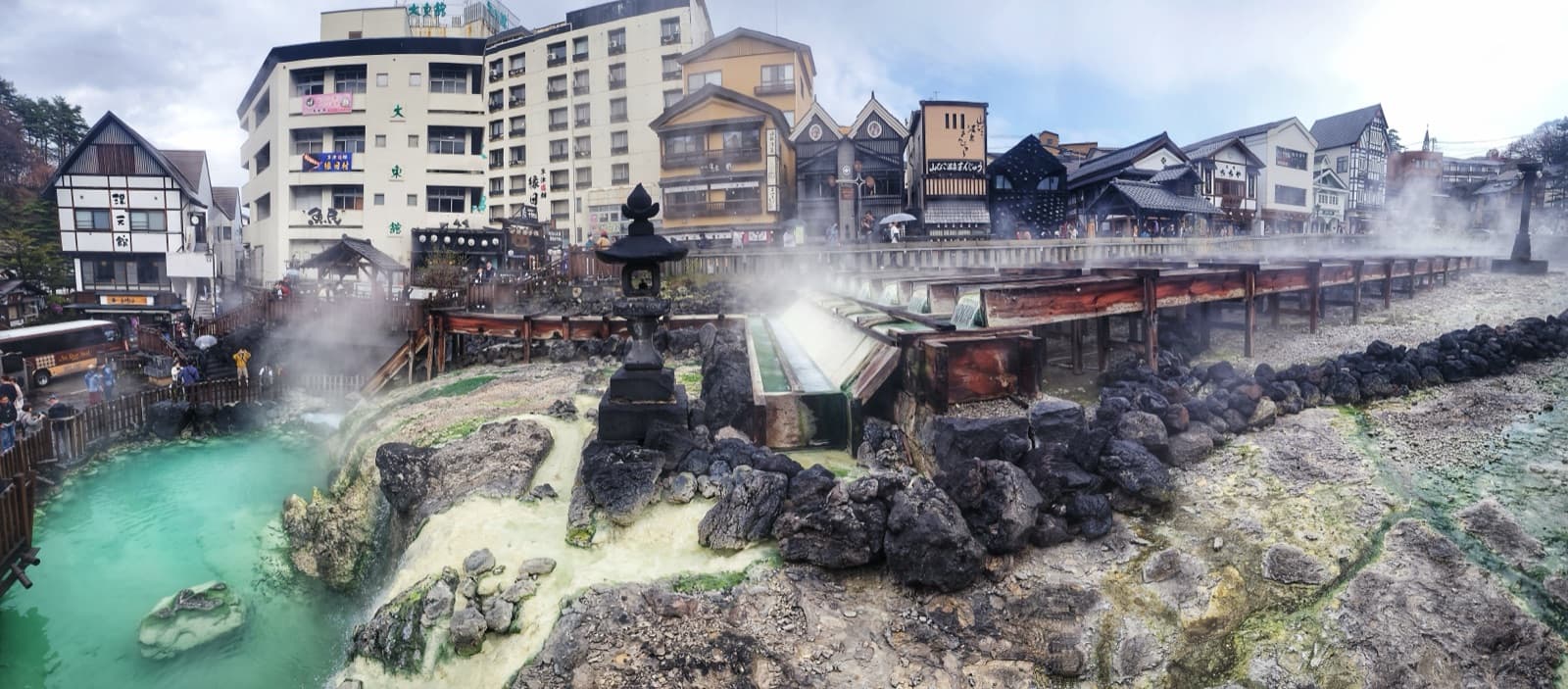
Best Onsen Towns in Japan: Kusatsu, Kinosaki, Beppu, and Where to Actually Go
A hotel with a hot tub isn't an onsen town. These seven actually are — walkable, steeped in it, built around the water instead of just offering it.
Best Ski Resorts in Japan (2026–27): Niseko, Hakuba, and Where the Powder Actually Is
Niseko gets the hype, but it's not the only — or even the best — call for every trip. A resort-by-resort breakdown of Japan's top ski towns for 2026–27.
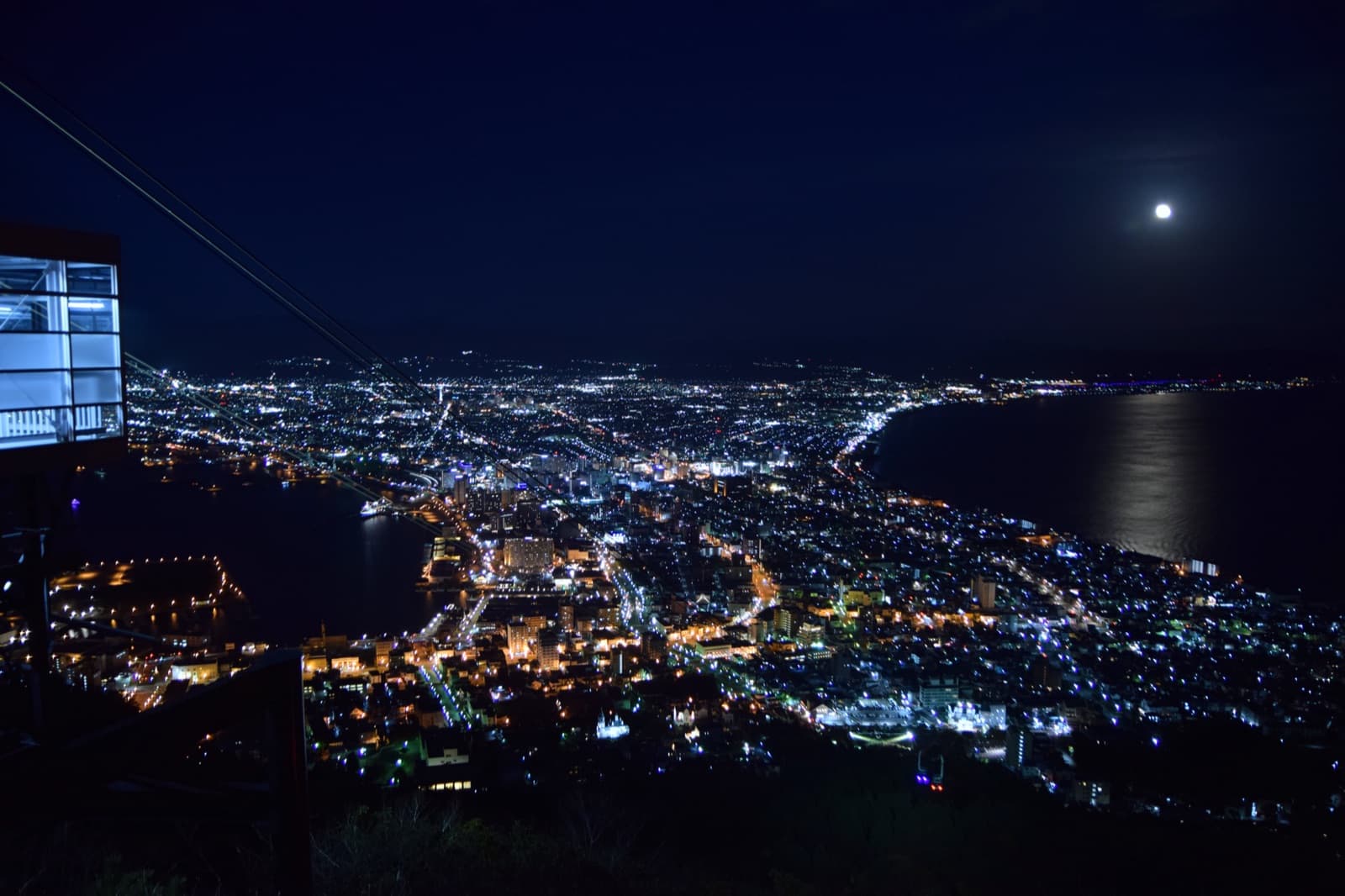
Hakodate Travel Guide: The Night View, the Morning Market, and Getting There
Hakodate has one of Japan's three best night views, a morning market that's actually worth waking up for, and a shinkansen station Sapporo still doesn't have.