
Tokyo to Hakuba: Shinkansen and Bus, or Direct Bus
Tokyo to Hakuba in winter: shinkansen to Nagano plus the Alpico bus (about 3 hours), the direct bus from Shinjuku, or an airport shuttle, with fares.
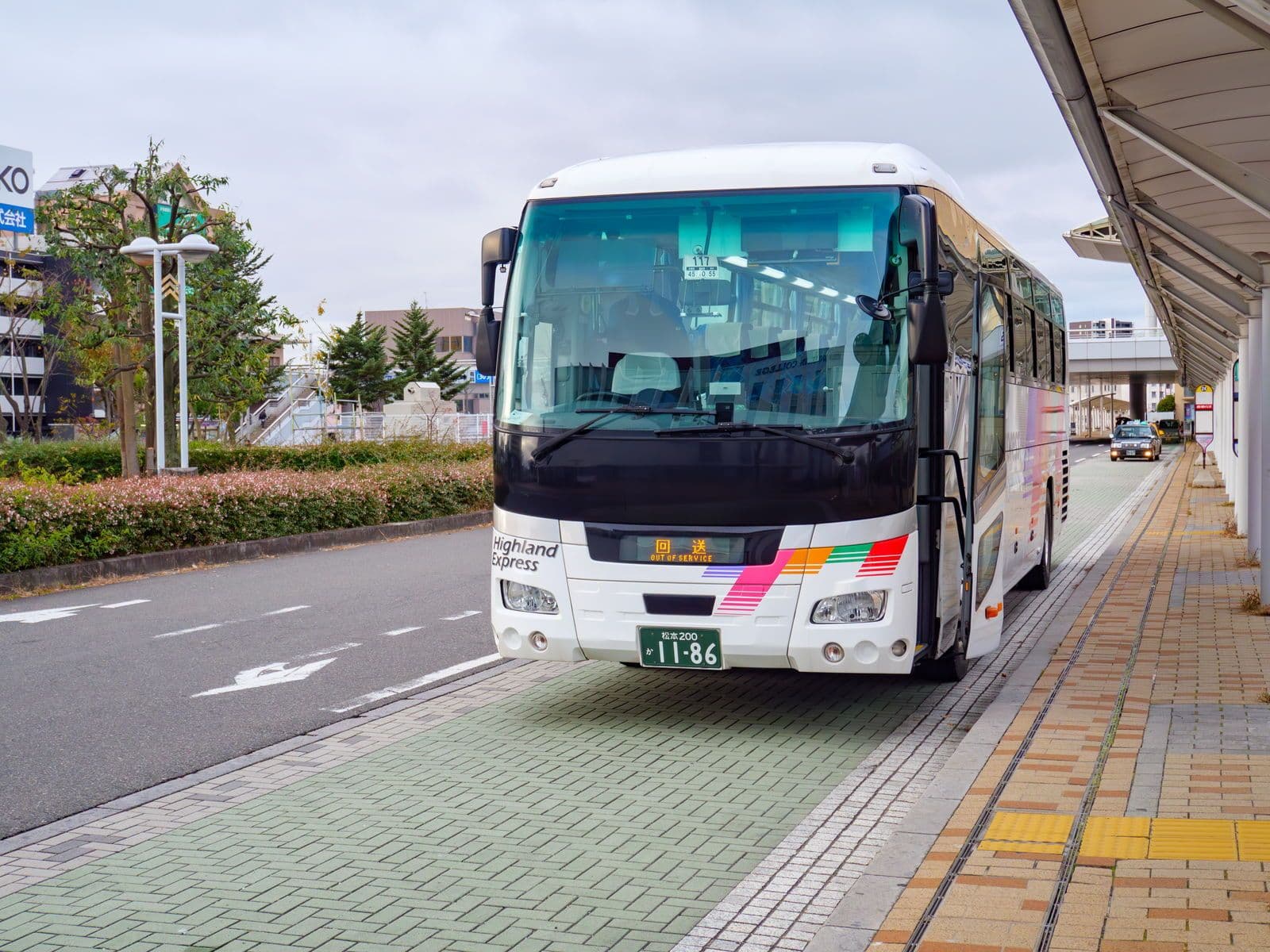
Hakuba has no shinkansen station, which is why it takes longer to reach than its distance from Tokyo suggests. Every route ends with a bus, and the question is only where you get on it: at Nagano, after a shinkansen, or in Shinjuku for the whole way.
Some links in this article are affiliate links. If you book through them, The Standard Japan may earn a commission at no additional cost to you.
For the resorts themselves, see our Hakuba Valley guide. Still choosing where to ski? See Niseko vs Hakuba vs Nozawa Onsen.
The options at a glance
| Route | Time | Adult one way | Book ahead? |
|---|---|---|---|
| Shinkansen to Nagano + Alpico bus | about 3–3½ hours | about ¥8,300 + ¥3,500 | Shinkansen yes; bus depends on the service |
| Direct Alpico bus from Busta Shinjuku | several hours longer | ¥6,400–7,800 (last winter) | Yes, online, up to 1 month ahead |
| Airport shuttle from Narita or Haneda | longer, but no changes | roughly ¥14,000–15,000 | Yes |
Alpico winter fare and timetable pages (2025–26 season; 2026–27 due around mid-November), read 15 October 2026; shinkansen fare is an estimate for a reserved seat.
Shinkansen to Nagano, then the bus
The shinkansen. Hokuriku Shinkansen trains leave Tokyo Station (and Ueno and Omiya) for Nagano. The fastest, the Kagayaki, takes about 80 minutes and is reserved seats only; the Hakutaka takes about 90 to 105 minutes and has unreserved cars. A reserved seat costs about ¥8,300.
The bus. Alpico's Nagano–Hakuba bus leaves from the East Exit of Nagano Station. Last winter the adult fare was ¥3,500 to Hakuba Happo Bus Terminal, Escal Plaza, Goryu, Hakuba Station and Iwatake, and ¥3,800 to Tsugaike Kogen and Hakuba Norikura.
Alpico runs two kinds of bus on this route in winter, and it matters which one you're on:
- Non-reserved buses. You can't book ahead, not even the day before. Buy the ticket on the day; it's valid only that day.
- Reservation-only buses. Book online in advance (Alpico points to Highway Bus and Japan Bus Online). If seats are left on the day you can pay the driver, but you can't check in advance whether there will be.
Allow about three and a half hours from Tokyo Station to Hakuba. The bus timetable isn't matched to the trains, and a missed bus can mean a long wait at Nagano. Look up the bus first, then book the shinkansen that gets you to Nagano 20 to 30 minutes before it.
The direct bus from Shinjuku
Alpico and Keio run buses straight from Busta Shinjuku, the bus terminal by the New South Gate of JR Shinjuku Station, to Hakuba. Last winter (6 December 2025 to 31 March 2026) the adult fare was ¥6,400 to ¥7,800 one way, depending on the date; there are no return tickets. A late-night bus leaving Shinjuku at 23:05 costs ¥2,000 more.
Reservations open one month before the travel date and are made online through Keio's highway bus site; Alpico doesn't take them by phone or email. It is the cheapest way to Hakuba and needs no changes, but it takes several hours longer than the shinkansen route, and in snow the road can be slower than the timetable.
From Narita or Haneda
If you're landing and going straight to the mountains, airport shuttles run directly from Narita and Haneda to Hakuba in the ski season. Booking sites for the 2026–27 season list about ¥14,190 one way from Haneda and ¥14,740 from Narita, with one checked bag and one small carry-on included. It's the most expensive option per person, but there's no change of transport with skis and jet lag.
Where to stay so the bus works for you
The Nagano bus stops at Happo, Escal Plaza, Goryu, Hakuba Station, Iwatake, Tsugaike and Norikura. If you stay within a short walk of one of them, you can arrive and leave without a taxi. For which part of the valley suits you, see where to base yourself in our Hakuba guide.
Hotels and inns in Hakuba Village
- Stay near a bus stop to skip the taxi
- Ten resorts on one lift pass
The lift pass
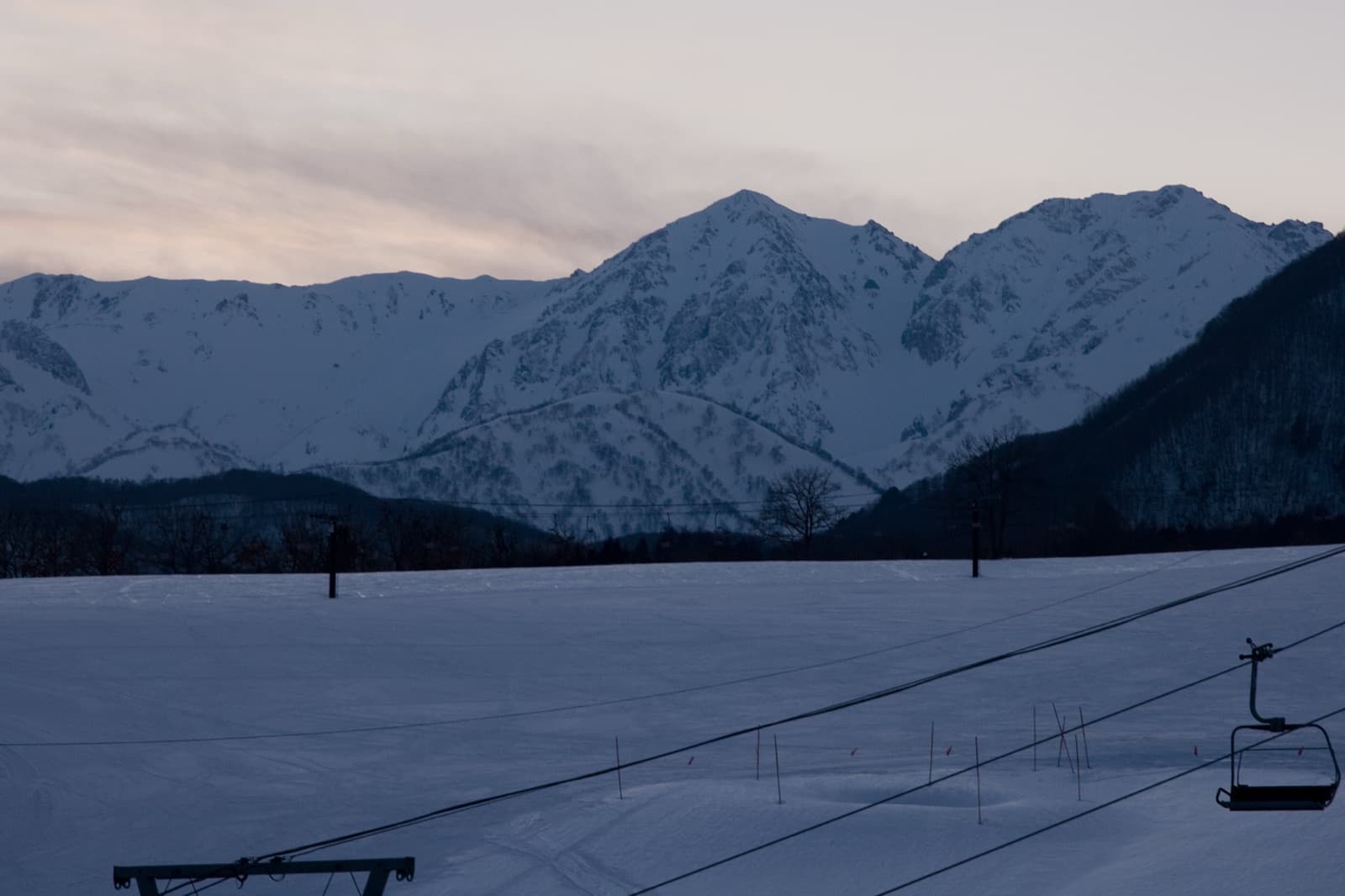
The Hakuba Valley day pass covers all ten resorts and costs ¥11,100 for an adult in 2026–27 (¥6,400 for children aged 6 to 12). It goes on sale online around November.
FAQ
How long does it take from Tokyo to Hakuba? About three to three and a half hours by shinkansen to Nagano and then the bus. The direct bus from Shinjuku takes several hours longer.
How much is the bus from Nagano to Hakuba? Last winter, ¥3,500 to Happo, Goryu, Hakuba Station and Iwatake, and ¥3,800 to Tsugaike and Norikura. Alpico publishes the 2026–27 fares and times around mid-November.
Is there a train to Hakuba? There's a JR station in Hakuba, on the Oito Line from Matsumoto, but no shinkansen. From Tokyo, the shinkansen to Nagano plus the bus is usually faster than any all-train route.
Do I need to book the Hakuba bus? The direct Shinjuku bus, yes, online up to a month ahead. From Nagano it depends: some winter buses are reservation-only and some can't be booked at all.
Travel Desk
The Standard Japan
Trip planning: seasons and crowds, getting around, airports, where to stay, and the practical steps before and after you land.
Facts are taken from primary sources (operators, venues, official tourism and government pages) and dates and prices are checked on the day of writing. Pages are revised when those sources change.
Expertise
Seasonal crowds, transport and airports, itineraries, lodging, pre-trip logistics
Have a question or a correction?
Ask us anything about Tokyo to Hakuba: Shinkansen and Bus, or Direct Bus, or tell us what we got wrong. We reply within 24 to 48 hours.
Related Stories
Tokyo to Nozawa Onsen: Shinkansen to Iiyama, Then the Bus
Tokyo to Nozawa Onsen in winter: shinkansen to Iiyama, then the 25-minute Nozawa Onsen Liner. Where the bus leaves, how to pay, and airport shuttles.
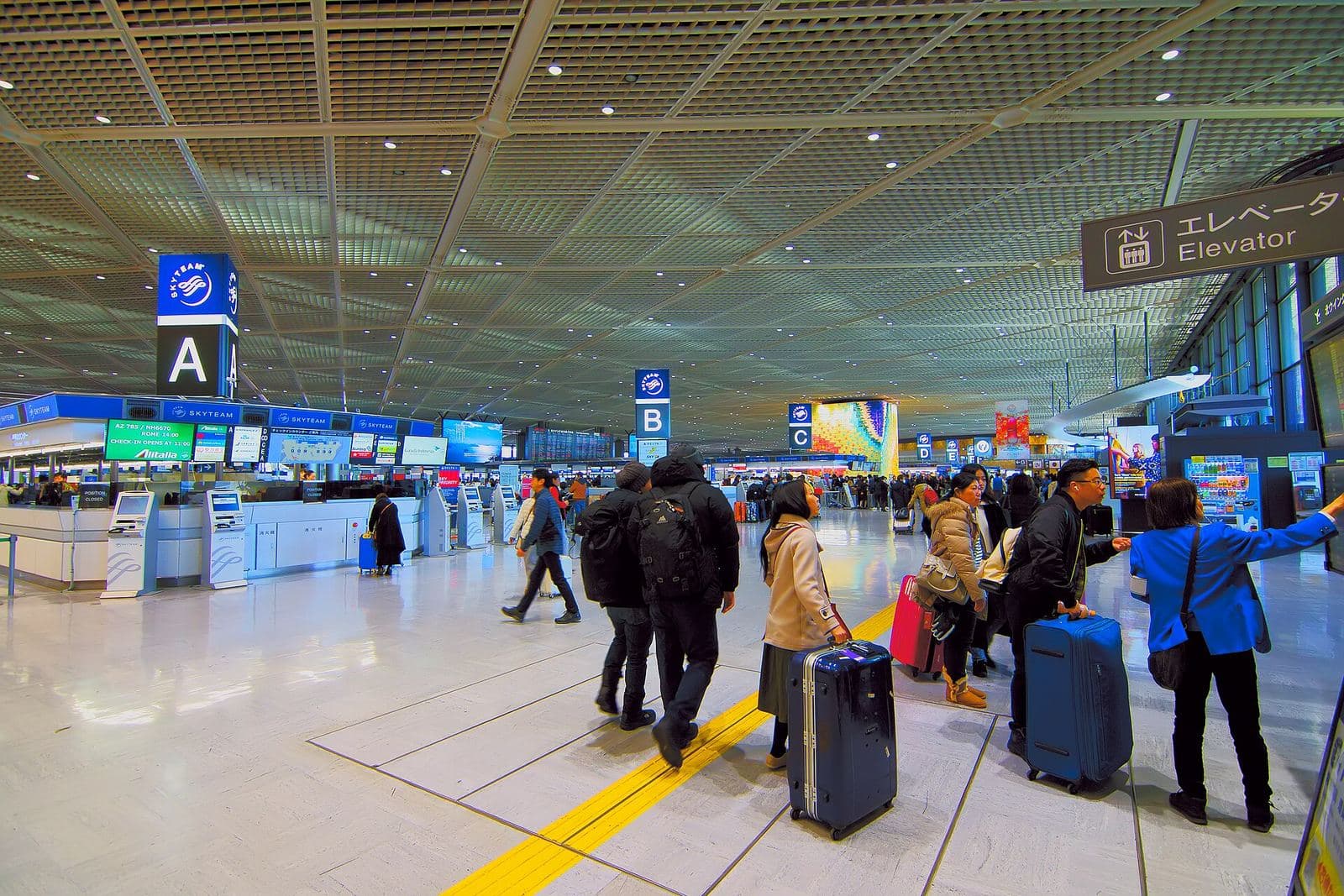
Narita vs Haneda: Which Tokyo Airport to Fly Into (and How to Get to the City)
Haneda is 30 minutes from central Tokyo; Narita is 60–90. Fly into Haneda if fares are similar. Transfer options, costs and times for both airports.
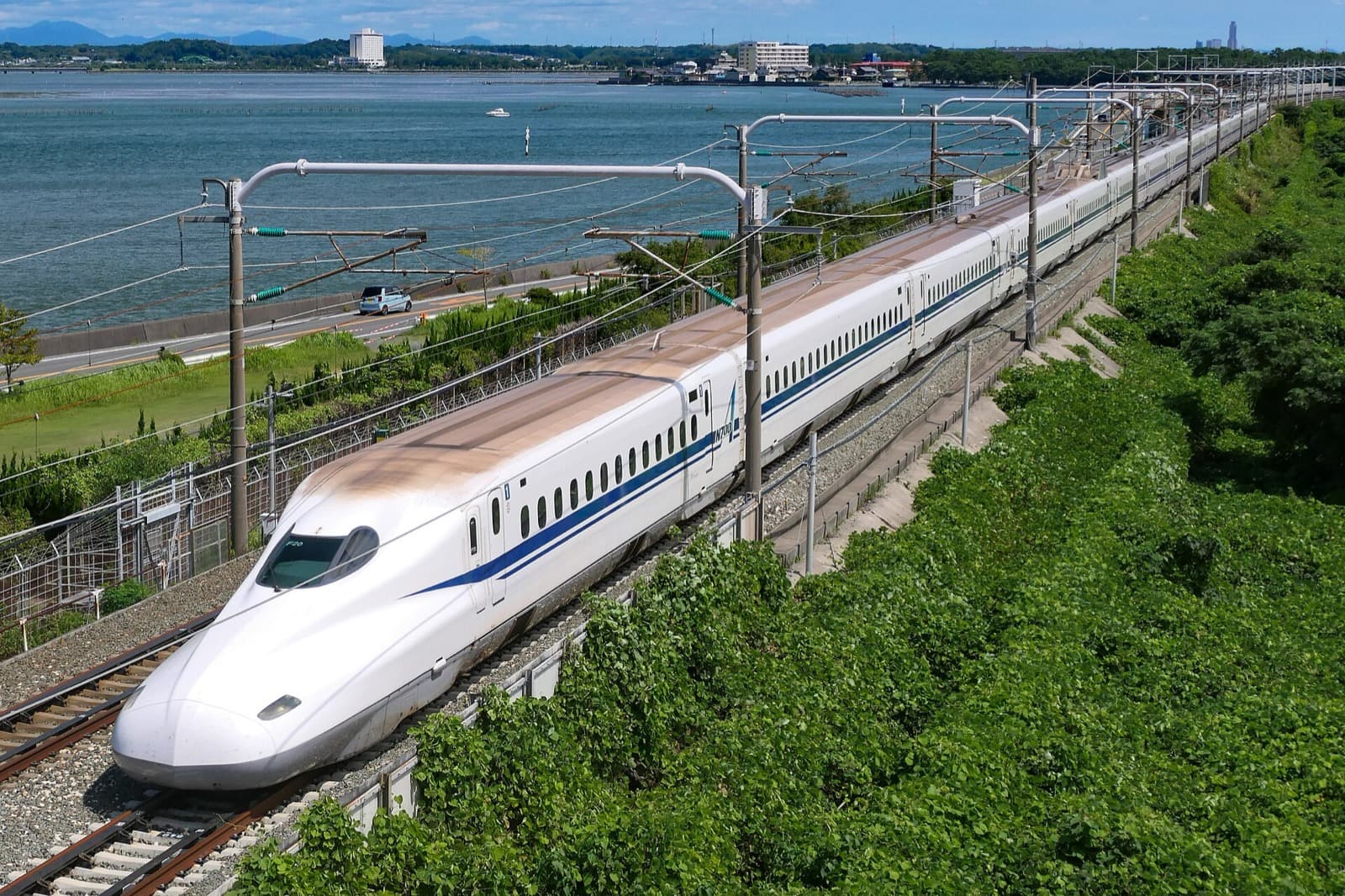
Tokyo to Kyoto: Shinkansen, Bus, or Flight? (Cost and Time Compared)
Tokyo to Kyoto takes 2 hours 15 minutes by shinkansen (¥14,170), 7-8 hours by night bus (¥4,000-¥8,000), or is covered by the JR Pass. Complete comparison of every option.