
Magome to Tsumago Without a Car: Route and Luggage
Some travel links on The Standard Japan are affiliate links. If you book through one, we may earn a commission at no extra cost to you.
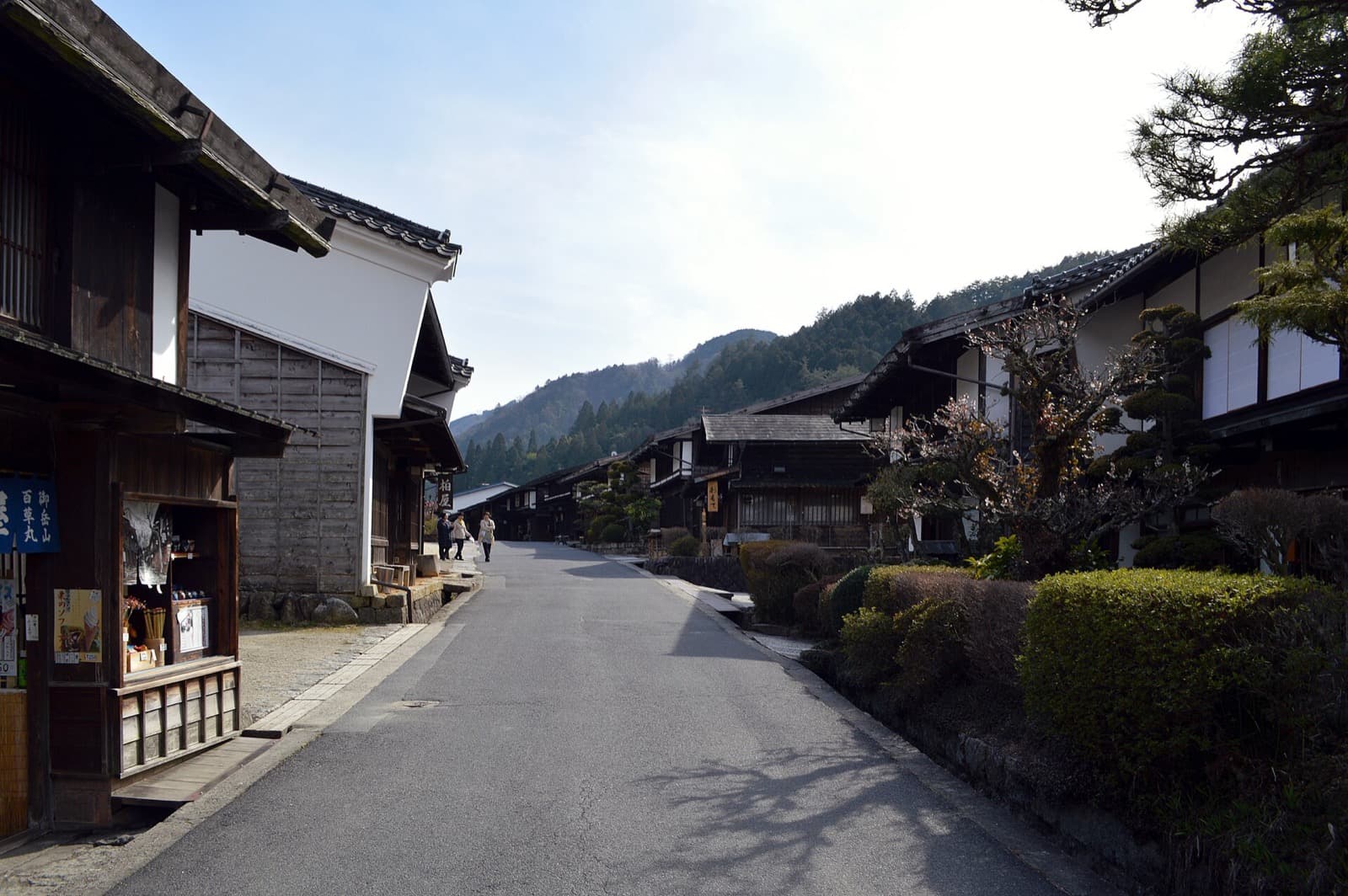
A suitcase left in a station locker can turn a one-way Nakasendo walk into a return trip. Choose where you will finish, and where your bag will be, before choosing your morning train. For the Magome–Tsumago section, the straightforward public-transport route enters through Nakatsugawa and leaves through Nagiso.
Research note: this is a desk-researched transport guide, not a report of a walk we completed. Official tourism and transport documents were checked on 30 October 2026. Timetables and operating conditions can change; open the linked notices for your travel date.
The one-way route
The sequence is Nagoya → Nakatsugawa → Magome → walk to Tsumago → Nagiso → onward train. Nakatsugawa and Nagiso are different railway stations. Check which trains stop at the station you need rather than treating the whole Kiso Valley as one destination.
- Take a train from Nagoya to Nakatsugawa. JNTO describes a limited-express connection of around 50 minutes, followed by a bus of around 25 minutes to Magome. Check an actual train-and-bus connection for your day.
- Take the local bus to Magome. If handing over luggage, reach the receiving desk before its morning cutoff.
- Walk from Magome to Tsumago via Magome Pass. JNTO gives around 8–9 km and 2½–3 hours for this section; that is walking time, not a station-to-station day out.
- Collect any forwarded bag in Tsumago, then take a bus to Nagiso Station.
- Continue by train. Choose a bus that leaves room for a missed connection rather than relying on the final departure.
Source: JNTO's Nakasendo route guide. For the wider trip, see Japan for repeat visitors.
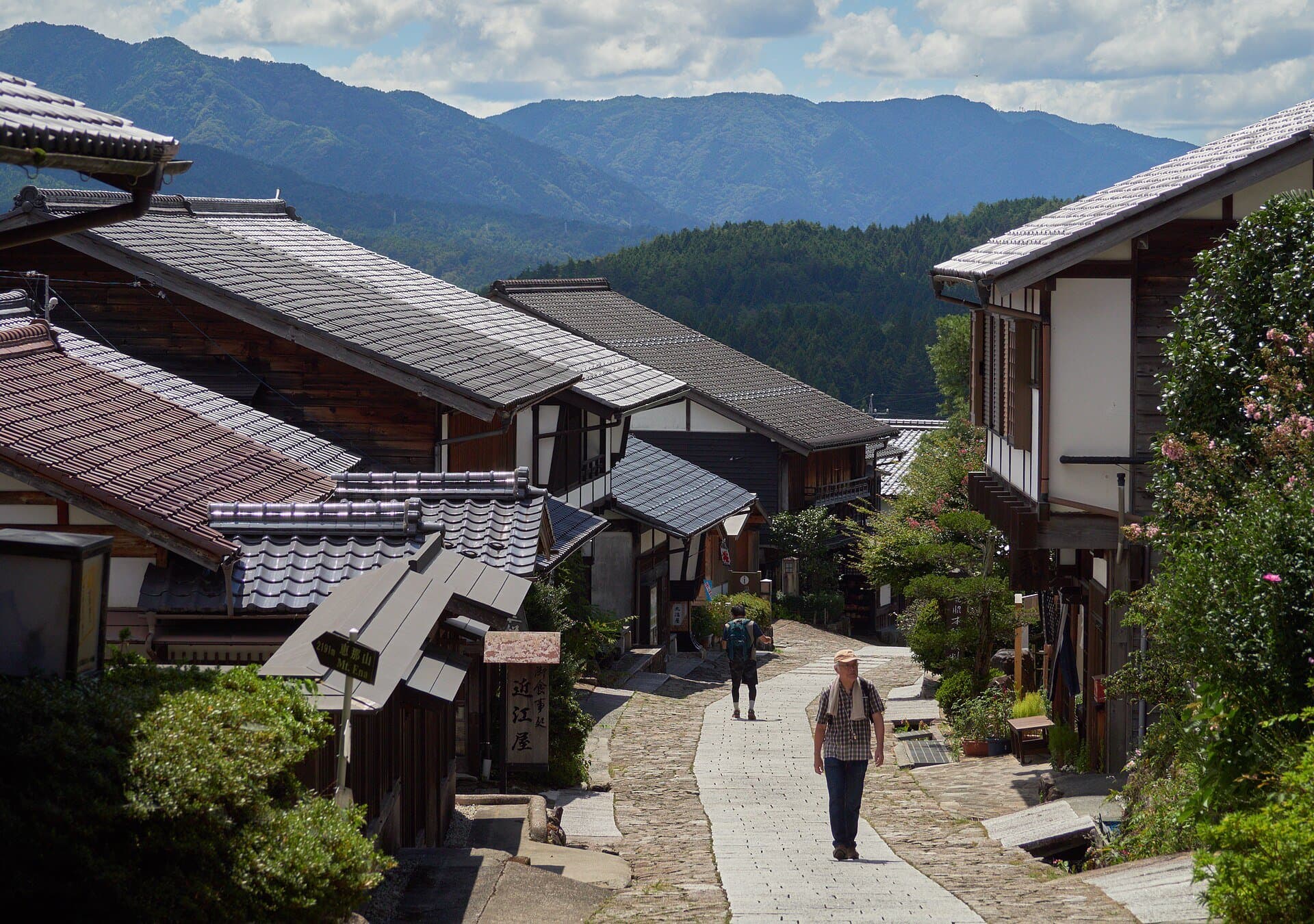
Bus fares and the connection that matters
The two local bus legs total ¥1,100 per adult on the published 2026 schedule: ¥800 to Magome and ¥300 from Tsumago to Nagiso. This excludes your trains, food and any luggage service.
Adult fares in the tourism association's published 2026 documents; confirm the current timetable before travelling.
| Leg | Published adult fare | What to check |
|---|---|---|
| Nakatsugawa Station → Magome | ¥800 | The bus departure after your arriving train |
| Tsumago → Nagiso Station | ¥300 | Your finishing time and onward train |
| Magome ↔ Tsumago by bus | ¥1,000 | Actual departures if you choose not to walk |
Source: Nagiso Tourism Association, bus timetable and fare guide, effective 1 April 2026; checked 30 October 2026
Open the official bus and train connections before departure and save the timetable offline. Some services have seasonal or day-of-week conditions. A line connecting two places on a map does not mean a bus leaves when you finish walking.
For the Nagiso town buses, the official riding guide says to pay the driver in cash when getting off; IC and credit cards cannot be used on board. The tourist information centre sells tickets separately. Bring suitable cash rather than assuming Suica will work on every rural bus.
Decide what happens to your luggage
For a through journey, the seasonal Magome–Tsumago luggage service avoids returning to a station locker. The tourism association's June 2026 notice lists ¥1,000 per item, handover from 8:30–11:30am, and collection from 1–5pm, with same-day delivery only. Its regular operating period is 20 March–30 November. Outside that period, ask about the temporary service before relying on it.
The notice lists the tourist information centres in both towns, Magome-juku BASE, and specified inns in Otsumago as receiving/collection locations. Agree on the actual endpoint when handing over the bag. Keep valuables with you. Read the current luggage notice linked by the Tsumago information centre.
Choose among three bag plans:
- Return to the same hotel: ask whether it can hold the suitcase, then carry a daypack. Check the return transport before leaving.
- Continue to another city: use the town-to-town service when operating, or arrange hotel-to-hotel forwarding separately and carry what you need for the night. The local service and nationwide forwarding are different arrangements.
- Use a station locker: plan a loop back to that station. A locker at Nakatsugawa does not move your suitcase to Nagiso.
If the two bus legs and one-item local luggage service apply, they total ¥2,100, before trains and other costs. That is a useful logistics allowance, not a complete day-trip budget.
Day trip or overnight?
A day trip from Nagoya works as a transport plan if the morning arrival, luggage handover, walk and afternoon exit connect. It becomes less forgiving when you add a long journey from another city on the same morning. Avoid fixing a prepaid evening activity far away around an optimistic walking time.
For an overnight stay, choose the constraint you want to remove:
| Base | Why choose it? | Check before booking |
|---|---|---|
| Nakatsugawa | Begin the next day at the rail-and-bus connection | Your bus to Magome and luggage plan |
| Magome | Start at the walking route | Inn arrival deadline, meal arrangements and morning bag handover |
| Tsumago or Otsumago | Finish near your accommodation | Exact location relative to the trail and next day's bus |
Use the Nagiso Tourism Association to find local accommodation information. Confirm reception and meal times directly with the inn; do not assume a late city-hotel check-in is possible. We have not inspected or stayed at these properties for this guide.
When to shorten or cancel the walk
The bus between towns is an alternative only if its timetable works. Download the route, check weather and local trail notices, and ask the information centre about current conditions. If conditions make the pass unsuitable, visit the towns by public transport instead of treating the hike as compulsory.
A tourist information centre offering wheelchair rental does not establish that the forest trail is step-free. Travellers who need a step-free route should ask about the specific streets, vehicles and facilities they intend to use. Do not infer trail accessibility from a general town-services list.
Before leaving your hotel
- Save the route map and both bus timetables offline.
- Choose your finishing bus and a later fallback where available.
- Check the latest luggage-service dates and handover location.
- Carry water, food, weather protection and footwear suitable for the day's trail conditions.
- Save your inn's address, arrival deadline and contact number if staying overnight.
FAQ
Can I do Magome to Tsumago without renting a car? Yes. Use the bus from Nakatsugawa to Magome, walk to Tsumago, then take the bus to Nagiso. Verify the day's connections before starting.
Do I need to return to Nakatsugawa after the walk? Not if you continue from Nagiso and your luggage is with you or at your agreed collection point. You do need a return plan if your suitcase is still in Nakatsugawa.
Can I send my bag between the towns in winter? The published regular service runs 20 March–30 November. Ask the information centre about temporary arrangements outside those dates; do not assume the regular service continues.
Is the walking time the total day-trip time? No. JNTO's 2½–3 hours is for the walking section. Add train and bus journeys, waiting, meals, the towns and luggage collection.
Did this guide help you plan?
Responses are collected through analytics. For factual corrections, contact the editors.
Travel Desk
The Standard Japan
Trip planning: seasons and crowds, getting around, airports, where to stay, and the practical steps before and after you land.
Facts are taken from primary sources (operators, venues, official tourism and government pages) and dates and prices are checked on the day of writing. Pages are revised when those sources change.
Expertise
Seasonal crowds, transport and airports, itineraries, lodging, pre-trip logistics
Have a question or a correction?
Ask us anything about Magome to Tsumago Without a Car: Route and Luggage, or tell us what we got wrong. We reply within 24 to 48 hours.

Related Stories
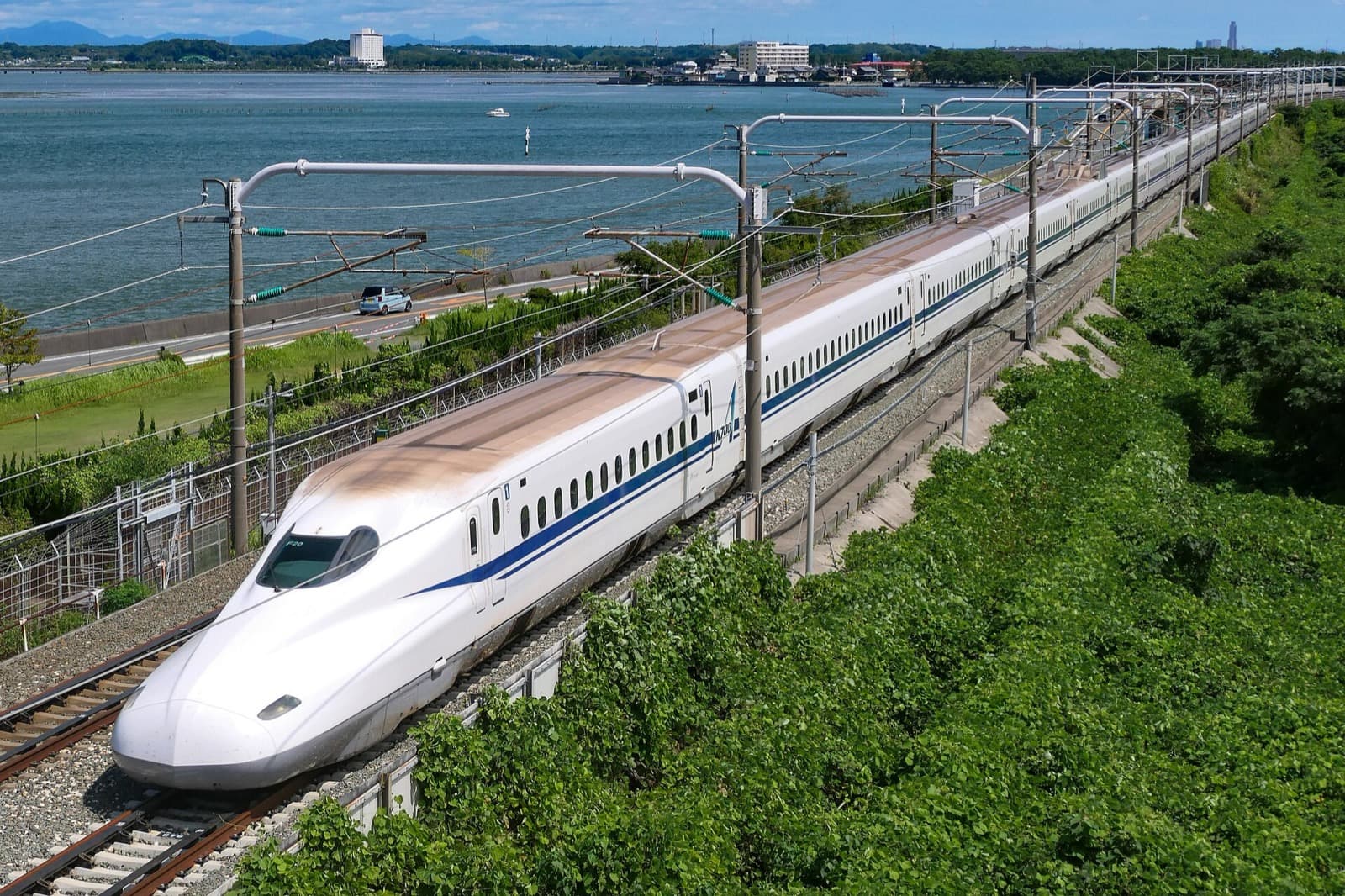
Tokyo to Kyoto: Shinkansen, Bus, or Flight? (Cost and Time Compared)
Tokyo to Kyoto: 2h15 by shinkansen (¥14,170), 7–8 hours by night bus (¥4,000–¥8,000), or a flight. Every option compared on cost and time.
Japan for Repeat Visitors: 8 Places for Your Third Trip
Done Tokyo, Kyoto and Osaka? Eight places for a second or third trip to Japan, from the Nakasendo walk and Kurashiki's canal to Shikoku's vine bridge.

7 Days in Japan Itinerary: Tokyo, Kyoto, Osaka (First-Timers)
Japan itinerary 7 days: Tokyo 3 nights, Kyoto 2, Osaka 1 — Golden Route day-by-day, hotel areas, JR Pass math, realistic pace.