
Japanese Minimalist Brands: AURALEE, ATON and Graphpaper
Compare AURALEE, ATON and Graphpaper by fabric, silhouette and fit, with Tokyo shop details and a practical checklist for your first purchase.
Some travel links on The Standard Japan are affiliate links. If you book through one, we may earn a commission at no extra cost to you.
A quiet-looking shirt can still be a difficult purchase. It may depend on an unusual cloth, a deliberately wide body or a length that only makes sense with particular trousers. Those differences are hard to judge from an online photograph of someone standing still.
AURALEE, ATON and Graphpaper are useful places to start if you want Japanese clothing with restrained branding and an emphasis on fabric or proportion. Here, “minimalist” describes that shopping brief. It does not mean the three labels share one aesthetic, or that every item they sell is plain.
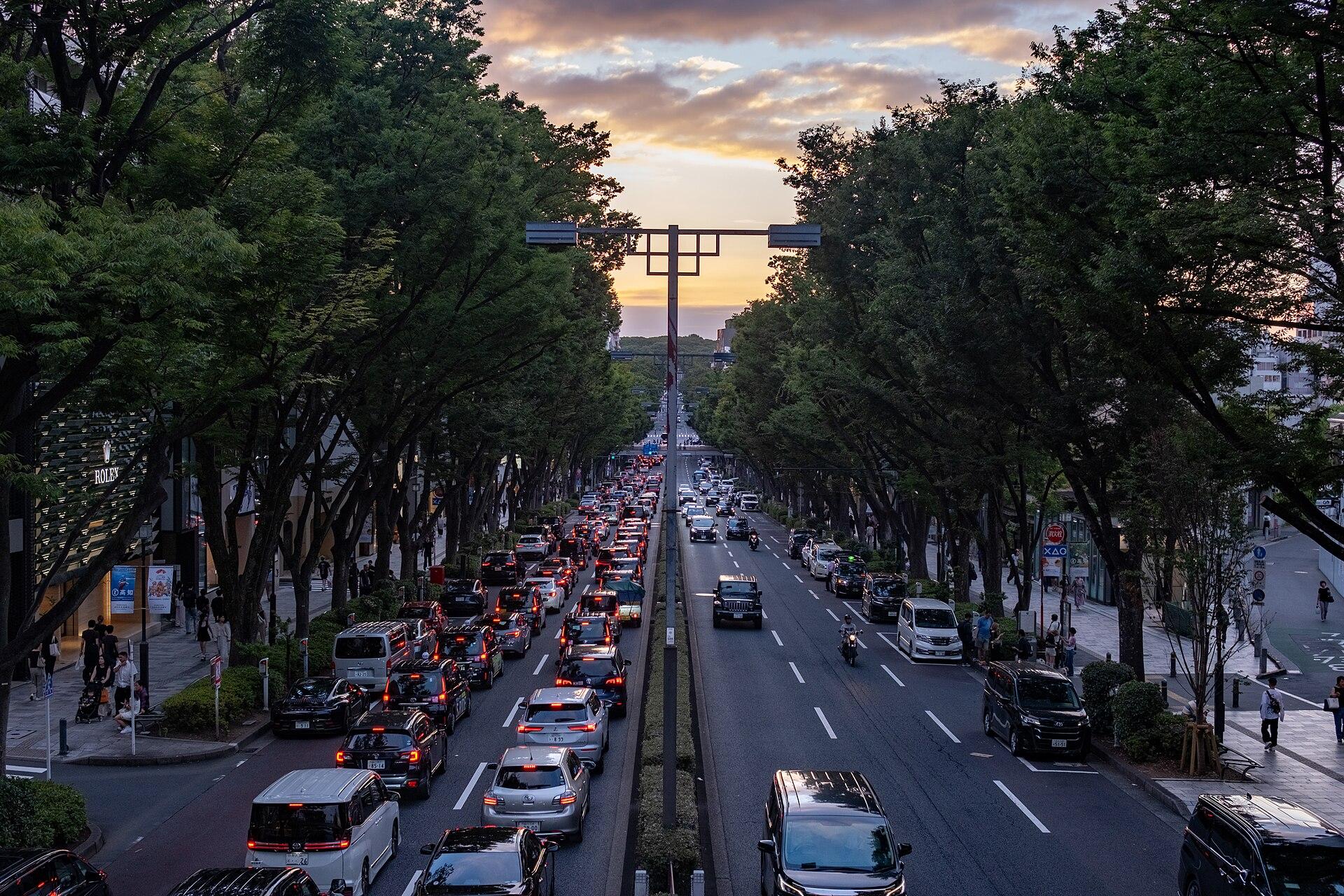
This guide compares their stated approaches and official shop information, checked on 16 November 2026. It is research for buying and trying on clothes, not a report of wearing or testing these collections. The cover shows Omotesando Avenue, not any of the brands' stores.
Which brand should you investigate first?
Choose the question you want a garment to solve. AURALEE's material research, ATON's interest in form and comfort, and Graphpaper's approach to space around the body suggest different fitting-room priorities.
| Label | Its stated approach | A useful first comparison | What to resolve in the fitting room |
|---|---|---|---|
| AURALEE | Research into raw materials and yarns; attention to textile texture, weight and colour | Two similar-looking garments in different cloths | Which fabric and drape you actually prefer |
| ATON | Making use of material characteristics while balancing form and comfort | A structured piece against a softer alternative | Whether you can sit, reach and layer comfortably |
| Graphpaper | Space between body and clothes; reconsidering conventional size concepts | Two sizes or silhouettes of the same type of garment | Whether the intended volume works with your proportions |
Source: AURALEE About, ATON About and Graphpaper Concept, checked 16 November 2026. Starting points are editorial interpretations, not performance rankings.
Use the last column to plan the try-on. A label can narrow the search, but only the actual garment answers it.
AURALEE: understand what the fabric changes
AURALEE describes its collections as beginning with research into raw materials and yarns sourced in Japan and around the world. It places texture, weight and colour at the centre of its textiles. That gives you a more useful question than “does this look expensive?”: what does this particular cloth do differently?
Compare how the fabric hangs at the chest, elbow and hem. Look at the colour beside something you already own, ideally in daylight as well as the shop's lighting. Decide whether the appeal survives without the complete outfit shown in the lookbook.
For a first purchase, choose an item you can compare against your wardrobe. If you know exactly how your favourite shirt fits and feels, another shirt gives you a reference. Buying an unfamiliar silhouette and unfamiliar material together makes it harder to work out what you like.
The material story should help explain the product, not replace the composition and care label. AURALEE's use of internationally sourced materials also means you should not read “Japanese label” as “every fibre originated in Japan.”
ATON: separate a clean shape from a restrictive fit
ATON's brand statement emphasises using the original characteristics of materials and combining form with comfort. Approach it with a movement test as well as a mirror test.
Try a jacket closed, then sit down. With trousers, check the seat and thigh when seated, not just the straight line of the leg when standing. If the piece is intended for daily wear, wear the shoes and layer you expect to use with it. A shape that works only with a very thin shop T-shirt may not work with your winter knit.
Price the actual category you are considering. For context, ATON's official news listing showed WOOL FLANNEL STANDARD PANTS at ¥64,900 including tax when checked for this guide. That is a dated product example, not the starting price of the whole brand or a claim about current stock. Official product news
A fabric-led purchase is easier to assess when you can say what the extra cost buys for you: a particular surface, weight, silhouette or wearing experience. If you cannot identify the difference you want, there is no need to buy a piece simply to own the label.
Graphpaper: try the volume before changing the size
Graphpaper's concept describes creating space between person and clothing and moving away from conventional size restrictions. Its shop concept is also distinct from a single-brand catalogue: it presents a curated selection with the approach of a gallery.
That does not mean a roomy garment fits every body equally. Look at where the shoulder and sleeve end, how far the shirt extends below your jacket, and whether the trousers balance the width above them. A dropped shoulder can be intentional while the cuff still needs to finish somewhere useful.
A concrete example is the Broad L/S Oversized Regular Collar Shirt. Its official product description specifies 100% cotton and describes dropped shoulders, a low back yoke and a wide silhouette. Those are deliberate design details to assess on your body, rather than faults to remove by automatically choosing the smallest size. Use the model reference on the product page when enquiring; a collection listing does not guarantee your colour or size. Official shirt description and photographs
Try the intended silhouette first. Then compare another size if available. Sizing down can shorten the body, alter the armhole and change the way the fabric falls; it is not simply a way of deleting spare centimetres. If neither size works, try another model rather than forcing the same design to behave like a fitted shirt.
Ask which pieces in a shop are Graphpaper's own and which are other selected labels. Read the product label before transferring an assumption about one to the other.
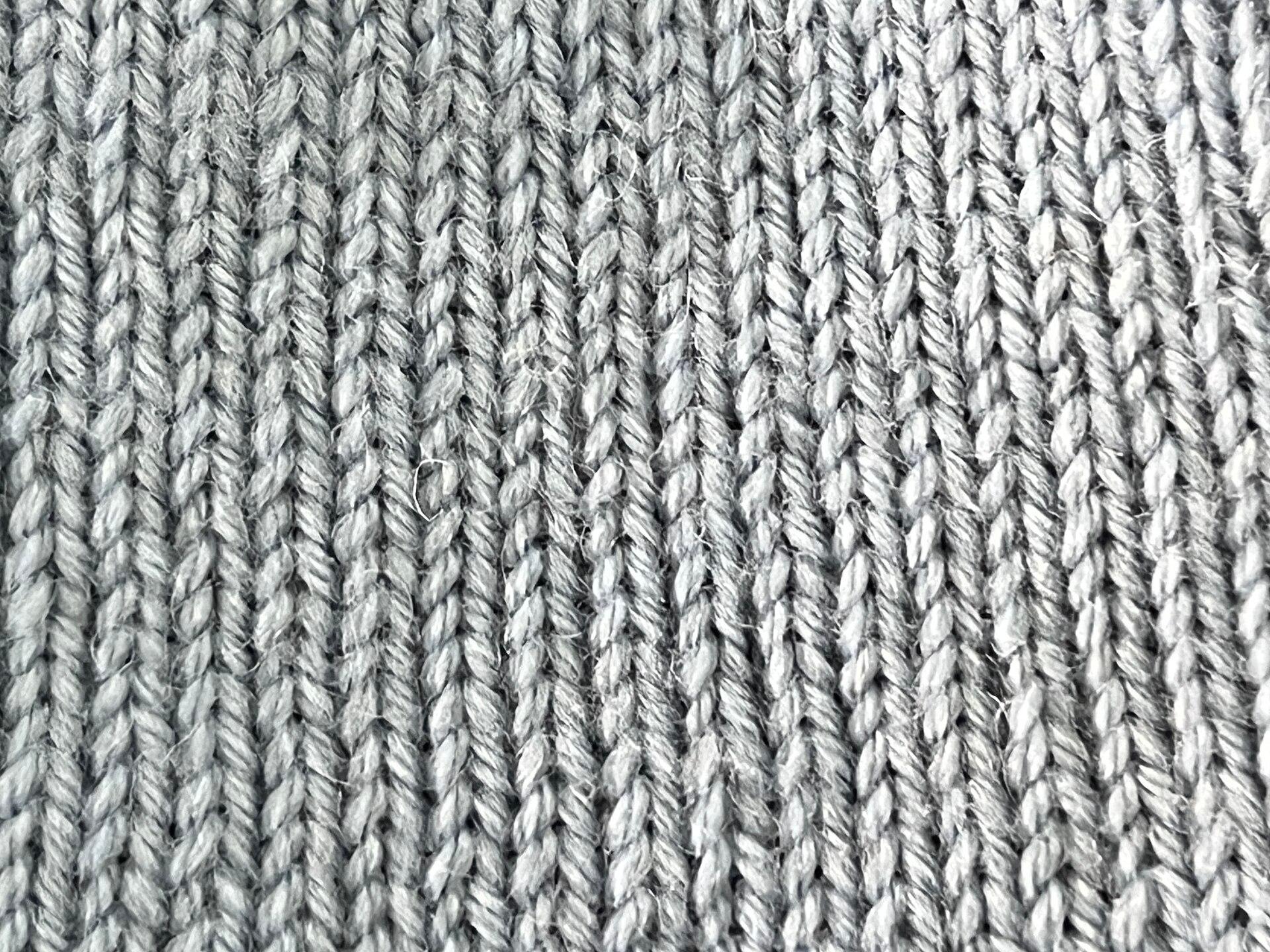
Construction matters as well as fibre. This is a knit-structure reference, not a product from one of the three brands. A knitted cotton top and a woven cotton shirt need different fit comparisons.
A fitting-room worksheet you can use
Bring measurements from one garment you already like. Record how you measured it; shops may use different methods, particularly for sleeves and shoulders.
| Garment | Useful reference measurements | Try-on check that a number cannot settle |
|---|---|---|
| Shirt or overshirt | Flat chest width, shoulder width, body length and sleeve length | Reach forward; check buttons, cuff position and room over your usual layer |
| Trousers | Waist, rise, thigh, inseam and hem width | Sit down; check pockets, waistband and how the hem meets your shoes |
| Knit | Chest width, body length and the retailer's sleeve measurement | Check neck comfort and movement without pulling the garment into shape |
| Jacket | Chest, shoulder, sleeve and body length | Close it over your intended layer and sit down |
Source: The Standard Japan editorial fitting checklist. No universal size conversion is implied.
A flat chest width is a garment measurement, not your body measurement. Allowing room for movement is a fitting decision, not a fixed number that applies to every material and silhouette.
If you are choosing knitwear specifically, our Japanese knitwear guide compares BATONER, Yonetomi and COOHEM. For fabric origins and the difference between a mill and a clothing label, read the Japanese fabric guide.
Where to compare them around Omotesando
The official directories give the following Tokyo starting points. Their regular opening arrangements were checked on 16 November 2026; confirm exceptions before visiting.
- AURALEE Tokyo: QC cube Minamiaoyama 63, 1F, 6-3-2 Minami-Aoyama. Listed hours are 12:00–20:00, with irregular holidays. Official store directory
- ATON Aoyama: 3-6-27 Kita-Aoyama. Listed hours are 11:00–19:00; closed Mondays except public holidays. Official store information
- Graphpaper Aoyama: KARI MANSION 1A/2D, 5-36-6 Jingumae. Listed hours are 12:00–19:00; closed Mondays. Official concept and shop listing
A Monday shopping plan therefore needs more checking than a map of nearby pins suggests. Start with the garment you most want to try and ask that store about its product reference, colour and size. Do not assume every shop carries every collection or the same men's and women's selection.
For a broader district plan, see Ginza versus Aoyama for designer shopping. The purpose of the route is to compare real options, not to buy something in every store.
Before paying: origin, care and the complete cost
Read the composition, country-of-manufacture label and care instructions separately. They answer different questions. A Japanese company can source fibre overseas; a fabric's origin does not by itself establish where the finished garment was sewn.
Ask about returns and alterations before committing. Hemming may solve a trouser length, but it does not resolve a rise or thigh shape you dislike. Confirm whether an alteration changes return eligibility and when the work will be ready.
If you are visiting from overseas, compare the final payable price and your home-country import obligations, rather than assuming shopping in Japan is automatically cheaper. Our Japan tax-free guide explains the separate eligibility and departure procedures.
Questions readers ask
Which is best: AURALEE, ATON or Graphpaper?
There is no useful winner without a garment and a wearer. Start with AURALEE for a material comparison, ATON for the form-and-comfort question, and Graphpaper for a study of volume. Then compare the exact item, price and care requirements.
Should I size down in Japanese oversized clothing?
Try the intended shape and the alternative. A smaller size changes length and proportions as well as width. Use garment measurements and a fitting-room comparison rather than a universal Japan-to-US size conversion.
Are these brands only for men?
Do not infer the range or fit from one social-media outfit. AURALEE and ATON publish men's and women's selections; check the specific shop and product rather than assuming a men's, women's or unisex label settles the fit.
Is expensive Japanese clothing always made in Japan?
Check the individual label. Brand nationality, fibre source, fabric manufacture and garment assembly are separate pieces of information. None should be substituted for the others.

Style Desk
The Standard Japan
Shopping and fashion in Japan: denim, vintage, streetwear, and where each scene actually lives.
Facts are taken from primary sources (operators, venues, official tourism and government pages) and dates and prices are checked on the day of writing. Pages are revised when those sources change.
Expertise
Japanese denim, vintage, streetwear, shopping districts
Have a question or a correction?
Ask us anything about Japanese Minimalist Brands: AURALEE, ATON and Graphpaper, or tell us what we got wrong. We reply within 24 to 48 hours.
Related Stories

Japanese Streetwear Brands You Should Know
Before Supreme, before Off-White, there was Ura-Harajuku. The Japanese labels that invented modern streetwear — and the ones defining what comes next.

Uniqlo in Japan: What's Actually Different From the Store Back Home
The Ginza flagship has 12 floors, a coffee stand, and a UT line you won't find abroad. Here's what's worth shopping for at Uniqlo in Japan specifically.
Buying Watches in Japan: Brands, Shops and Warranty
Compare Seiko, Grand Seiko, Citizen, Casio and Orient, plan Tokyo watch shops, and check warranty, used condition and the new tax-free refund process.