
Best Onsen Towns in Japan: Kusatsu, Kinosaki, Beppu, and Where to Actually Go
A hotel with a hot tub isn't an onsen town. These seven actually are — walkable, steeped in it, built around the water instead of just offering it.
A resort with a rooftop onsen is not an onsen town. The real thing is a whole village built around the water — public bathhouses on the street corners, a river or canal running through it, ryokan that have been family-run for generations, and a local economy that exists because of the spring, not despite it. These seven are the real thing.
Some links in this article are affiliate links. If you book through them, The Standard Japan may earn a commission at no additional cost to you.
Kusatsu Onsen (Gunma)
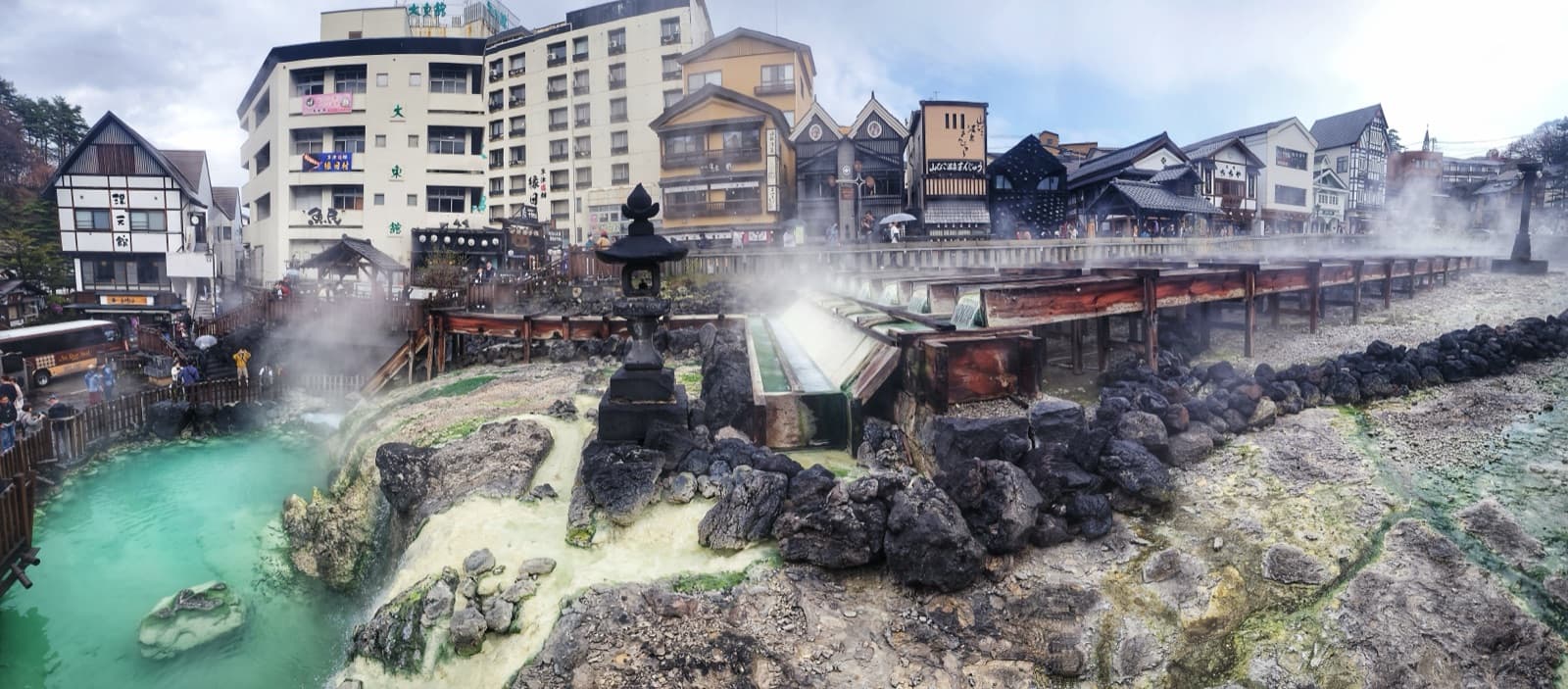
Kusatsu has the largest volume of naturally flowing hot-spring water in Japan, and it shows the moment you arrive — the Yubatake ("hot water field"), a wooden channel system in the center of town, pours out steaming, sulfur-heavy water around the clock, lit up at night and genuinely the town's main gathering spot rather than a photo op you walk past once.
The water here is intensely acidic — strong enough that locals developed yumomi, an Edo-period practice of stirring the water with long wooden paddles to cool it before bathing, since it comes out of the ground too hot and too acidic to enter directly. Watching a yumomi performance (still done today, partly for visitors, partly because it's real technique) is worth timing your visit around.
Getting there: about 3 hours from Tokyo by train and bus — closer than most people assume for a town with this much character.
Kinosaki Onsen (Hyogo)
Kinosaki does the "yukata town" concept better than anywhere else in Japan. Seven public bathhouses sit along a single willow-lined canal street, and the whole point of staying here is to change into a yukata at your ryokan, grab the wooden geta sandals, and hop between two or three of them in one evening — each one architecturally distinct, each with a different mineral profile and layout.
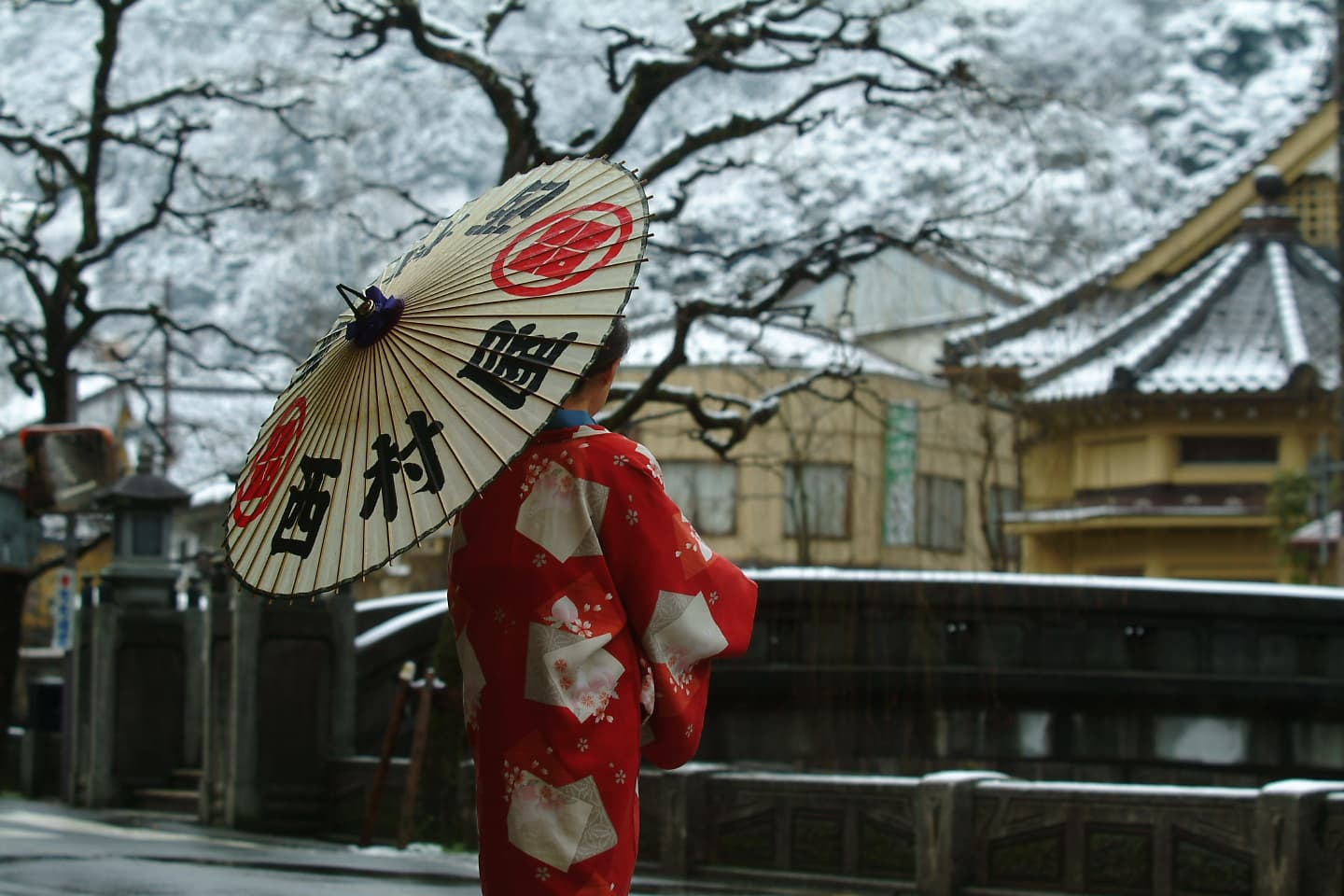
It's compact enough to do on foot entirely, which matters — you're not driving or taking taxis between baths, you're walking a few hundred meters in a robe past shops selling the town's onsen-boiled eggs. Come winter for snow crab season (Kinosaki sits close to some of Japan's best crab grounds) if you want the food to match the setting.
Getting there: roughly 2.5 hours from Osaka or Kyoto by limited express train, making it a realistic overnight add-on to a Kansai trip rather than its own separate expedition.
Beppu Onsen (Oita)
Beppu isn't subtle. It has more hot-spring output than any other town in Japan and leans into the range of what that water can do — mud baths, sand baths (you're buried up to the neck on a beach, fully clothed, and it's genuinely relaxing rather than gimmicky), and the "Hells" (jigoku), a set of colorful hot springs too hot to bathe in that exist purely to be looked at.
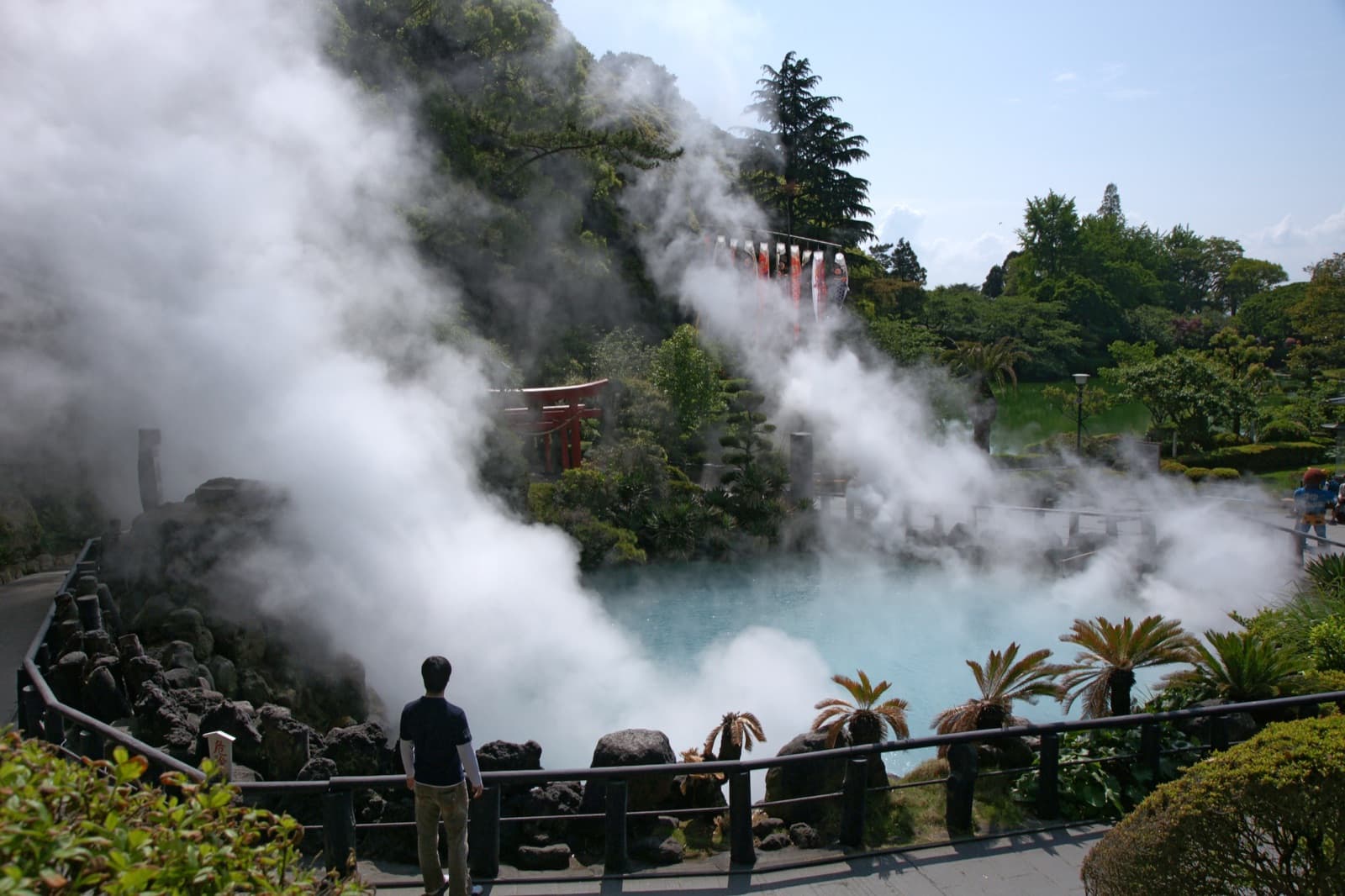
Umi Jigoku (Sea Hell) is the cobalt-blue one everyone photographs; Chinoike Jigoku (Blood Pond Hell) is the deep red one. Neither is for bathing — they're a sightseeing circuit you do before finding an actual bathhouse or sand-bath facility elsewhere in town. Budget half a day for the Hells alone if you want to see more than two or three.
Getting there: Beppu is on Kyushu, reachable by flight into Oita Airport or by rail from Fukuoka (around 2 hours) — it's the outlier on this list geographically, worth building a Kyushu leg of a longer trip around rather than a quick add-on.
Ginzan Onsen (Yamagata)
Ginzan is the small, gaslit ryokan-lined street that shows up on every "most beautiful onsen town" list, and in winter — snow piled on the wooden balconies, gas lamps lit against the dark — it earns the reputation. A popular claim is that it inspired the bathhouse in Studio Ghibli's Spirited Away; Miyazaki has never confirmed this, and it's worth treating as town folklore rather than fact, but it doesn't hurt bookings.
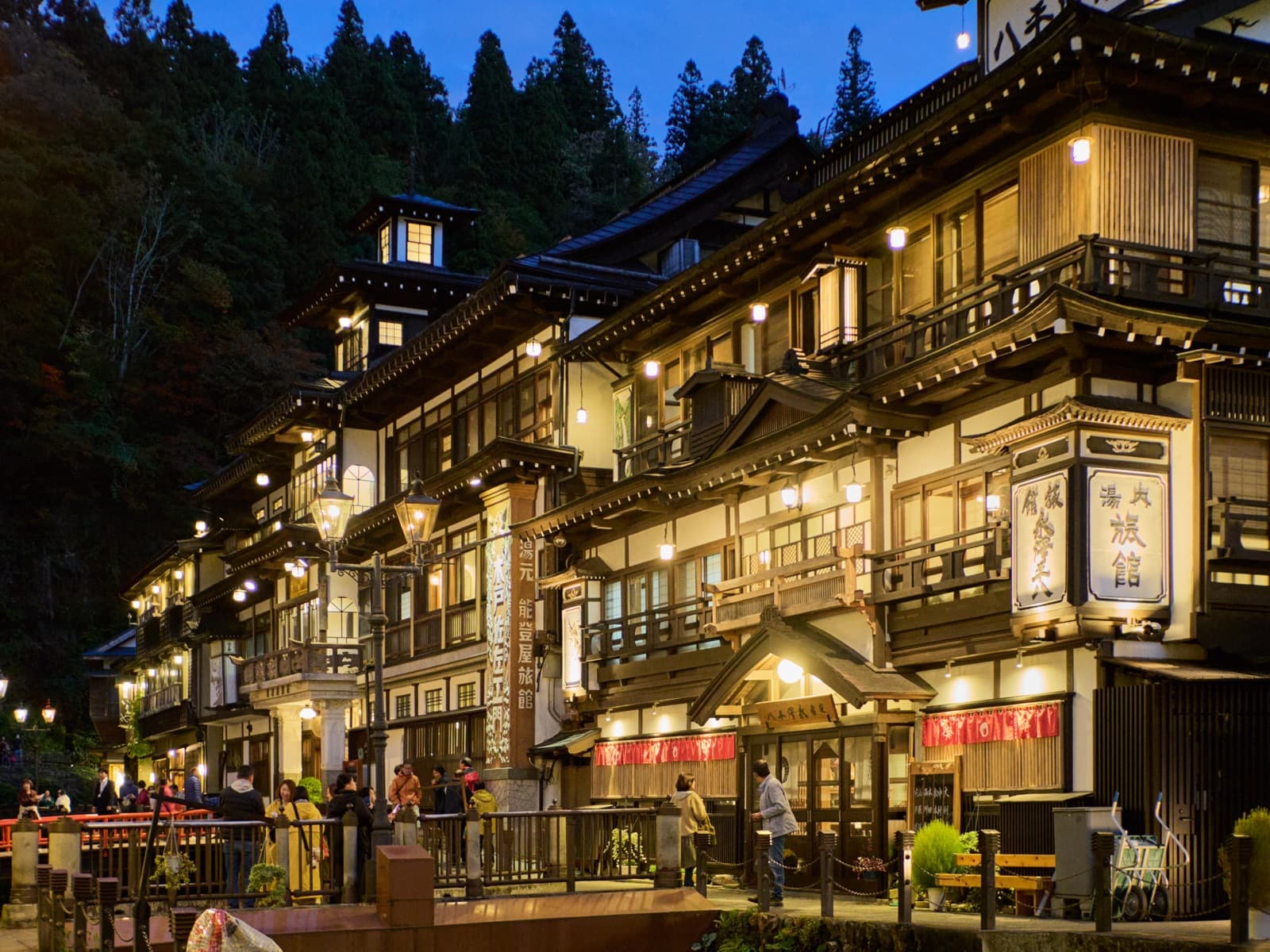
It's tiny — one main street, a handful of ryokan, a 22-meter waterfall at the back of town — which means it's built for an overnight stay, not a day trip. Day-trippers cram the narrow street in the late afternoon for photos and clear out by evening, so staying the night is genuinely the better experience, not just a nice-to-have.
Ginzan pairs naturally with Zao Onsen and its frozen "snow monster" trees, about an hour away — most visitors do both on a two-day Tohoku loop rather than choosing one.
Getting there: train to Oishida Station on the Yamagata Shinkansen line, then a roughly 40-minute bus — no cars are allowed on the main street itself, part of why it's stayed so photogenic.
Noboribetsu Onsen (Hokkaido)
Noboribetsu's draw is Jigokudani — its own "Hell Valley," a volcanic crater with steam vents, bubbling mud, and a sulfur smell that hits you before you see it. Unlike Beppu's scattered Hells across town, Noboribetsu's is one concentrated, walkable valley right above the ryokan district, genuinely dramatic in a way photos undersell.
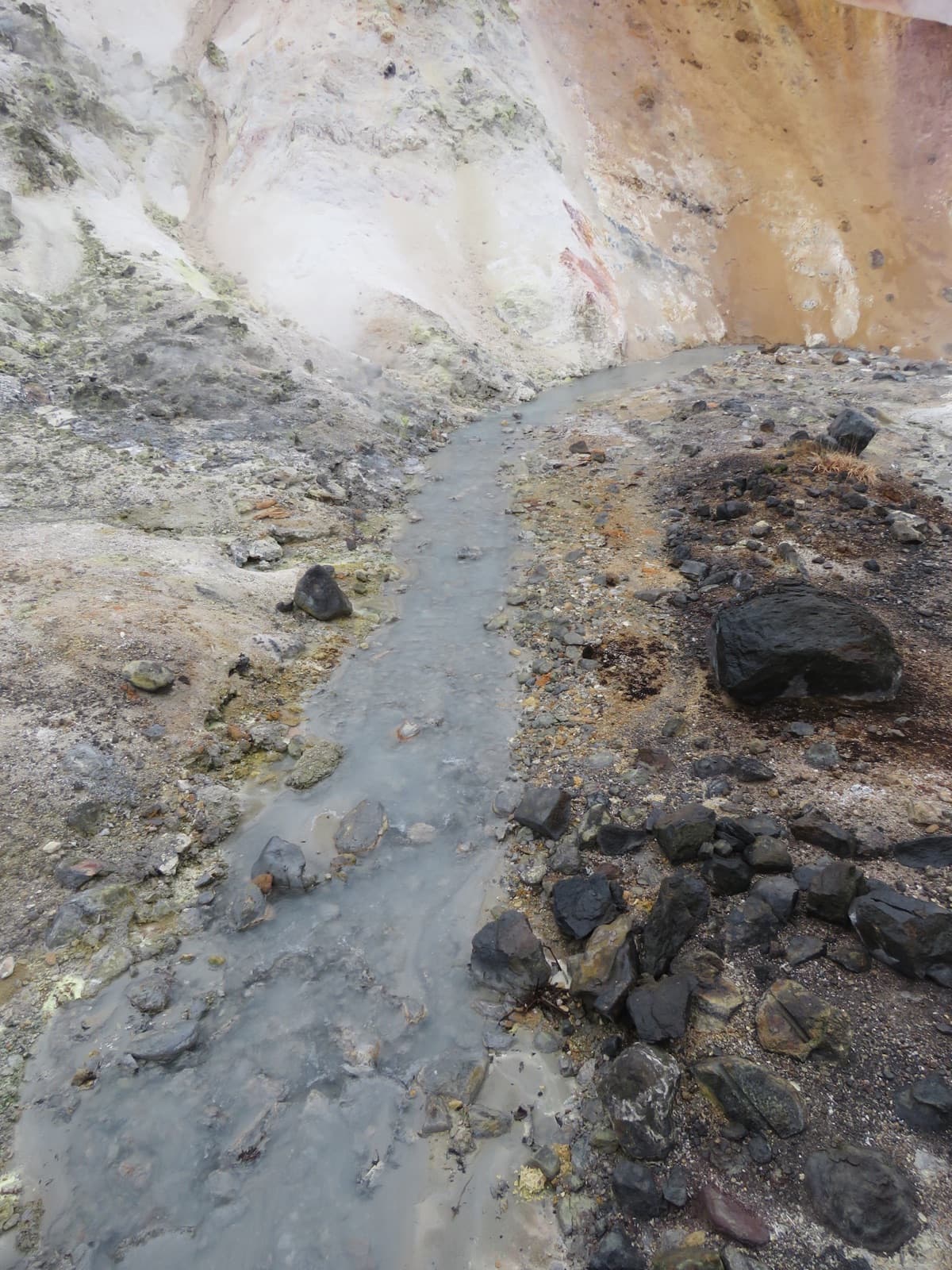
The town itself has a wide range of bath types fed directly from the valley — sulfur, iron, and salt springs among them — and it's the most accessible serious onsen town in Hokkaido if you're already up there for Sapporo, Niseko, or Hakodate and want one night of proper bathing in the mix.
Getting there: about 90 minutes from Sapporo by JR limited express, or a straightforward add-on if you're driving the island already.
Nozawa Onsen and Zao Onsen (the ski-and-onsen combo)
Two towns deserve a mention here even though skiing is most of what draws people: Nozawa Onsen (Nagano) has 13 free public bathhouses funded by donation, genuinely maintained by residents rather than run for tourists, plus a real ski mountain above the village. Zao Onsen (Yamagata) pairs some of the most mineral-heavy, acidic water in the country with its ski slopes and the juhyo snow monster field. Both are covered in more depth, skiing included, in the best ski resorts in Japan guide — and Nozawa gets its own full breakdown: Nozawa Onsen guide.
What About Hakone?
Hakone, 85 minutes from Shinjuku by Romancecar, is the classic Tokyo-area onsen escape and deserves its own separate treatment rather than a paragraph here — day-trip logistics, which day-use facilities to pick, and how to avoid an overnight ryokan bill are covered in best onsen day trips from Tokyo.
Onsen Town Comparison
| Town | Region | Known for | From Tokyo/nearest hub |
|---|---|---|---|
| Kusatsu | Gunma | Yubatake, yumomi, largest flow in Japan | ~3 hrs from Tokyo |
| Kinosaki | Hyogo | Yukata bathhouse-hopping, canal street | ~2.5 hrs from Osaka/Kyoto |
| Beppu | Oita | Volume, mud/sand baths, the Hells | ~2 hrs from Fukuoka |
| Ginzan | Yamagata | Gaslit street, winter atmosphere | ~40 min bus from Oishida Station |
| Noboribetsu | Hokkaido | Jigokudani volcanic valley | ~90 min from Sapporo |
| Nozawa Onsen | Nagano | 13 free baths + real skiing | ~1h40 shinkansen + bus from Tokyo |
| Hakone | Kanagawa | Easiest Tokyo day trip | ~85 min from Shinjuku |
FAQ
What's the difference between an onsen town and a hotel with a hot spring bath? An onsen town has multiple independent bathhouses, usually including free or cheap public ones, built into the fabric of the town itself — not one facility owned by a single hotel. You can walk between baths and get different water and different architecture at each.
Can I visit an onsen town if I have tattoos? It varies by facility. Many public bathhouses in these towns still restrict tattoos; some have relaxed the rule or offer tattoo-friendly private baths. Check the specific facility, and see the onsen tattoo policy guide before you go.
Which onsen town is best for a first visit to Japan? Kinosaki or Hakone — both are compact, walkable, well set up for visitors, and reachable as an overnight add-on to Kyoto/Osaka or Tokyo respectively without derailing the rest of a trip.
Do I need to stay overnight, or can I day-trip an onsen town? Kusatsu, Kinosaki, and Hakone all work as day trips if you're short on time, though an overnight ryokan stay is the fuller experience everywhere on this list — especially Ginzan, which empties out and changes character after the day-trippers leave.
Is Beppu worth the trip if I'm not doing a Kyushu itinerary otherwise? Only if you have a few extra days. It's genuinely excellent but geographically isolated from the Tokyo–Kyoto–Osaka core — build a Kyushu leg around it (Fukuoka, maybe Nagasaki) rather than bolting it onto a standard first-timer route.
What should I actually bring to a public bathhouse? A small towel (some facilities sell or rent one if you forget) and soap/shampoo if the bathhouse doesn't provide it — the smaller, free village baths often don't. Cash for the donation box is expected even when entry is technically free.
Need Help with This?
Have questions about Best Onsen Towns in Japan: Kusatsu, Kinosaki, Beppu, and Where to Actually Go? We're here to help. Send us a message and we'll get back to you within 24-48 hours.

Alex Rivera
Travel & Living Editor
Expat guide. Helps people actually move to and navigate Japan.
Moved from London to Tokyo in 2018. Went through the full gaijin experience—visa, housing, banking, the works. Now writes the guide he wished he had.
Tokyo
Expertise
Moving to Tokyo, expat life, travel, Kyoto vs Tokyo, onsen
The Standard Newsletter
Tokyo in your inbox. Weekly.
No algorithms curating your culture. No sponsored content disguised as journalism. Just the real Tokyo — the izakayas at 2am, the Harajuku kids who never made it to the algorithm, the ramen shop with no sign.
8K+
Subscribers
Weekly
Editions
Free
Always
Join the underground.
One email a week. Unsubscribe anytime.
No spam. No sharing your data. Tokyo only.
Related Stories
Best Ski Resorts in Japan (2026–27): Niseko, Hakuba, and Where the Powder Actually Is
Niseko gets the hype, but it's not the only — or even the best — call for every trip. A resort-by-resort breakdown of Japan's top ski towns for 2026–27.
Hakodate Travel Guide: The Night View, the Morning Market, and Getting There
Hakodate has one of Japan's three best night views, a morning market that's actually worth waking up for, and a shinkansen station Sapporo still doesn't have.
Hakuba Valley Guide: 10 Resorts, One Pass, and How to Actually Get There
Hakuba Valley has ten ski resorts, an Olympic downhill course, and no single obvious base town. Here's how the valley actually breaks down.