
Japan in February 2027: Snow Festival, Lunar New Year, Snow Monsters
February is Japan's coldest month and mostly one of its cheapest — except the first ten days, when three events fight over the same hotel rooms.
February is the coldest month in Japan and, for most of it, one of the cheapest. The catch is a cluster of events in the first ten days that all want the same hotel rooms. Miss that cluster and you get the quiet, clear, inexpensive version of winter that most visitors never see.
Weather: the coldest stretch
Tokyo runs roughly 1–10°C in February, with cold, dry, bright days and only occasional snow. Kyoto is colder and damper. Sapporo stays well below freezing, and the mountains are at full winter strength — this is peak season for snow everything.
Late winter also has a subtle turn: by the last week of the month the light changes and the first warm days appear, and plums are out. It's the month where "still winter" and "almost spring" coexist.
February 4–11: three events, one set of hotels
Three things overlap in the first ten days:
- Setsubun, February 3 (Wednesday) — the eve of spring by the old calendar. Shrines and temples hold bean-throwing ceremonies, shouting "oni wa soto, fuku wa uchi" (demons out, luck in). It's free, a bit chaotic, and a genuinely fun cultural hour.
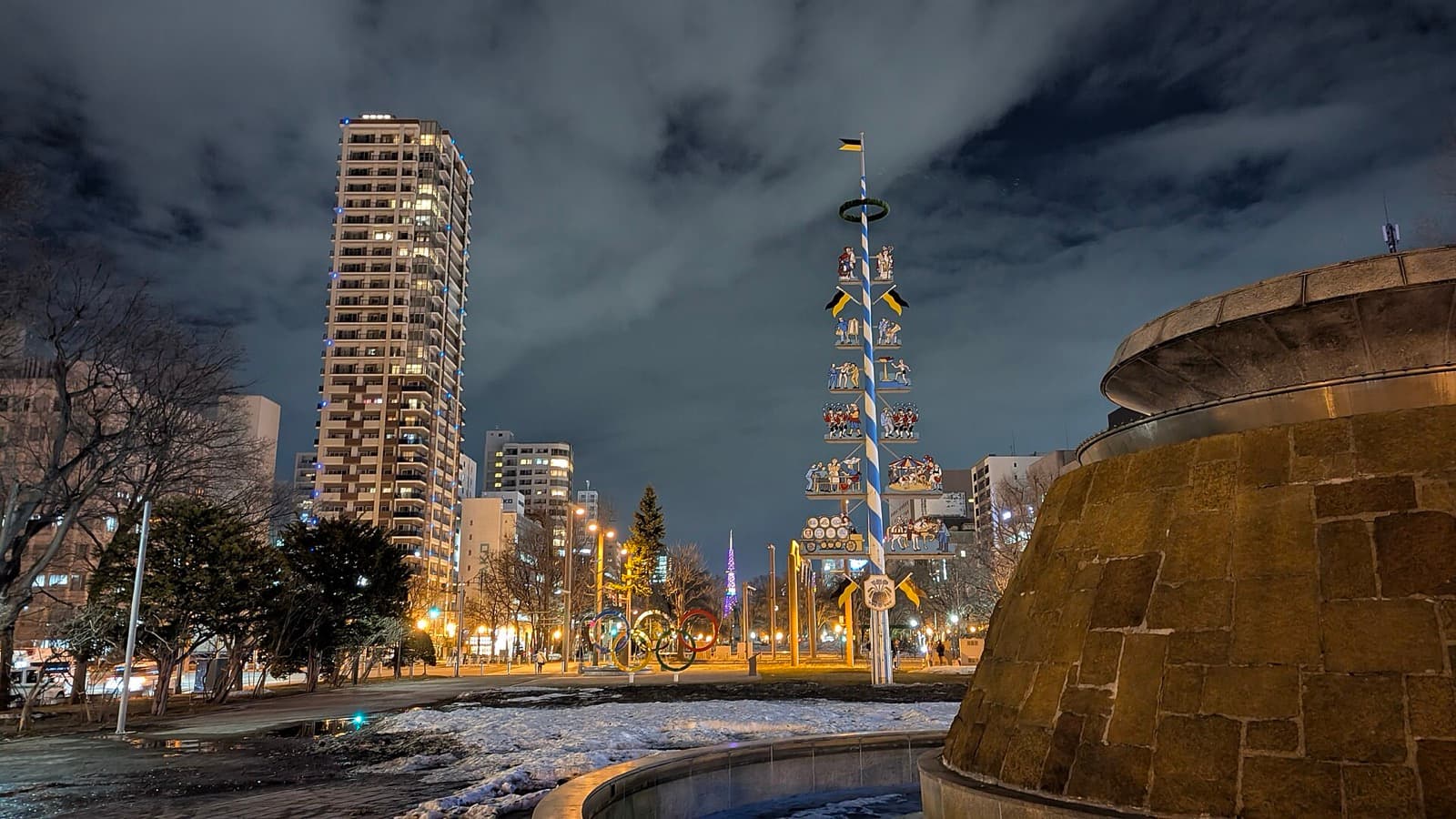
- Sapporo Snow Festival, February 4–11 — enormous snow and ice sculptures at Odori Park, plus ice sculptures in Susukino and family snow slides at Tsudome. Full site-by-site detail in the Sapporo Snow Festival guide.
- Lunar New Year, Saturday, February 6 — one of the biggest travel periods across East Asia, with celebrations running to the Lantern Festival on February 20. It brings extra visitors from China, Taiwan, Hong Kong, and Korea. The size of the effect varies from year to year, but it tends to tighten hotels and crowd shopping districts in Tokyo and Osaka in particular.
The practical result: if you're going to Sapporo for the festival, book as soon as your dates are fixed, because it also overlaps peak Niseko and Rusutsu ski season. If you're going to Tokyo or Osaka and have flexibility, the weeks either side of February 4–11 are noticeably calmer and cheaper.
Snow monsters: Zao Onsen
Zao's juhyo — trees so heavily coated with wind-driven snow and ice that they turn into hulking white shapes — are at their best from late January through February. They're entirely natural, formed only under specific freezing-wind conditions, and the ropeway takes you up to the field even if you don't ski. The Zao snow monster festival runs from late December through late February, with night illuminations and, typically in early February, a fireworks display.
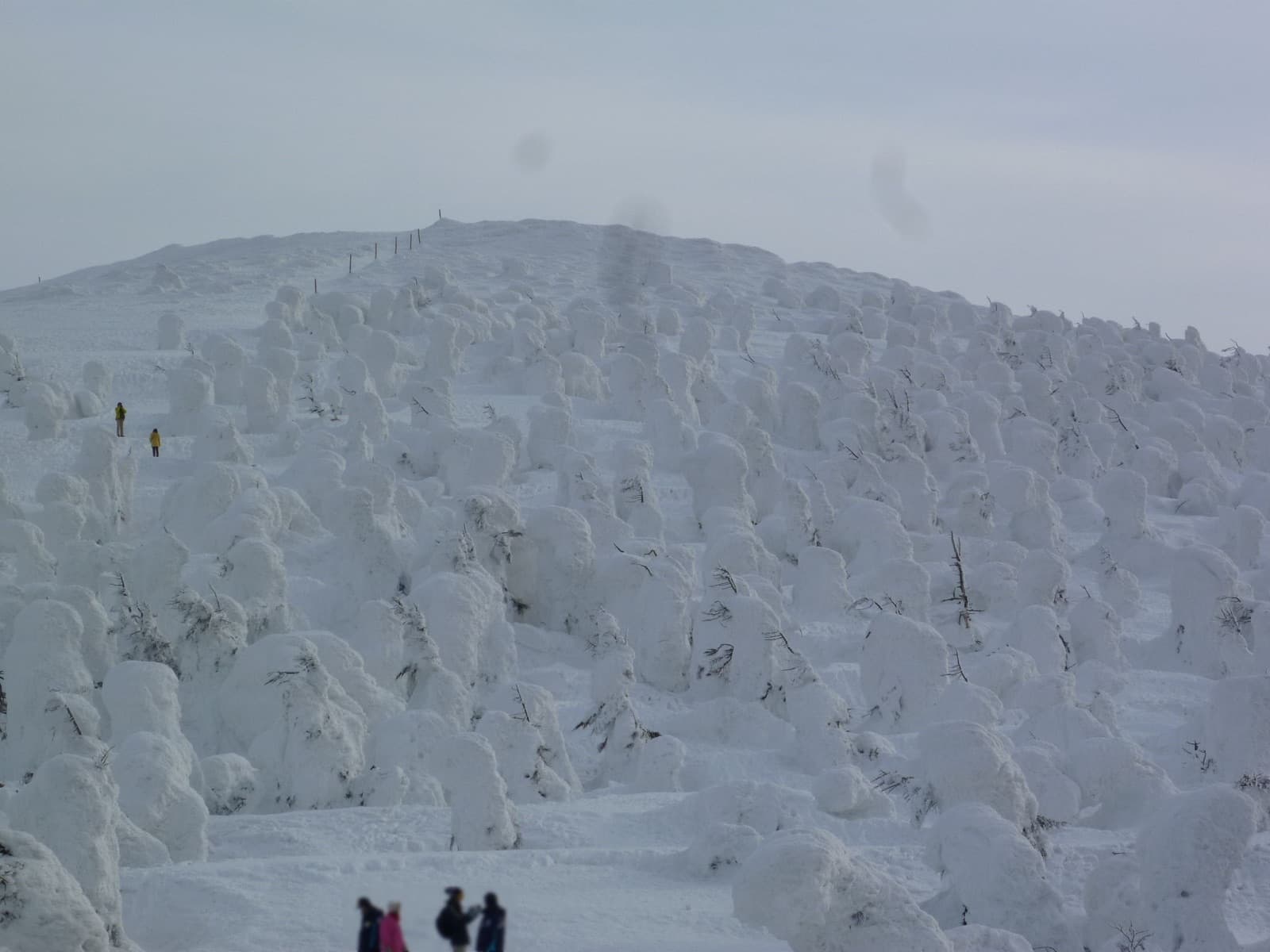
Zao pairs naturally with Ginzan Onsen, roughly an hour away — a tiny gaslit ryokan street that looks its best under snow. It's a natural two-day Tohoku winter loop.
Some links in this article are affiliate links. If you book through them, The Standard Japan may earn a commission at no additional cost to you.
More on Zao, Ginzan, and Japan's other proper hot-spring towns: best onsen towns in Japan.
First blossoms
You don't have to wait for March to see flowers:
- Okinawa — its cherry blossoms bloom from late January into early February, a deeper pink than the mainland's, and a real "escape the cold" option.
- Kawazu, on the Izu Peninsula — around 850 early-blooming trees with large pink petals, flowering from early February through early March. It's about two to three hours from Tokyo and one of the most reliable early-bloom day trips.
- Plum blossoms — start opening across the country through February, peaking in late February and March. Same viewing tradition, a fraction of the crowds.
For the main event, see the 2027 cherry blossom guide — and for how February's quiet feeds into the late-March peak, the March 2027 guide.
Skiing and onsen at their peak
February is one of the two best months for snow. Niseko, Hakuba, and Nozawa Onsen all hold deep, cold snow, and the crowds thin once the New Year and Snow Festival rushes pass. Onsen towns are at their best — outdoor baths in falling snow — and cheaper mid-month than at any other time of the season.
Otaru's Snow Light Path Festival, with candles and snow lanterns along the canal, typically runs in the second week of February — confirm the exact 2027 dates closer to the time. It's a 30-minute train from Sapporo and pairs neatly with the Snow Festival; see the Otaru day trip guide.
Public holidays
Two national holidays fall in February 2027: National Foundation Day on Thursday, February 11 (the last day of the Snow Festival) and the Emperor's Birthday on Tuesday, February 23. Neither produces a long weekend, so they barely register for most visitors — expect somewhat busier attractions but no shutdown.
Sample February trip shapes
Value city trip (February 12–22): Tokyo and Kyoto in their cheapest, clearest weeks, with plum blossoms starting.
Snow Festival trip (February 3–11): Sapporo plus Niseko or Otaru, booked as early as possible — the crunch week.
Tohoku winter trip (February 8–12): Zao's snow monsters and Ginzan Onsen, then back to Tokyo.
Early-bloom trip (February 14–20): Kawazu on the Izu Peninsula as a day trip, with onsen nights at Atami or Ito.
Tips for International Visitors
- Bring grip, not just warmth. Pavements in Sapporo and the snow country stay icy, and fashion boots or sneakers are the usual cause of slips. Pack waterproof boots with real tread or slip-on ice grips, and pick up disposable pocket warmers (kairo) at any convenience store or drugstore — see the drugstore guide.
- Book flexible rates for February 4–11. With the Snow Festival and Lunar New Year overlapping, rooms in Sapporo, Tokyo, and Osaka go fast. Choose free-cancellation rates and rebook if prices drop, rather than locking in a non-refundable room early.
- Don't assume snow delays are compensated. Operators generally treat heavy snow as force majeure, so missed connections and hotel nights are usually on you. Check JR East's status page and keep a buffer day around flights.
- Plan Zao around the ropeway hours and the weather. The Zao ropeway runs roughly 8:30–17:00 on the lower line and 8:45–16:45 on the upper, so go up early — and keep a spare day, because the snow monsters can disappear into cloud on a whiteout afternoon.
FAQ
Is February a good time to visit Japan? Yes, if you avoid February 4–11 in Sapporo, Tokyo, and Osaka. Otherwise it's one of the cheapest months, with clear, dry weather in the big cities and peak snow in the mountains.
When is the Sapporo Snow Festival 2027? February 4 to 11, 2027, at Odori Park, Susukino, and Tsudome. Book Sapporo hotels as soon as your dates are set.
When is Lunar New Year in 2027? Saturday, February 6, 2027, with celebrations running to the Lantern Festival on February 20. It tends to bring extra visitors to Japan from across East Asia.
When are Zao's snow monsters at their best? From late January through February. The Zao snow monster festival runs from late December to late February, with night illuminations.
Can I see cherry blossoms in February? Yes. Okinawa's bloom runs late January to early February, and Kawazu on the Izu Peninsula from early February into early March. The mainland's main bloom is in late March.
How cold is Japan in February? Tokyo averages roughly 1–10°C, Kyoto is a little colder, and Sapporo stays well below freezing. Pacific-side weather is dry and bright.
Is February good for skiing? It's one of the two best months, with deep, cold snow across Nagano and Hokkaido and thinner crowds than the New Year peak.
Need Help with This?
Have questions about Japan in February 2027: Snow Festival, Lunar New Year, Snow Monsters? We're here to help. Send us a message and we'll get back to you within 24-48 hours.

Alex Rivera
Travel & Living Editor
Expat guide. Helps people actually move to and navigate Japan.
Moved from London to Tokyo in 2018. Went through the full gaijin experience—visa, housing, banking, the works. Now writes the guide he wished he had.
Tokyo
Expertise
Moving to Tokyo, expat life, travel, Kyoto vs Tokyo, onsen
The Standard Newsletter
Tokyo in your inbox. Weekly.
No algorithms curating your culture. No sponsored content disguised as journalism. Just the real Tokyo — the izakayas at 2am, the Harajuku kids who never made it to the algorithm, the ramen shop with no sign.
8K+
Subscribers
Weekly
Editions
Free
Always
Join the underground.
One email a week. Unsubscribe anytime.
No spam. No sharing your data. Tokyo only.
Related Stories
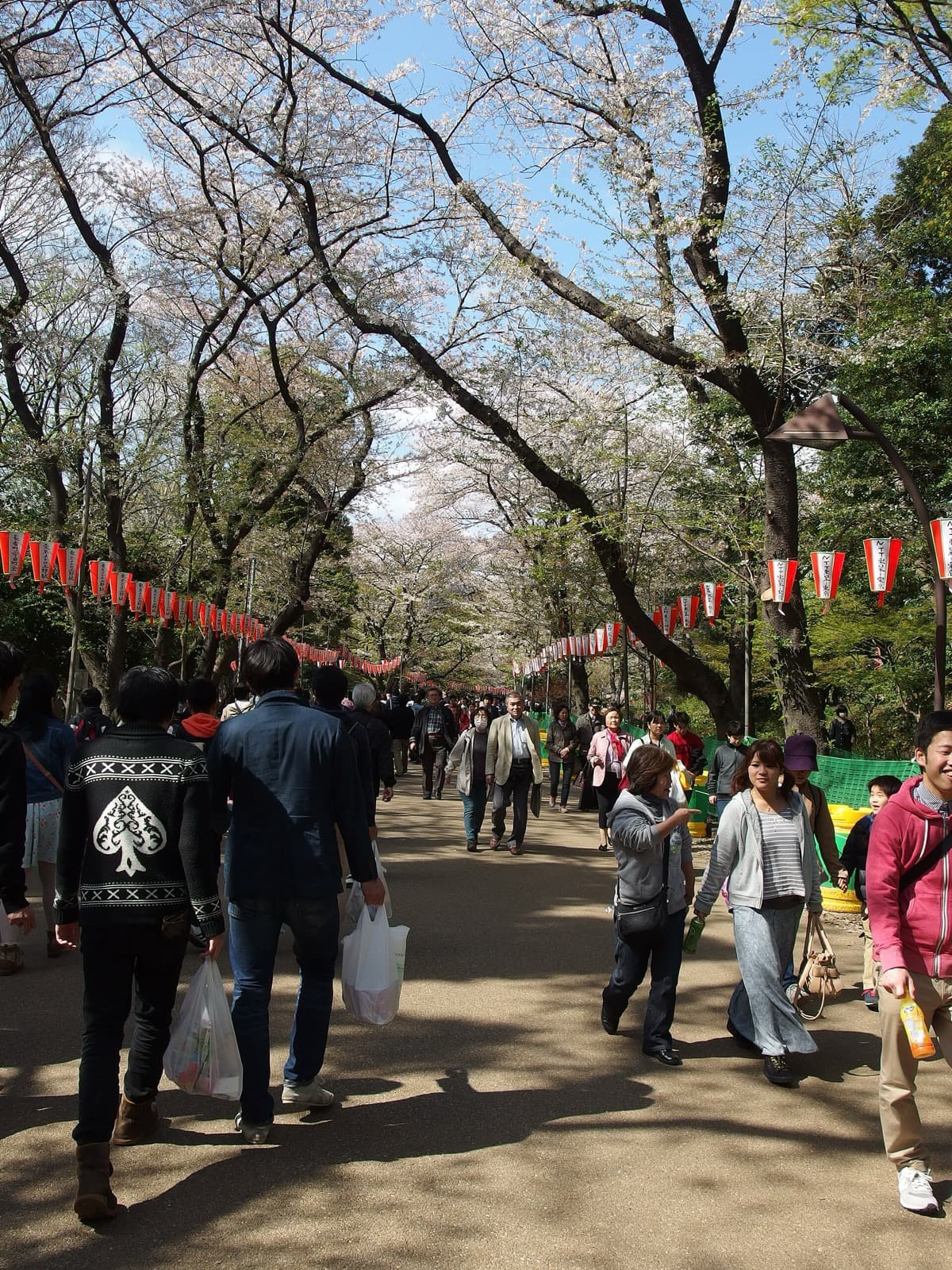
Cherry Blossom Japan 2027: Forecast Timing, Best Spots, and When to Book
The 2027 sakura forecast won't exist until December — but the bookings that matter happen months earlier. Here's how to plan the season anyway.
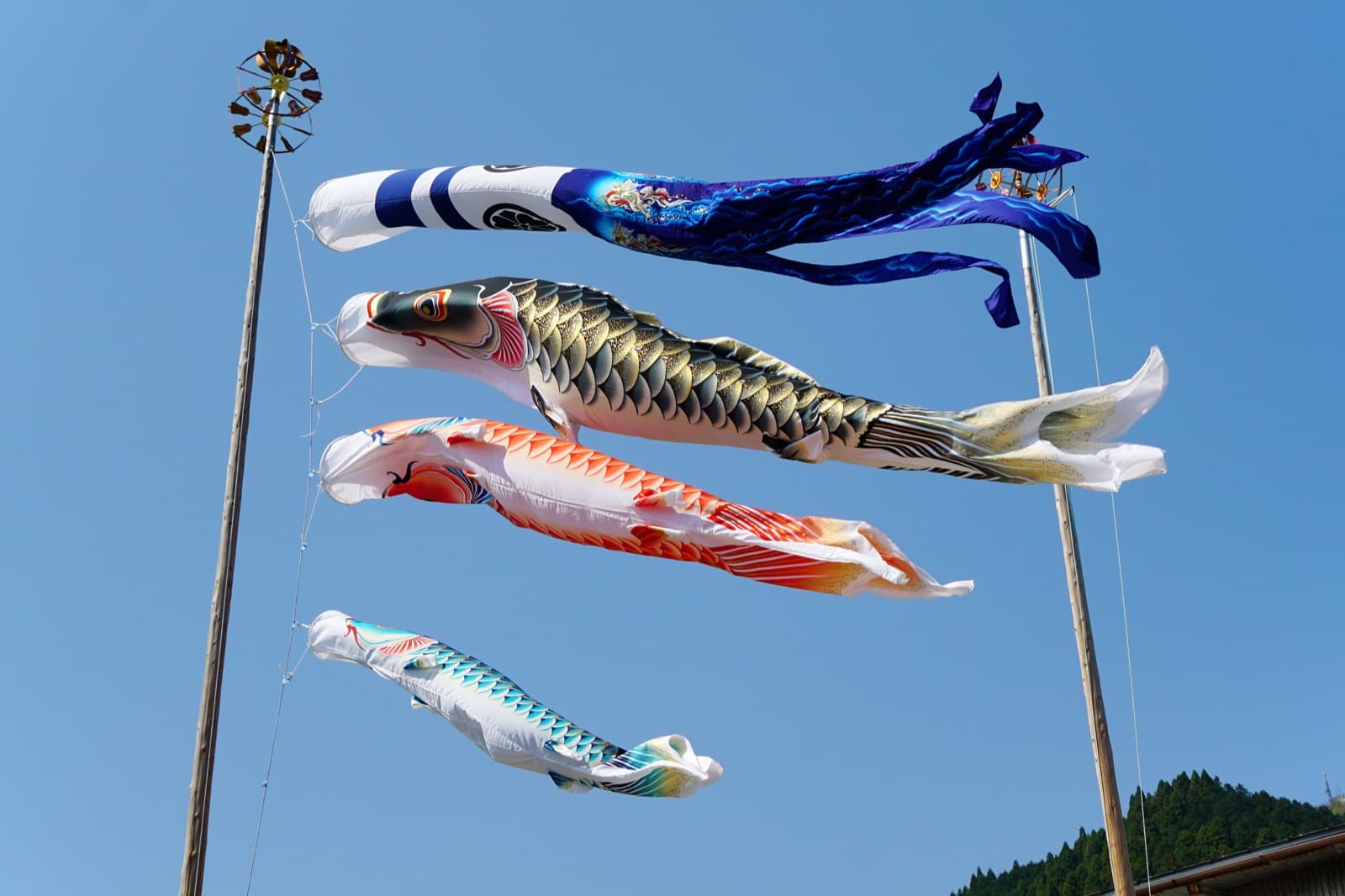
Golden Week 2027: Why This One Is Worse Than Usual (April 29 – May 5)
Golden Week 2027 has a calendar quirk that turns one day of leave into a seven-day holiday for most of Japan. That's great for locals and bad for your hotel rate.
Japan in April 2027: Peak Sakura, the Golden Week Runup, and the Quiet Middle
April 2027 has two expensive bookends and an underrated middle. Weeks two and three are the best-value spring travel in Japan — and almost nobody books them.