
Japan in January 2027: New Year, Hatsu Basho, and the Cheapest Weeks
January in Japan opens with the busiest shrine days of the year and then drops into the cheapest, clearest, quietest stretch on the calendar. Timing is everything.
January is the month with the widest gap between its best and worst days. The first few are the most crowded and most closed-down of the year. By the second week, Tokyo and Kyoto are as quiet and affordable as they'll be all year, the air is dry and clear, and the mountains have real snow.
If your dates are flexible, arrive after the fourth.
Weather: cold, dry, and very clear
Tokyo runs roughly 2–10°C in January, the coldest month of the year. Kyoto is colder and damper; Sapporo sits well below freezing; the mountains are deep winter. What surprises visitors is how bright it is: the Pacific side of Honshu gets dry, sunny winter weather, and visibility is at its best. Mount Fuji is most reliably visible from late autumn through winter, so January is the strongest month for a clear view.
The Sea of Japan side is the opposite — heavy snow, grey skies, and the source of Nagano and Niigata's legendary powder.
January 1–4: New Year
New Year is Japan's biggest holiday, and it behaves like one. Hatsumode — the first shrine visit of the year — packs the major shrines: Meiji Jingu in Tokyo is commonly reported to draw around three million people across the first three days, and queues to reach the main hall can run for hours.
Many restaurants, small shops, and museums are closed from roughly December 29 through January 3, and some don't reopen until the 4th. Convenience stores, major hotels, and big-city entertainment districts keep running. Cash is more useful than usual, and shinkansen are packed on the return days. The full breakdown of what's open, shrine gate hours, and how to handle the crowds is in the New Year guide for tourists.
Lucky bags (fukubukuro) go on sale in department stores and shops from the first days of January — sealed bags of unknown contents sold at a discount, with queues to match.
January 5 onward: the quiet, cheap weeks
This is the real value window. The holiday crowds go home, domestic travel collapses, and hotel prices in Tokyo, Kyoto, and Osaka fall toward their lowest of the year. Temples and museums that were shuttered reopen, and attractions that are packed in spring are close to empty.
The exception is January 9–11, 2027. Coming of Age Day falls on Monday, January 11, creating a three-day weekend. It's a modest bump, not a New Year–scale rush, but expect fuller trains and busier onsen towns that weekend. You'll also see young adults in formal kimono at ceremonies across the country.
Hatsu Basho: sumo in Tokyo, January 10–24
The year's first sumo tournament, the Hatsu Basho, runs January 10 to 24, 2027 at Ryogoku Kokugikan — 15 consecutive days, top-division bouts in the late afternoon. It's one of three tournaments held in Tokyo each year.
Tickets go on general sale around December 5, 2026 through the Japan Sumo Association's official channels, and the popular days — weekends and the final days — sell out fast, sometimes on the first morning. Seats run from roughly ¥3,500 in the upper tier to around ¥10,000 for lower rows, with box seats costing considerably more. If you want to go, put the sale date in your calendar now.
Resale and guided packages exist for people who miss the official sale, but they're priced at a substantial markup over face value, so treat them as a fallback rather than a first move. For everything else about the sport — etiquette, what to expect, other ways to see it — see the sumo guide for Tokyo.
Snow: skiing, monkeys, and onsen
January is peak season for everything cold. Powder skiing is at its most reliable in Nagano and Hokkaido, and it's the month to go to Niseko, Hakuba, or Nozawa Onsen — book lodging months ahead, since the deepest snow is also the most expensive. Kanto skiers go to the resorts nearest Tokyo, while the Hokuriku Shinkansen makes Nagano reachable in under two hours.
Nozawa Onsen's Dosojin Fire Festival is on Friday, January 15. One of Japan's three great fire festivals, it's now restricted to locals and guests with a booked room in the village that night, so it requires planning a stay rather than a day trip. Details in the Nozawa Onsen guide.
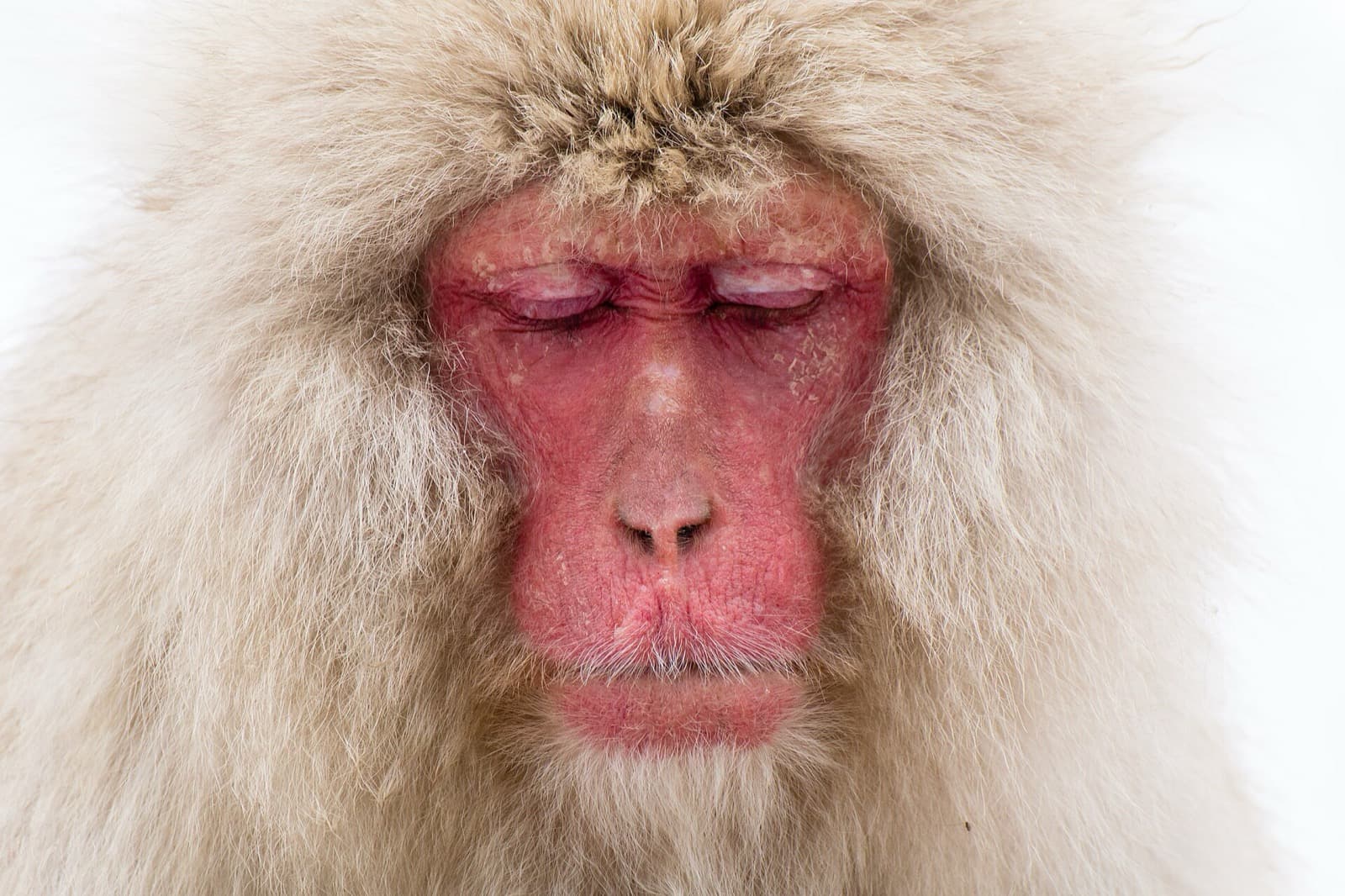
Snow monkeys at Jigokudani are at their most photogenic when snow blankets the valley — January and February are the classic months — and the macaques bathing in the hot spring are the image that defines the place. It pairs naturally with Nozawa Onsen or a Nagano base.
Some links in this article are affiliate links. If you book through them, The Standard Japan may earn a commission at no additional cost to you.
Onsen is at its best in January. Outdoor baths in snow are the defining winter experience, and the ryokan towns are far quieter after the New Year rush. See the best onsen towns in Japan for where to go.
Late January: illuminations and the run-up to February
The Kobe Luminarie, once a December event, now runs in late January and early February — confirm exact 2027 dates closer to the time, since the schedule has shifted in recent years. And the Sapporo Snow Festival begins February 4, so late January is when Sapporo hotels are already filling.
Sample January trip shapes
Value city trip (January 6–16): Tokyo and Kyoto at the lowest prices of the year, clear Fuji views, and the Hatsu Basho if you buy tickets in December.
Powder trip (January 10–20): Nagano or Hokkaido, with a snow monkey day and onsen nights.
Festival trip (January 13–17): A booked night in Nozawa Onsen for the fire festival on the 15th, skiing either side.
Tips for International Visitors
- Buy sumo tickets on the official site, but read the fine print. The Japan Sumo Association's English ticket service takes overseas credit cards at face value, but tickets must be printed at a 7-Eleven in Japan, and overseas buyers report registration forms that expect a Japanese address and phone number. Hatsu Basho sells out fast — and some resellers don't accept January orders at all — so set a reminder for the sale date (around December 5) and line up a plan B, such as a Japan-based friend who can register and print for you.
- Withdraw cash before December 30. Banks close from December 31 to January 3. Seven Bank ATMs (in 7-Eleven) accept foreign cards around the clock, but only Visa/PLUS and Mastercard/Maestro/Cirrus — not JCB, American Express, UnionPay, Diners, or Discover. If one of those is your only card, cash matters even more; see the cash and cards guide.
- Snow country transport can slip. Heavy snow slows shinkansen and cancels regional trains, especially around Hokkaido, Tohoku, Hokuriku, and the Sea of Japan side. Operators generally treat snow as force majeure and won't cover missed flights or hotels, so keep slack in your schedule and prefer flexible bookings. Check JR East's train status page before you travel.
- Reserve your return early. Travel around January 2–4 is heavy, and shinkansen reserved seats open one month ahead — book as soon as sales open.
FAQ
Is January a good time to visit Japan? After the first four days, yes — it's the cheapest, quietest, and clearest month in the big cities, with the best powder skiing in the mountains. The first few days are the busiest and most closed-down of the year.
When is the Hatsu Basho 2027? January 10 to 24, 2027, at Ryogoku Kokugikan in Tokyo. General ticket sales open around December 5, 2026, and popular days sell out quickly.
Is Japan closed in early January? Partly. Many restaurants, small shops, and museums close roughly December 29 to January 3, though convenience stores, major hotels, and entertainment districts stay open.
What is Coming of Age Day? A national holiday on the second Monday of January — Monday, January 11 in 2027 — celebrating new adults. The legal age of adulthood is now 18, but most ceremonies are still held for those turning 20. It creates a three-day weekend.
How cold is Japan in January? Tokyo averages about 2–10°C, Kyoto is colder, and Hokkaido and the mountains are well below freezing. Pacific-side weather is dry and bright.
Is January the best month to see Mount Fuji? It's among the best. The air is dry and clear from late autumn through winter, so visibility is at its most reliable.
Can I see the Nozawa Onsen fire festival as a day trip? No. Attendance is now limited to residents and guests with a booked room in the village that night — book lodging well ahead.
Need Help with This?
Have questions about Japan in January 2027: New Year, Hatsu Basho, and the Cheapest Weeks? We're here to help. Send us a message and we'll get back to you within 24-48 hours.

Alex Rivera
Travel & Living Editor
Expat guide. Helps people actually move to and navigate Japan.
Moved from London to Tokyo in 2018. Went through the full gaijin experience—visa, housing, banking, the works. Now writes the guide he wished he had.
Tokyo
Expertise
Moving to Tokyo, expat life, travel, Kyoto vs Tokyo, onsen
The Standard Newsletter
Tokyo in your inbox. Weekly.
No algorithms curating your culture. No sponsored content disguised as journalism. Just the real Tokyo — the izakayas at 2am, the Harajuku kids who never made it to the algorithm, the ramen shop with no sign.
8K+
Subscribers
Weekly
Editions
Free
Always
Join the underground.
One email a week. Unsubscribe anytime.
No spam. No sharing your data. Tokyo only.
Related Stories
Cherry Blossom Japan 2027: Forecast Timing, Best Spots, and When to Book
The 2027 sakura forecast won't exist until December — but the bookings that matter happen months earlier. Here's how to plan the season anyway.
Golden Week 2027: Why This One Is Worse Than Usual (April 29 – May 5)
Golden Week 2027 has a calendar quirk that turns one day of leave into a seven-day holiday for most of Japan. That's great for locals and bad for your hotel rate.
Japan in April 2027: Peak Sakura, the Golden Week Runup, and the Quiet Middle
April 2027 has two expensive bookends and an underrated middle. Weeks two and three are the best-value spring travel in Japan — and almost nobody books them.