
Japan New Year for Tourists 2026–27: What’s Open, Hatsumode Maps, Meiji Jingu Hours
Accurate New Year guide: JNTO closures, Cabinet Office Ganjitsu, Meiji Jingu official gate hours, Google Maps pins, osechi and toshikoshi soba.
Japan’s biggest holiday is quiet kitchens and roaring shrine paths. You can have a great trip — if you stop expecting every museum to be open on January 1.
Planning around the holiday? The month guides cover the surrounding weeks: Japan in December 2026 for the run-up and price climb, and Japan in January 2027 for the quiet, cheap stretch after the fourth.
Primary sources used here:
- JNTO – New Year’s In Japan
- Cabinet Office – national holidays (元日 / Ganjitsu = 1 January)
- Meiji Jingu – hatsumode special (gate hours, routes, Gyoen, tips)
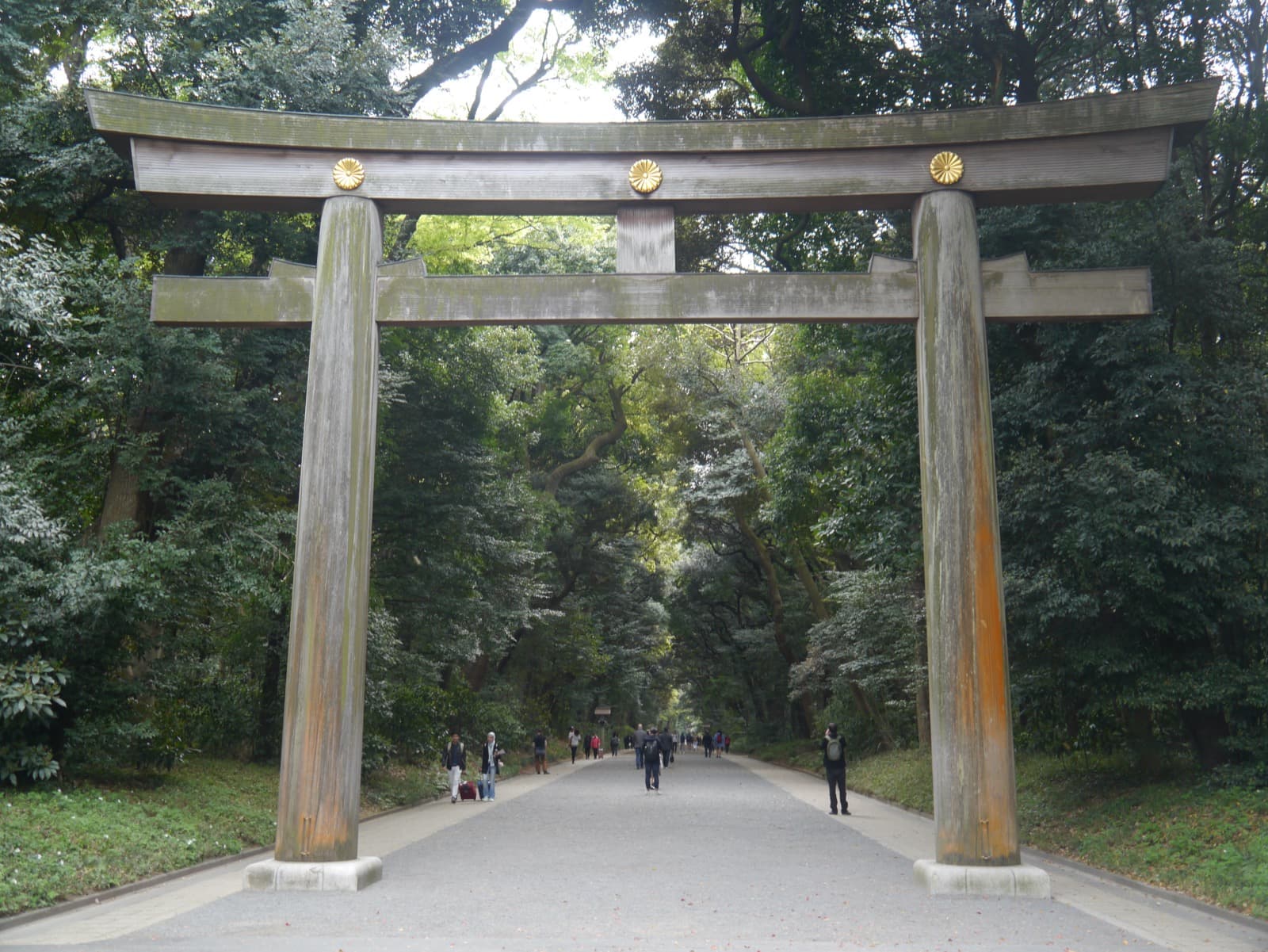
Meiji Jingu torii — main hatsumode destination in Tokyo (Wikimedia Commons).
What “closed” actually means
JNTO: the traditional holiday window runs about 29 December – 3 January, with schools, administrative offices, and many businesses closed for at least part of that time. On the Cabinet Office calendar, only 1 January is the New Year national holiday — but private Japan still observes sanganichi (first three days) with shorter menus and locked shutters.
| Usually works | Often limited / closed |
|---|---|
| Convenience stores (7-Eleven / Lawson / FamilyMart) | Independent restaurants (esp. Jan 1) |
| Hotel restaurants & big chains | Museums (often multi-day) |
| Shrines & temples (hatsumode) | Banks / city halls / many post counters |
| Some malls & tourist attractions | Fresh-seafood specialists (markets pause) |
Department stores: commonly closed Jan 1, then hatsuuri + fukubukuro lucky bags from Jan 2 — confirm each store. Withdraw cash before the quiet stretch; don’t assume every ATM brand is happy on Jan 1.
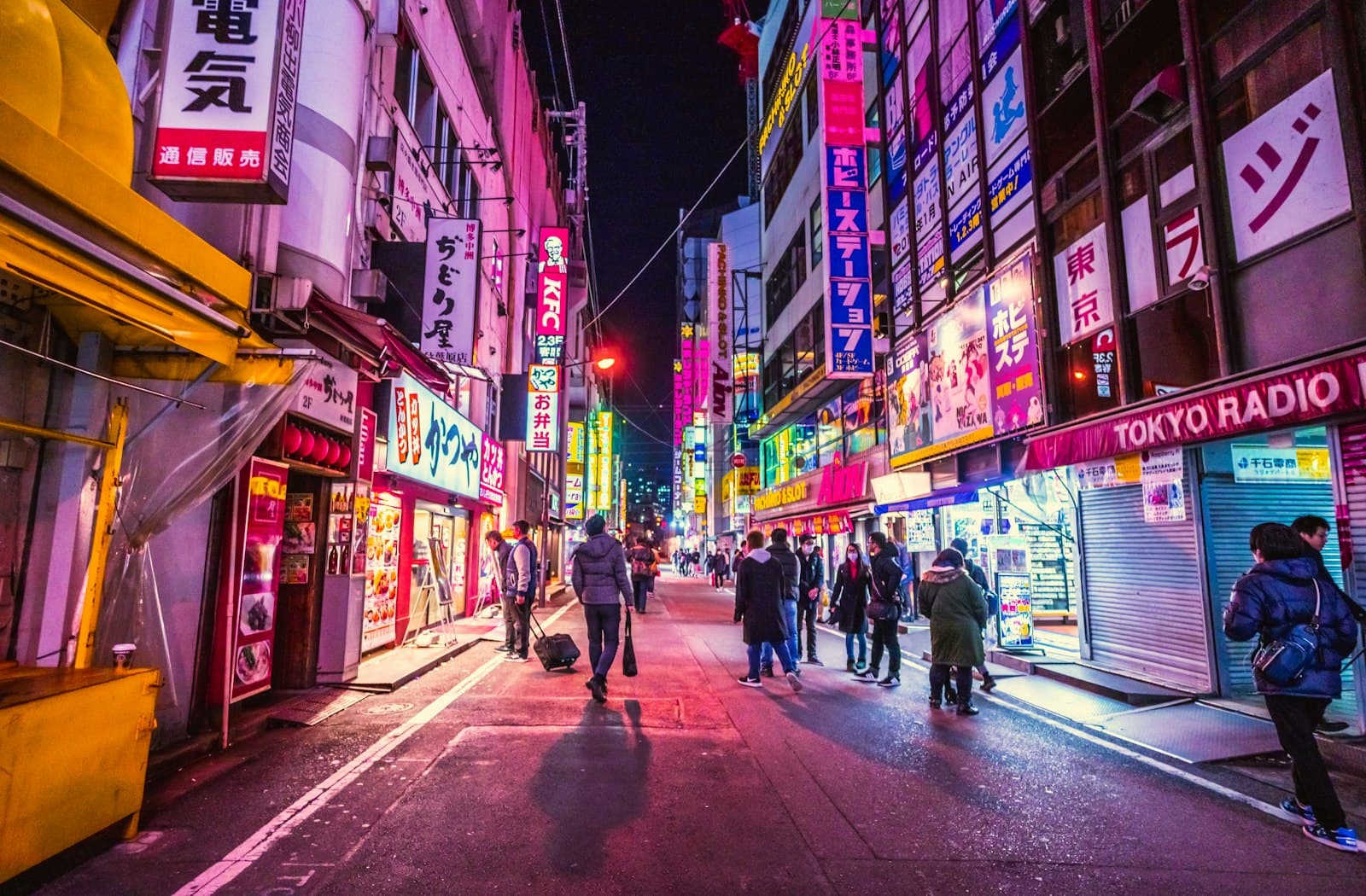
Shrine approach atmosphere — expect slow-moving lines at famous sites over sanganichi.
Hatsumode: how to do it without misery
JNTO: after ozoni on New Year’s morning, crowds make their first shrine/temple visit — hatsumoude. Famous crush sites include Meiji Jingu (Tokyo), Atsuta (Nagoya), Fushimi Inari (Kyoto).
Meiji Jingu — official planned hours
From Meiji Jingu’s hatsumode page (subject to change — re-check before you go):
| Day | Gates (planned) |
|---|---|
| Ōmisoka (Dec 31) | 6:40 → 24:00 — overnight worship into New Year (no close at year-cross) |
| Jan 1 | 00:00 → 18:30 |
| Jan 2–3 | 6:40 → 18:00 |
| Jan 4 | 6:40 → 17:30 |
| Jan 5 onward | 6:40 → 16:20 (usual January close) |
Crowd note (official): busiest typically 22:00 Dec 31 – 03:00 Jan 1, and after 10:00 on Jan 1–3. The shrine asks visitors to disperse across days/times.
Other official practical notes:
- Three entrances: Harajuku (south), Yoyogi (north), Sangubashi (west)
- Jan 1–3: no vehicle entry to precincts — use trains
- Temporary amulet counters + food stalls (ふれあい広場) from Dec 31
- Forest Terrace / café open from New Year’s Day
- Gyoen (Inner Garden / Kiyomasa’s Well): Jan 1 8:00–16:30; Jan 2–3 8:30–16:00; from Jan 4 9:00–16:00 (entrance gate changes after day 3 — follow on-site signs)
- Museum: open New Year’s Day with extended hours (see hatsumode page table)
Google Maps — Meiji Jingu
- Meiji Jingu (main)
- Harajuku Station → south approach (~1 min to torii area per shrine guidance)
- Meiji-jingumae〈Harajuku〉Station
- Yoyogi Station → north approach (~5 min)
- Sangubashi Station → west approach (~5 min)
Quieter alternative: any neighborhood shrine at dawn. Same ritual, fewer elbows. Example Maps search: local shrine near your hotel.
Etiquette: quiet voices, follow staff, don’t block the path for video, take trash with you (why bins are scarce). Omikuji / omamori need yen coins.
Other classic hatsumode Maps pins
- Fushimi Inari Taisha, Kyoto
- Atsuta Jingu, Nagoya
- Senso-ji, Asakusa (busy, photogenic, still sacred — behave)
Food: what the words mean (JNTO)
- Toshikoshi soba — buckwheat noodles on ōmisoka for longevity
- Ozoni — mochi soup New Year’s morning (recipe varies wildly by region)
- Osechi ryori — layered jubako dishes with auspicious meanings; cooked ahead so the household cook can rest; not eaten before Jan 1
Tourist-proof: hotel osechi sets, depachika boxes bought before the holiday, or chains that stay open. Don’t wander Ginza at noon on Jan 1 expecting every sushi counter to smile at you.
Transport & money
- Dec 31: major rail often runs all-night for hatsumode — confirm that year’s JR / metro notice
- Jan 1: holiday timetables
- Shinkansen peaks: outbound late Dec, inbound early Jan — reserve seats
- Suica / PASMO still work for trains/konbini
If your trip includes December lights too: Tokyo Christmas illuminations. Broader season: winter Japan 2026.
A sane 48-hour tourist plan
Dec 31: toshikoshi soba → early rest or Meiji after 03:00 / before the worst midnight crush.
Jan 1: neighborhood shrine or Meiji at open energy with patience → hotel / chain lunch → early night.
Jan 2: department-store lucky bags if that’s your sport → museums that have reopened → normal sightseeing resumes as shutters lift.
FAQ
Should I avoid Japan at New Year?
Only if you need every attraction open. For hatsumode atmosphere, it is peak culture.
Are temples closed?
No. Museums are the ones that vanish.
Can I drink on New Year’s Eve?
Where bars are open — many independents close. Hotels and chains are safer. Legal age is 20.
Imperial Palace?
Special early-January openings sometimes occur — check Imperial Household / GO TOKYO for that year; don’t assume a walk-in.
Travel Desk
The Standard Japan
Trip planning: seasons and crowds, getting around, airports, where to stay, and the practical steps before and after you land.
Facts are taken from primary sources (operators, venues, official tourism and government pages) and dates and prices are checked on the day of writing. Pages are revised when those sources change.
Expertise
Seasonal crowds, transport and airports, itineraries, lodging, pre-trip logistics
Have a question or a correction?
Ask us anything about Japan New Year for Tourists 2026–27: What’s Open, Hatsumode Maps, Meiji Jingu Hours, or tell us what we got wrong. We reply within 24 to 48 hours.
The Standard Newsletter
Tokyo in your inbox. Weekly.
No algorithms curating your culture. No sponsored content disguised as journalism. Just the real Tokyo — the izakayas at 2am, the Harajuku kids who never made it to the algorithm, the ramen shop with no sign.
280+
Guides
Weekly
Editions
Free
Always
Join the underground.
One email a week. Unsubscribe anytime.
No spam. No sharing your data. Tokyo only.
Related Stories
Fukuoka Airport to Hakata & Tenjin: Subway, Shuttle, Bus
Fukuoka's subway reaches Hakata in about 5 minutes, but only from the domestic terminal. International arrivals take a free shuttle or a direct bus.
Hakone Autumn Leaves 2026: Crowds, Traffic, Timing
Hakone's colour moves downhill from late October to early December, and Nov 21–23 is a Japanese long weekend. Where to go, and when to move.
Kansai Airport to Kyoto & Osaka: Haruka, Rapi:t or Bus
From KIX, where you sleep decides the train: Haruka for Kyoto and Umeda, Nankai for Namba, the bus for late landings. Times, visitor fares, traps.