
10 Days in Japan Itinerary: Tokyo, Kyoto, Osaka
10 days in Japan: Tokyo 4 nights, Kyoto 3, Osaka 2. Day-by-day Golden Route, hotel areas, JR Pass math after the Oct 1 price, and where not to add a city.
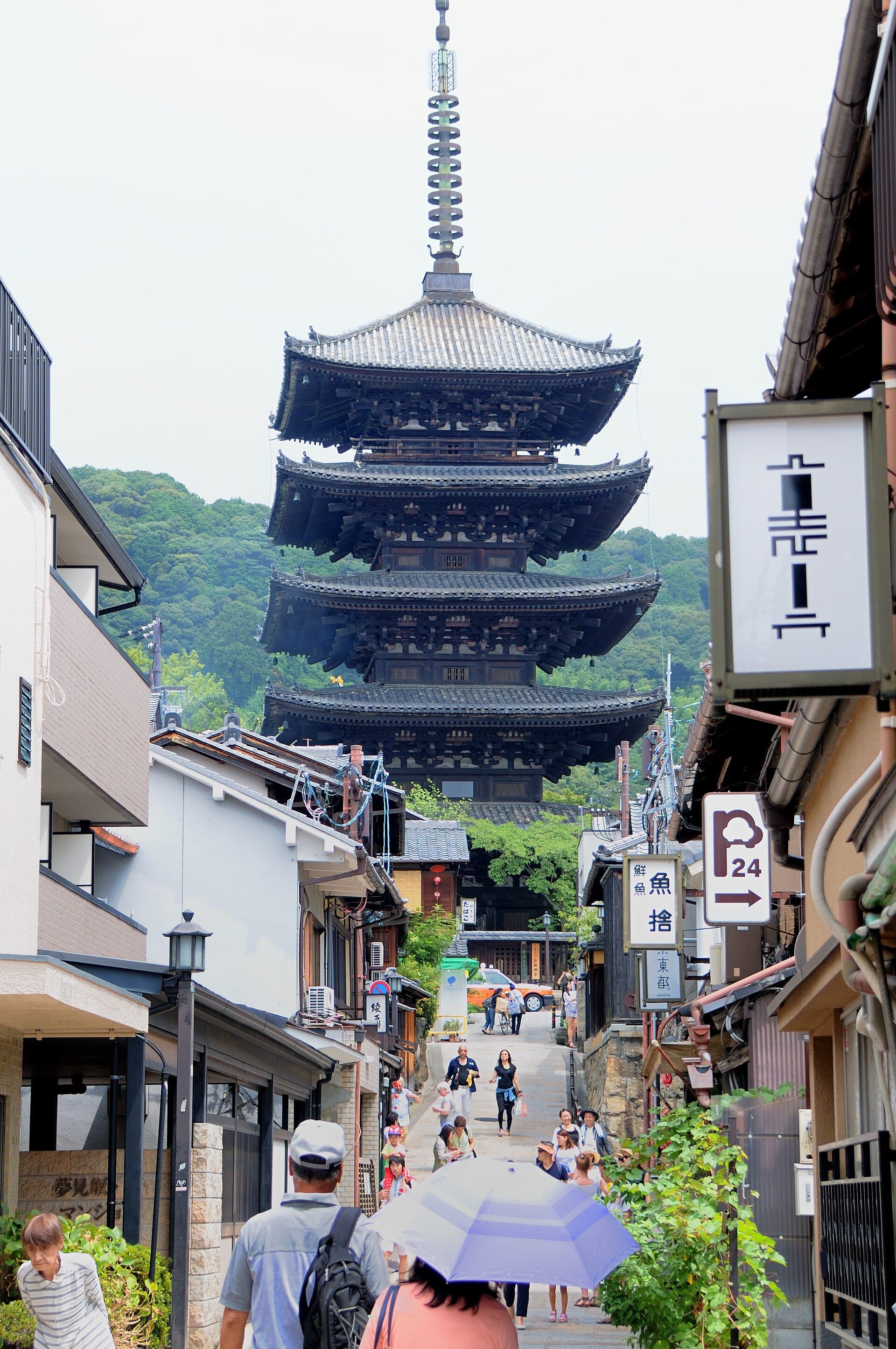
Ten days is the first Japan trip that does not feel like a raid. Seven days covers Tokyo, Kyoto, and Osaka if you accept skimming. Fourteen days adds a second region. Ten sits in the middle: the Golden Route, one mountain or lake day, and one buffer for jet lag or rain.
The default is 4 nights Tokyo → 3 nights Kyoto → 2 nights Osaka. That is not a list of attractions. It is a packing-and-train plan. Change it only when your departure airport forces a last Tokyo night, or when you would rather swap Osaka’s second night for Nara and skip the Dotonbori encore.
Shorter: 7-day itinerary. Longer: 2-week itinerary. Pass math: JR Pass 2026. Cost frame: how much a Japan trip costs.
Some links in this article are affiliate links. If you book through them, The Standard Japan may earn a commission at no additional cost to you.
Who this 10-day plan is for
Use it if this is the first visit, you have one block of leave, and you want Tokyo, Kyoto, and Osaka without living out of a daypack.
Change it if you refuse to change hotels twice. Then do 6 nights Tokyo + 4 Kyoto and day-trip Osaka, or Tokyo + one Hakone overnight + Kyoto and drop Osaka nightlife.
Do not use it if the point of the trip is foliage in Kyoto in late November, powder in Hokkaido, or a Fuji summit. Those need a different month and a different spine. October in the cities is good weather and early mountain color, not postcard maples — see Japan in October 2026.
Arrival — Prefer Haneda over Narita when fares are close. Buy a Suica at the airport. Install a travel eSIM at home, not in the arrivals hall — this week runs on Google Maps and platform numbers. If you want a second quote, Saily is the usual comparison. Setup: how to set up an eSIM.
Days 1–4: Tokyo (4 nights)
Where to sleep — Shinjuku (food, JR and metro) or Tokyo Station / Yaesu (easy Shinkansen morning). Ginza or Shimbashi if you want to walk more and pay more. Do not base the whole stay in far-west Tokyo if Day 5 is a Kyoto dash. Neighborhood cuts: where to stay in Tokyo.
Day 1 — Land and stop. Check in, convenience store, sleep. If you land before noon, pick one neighborhood: Asakusa (Senso-ji) or Shibuya Crossing plus Meiji Jingu. Not both. Jet lag plus two districts is how people get sick on Day 2. Orientation: what to do in Tokyo.
Day 2 — East. Tsukiji Outer Market before 10:00. Walk Ginza. Afternoon: teamLab (book ahead) or Ueno museums plus Ameyoko. Evening: Shinjuku izakaya alley. Golden Gai is optional.
Day 3 — West or the mountain day. Option A: Harajuku, Omotesando, Shibuya; evening at the Tokyo Metropolitan Government Building observatory (free). Option B: Hakone — Romancecar from Shinjuku, onsen and Ashi views, back for an early night. Details: Hakone. Kawaguchiko is the Fuji-photo alternative, not a summit attempt — climbing season closed around 10 September 2026.
Day 4 — One more Tokyo day, then pack. Use it for whatever Day 3 skipped, or for Nikko if foliage is the point and you are here in mid-to-late October. Evening: ship big bags to Kyoto (takkyubin, next-day, roughly ¥2,000–¥3,000 a piece) or strip the suitcase to a carry-on. How: luggage forwarding.
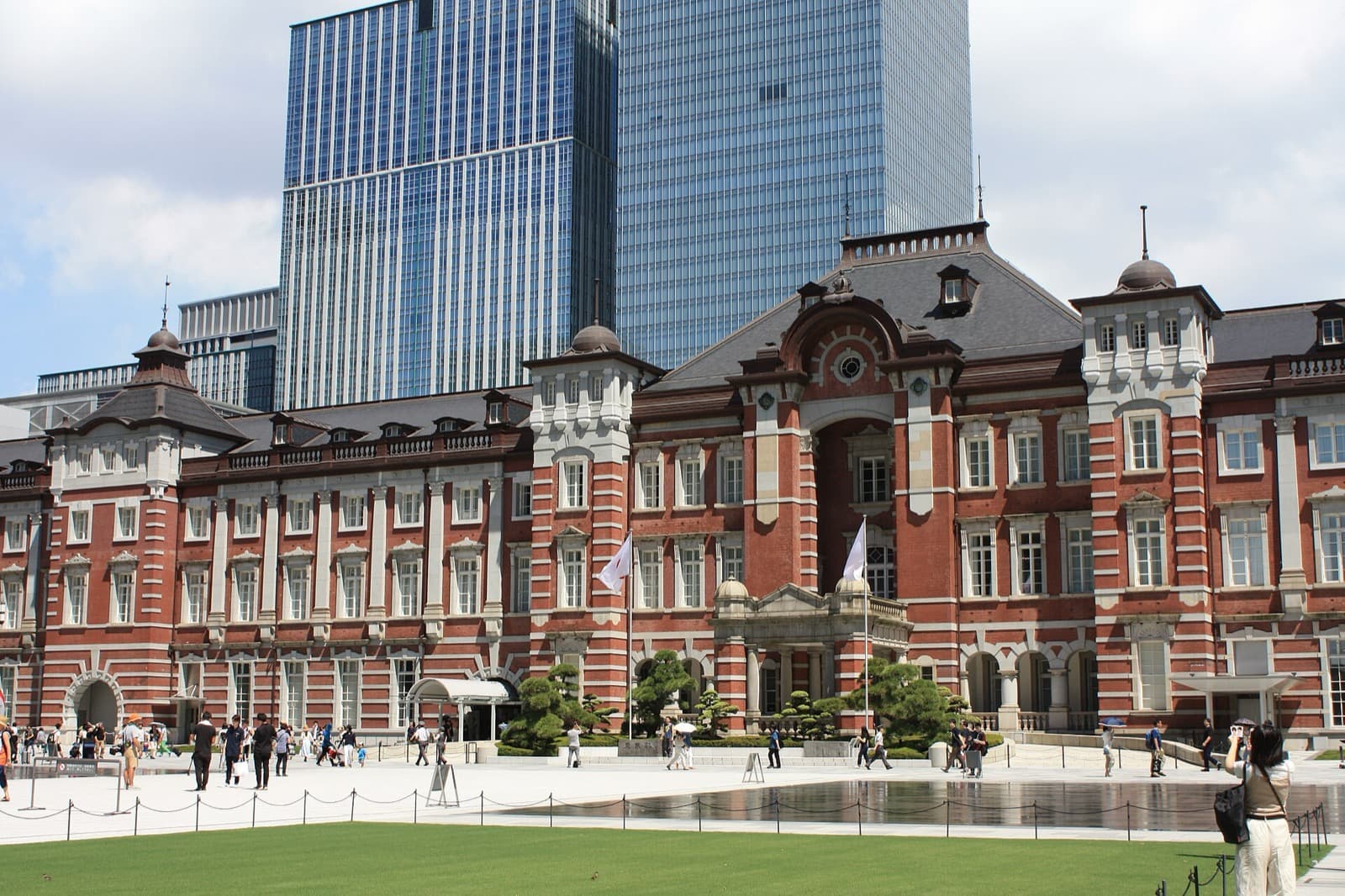
Days 5–7: Kyoto (3 nights)
Get there — Nozomi or Hikari, Tokyo to Kyoto, about 2 hours 15–20 minutes. Ordinary reserved one-way is usually ¥13,000–¥14,500. That single fare is most of the JR Pass decision for this trip. Tickets: how to buy Shinkansen tickets. Route context: Tokyo to Kyoto.
Where to sleep — Kawaramachi / Sanjo / downtown for evening walks, or Kyoto Station if you want the next train to be downstairs. Three nights is still not enough to stay in Arashiyama — beautiful, awkward for a Fushimi morning. City cuts: Kyoto travel guide.
Day 5 — Arrive, then east or south. Afternoon: Gion and Yasaka, or Fushimi Inari if you still have legs. Dinner near Nishiki or Pontocho. Do not stack Arashiyama on the same afternoon as the train.
Day 6 — Temples early. Dawn Fushimi Inari if you skipped it. Late morning: Kiyomizu-dera and Higashiyama, or a light Philosopher’s Path walk. Afternoon: rest or one shop street. Night illuminations in November are a different trip — book those temple nights separately if your dates hit late November. Foliage timing: Kyoto autumn foliage 2026.
Day 7 — Arashiyama or Nara, not both. Arashiyama in the morning, back downtown for dinner. Or Nara as a half-to-full day from Kyoto Station (Kintetsu is the usual tourist line). Doing both is a photo checklist, not a day.
Days 8–10: Osaka (2 nights) and the way out
Where to sleep — Namba / Shinsaibashi if Dotonbori is the point. Umeda if you need Osaka Station or a north-side departure. From KIX, Nankai rapi:t to Namba is about 40 minutes; Haruka to Osaka Station is longer. City overview: Osaka travel guide.
Day 8 — Move and eat. Kyoto to Osaka is 15–30 minutes. Check in. Kuromon or castle park in daylight. Evening: Dotonbori and the side streets, not a museum marathon. Food map: Osaka food guide.
Day 9 — One extra Osaka layer. Shinsekai and kushikatsu, Amerika-mura, or a USJ day if that is why you came — Universal Studios Japan. Do not add Hiroshima on this day. Hiroshima plus Miyajima is a full day from Kyoto or Shin-Osaka and it eats the only loose Osaka day.
Day 10 — Buffer and fly. KIX: 70–90 minutes from Namba plus airline buffers. If the international flight is Narita or Haneda, you needed a last Tokyo night — reverse the last hotel when you book, not at the ticket gate. Same-day Osaka → Tokyo → Narita evening is how people miss flights.
JR Pass math for this exact 10 days
Ballpark adult fares without a pass (2026):
- Tokyo → Kyoto Shinkansen one-way: ~¥14,000
- Kyoto → Osaka: ~¥600–¥1,400 (JR or private)
- Tokyo metro for four days: a few thousand yen on Suica, mostly not JR
- Hakone Romancecar is Odakyu, not the national pass
A 7-day Ordinary JR Pass is ¥53,000 from 1 October 2026. On this shape you ride one long Shinkansen and a short Kansai hop. The pass still loses unless you add a Hiroshima day, a Tokyo return on JR inside the stamp window, or a JR-heavy Hakone routing you do not actually need. Most first-timers buy the Tokyo–Kyoto seat and tap Suica in the cities.
When the pass wins on 10 days — You insert Hiroshima/Miyajima and keep the rest, or you ride Tokyo–Kyoto–Hiroshima–Osaka–Tokyo inside seven consecutive pass days. Otherwise skip it. Full routes: is the JR Pass worth it.
What not to add
- Fuji climb. Season closed around 10 September 2026. View days only.
- Kanazawa + Shirakawa-go. That is a two-week add, not a 10-day squeeze.
- Disney and USJ. Pick one park week. Two park days plus this city loop is a different holiday.
- A third Kyoto night stolen from Tokyo. First-timers usually regret less Tokyo, not less Kyoto — unless foliage in late November is the whole point, in which case flip it.
Etiquette on trains and at shrines: Japan etiquette. A few phrases: Japanese phrases.
FAQ
Is 10 days in Japan enough? Enough for Tokyo, Kyoto, Osaka, and one day trip. Not enough to go slow in every neighborhood.
What is the best 10-day Japan itinerary for first-timers? Tokyo 4 nights, Kyoto 3, Osaka 2, with Hakone or Kawaguchiko from Tokyo. End next to the airport you fly out of.
Do I need a JR Pass for 10 days? Usually no. Compare ¥53,000 (7-day Ordinary from 1 October 2026) against one Tokyo–Kyoto ticket plus local IC fares.
Can I do Hiroshima in 10 days? Yes if you cut Osaka’s second full day or a Tokyo day. Hiroshima plus Miyajima is not a half-day add-on.
Where should I stay? Tokyo: Shinjuku or Tokyo Station. Kyoto: Kawaramachi or the station. Osaka: Namba for food and KIX, Umeda for the north station.
Should I end in Osaka or Tokyo? KIX → end Osaka. Narita or Haneda → keep a final Tokyo night.
Is 10 days better than 7? Yes if you can take the extra leave. The fourth Tokyo night and the third Kyoto night are where the trip stops feeling like a transfer.

The Standard Japan
Editorial Team
The collective voice of The Standard Japan. Our team lives in Tokyo and writes with authority because we live it.
Founded in 2024. Our editors and contributors are based across Tokyo—from Shinjuku to Shimokitazawa.
Tokyo
Expertise
Japan culture, food, fashion, travel, living
Have a question or a correction?
Ask us anything about 10 Days in Japan Itinerary: Tokyo, Kyoto, Osaka, or tell us what we got wrong. We reply within 24 to 48 hours.
The Standard Newsletter
Tokyo in your inbox. Weekly.
No algorithms curating your culture. No sponsored content disguised as journalism. Just the real Tokyo — the izakayas at 2am, the Harajuku kids who never made it to the algorithm, the ramen shop with no sign.
280+
Guides
Weekly
Editions
Free
Always
Join the underground.
One email a week. Unsubscribe anytime.
No spam. No sharing your data. Tokyo only.
Related Stories
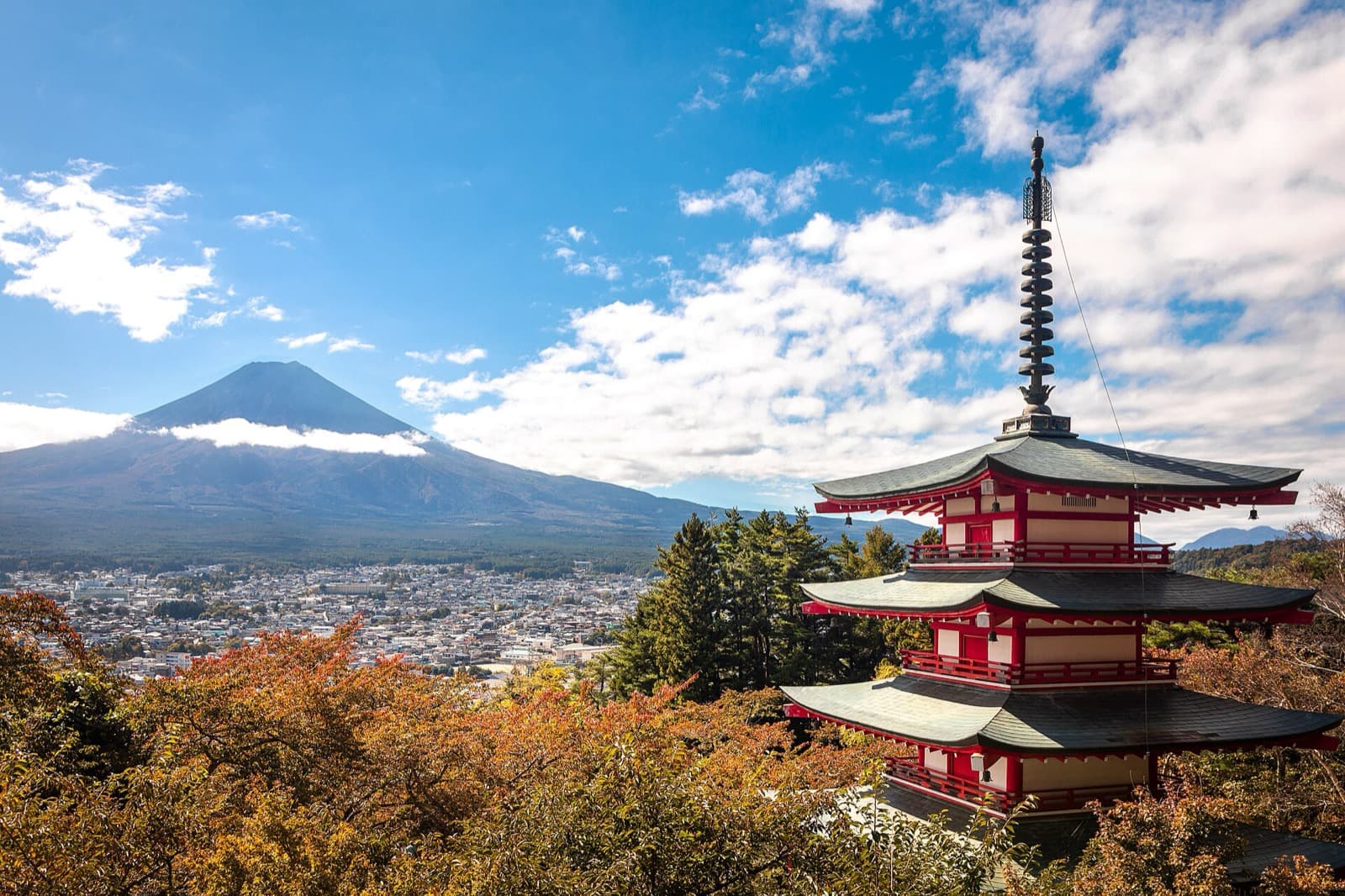
Kawaguchiko Autumn Crowds 2026: Momiji Kairo and Fuji
Lake Kawaguchi peaks in early-to-mid November. The Momiji Kairo maple tunnel is the festival's main site, and it fills twice a day — morning for Fuji, evening for the illumination.
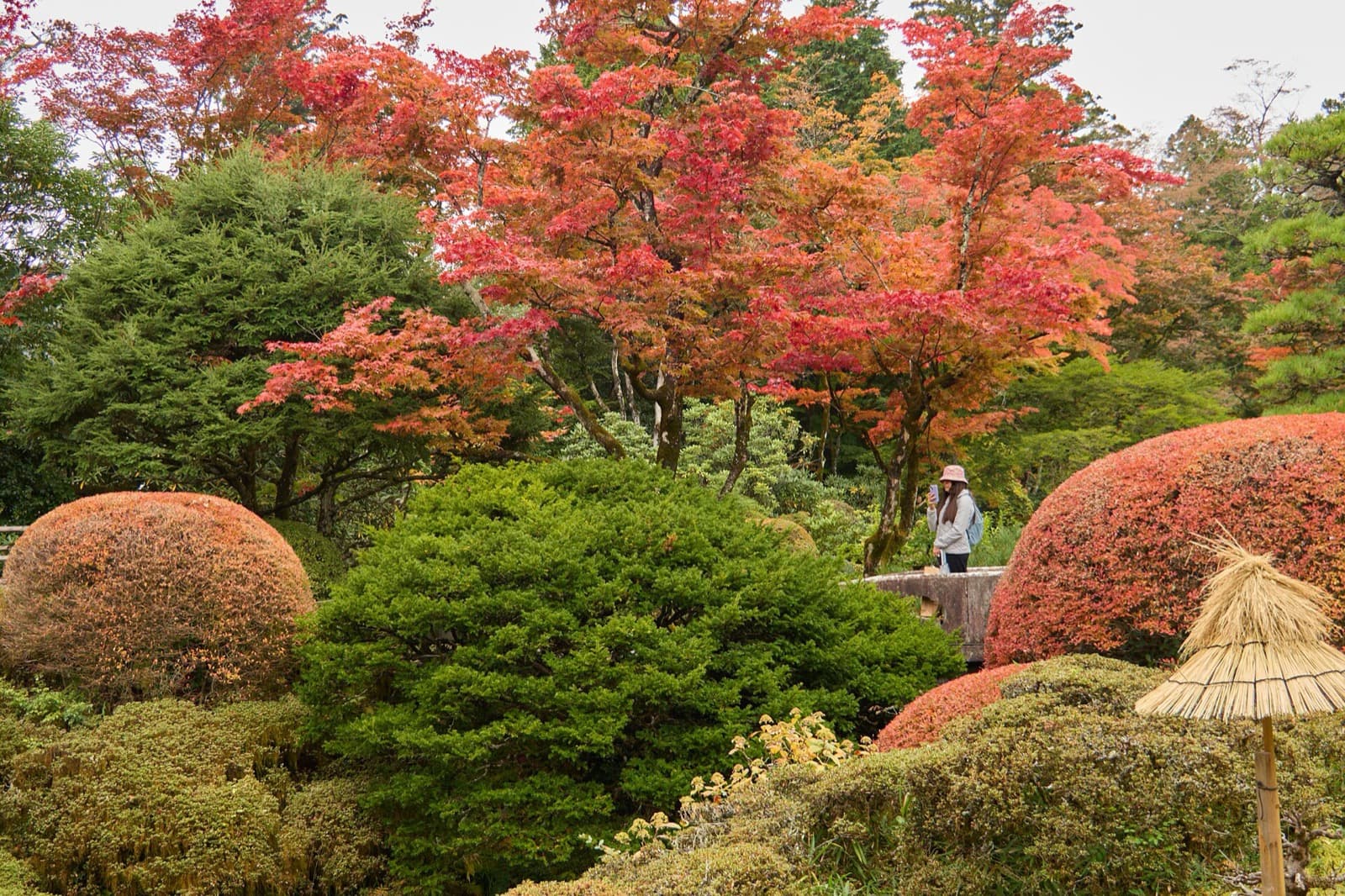
Nikko Autumn Crowds 2026: The Irohazaka Traffic Problem
Nikko's foliage peaks mid-October to early November. On peak weekends the Irohazaka road turns a 20-minute drive into three hours. When to go, and why the train wins.
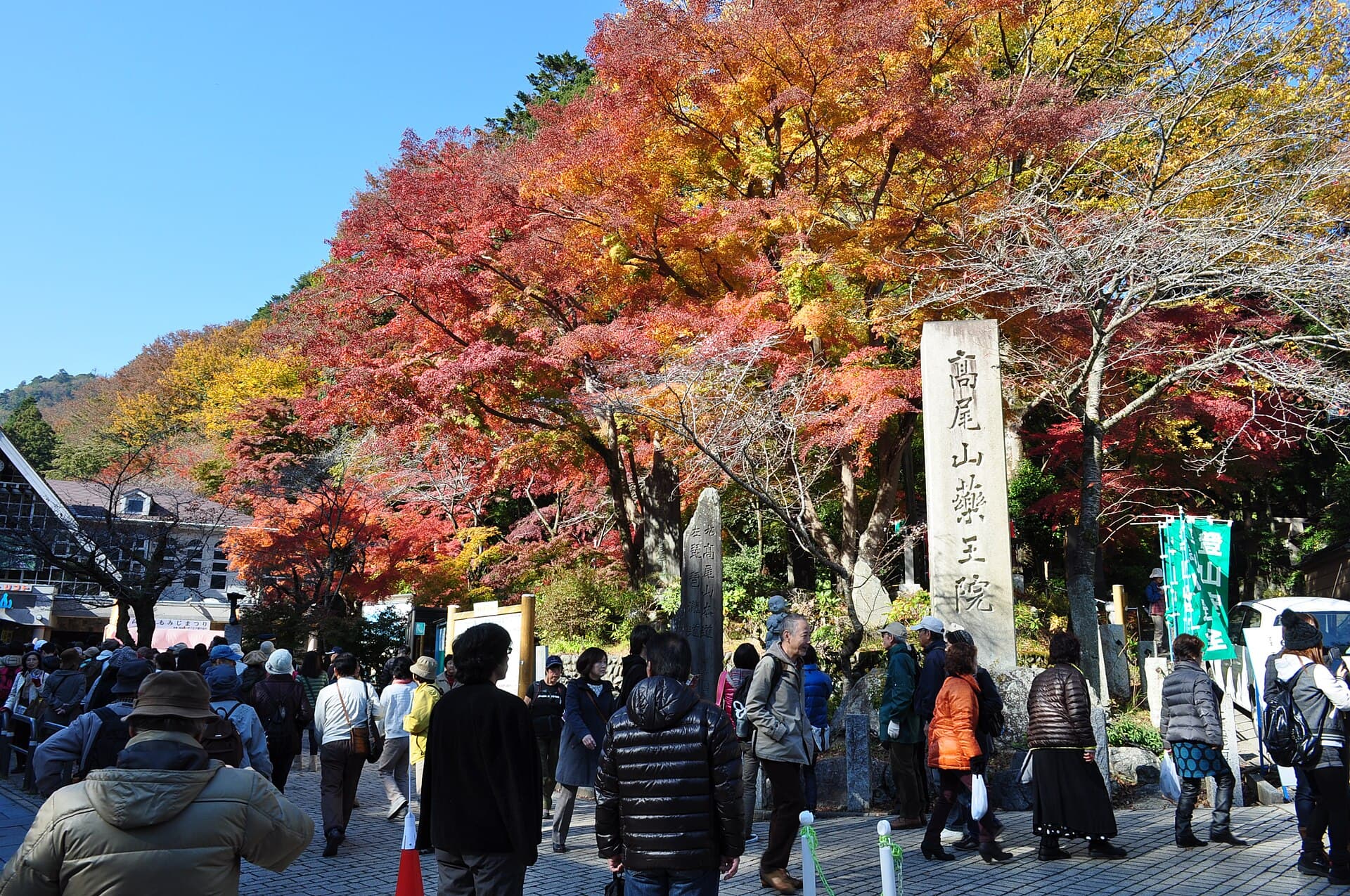
Mount Takao Autumn Crowds 2026: The Cable Car Queue
Takao's foliage peaks mid-November to early December, its busiest month of the year. The cable car can run to a two-hour wait — when to arrive, and when walking is simply faster.