
City Pop: The 1980s Japanese Genre That Went Viral Decades Later
A YouTube algorithm resurrected an obscure 1985 Japanese single and created a global genre revival. Here's what city pop actually is, and where to start.

A song most Japanese listeners had half-forgotten became one of the internet's most-discussed pieces of music, almost entirely because of a YouTube algorithm — a very different kind of Japanese pop culture revival from the kawaii mascot boom, but one that spread internationally through the same kind of unexpected viral moment. That's the short version of how city pop — a specific, dated genre of 1980s Japanese pop — became a global phenomenon roughly three decades after its commercial peak.
What City Pop Actually Is
City pop developed in Japan in the late 1970s and flourished throughout the 1980s, blending jazz, soft rock, funk, and disco into a smooth, polished sound aimed at an urban, upwardly mobile audience. The genre's name is literal: it was music for city life, soundtracking a specific moment of Japanese postwar prosperity and the optimism of the pre-crash bubble economy.
The band Sugar Babe — featuring Tatsuro Yamashita and Taeko Ohnuki — is widely credited as foundational to the genre's formation. Yamashita went on to be labeled the "king of city pop," and his solo catalog (records like For You and Ride on Time) remains the genre's most canonical body of work.
How "Plastic Love" Went Viral
Mariya Takeuchi's "Plastic Love" was released in March 1985 as the third single from her album Variety — written by Takeuchi, arranged and produced by Tatsuro Yamashita, who also performed backing vocals. It was a modest hit at the time, not a chart-defining phenomenon.
That changed in July 2017, when a YouTube user named "Plastic Lover" uploaded an eight-minute fan remix of the song. The video accumulated roughly 24 million views before being taken down over a copyright dispute — but by then, YouTube's recommendation algorithm had already pushed the track to millions of listeners outside Japan who had never heard of the genre. The song's nostalgic, glossy sound resonated with an international audience discovering it decades removed from its original cultural context, and the wave of interest pulled other artists — Anri, and the broader Yamashita/Takeuchi catalog — along with it. According to Wikipedia's overview of the genre, the "Plastic Love" moment is now treated as the definitive turning point for city pop's rediscovery outside Japan.
Why It Resonates Internationally Now
City pop's sound had already been quietly circulating in two internet music scenes before "Plastic Love" broke through: vaporwave and future funk, both genres built heavily on chopped, slowed, or remixed samples of exactly this kind of glossy '80s Japanese pop. Those scenes primed an international audience to already be listening for this sound — the "Plastic Love" viral moment landed on ground that had been prepared for years.
There's also a straightforward nostalgia mechanic at work: city pop's specific blend of lush production and unguarded optimism reads, to a generation of Western listeners who never lived through it, as an idealized vision of a city night they never experienced. That's a large part of why it spread as effectively as it did — it's aspirational nostalgia for a place and time most listeners have no direct memory of.
Where to Start Listening
Tatsuro Yamashita — "Ride on Time" (1980) and "Sparkle" (1980) — Two of the most canonical tracks in the genre, both showcasing the polished, groove-forward production city pop is known for.
Mariya Takeuchi — "Plastic Love" (1985) — The song responsible for the entire modern revival; still the most useful single entry point.
Anri — "Remember Summer Days" (1983) — A key example of the genre's beach-and-summer-night aesthetic, popular in international revival playlists.
Toshiki Kadomatsu — Frequently cited alongside Yamashita as a defining producer/artist of the genre's mid-80s peak.
Where to Buy City Pop on Vinyl in Tokyo
Original city pop pressings are a genuine collector's category now, with prices to match — rare original pressings can run well past what they cost new in the 1980s. For where to actually dig through crates in person, see our guide to Tokyo's best record shops, several of which stock dedicated city pop sections given the genre's renewed international demand. If live music is more your speed, Tokyo's jazz bar scene shares a lot of the same smooth, groove-forward sensibility.
FAQ
What does "city pop" mean? It's a genre name describing polished, urban-themed Japanese pop music from the late 1970s through the 1980s, blending jazz, soft rock, funk, and disco influences.
Why did "Plastic Love" go viral? A fan-made YouTube remix uploaded in July 2017 caught the platform's recommendation algorithm and reached roughly 24 million views before being taken down, introducing the song — and the wider genre — to an international audience decades after its original release.
Is city pop still being made today? The original genre is a specific historical period, but its influence lives on directly through vaporwave and future funk, internet music scenes built substantially on sampling and remixing city pop tracks.
Where can I buy original city pop vinyl? Tokyo's dedicated record shops (Disk Union, Tower Records, and various specialist used-vinyl stores) are the most reliable in-person source, though original pressings of the most sought-after titles now carry serious collector premiums.
Who are the essential city pop artists to start with? Tatsuro Yamashita, Mariya Takeuchi, Anri, and Toshiki Kadomatsu cover the genre's core sound and are the most common entry points for new listeners.
Arts & Nightlife Desk
The Standard Japan
Museums, galleries, live music, jazz and the late-night city.
Facts are taken from primary sources (operators, venues, official tourism and government pages) and dates and prices are checked on the day of writing. Pages are revised when those sources change.
Expertise
Art museums and galleries, live houses, jazz bars, nightlife
Have a question or a correction?
Ask us anything about City Pop: The 1980s Japanese Genre That Went Viral Decades Later, or tell us what we got wrong. We reply within 24 to 48 hours.
The Standard Newsletter
Tokyo in your inbox. Weekly.
No algorithms curating your culture. No sponsored content disguised as journalism. Just the real Tokyo — the izakayas at 2am, the Harajuku kids who never made it to the algorithm, the ramen shop with no sign.
280+
Guides
Weekly
Editions
Free
Always
Join the underground.
One email a week. Unsubscribe anytime.
No spam. No sharing your data. Tokyo only.
Related Stories
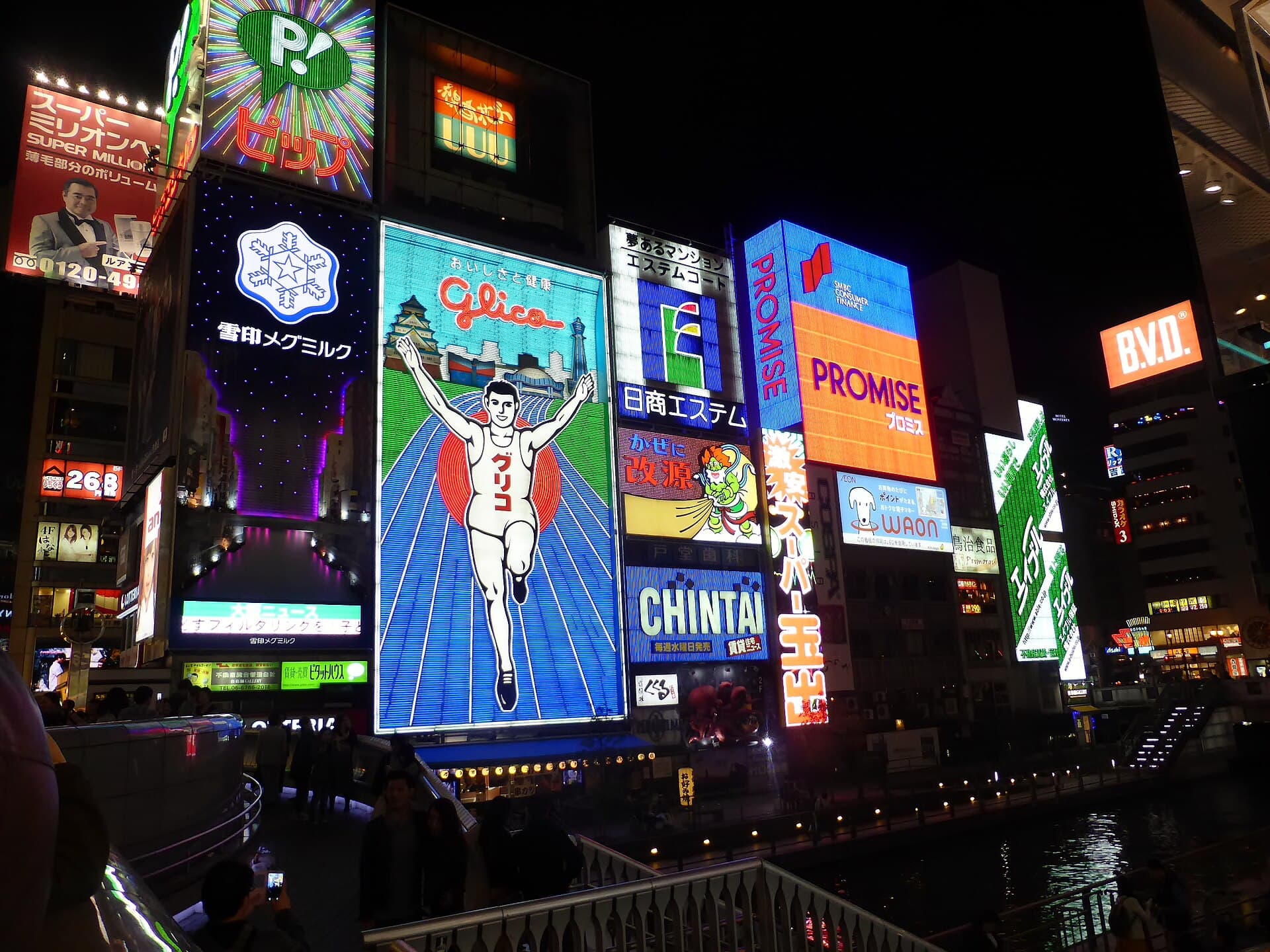
Tokyo vs Osaka Nightlife 2026: Depth or Easy Night One?
Osaka vs Tokyo nightlife: Osaka wins night one (Namba, Dotombori energy). Tokyo wins depth across nights — Golden Gai, rooftops, jazz. Pick by trip shape.

Tokyo's Best Live Music Venues and Nightclubs (Beyond Jazz)
Where to see live music and dance in Tokyo when jazz isn't the mood — indie rock clubs, techno warehouses, and the late-night venues locals actually go to.

Tokyo Jazz Bars 2026: Kissaten, Live Rooms and Late Nights
Tokyo jazz in 2026: listening cafes Eagle (Yotsuya) and DUG (Shinjuku), live at Shinjuku Pit Inn, NARU in Ochanomizu, JZ Brat in Shibuya, Blue Note and Cotton Club for big names.