
Brooklyn of Tokyo 2026: Shimokitazawa, Koenji, and Who Wins
Brooklyn of Tokyo usually means Shimokitazawa — vintage, live houses, indie cafes. Koenji and Nakameguro compete. Which neighborhood fits your trip.
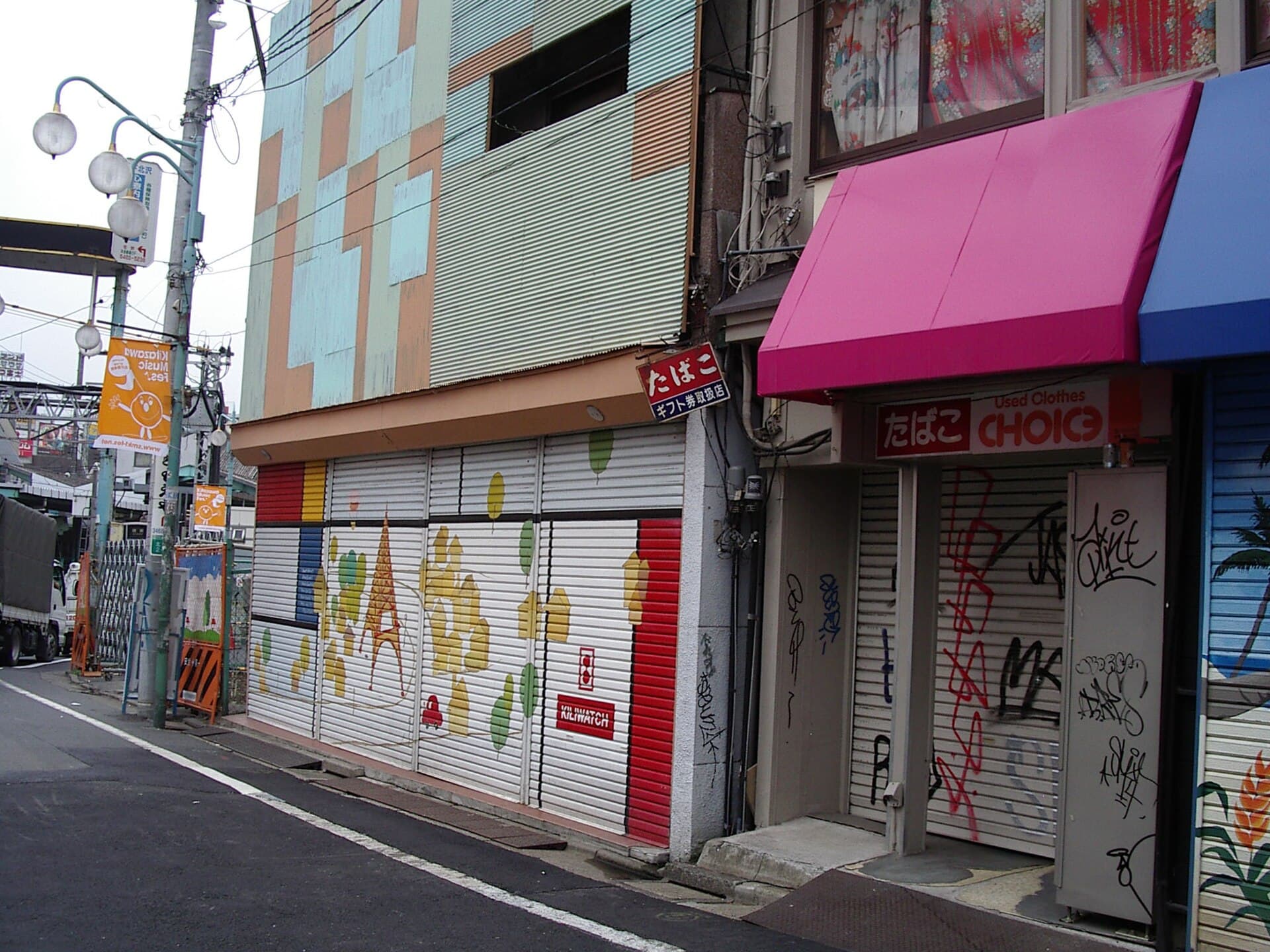
Nobody who actually lives here calls any neighborhood "the Brooklyn of Tokyo" — it's a phrase travel writers reached for once and everyone else copied. But it's not wrong, exactly. When people type that into Google, they usually mean Shimokitazawa: indie shops stacked three deep, live houses that have been running for decades, and streets that somehow still feel like a village despite sitting inside a metropolis of thirty million.
If that's how you got here, start with Shimokitazawa below. Then decide whether Koenji or Nakameguro actually suits you better — I'd argue at least one of them does, depending on what you're after.
Quick Pick
| You want… | Go |
|---|---|
| Vintage + live music + one compact day | Shimokitazawa |
| Deeper thrift / records, fewer tourists | Koenji |
| Canal walks, coffee, polished weekend vibe | Nakameguro |
| Classic "cool Tokyo" checklist | Shimo first, then neighborhoods compared |
Shimokitazawa: The Default "Brooklyn"
Two train lines feed into it (Odakyu and Keio Inokashira), hundreds of secondhand shops are packed into a few walkable blocks, and the live-house scene has been running since long before "indie" was a marketing word. The crowd here skews creative over corporate, and it shows in everything from the coffee menus to the shop signage.
The nickname sticks because the ingredients genuinely overlap — walkable density, independent retail, a music scene that refuses to die, and a stubborn resistance to chain stores. Those are the same things people praise about actual Brooklyn neighborhoods; Tokyo just built its own version with better trains.
What it isn't: brownstones, waterfront warehouses, or anything close to New York prices. Call it Tokyo's indie shopping village, and you're closer to the truth.
Full playbook: Shimokitazawa guide. Vintage citywide: Tokyo vintage shopping.
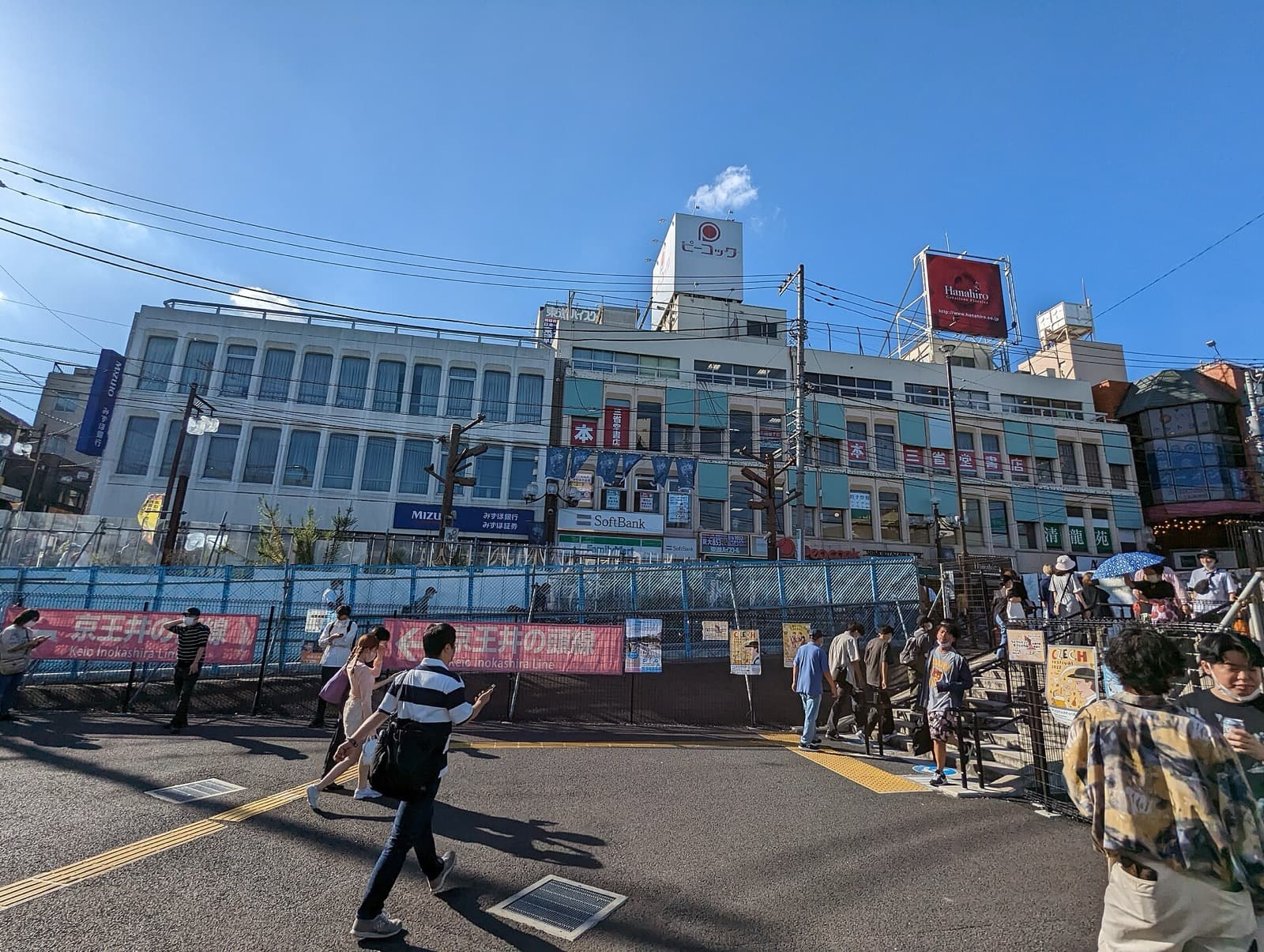
Koenji: The Quieter Rival
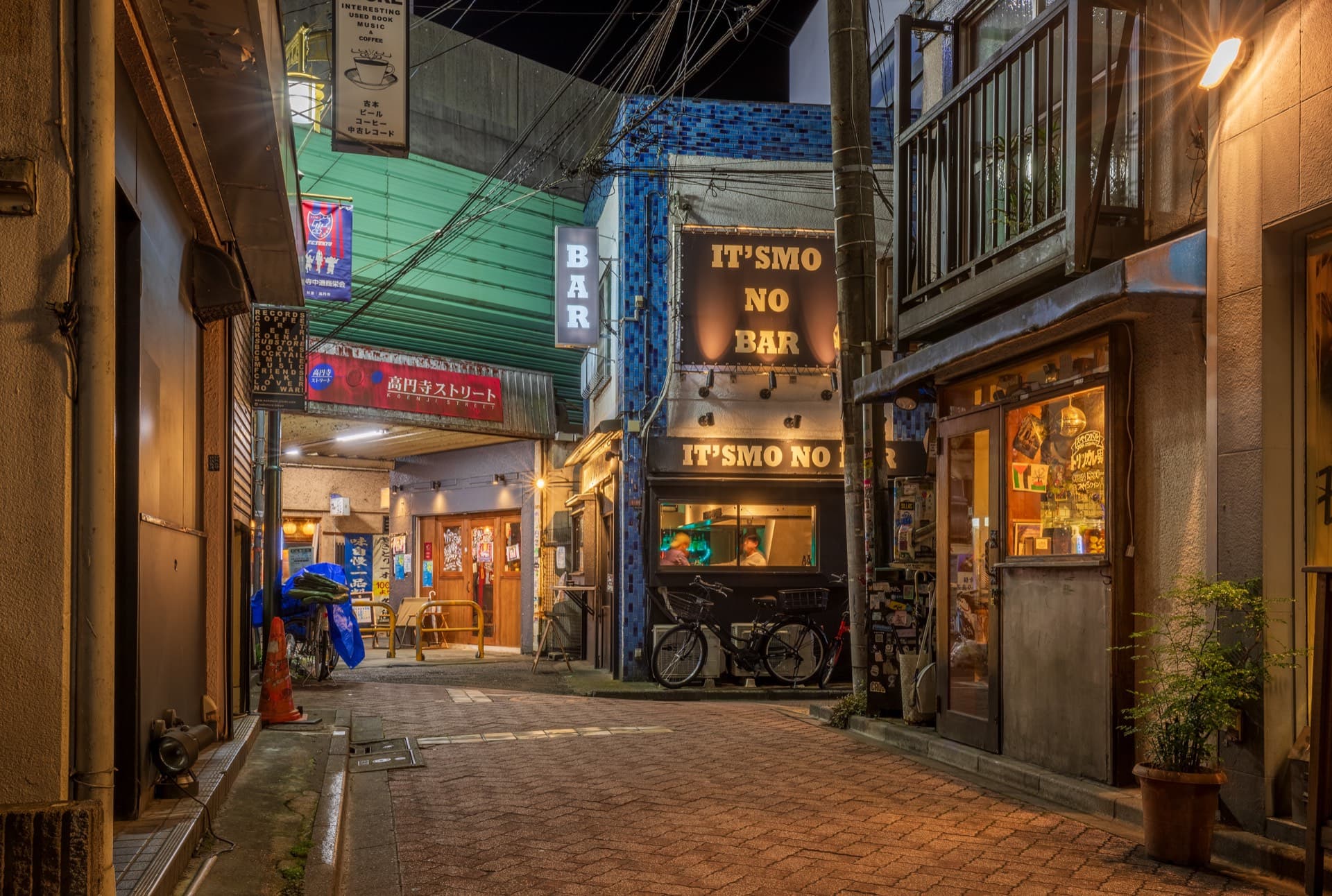
Ask people who've already done Shimokitazawa where they'd go next, and Koenji comes up constantly. One stop further on the JR Chuo Line, with more record shops, deeper vintage, a weekend flea-market energy, and noticeably fewer day-trippers wandering over from Shibuya.
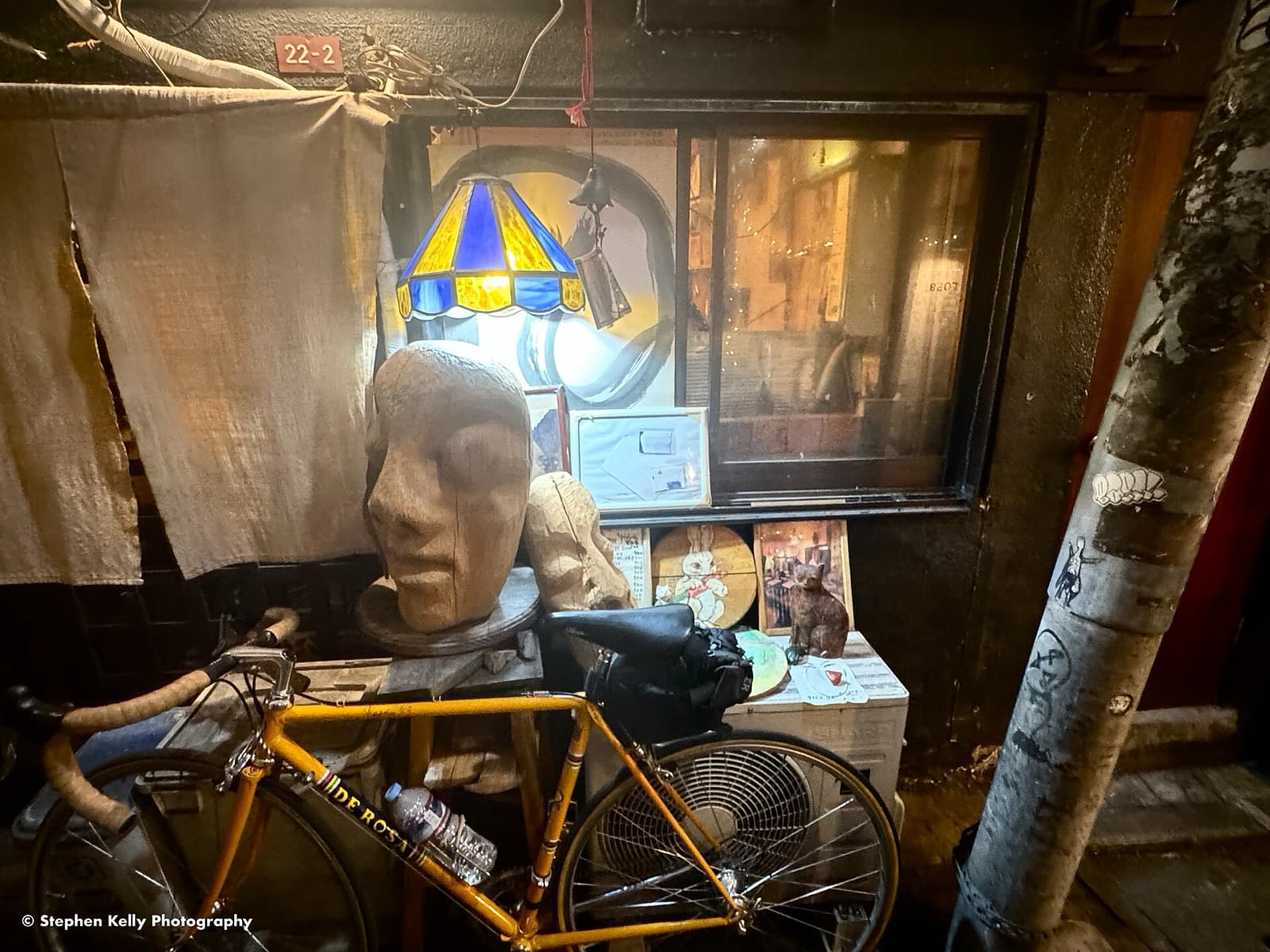
Pick Koenji if you'd rather dig than pose for photos, or if you want a second indie day after Shimokitazawa rather than a repeat of the first one. Skip it as "the Brooklyn" if you've only got one afternoon in Tokyo — Shimo's density still makes it the better first impression.
Full playbook: Koenji neighborhood guide.
Nakameguro: Pretty, Not Punk
Nakameguro rarely gets called "Brooklyn" in search, but the same lazy shorthand from guidebooks — canal, cafes, creative residents — keeps landing on it anyway. It's a fair comparison in spirit, just a much more polished one than Shimo's thrift-shop maze.
Guide: Nakameguro. Time it for cherry season and the whole equation changes — that river becomes one of the best sakura walks in the city.
Pick Nakameguro if a slow walk past design shops and good coffee sounds better to you than an afternoon of crate-digging.
One-Day Plans
Brooklyn-of-Tokyo starter (Shimo) Arrive via Shibuya (Keio Inokashira, ~3 min) or Shinjuku (Odakyu, ~7 min) → West Exit vintage loop → coffee → East Exit live-house or bar in the evening.
Two-indie-days Day one is Shimokitazawa. Day two is Koenji via the Chuo Line. Don't try to cram both into one rushed afternoon — you'll shortchange both.
Nightlife after Shimo has its own bars and live houses if you want to stay local. For something bigger, head back toward Shibuya or Shinjuku — start with the nightlife hub or Tokyo vs Osaka nightlife if you're comparing cities.
FAQ
What is the Brooklyn of Tokyo? Usually Shimokitazawa. Sometimes it's Koenji (for the vintage-and-records crowd) or Nakameguro (for the canal-and-cafe aesthetic).
Is Shimokitazawa like Williamsburg? Only as a vibe, not a blueprint. The independent retail and nightlife density are comparable; the architecture and street scale are pure Japanese shotengai and alleyway, nothing like Brooklyn blocks.
Shimokitazawa or Harajuku? Different trips entirely. Harajuku and Takeshita Street are youth-fashion theater; Shimo is thrift and live music. See Harajuku underground fashion versus Shimokitazawa to decide.
Where should I stay? Shimokitazawa works fine as a base for a night or two if you want the neighborhood feel. Most visitors stay in Shibuya or Shinjuku instead and day-trip in — see where to stay in Tokyo.
Related Guides
Travel Desk
The Standard Japan
Trip planning: seasons and crowds, getting around, airports, where to stay, and the practical steps before and after you land.
Facts are taken from primary sources (operators, venues, official tourism and government pages) and dates and prices are checked on the day of writing. Pages are revised when those sources change.
Expertise
Seasonal crowds, transport and airports, itineraries, lodging, pre-trip logistics
Have a question or a correction?
Ask us anything about Brooklyn of Tokyo 2026: Shimokitazawa, Koenji, and Who Wins, or tell us what we got wrong. We reply within 24 to 48 hours.
Related Stories

Tokyo Neighborhood Guide: Where to Go and Why
Tokyo neighborhoods by what you want: Shinjuku at night, Shibuya's backstreets, vintage and live music in Shimokitazawa and Koenji, Nakameguro's canal.
Tokyo Vintage Shopping Guide: Shimokitazawa, Koenji, Harajuku (2026)
Tokyo vintage by area: Shimokitazawa's 100-plus shops, Koenji's Safari, Berberjin in Harajuku for denim, Ragtag and Kindal on Cat Street for designer.
Shimokitazawa Guide: Vintage, Live Music and Coffee (2026)
Shimokitazawa: 100-plus vintage shops, live houses like Shelter and Basement Bar, and new streets on the old railway. Getting there and spending a day.