
What is an Onsen? Japanese Onsen Etiquette Guide (2026)
What is an onsen? A Japanese hot spring bath. Onsen etiquette explained: wash before you get in, the tattoo rules, no swimwear, and what to bring.
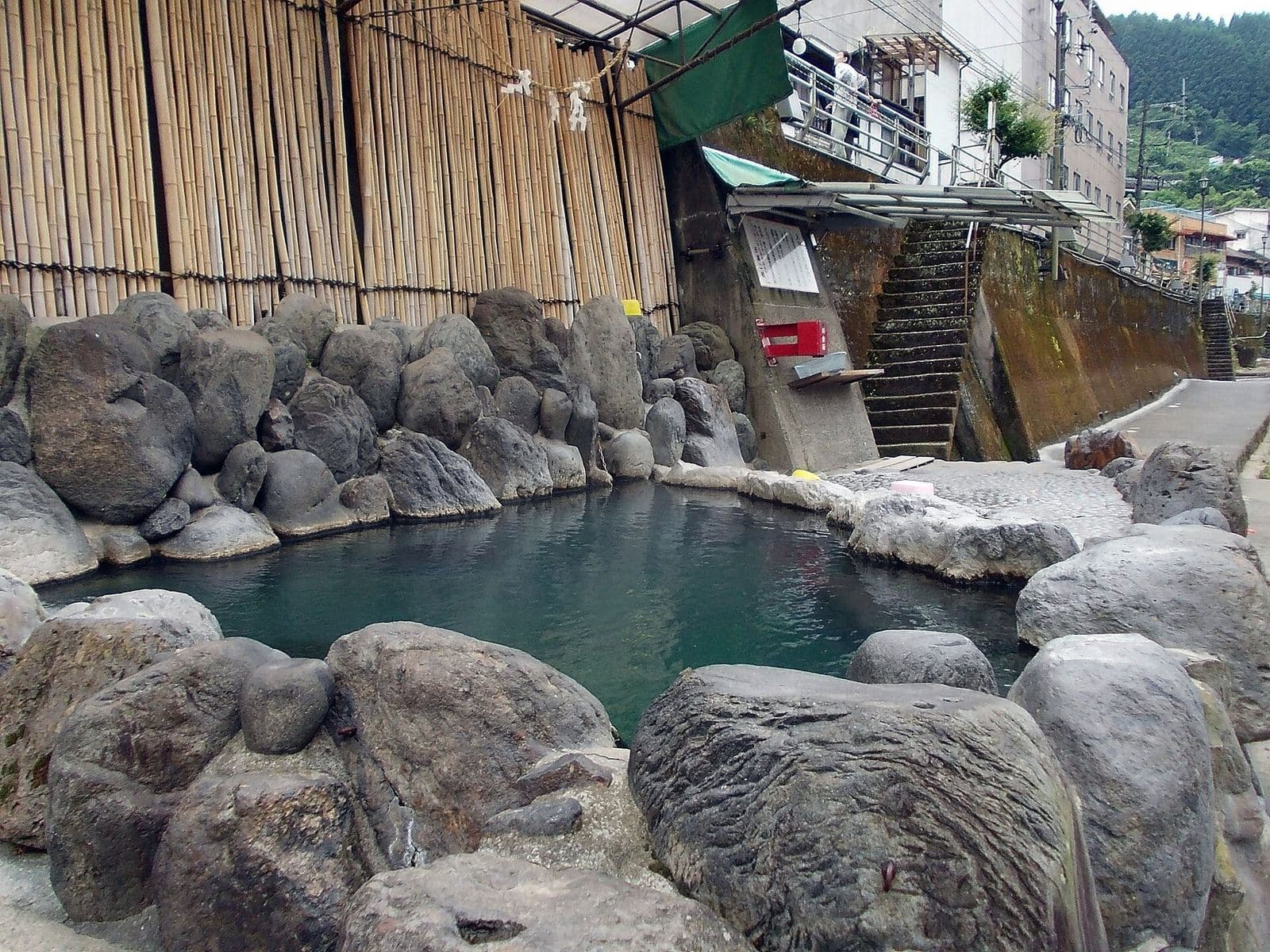
An onsen is a Japanese hot spring bath: mineral water from underground, shared with other bathers, and used naked. It is one of the great pleasures of a trip to Japan, and the rules are simple. Wash thoroughly before you get in, keep clothes and towels out of the water, and check the tattoo policy before you go.
The basics
An onsen uses water from a natural hot spring. Its minerals, such as sulfur, sodium, iron and calcium, vary from place to place, and many bathers believe different springs have different health benefits. Japan has more than 27,000 hot spring sources.
A sento is a neighborhood public bathhouse that uses ordinary heated water. The etiquette is almost the same, so this guide covers both.
Before you go
Tattoos. This is the most common question. Many onsen still turn away people with tattoos, because of their long association with organized crime. Rules are slowly relaxing, and some places allow small tattoos if they are covered. Private baths (kashikiri), where available, are the easiest option. Check before you go: our tattoo policy guide lists tattoo-friendly places and explains cover stickers.
What to bring. Most places rent or sell towels. You need a small towel for the bathing area; the large one stays in the changing room. Soap and shampoo are usually provided at larger facilities, but small village baths often have none.
What not to bring. Swimwear. Onsen and sento are used naked, and swimsuits are not allowed in the water. The exceptions are a few mixed-gender baths (konyoku) and some resort spas that provide bathing wraps or allow swimsuits in specific areas.
How to bathe
Men and women bathe separately. Almost every facility has separate baths for men and women, marked 男 (men) and 女 (women), often with blue and red curtains. Mixed bathing does exist at a few traditional onsen, but it is uncommon.
Wash first, every time. Before getting into any bath, sit at one of the washing stations along the wall and wash your whole body, then rinse off all the soap. This is the most important rule. Skipping it is the clearest sign of someone who doesn't know the etiquette.
Keep your towel out of the water. Fold the small towel and put it on your head or on the edge of the bath. It should never go into the water. Tie up long hair so it stays out too.
Keep it calm. Quiet conversation is fine at most places. Loud talking, splashing and swimming are not.
No phones or cameras. Photography is banned in changing rooms and bathing areas almost everywhere. Leave your phone in the locker.
The temperature
Japanese baths are hotter than most visitors expect, usually around 40–43°C (104–109°F), and some traditional baths are hotter still. Get in slowly: sit on the edge, put your legs in first, and lower yourself in over a minute or two. Getting in too fast, or staying in too long, can make you light-headed.
At a ryokan
Many ryokan have their own baths, shared by guests and often open late into the night. Some have outdoor baths (rotenburo), which are at their best in winter, with snow on the ground and steam rising off the water.
Many ryokan also offer private baths you can reserve by the hour. They are the best option if you have tattoos or simply want privacy. See our ryokan guide for how a stay works.
Onsen trips from Tokyo
Hakone. The classic escape, about 85 minutes from Shinjuku on the Romancecar, with dozens of hot spring baths and views of Mount Fuji on clear days. See our Hakone guide.
Kinugawa Onsen. A large resort town north of Tokyo, about two hours from Asakusa by Tobu limited express, and easy to combine with Nikko.
Atami. An old seaside resort town with plenty of onsen, and the MOA Museum of Art on the hill above it.
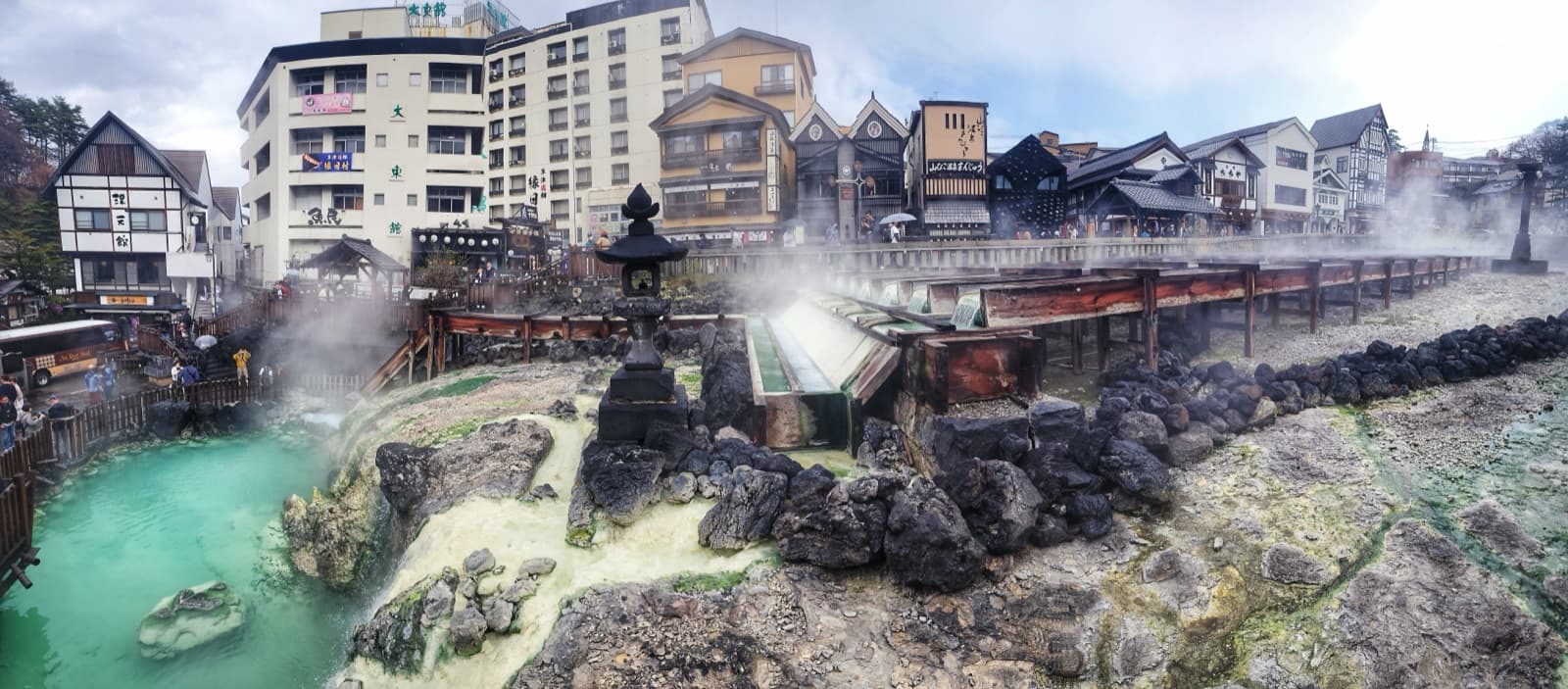
Kusatsu. One of Japan's most famous onsen towns, with very hot, strongly acidic water. It is about three hours from Tokyo, so it suits an overnight stay better than a day trip. See our onsen towns guide.
For more day trips, see best onsen day trips from Tokyo.
Tips for international visitors
- Bring tattoo cover stickers if you have small tattoos and want to try a shared bath. They are sold in Japan, but not always at the bath itself.
- Carry cash. Small and rural onsen are often cash only.
- Check the last entry time. Day-use facilities often stop admitting bathers an hour before closing.
- Drink water before and after bathing, and skip alcohol beforehand.
FAQ
Can I visit an onsen if I have a tattoo? Many places still refuse entry to people with tattoos, but this is changing, and some allow small tattoos if covered. Private baths are an alternative where available. Check the facility's website or our tattoo policy guide.
Do I have to be naked? At traditional onsen and public sento, yes. Some resort spas with mixed areas allow swimsuits or provide bathing wear in those areas only. Check the facility's rules.
Is it rude to stare? Yes. Everyone in an onsen politely ignores everyone else's body. Look at the water or the view.
How long should I stay in the bath? About 10–15 minutes at a time. Rest between soaks and drink water. If you feel dizzy, get out.
Can children use onsen? Yes, children are welcome at most public onsen and follow the same rules. Explain the etiquette to them before you go in.
Can I drink alcohol before an onsen? No. Hot water, dehydration and alcohol are a dangerous combination.
Travel Desk
The Standard Japan
Trip planning: seasons and crowds, getting around, airports, where to stay, and the practical steps before and after you land.
Facts are taken from primary sources (operators, venues, official tourism and government pages) and dates and prices are checked on the day of writing. Pages are revised when those sources change.
Expertise
Seasonal crowds, transport and airports, itineraries, lodging, pre-trip logistics
Have a question or a correction?
Ask us anything about What is an Onsen? Japanese Onsen Etiquette Guide (2026), or tell us what we got wrong. We reply within 24 to 48 hours.
Related Stories
Best Onsen Towns in Japan: Kusatsu, Kinosaki, Beppu, and Where to Actually Go
A hotel with a hot tub isn't an onsen town. These eight are: Kusatsu, Kinosaki, Beppu, Yufuin, Dogo, Arima, Ginzan, Noboribetsu, with access and prices.
Best Winter Onsen Near Tokyo 2026: Day Trips and Overnight Picks
The best winter onsen near Tokyo: Hakone for a day trip, Kusatsu for an overnight, plus Okunikko, the Fuji lakes and Ikaho, with tattoo tips and costs.
Best Onsen Day Trips from Tokyo: No Overnight Stay Required
You don't need a ryokan to soak in a real Japanese hot spring. The best onsen day trips from Tokyo, all under two hours each way.