
Halal Japan Guide 2026: Food, Prayer Rooms, and Muslim-Friendly Travel
Halal and Muslim-friendly Japan: no national certification, Tokyo Camii, airport prayer rooms, mirin and sake traps, and how to eat without guessing.
Some links in this article are affiliate links. If you book through them, The Standard Japan may earn a commission at no additional cost to you.
Japan is increasingly workable for Muslim travelers — especially in Tokyo, Osaka, and Kyoto — but it is not “halal by default.” There is no single national agency that certifies every restaurant. JNTO’s Muslim-traveler guide is blunt about this: accreditation is fragmented, kitchens vary, and you should use Muslim-friendly directories instead of assuming a Japanese menu is permissible. Official overview: JNTO — Muslim Travelers in Japan.
If your group mixes dietary rules, pair this with vegetarian/vegan Japan. For maps and translate tools, see travel apps 2026. For data so prayer-time and restaurant apps stay online: eSIM for tourists, or install Airalo before you fly.
What “Halal” and “Muslim-Friendly” Mean Here
| Label you will see | Practical meaning |
|---|---|
| Halal-certified | Certified by some body (Japan has multiple private certifiers). Ask which one, and whether meat, oil, and utensils are segregated. |
| Muslim-friendly | Often means no pork or alcohol on that dish, or a separate menu — not always a fully segregated kitchen. |
| No pork / no alcohol menu | Helpful, but mirin, cooking sake, gelatin, and shared fryers may still be issues depending on your standard. |
Confirm the day you go. Certifications expire. Ownership changes. Stickers sometimes outlive the kitchen that earned them.
The Japanese Food Traps JNTO Flags
Even dishes that look safe can fail stricter standards:
- Mirin and cooking sake — Common in teriyaki, simmered dishes, sauces, and marinades.
- Dashi — Often fish-based; fine for many travelers, but check additives and alcohol-based seasonings.
- Gelatin and animal fats — Bread, sweets, soft desserts, some gummies.
- Shared kitchens — Cross-contact with pork and alcohol is normal in izakaya and ramen shops.
- Alcohol service — Most restaurants serve beer or sake even when a food option exists.
Konbini and supermarket: Average stores rarely stock certified halal meat. Ethnic groceries — Indian, Pakistani, Indonesian, Turkish corridors such as parts of Shin-Okubo, Ikebukuro, and international neighborhoods in Hyogo/Kobe — are more reliable if you self-cater.
Prayer: Mosques and Prayer Rooms
Tokyo Camii (largest mosque)
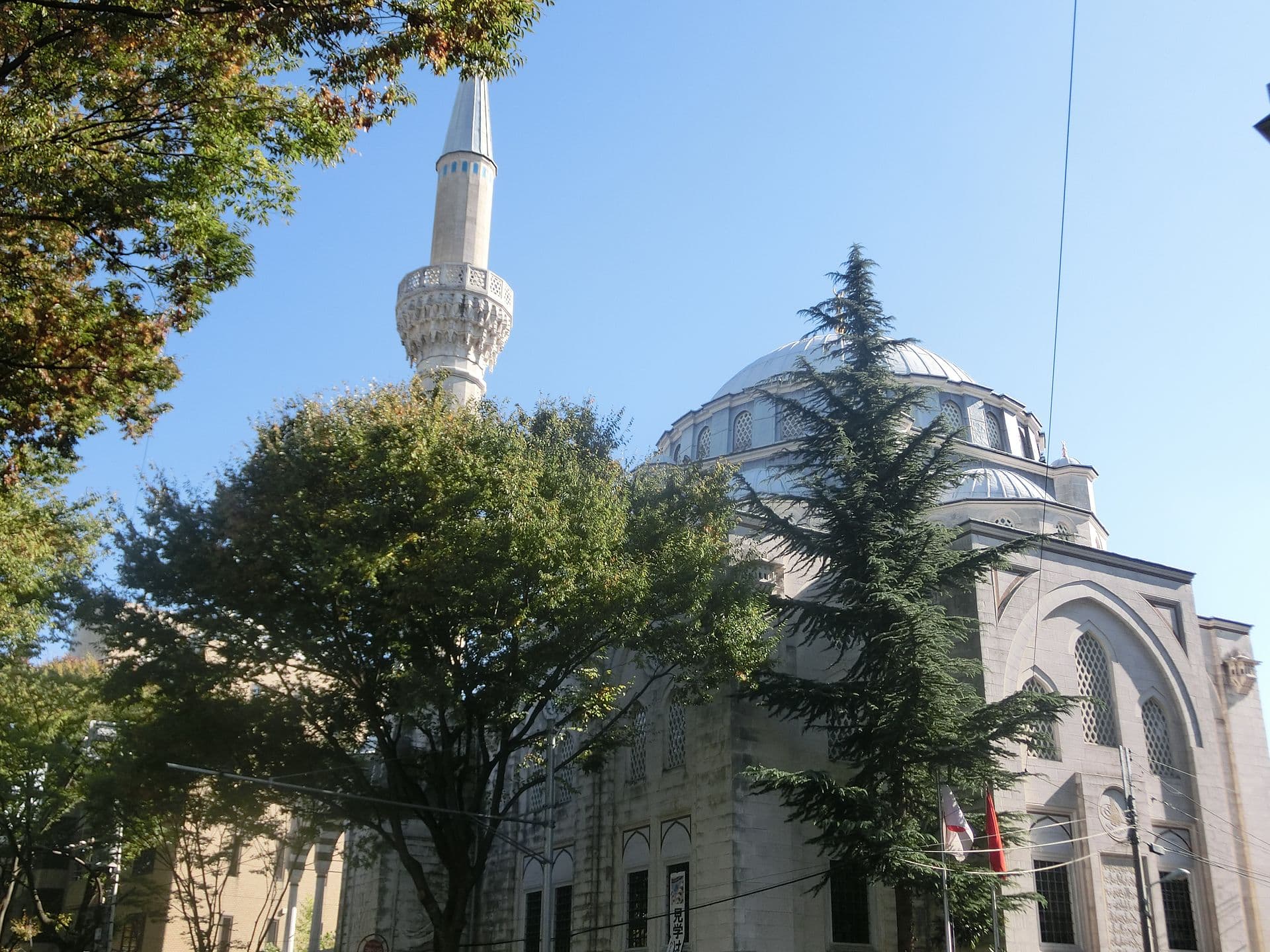
Tokyo Camii & Diyanet Turkish Culture Center is Japan’s largest mosque — Ottoman-style architecture, open to Muslim visitors for prayer (check visitor hours if you are only sightseeing).
- Address: 1-19 Oyamacho, Shibuya-ku, Tokyo
- Access: about 5 minutes’ walk from Yoyogi-Uehara (Odakyu / Chiyoda)
- Official: tokyocamii.org
Other Tokyo communities include Asakusa Mosque, As-Salaam (Okachimachi), Otsuka, and Akihabara-area masjid spaces. Hours change — confirm before Jumu’ah. Full address map: Tokyo mosques and prayer rooms.
Qibla from Tokyo: roughly west-northwest (~293–295°). Use a verified qibla app that works offline once cached.
Airport prayer rooms (official)
| Airport | Notes |
|---|---|
| Haneda | Prayer rooms in Terminal 2 (international / airside) and Terminal 3 departure lobby, with ablution facilities. No prayer room in Terminal 1, per Haneda’s official service page. |
| Narita | Prayer rooms in major terminals (airside/landside positions vary — check the terminal map on arrival). |
| Kansai (KIX) | Prayer rooms with wudu facilities in the main terminals — useful if Osaka or Kyoto is first. |
City prayer rooms
Tourist infrastructure keeps adding rooms: Shibuya PARCO, Matsuya Ginza, Azabudai Hills, Tokyo Midtown, Tokyo Skytree Town / Solamachi, the JR East Travel Service Center in Marunouchi (often staff-unlocked), Asakusa tourist facilities, and some department stores. Ask the information desk — many rooms are unmarked from the street. Halal Navi and Halal Gourmet Japan list prayer spaces; still verify hours.
Bring a compact prayer mat and modest covering if you will pray outside major mosques. Small rooms do not always provide mats.
Where to Eat (Strategy, Not a Static Top-10)
Restaurant lists go stale. Use this method instead:
- Open Halal Gourmet Japan or Halal Navi the morning of.
- Filter for your standard (certified vs Muslim-friendly).
- Call or message if the listing is older than a few months.
- Prefer shops near mosques (Oyamacho / Shin-Okubo corridors) when in doubt.
Patterns that work in Tokyo
- Halal wagyu / yakiniku — Asakusa and Shibuya have several Muslim-oriented meat restaurants; confirm current certification at the door.
- Halal ramen / donburi — Asakusa and Shinjuku clusters change often; use the app plus recent reviews.
- Turkish, Indonesian, Malaysian, Pakistani, Indian — Higher odds of clear kitchen practices; still ask about alcohol in sauces.
- Hotel breakfast — Some Muslim-friendly hotels offer prayer mats or Qibla stickers and can point you to kitchens. Ask at booking, not at 7am checkout.
Osaka / Kyoto: Density is lower than Tokyo but improving (Namba/Umeda; Kyoto Station / downtown). Outside Tokyo, lock one confirmed meal per day in advance.
Hotels and Self-Catering
JNTO notes rising Muslim-friendly hotel amenities: prayer mats, Mecca direction markers, and staff who know nearby restaurants. Most of that inventory sits in major cities. Kitchenette apartments help if you need full control over cooking — buy meat only from known halal butchers or grocers.
Alcohol, Nightlife, and Etiquette
You can skip izakaya drinking culture entirely and still have a full trip — temples, nature, shopping, and confirmed restaurants. See Japan etiquette and tipping (no tip expected). For street-drinking rules in Shibuya, see tourist fines 2026.
Practical Checklist
- Install Halal Gourmet Japan / Halal Navi plus a qibla/prayer-time app before landing
- Screenshot restaurant addresses for offline maps
- Note airport terminal prayer rooms for your arrival airport
- Book at least dinner in advance in Kyoto and smaller cities
- Pack a prayer mat and modest clothing for mosque visits
- Data plan: eSIM guide
FAQ
Is Japan easy for Muslim tourists in 2026?
In Tokyo and major airports, yes relative to a decade ago — with planning. Rural Japan and small towns still need self-catering or flexible standards.
Is there one official Japan halal certificate?
No. JNTO states there is no central accreditation agency. Treat every restaurant as case-by-case.
Where is the main mosque in Tokyo?
Tokyo Camii in Oyamacho, near Yoyogi-Uehara — tokyocamii.org. Okachimachi searches usually mean As-Salaam — see Tokyo mosques map.
Do Narita and Haneda have prayer rooms?
Yes. Haneda documents rooms in Terminals 2 and 3 (not T1). Narita and KIX also provide rooms — confirm on terminal maps.
Can I eat sushi and ramen freely?
Not freely. Alcohol seasonings, broths, and shared kitchens matter. Use certified or clearly Muslim-oriented shops.
What apps should I use?
Halal Gourmet Japan / Halal Navi for food and prayer spaces; Google Maps; plus the stack in Japan travel apps 2026.
Travel Desk
The Standard Japan
Trip planning: seasons and crowds, getting around, airports, where to stay, and the practical steps before and after you land.
Facts are taken from primary sources (operators, venues, official tourism and government pages) and dates and prices are checked on the day of writing. Pages are revised when those sources change.
Expertise
Seasonal crowds, transport and airports, itineraries, lodging, pre-trip logistics
Have a question or a correction?
Ask us anything about Halal Japan Guide 2026: Food, Prayer Rooms, and Muslim-Friendly Travel, or tell us what we got wrong. We reply within 24 to 48 hours.
The Standard Newsletter
Tokyo in your inbox. Weekly.
One short email a week: what’s on in Japan, what to book before it sells out, and the guides we’ve just updated.
280+
Guides
Weekly
Editions
Free
Always
Get the weekly email.
One email a week. Unsubscribe anytime.
No spam. We never share your address.
Related Stories
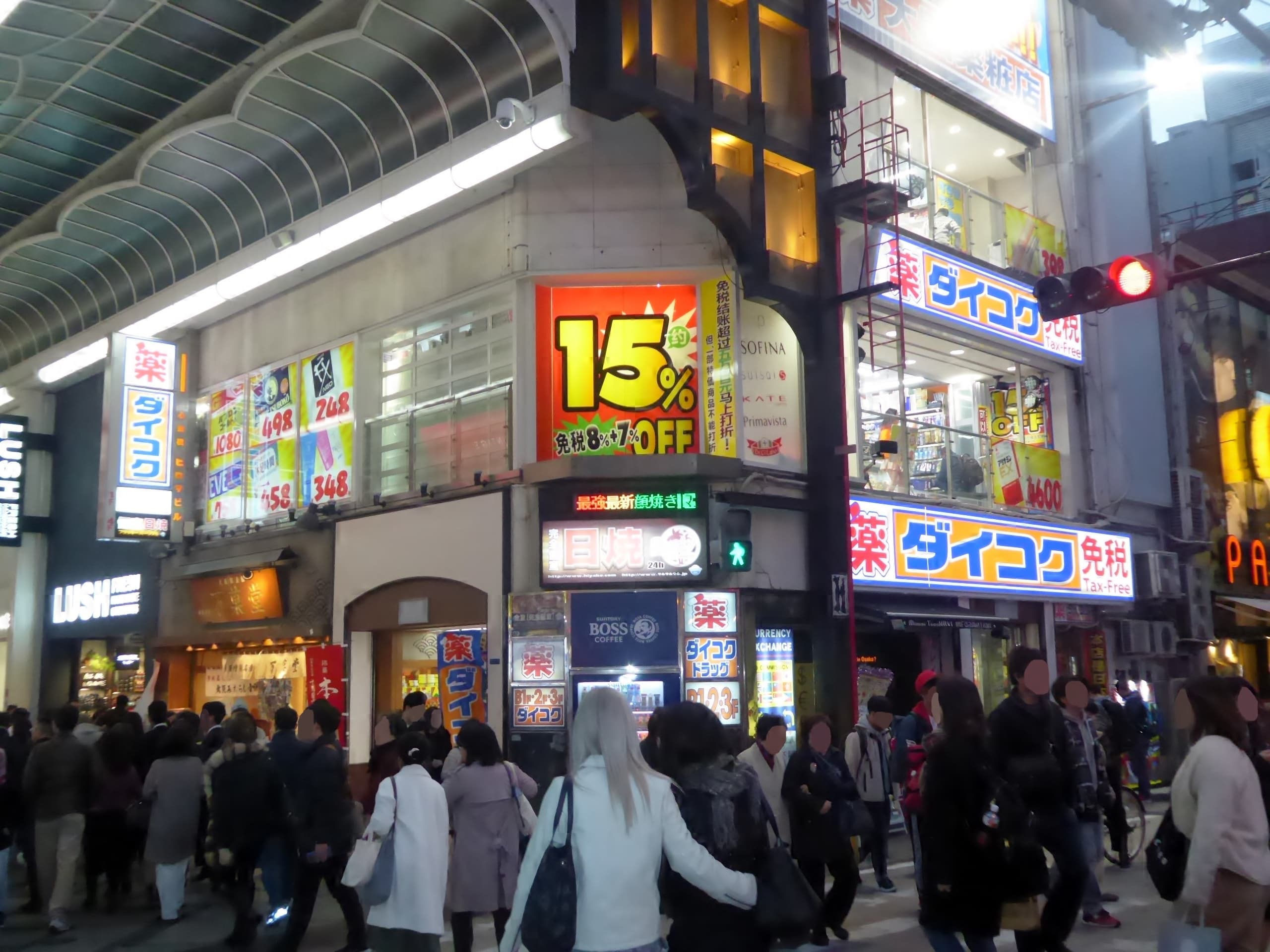
Japan Drugstore Guide: What to Buy at Matsumoto Kiyoshi and Daikoku Drug
Japan's drugstores sell better eye drops, pain patches, and skincare than most pharmacies back home. Here's what to buy, which chain, and how tax-free works.
First-Time Japan Checklist: What to Do Before You Fly (2026)
First-time Japan checklist: visas, Visit Japan Web, eSIM, Suica, cash, hotels by city, what to book ahead, and a day-one plan that won’t ruin the trip.
Haneda to Tokyo: Monorail, Keikyu, and When to Take a Car
How to get from Haneda Airport to Tokyo: Tokyo Monorail, Keikyu Airport Line, buses, and private transfers — times, connections, and first-timer tips.