
Best Tokyo Food Tours: Markets, Izakaya, and Sake (2026)
The best Tokyo food tours worth booking — Tsukiji and Toyosu markets, Shinjuku izakaya nights, and sake tastings — plus when to skip a tour and eat alone.
Some travel links on The Standard Japan are affiliate links. If you book through one, we may earn a commission at no extra cost to you.
Tokyo does not need a food tour to feed you well. It needs a food tour when you want context — which stall is worth the yen, how to order without freezing, what you’re tasting, and where locals would actually sit. Here’s how to choose one that earns the booking, and when you should just walk into a shop yourself. For other tours that earn their price, see Japan tours worth booking.
When a Food Tour Is Worth It
Book a tour if:
- It’s your first 48 hours and jet lag is winning
- You want Tsukiji / Toyosu without guessing which counters are theater
- You’re nervous about izakaya ordering culture
- You care about sake categories more than Instagram skewers
Skip a tour if:
- You’re hunting one specific ramen shop (best ramen in Tokyo)
- You’re comfortable with point-and-order and IC-card transit
- You’d rather spend the money on a serious sushi counter (best sushi in Tokyo)
Tours are a shortcut to judgment, not a requirement for eating well.
Market Mornings: Tsukiji and Toyosu
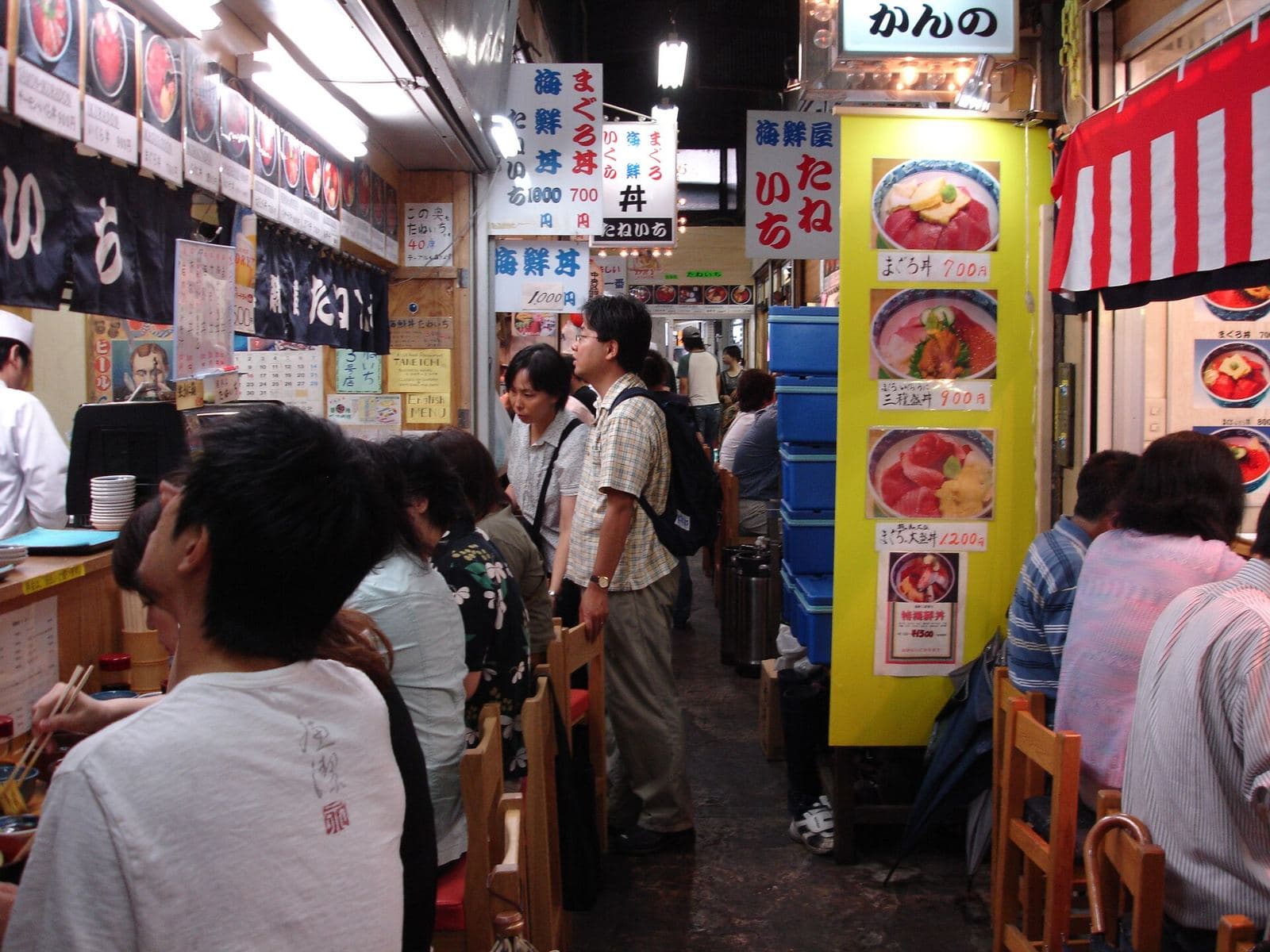
Tsukiji outer market is still the tourist-facing food street — grilled samples, knives, breakfast bowls. Go early. It is busy, commercial, and useful if you want edible orientation fast. To go on your own, see our Tsukiji and Toyosu market guide.
Toyosu is the wholesale successor. Access rules for auctions and inner areas are stricter; a licensed guide helps when you want the market explained rather than a random tuna photo.
A combined Tsukiji + Toyosu walk is the cleanest “I understand Tokyo seafood culture now” half-day for first-timers who don’t want to research stall reputations at 6am.
If you want tasting structure more than two-market coverage, look for small-group Tsukiji walks that include sushi and a sake comparison flight — same morning energy, tighter focus.
Shinjuku Nights: Izakaya Without the Panic
Shinjuku is where food tours earn their fee after dark. Omoide Yokocho, Kabukicho edges, and tiny counters are easy to romanticize and easy to fumble — standing in a doorway translating a wall menu while a queue forms behind you is a skill issue a good host solves.
What you want from a Shinjuku food experience:
- Small group, not a parade
- Included bites and drinks with a clear count
- A host who explains how to order, not just what to photograph
Read izakaya culture and our best izakaya in Tokyo picks so you can keep exploring after the tour ends.
Sake Tasting: Structured Beats Random
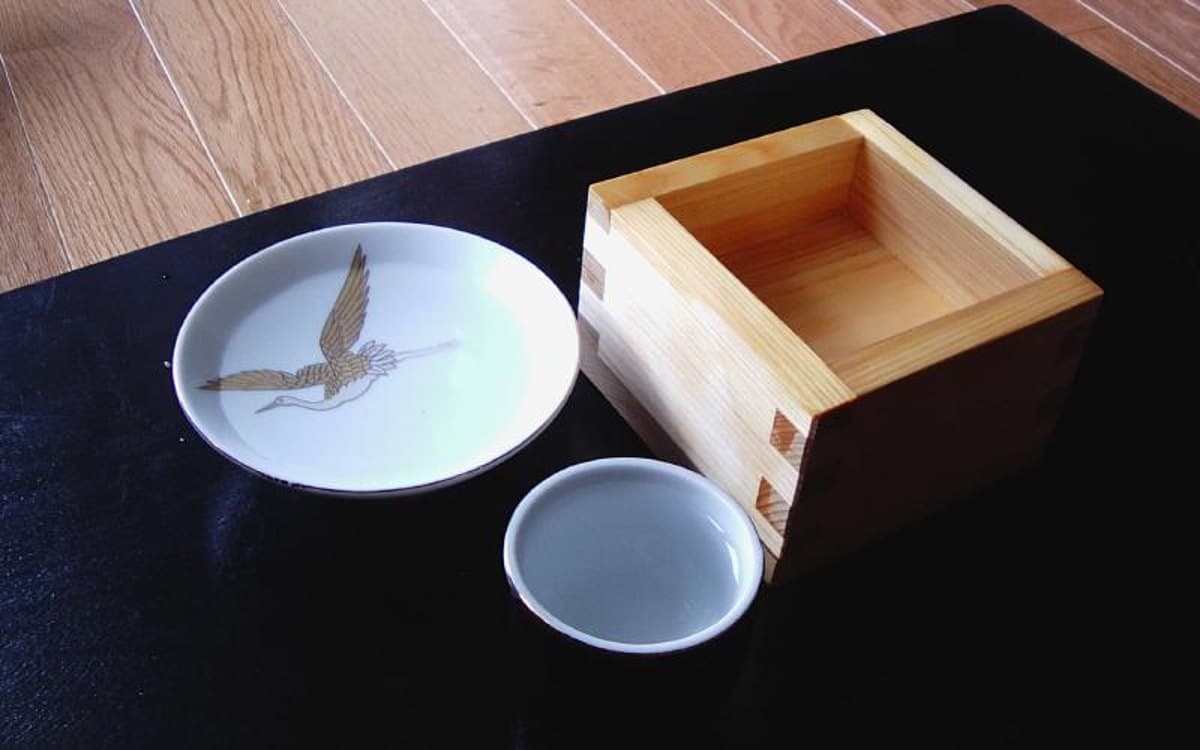
Konbini cans teach you nothing. A short tasting with someone who can name styles — junmai, ginjo, aging, food pairing — changes how you order for the rest of the trip. Pair with dinner afterward in the same neighborhood; don’t treat sake class as the whole night.
If you already drink seriously, a sommelier-led tasting is higher leverage than another street-food loop. Casual drinkers should keep it to 60–90 minutes, then go eat.
How to Choose (Quick Filter)
| Goal | Book | Skip |
|---|---|---|
| Seafood markets | Tsukiji / Toyosu guided morning | Late afternoon “market” walks |
| First izakaya night | Shinjuku food experience | Giant party-bus pub crawls |
| Learn sake | Small tasting class | Unlimited neon “sake set” tourist bars |
| Best bowl of ramen | Yourself, early | Any tour that promises “secret ramen” |
DIY Alternatives That Still Feel Like a Win
- Depachika picnic — Department-store food basements are a Tokyo education (depachika guide).
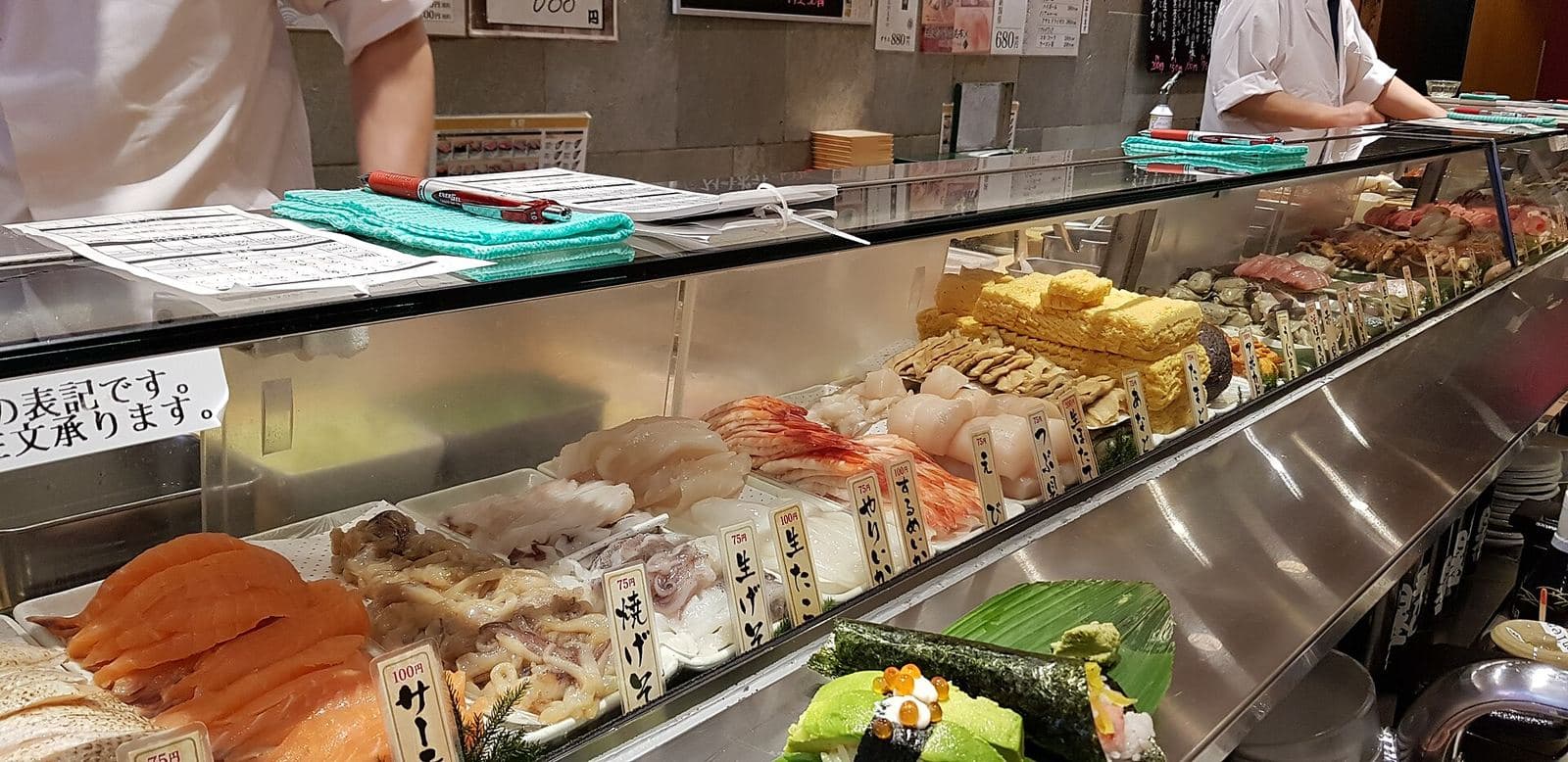
- Standing sushi — Faster and often better value than tourist counters.
- One neighborhood dinner crawl — Nakameguro, Shimokitazawa, or Koenji with two stops beats five mediocre “must-eats” across town.
- Konbini breakfast — Not a joke; it’s how the city actually runs (convenience store culture).
FAQ
Are Tokyo food tours worth the money? Yes when you want markets, izakaya confidence, or sake education. No when you already know what you want to eat.
Tsukiji or Toyosu? Tsukiji outer market for accessible food stalls; Toyosu for wholesale-market context. Many good tours cover both.
How much do food tours cost? Often roughly ¥8,000–20,000+ per person depending on inclusions and group size. Read whether drinks and main bites are included.
Can vegetarians join? Sometimes — ask before booking. Tokyo food tours skew seafood and meat; see our vegetarian guide.
Is a tour better than a restaurant reservation? Different tools. Tours teach and sample; reservations deliver a full meal. Many trips benefit from one of each.
Food Desk
The Standard Japan
Where and how to eat in Japan, from konbini and kissaten to izakaya, ramen and department-store food halls.
Facts are taken from primary sources (operators, venues, official tourism and government pages) and dates and prices are checked on the day of writing. Pages are revised when those sources change.
Expertise
Restaurants, izakaya, ramen, food halls, ordering and etiquette
Have a question or a correction?
Ask us anything about Best Tokyo Food Tours: Markets, Izakaya, and Sake (2026), or tell us what we got wrong. We reply within 24 to 48 hours.
Related Stories
Sake Tasting in Tokyo: Where to Go and What to Know
Where to taste sake in Tokyo, from a free information center to all-you-can-taste bars and a brewery day trip, plus the label words worth knowing.
Best Breakfast in Tokyo: Toyosu Sushi, Pancakes, Kissaten
Where to eat breakfast in Tokyo: Japanese breakfast near Tsukiji, pancakes, kissaten morning sets, ¥150 konbini onigiri and hotel buffets, by area.
Best Sushi in Tokyo: From ¥100 Conveyor Belts to Omakase Counters
Sushi in Tokyo by budget: standing bars like Uogashi Nihon-ichi, Toyosu's Sushi Dai and Daiwa from 6am, and the top counters you can still book.