
Japan's Overtourism Problem Is Really a Map Problem
Tokyo, Osaka and Kyoto took 57% of Japan's foreign hotel nights in 2025. A cap on visitors won't fix that. A price on the crowded places and hours will.
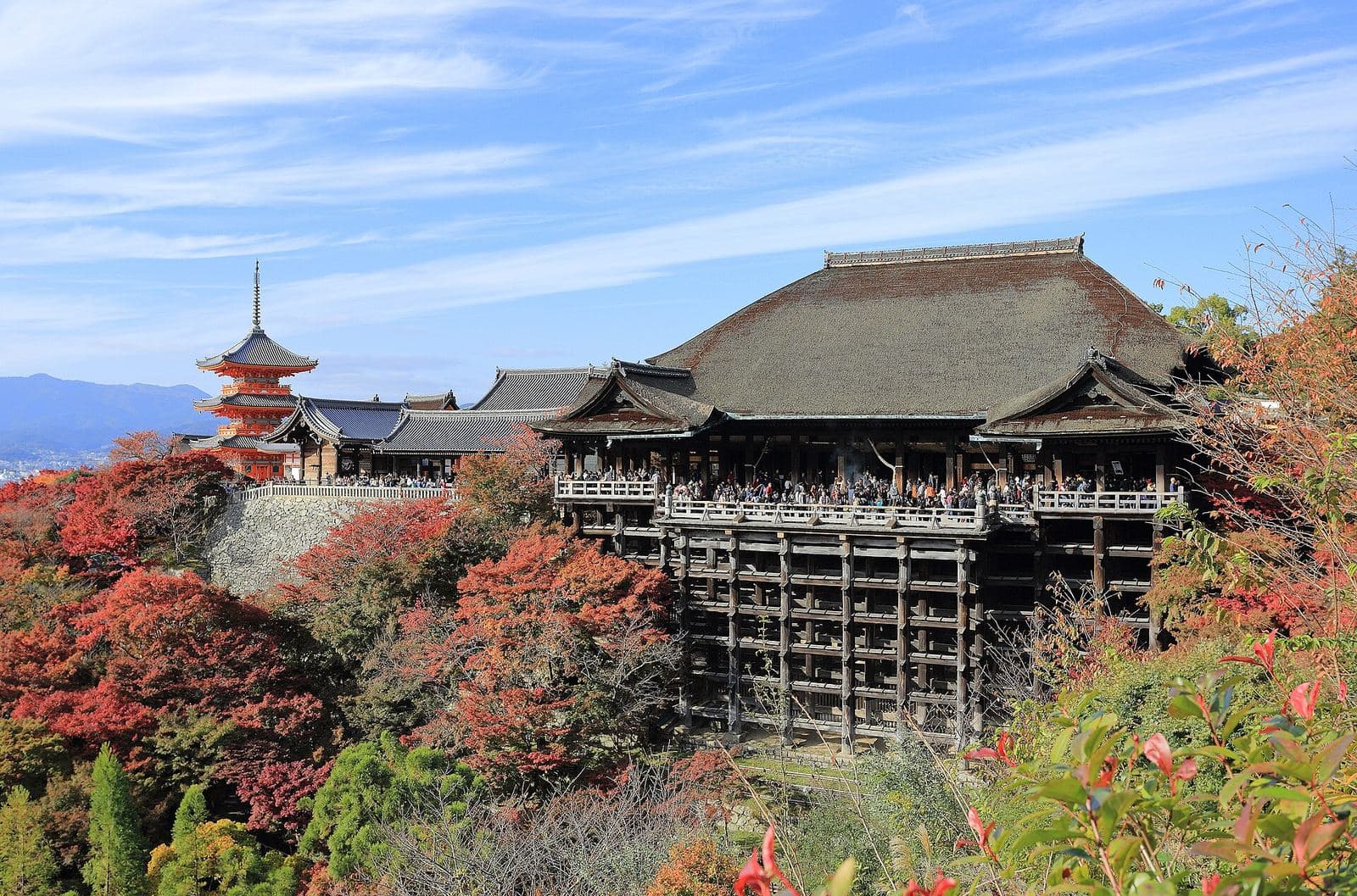
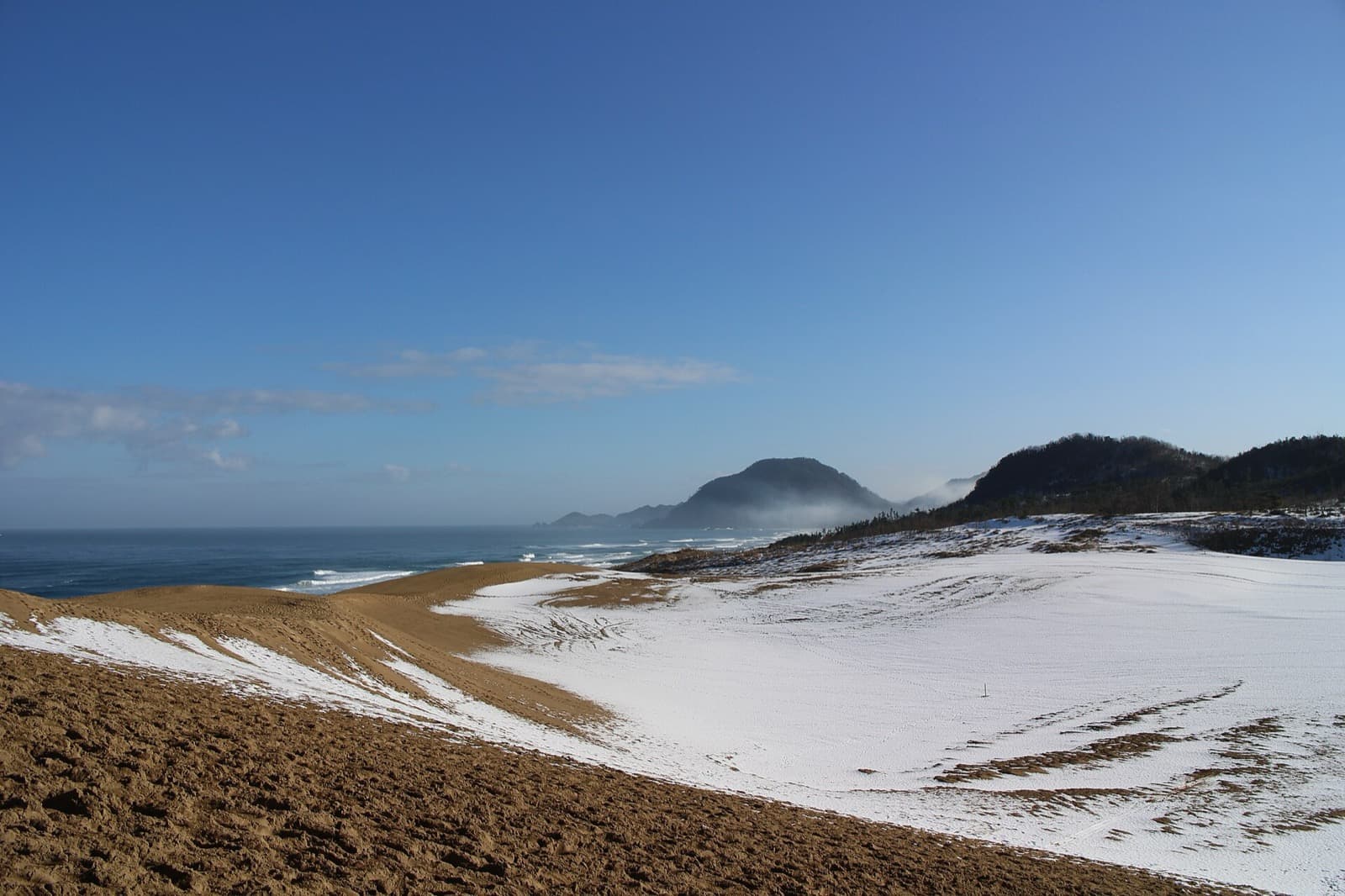
Last year Tokyo's hotels and inns sold 60.1 million nights to foreign guests. Tottori's sold 203,600.
That gap is the argument of this column. Since tourism came back after the pandemic, the story told about Japan has been one of too many people: packed city buses in Kyoto, and a screen put up in Fujikawaguchiko in 2024 to block a famous view of Mount Fuji. The pressure on those places is real. But Japan as a whole is not full. Its visitors are packed into a handful of places, and the instinct whenever a place feels overrun, to ask for fewer visitors, treats a distribution problem as a volume problem.
The numbers behind the crowds
Japan received 42.7 million visitors in 2025, a record, according to the Japan National Tourism Organization. Where they slept is counted by the Japan Tourism Agency, whose final 2025 accommodation survey recorded 179.9 million foreign guest nights.
One prefecture, Tokyo, took a third of them. Add Osaka and Kyoto and the share passes half.
The concentration shows up most clearly when the top of the table is set next to the bottom.
Nights in hotels, ryokan and other lodging, final figures. Tottori and Fukui shown for comparison; Fukui recorded the fewest of any prefecture.
| Prefecture | Foreign guest nights | Change on 2024 |
|---|---|---|
| Tokyo | 60,115,730 | +5.8% |
| Osaka | 24,517,740 | −3.5% |
| Kyoto | 18,291,230 | +8.0% |
| Hokkaido | 13,302,640 | +29.0% |
| Okinawa | 9,211,700 | +32.8% |
| Tottori | 203,600 | +72.0% |
| Fukui | 108,550 | +17.7% |
Source: Japan Tourism Agency, Overnight Travel Statistics Survey, 2025 annual (final)
Raw totals flatter the big prefectures, so it helps to divide by population. Using the 2020 census, Kyoto had about 7.1 foreign guest nights per resident in 2025 and Okinawa about 6.3, against 4.3 in Tokyo, 2.8 in Osaka and 0.4 in Tottori. Measured that way, the pressure is sharpest in Kyoto and Okinawa, and both still see 17 to 19 times as many foreign guest nights per resident as Tottori.
Kyoto is where the imbalance turns into a political problem. In 2025 foreign guests spent 18.3 million nights in Kyoto Prefecture, while Japanese guests spent 14.9 million, down 13.9% on the year and 20.6% below 2019. Tokyo shows the same pattern: Japanese guest nights fell 10.8% while foreign nights rose. The survey does not say why. Higher room rates are one plausible reason, and they are also the mechanism this column argues for, so it is worth being honest that pricing has costs and that Japanese travelers are already paying some of them.
Why limiting numbers is the wrong instinct
No Japanese government has proposed a national cap on visitors. The official target is still 60 million a year by 2030. But when a place feels overrun, the first answer people reach for is a limit. Some destinations have done it: a quota on a trail, a reservation for a garden, a daily cap at a temple. At the level of a single site, limits can work. Mount Fuji's Yoshida Trail now caps climbers at 4,000 a day and charges each of them ¥4,000 (see our Fuji climbing guide), and a narrow mountain trail is exactly the kind of place a cap fits.
Applied to the country, limiting numbers makes no sense. A reduction in arrivals is spread across every prefecture roughly in proportion to where visitors already go. Tokyo would lose a third of the cut and Tottori almost none of it, because Tottori has almost nothing to lose. The towns that want visitors would see the same percentage fall as the neighborhoods that are tired of them.
It would also be fighting the one trend that is going the right way. Foreign guest nights outside the big metropolitan areas rose 19.1% in 2025, against 5.1% in them, and the metropolitan share fell from 71.5% in 2023 to 66.3%. Visitors are already starting to spread out. Policy should speed that up, not freeze the map where it is.
Price the crowd, not the visitor
What is in short supply is a few specific places at specific hours: Kiyomizu-dera at 10 a.m. on a Saturday in November, a seat on the bus that gets there, and a room within walking distance. Scarce things in a market get rationed by price or by queue. Japan currently rations its busiest sights mostly by queue, which wastes everyone's time and gives residents nothing back.
Kyoto has moved first. Since 1 March 2026 the city's lodging tax has five bands, charged per person per night on the room rate:
| Room rate per person per night | Kyoto lodging tax |
|---|---|
| Under ¥6,000 | ¥200 |
| ¥6,000 to under ¥20,000 | ¥400 |
| ¥20,000 to under ¥50,000 | ¥1,000 |
| ¥50,000 to under ¥100,000 | ¥4,000 |
| ¥100,000 and over | ¥10,000 |
That is a reasonable start, and it charges more to the guests who can most easily pay. It has two weaknesses. The first is that a night is charged the same in February as in November, when the crowding is worst. The second is bigger: the tax only reaches people who sleep in Kyoto, and most visitors don't. The city's own 2025 tourism survey counted 62.79 million visitors and 16.59 million overnight guests, so roughly three in four came for the day. A visitor who stays in Osaka and spends a day at Fushimi Inari, Kiyomizu-dera and Arashiyama uses the same buses and the same streets and pays no lodging tax at all. Kyoto's crowding is largely a day-trip problem, and the city's main tourism tax does not touch day-trips.
Kyoto has not ignored this. It stopped selling its ¥700 all-day bus pass in September 2023, which had encouraged sightseers to fill ordinary city buses, and in June 2024 it started weekend "tourist express" buses from Kyoto Station at ¥500, about twice the normal fare. Those are prices on the crowded route, and they point the right way.
The fixes follow from that. Charge more for the crowded months and less for the empty ones. Charge day visitors at the few places that are actually overrun, through timed entry, a fee at the busiest gates, or fares on the routes that mostly carry tourists. There is a precedent: since October 2023, Hatsukaichi has charged a ¥100 visitor tax on trips to Miyajima, collected through the ferry fare. And spend the money where the residents can see it: on buses, on staff, and on making the second- and third-tier places easier to reach.
None of this is anti-tourist. A price on the crowded hour is the clearest signal that tells a visitor, before they arrive, that the same temple at 7:30 a.m. or the quieter town an hour away is the better trip. For the practical side of that choice, see our Kyoto guide and the city-by-city accommodation tax guide.
The best case against
There are three serious objections. Pricing hurts people with less money, including Japanese families who now find Kyoto hard to afford. Regional Japan often lacks the trains, hotels and staff to take many more visitors, so dispersal cannot simply be ordered. And the famous places are crowded because they are what people most want to see, so a price may raise money without moving anyone.
All three are real. The first argues for charging most at the busiest times and for discounts for residents, not for leaving prices flat. The second argues for spending the money raised on regional transport and capacity. The third is the strongest: some visitors will pay and come anyway. But a price at least gives them a reason to choose an earlier hour or a quieter day, which a crowd alone does not, and it pays for the buses and staff the crowd requires.
What visitors can do now
Visitors don't have to wait for policy to catch up. If your plan is Tokyo, Kyoto and Osaka, move one night to a prefecture outside the big three, and go to the famous places early or late rather than at midday. The onsen towns guide is a good place to start looking for that night.
Japan has room. Most of it is outside the few neighborhoods everyone photographs, and the policy that would get visitors there is a price on the crowd, not a cap on the country.
Opinion Desk
The Standard Japan
Arguments about how Japan handles visitors and residents: pricing, crowds, visas, rules. Each column takes a side and shows its evidence.
Every fact in a column is taken from a primary source (ministries, statistics agencies, operators, city governments) and linked. The argument is the desk’s own; readers who disagree are invited to write in, and factual corrections are made in the text.
Expertise
Tourism policy, pricing, visas, travel economics
Have a question or a correction?
Ask us anything about Japan's Overtourism Problem Is Really a Map Problem, or tell us what we got wrong. We reply within 24 to 48 hours.
The Standard Newsletter
Tokyo in your inbox. Weekly.
One short email a week: what’s on in Japan, what to book before it sells out, and the guides we’ve just updated.
280+
Guides
Weekly
Editions
Free
Always
Get the weekly email.
One email a week. Unsubscribe anytime.
No spam. We never share your address.
Related Stories
Japan's Digital Nomad Visa Is Built for Almost No One
Japan's nomad visa was issued 646 times in 2025. The ¥10m income test gets the blame. Six months with no renewal or residence card does more damage.
Japan's Dual Pricing Should Check Addresses, Not Passports
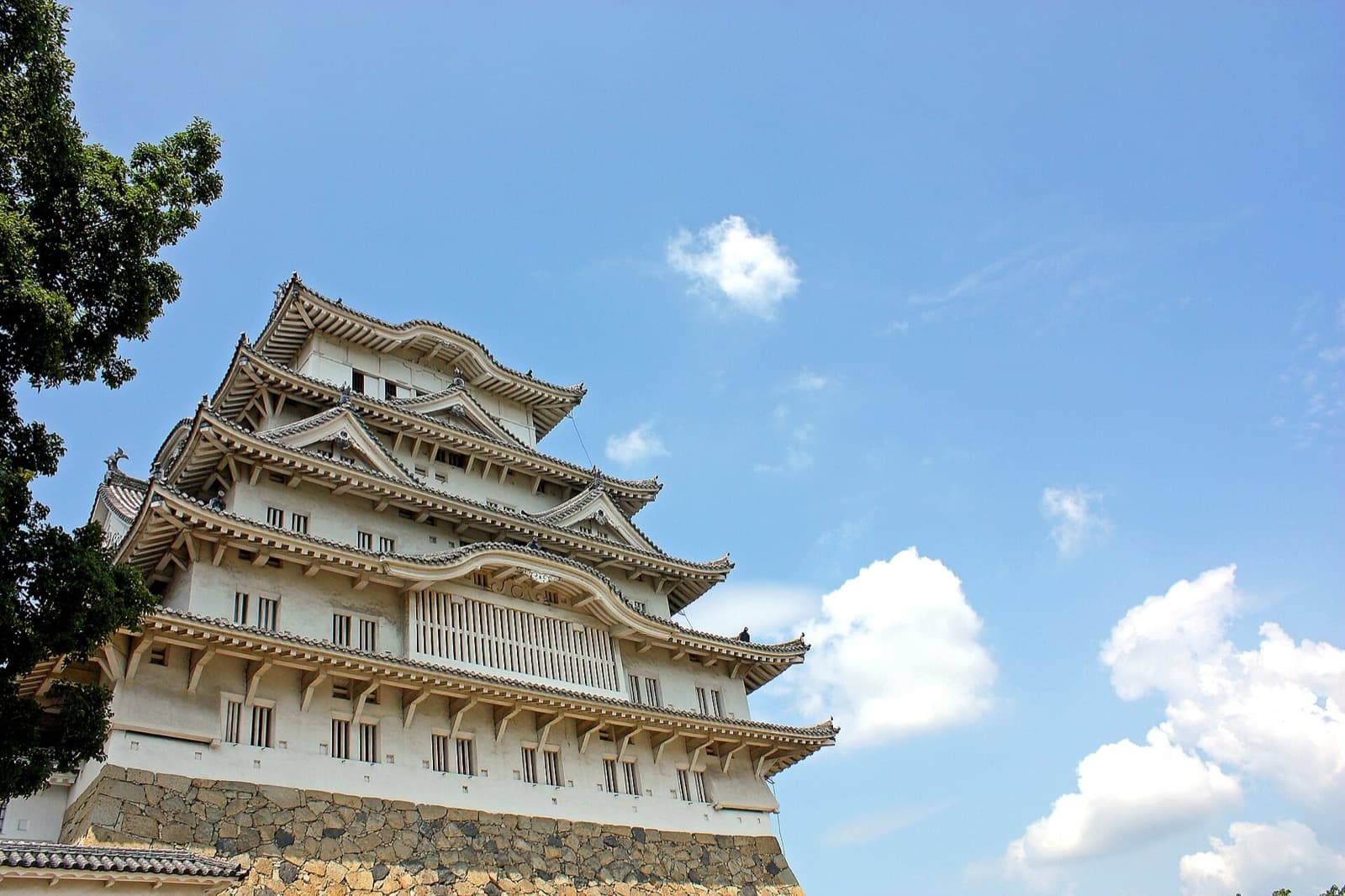
Himeji Castle now charges non-residents ¥2,500 and locals ¥1,000. That is fair. A price set by nationality would not be. Where you live is the right line.
Restaurant No-Shows in Japan: Deposits Should Be the Norm
A 2018 study estimated that restaurant no-shows cost Japan about ¥200 billion a year. A deposit or card guarantee for every diner is the fairest fix.