
Best Food in Kyoto: Where to Eat Beyond the Temple Circuit
Best food in Kyoto: Nishiki Market strategy, kaiseki vs casual, tofu and matcha, where to book, and how to eat well without wasting temple mornings.
Some travel links on The Standard Japan are affiliate links. If you book through one, we may earn a commission at no extra cost to you.
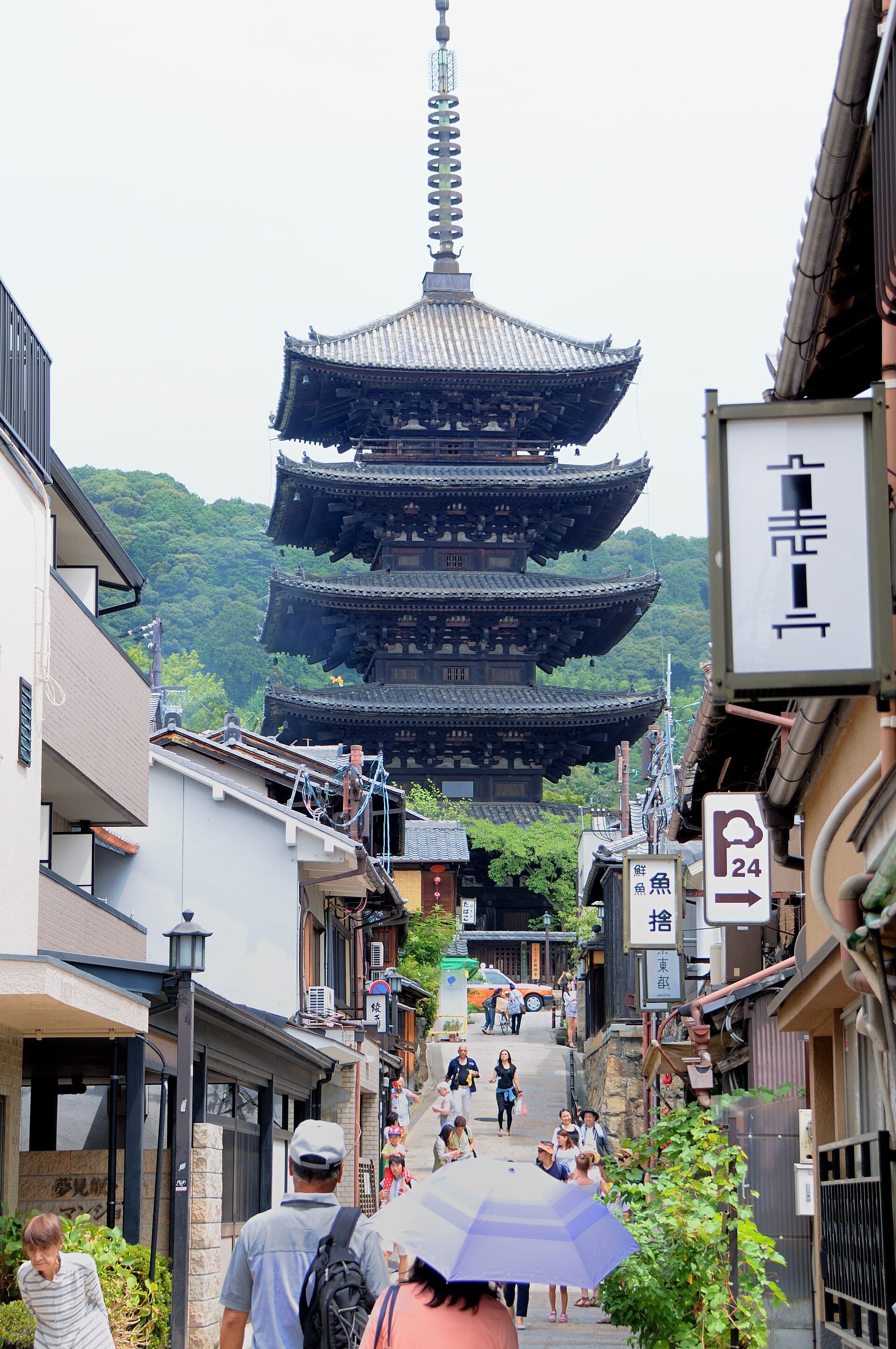
Kyoto's food is as good as its reputation, but it is easy to waste on tired menus near the big temples. Eat with the same discipline you bring to sightseeing: fewer places, chosen in advance, at the right time of day.
For where to base yourself, see where to stay in Kyoto; for day plans, the Kyoto 3-day itinerary; and for Japanese food in general, our Japanese food guide.
What to eat in Kyoto
Kyoto's cooking grew up around the imperial court and the city's Buddhist temples, and far from the sea. That shows in what it does best: tofu, vegetables, preserved fish and delicate broths.
Yudofu. Tofu simmered in a kombu broth and dipped in soy sauce, best in the colder months. The restaurants around Nanzen-ji are the classic place to try it; Okutan, by the temple, has been serving tofu since 1635.
Yuba. The skin that forms on heated soy milk, served fresh, dried or in soups. It turns up in temple cooking and on kaiseki menus all over the city.
Obanzai. Kyoto home cooking: small dishes of seasonal vegetables, tofu and fish, often laid out on a counter. Many restaurants downtown serve obanzai lunch sets, and they are one of the best-value meals in the city.
Saba-zushi. Pressed sushi made with cured mackerel, a reminder of the days when fish reached Kyoto salted from the Sea of Japan. Izuu, near Yasaka Shrine in Gion, has made it since 1781.
Nishin soba. Buckwheat noodles topped with sweet simmered herring. Matsuba, beside the Minamiza theater at the Shijo bridge, has served it since 1861 and claims to have created the dish.
Kyoto pickles (tsukemono). Sold in barrels at Nishiki Market and in specialist shops. Senmaizuke, thin slices of pickled turnip, is the city's best known.
Matcha and wagashi. Tea sweets, matcha parfaits and warabi mochi. For the best tea, go to Uji, half an hour south.
Kaiseki. The formal multi-course meal, which Kyoto does better than anywhere. Book weeks ahead, and expect ¥15,000–¥30,000 or more per person for dinner. Lunch at the same restaurants is often much cheaper.
How to plan your eating
- Temple in the early morning, then an early lunch nearby.
- Graze at Nishiki Market in the middle of the day instead of a sit-down lunch.
- One proper dinner each evening, downtown or near your hotel, booked if it matters.
- A tea ceremony or kaiseki on a quieter day of the trip.
Nishiki Market
A narrow covered street of about 400 meters, with stalls selling pickles, tofu, grilled skewers, sweets and knives. Come hungry, decide quickly, and keep moving with the crowd. Eat beside the stall where you bought your food; the market asks visitors not to eat while walking. It works best as a midday graze rather than dinner.
Kaiseki or casual?
| Format | When | Booking |
|---|---|---|
| Kaiseki | Once per trip, if your budget allows | Yes, often weeks ahead |
| Obanzai or set meals | Good-value lunch | Sometimes needed for popular places |
| Noodles and rice bowls | Between temples | Walk in |
| Matcha sweets | Afternoon | Usually walk in, with a queue at the famous shops |
If you only book one big meal in the region, you could keep Kyoto casual and save it for Osaka; see our Osaka food guide.
Where to eat, by area
| Area | Eat for |
|---|---|
| Kawaramachi and Pontocho | The densest choice of dinner spots, and riverside terraces in summer |
| Gion | Saba-zushi, kaiseki and old teahouses |
| Nanzen-ji and Okazaki | Yudofu and temple-style lunches |
| Higashiyama | Convenient between temples, but quality varies; check recent reviews |
| Kyoto Station | Practical meals on arrival or departure |
| Uji | Matcha, for a half day |
Tea
A tea ceremony has a fixed start time, which makes it a good fit for a rainy or jet-lagged morning. Choose one with clear English explanations; see our tea ceremony guide.
Dietary notes
Kyoto's temple cooking (shojin ryori) makes it one of the easier cities for vegetarians, but dashi made with fish is still common, so ask. See our vegetarian and vegan guide.
FAQ
What food is Kyoto known for? Yudofu and yuba, obanzai home cooking, saba-zushi, nishin soba, pickles, matcha sweets and, at the top end, kaiseki.
Is Nishiki Market worth it? Yes, for grazing at lunchtime. Not as your only Kyoto dinner.
Should I reserve restaurants? Yes for kaiseki and well-known counters, and for dinner on weekends. Most casual lunches are walk-in.
Kyoto or Osaka for food? Kyoto for refined and traditional cooking, Osaka for hearty street food and nightlife. The best trips include both.
Food Desk
The Standard Japan
Where and how to eat in Japan, from konbini and kissaten to izakaya, ramen and department-store food halls.
Facts are taken from primary sources (operators, venues, official tourism and government pages) and dates and prices are checked on the day of writing. Pages are revised when those sources change.
Expertise
Restaurants, izakaya, ramen, food halls, ordering and etiquette
Have a question or a correction?
Ask us anything about Best Food in Kyoto: Where to Eat Beyond the Temple Circuit, or tell us what we got wrong. We reply within 24 to 48 hours.
Related Stories
Japan Chain Restaurants: Where to Go for What You Want
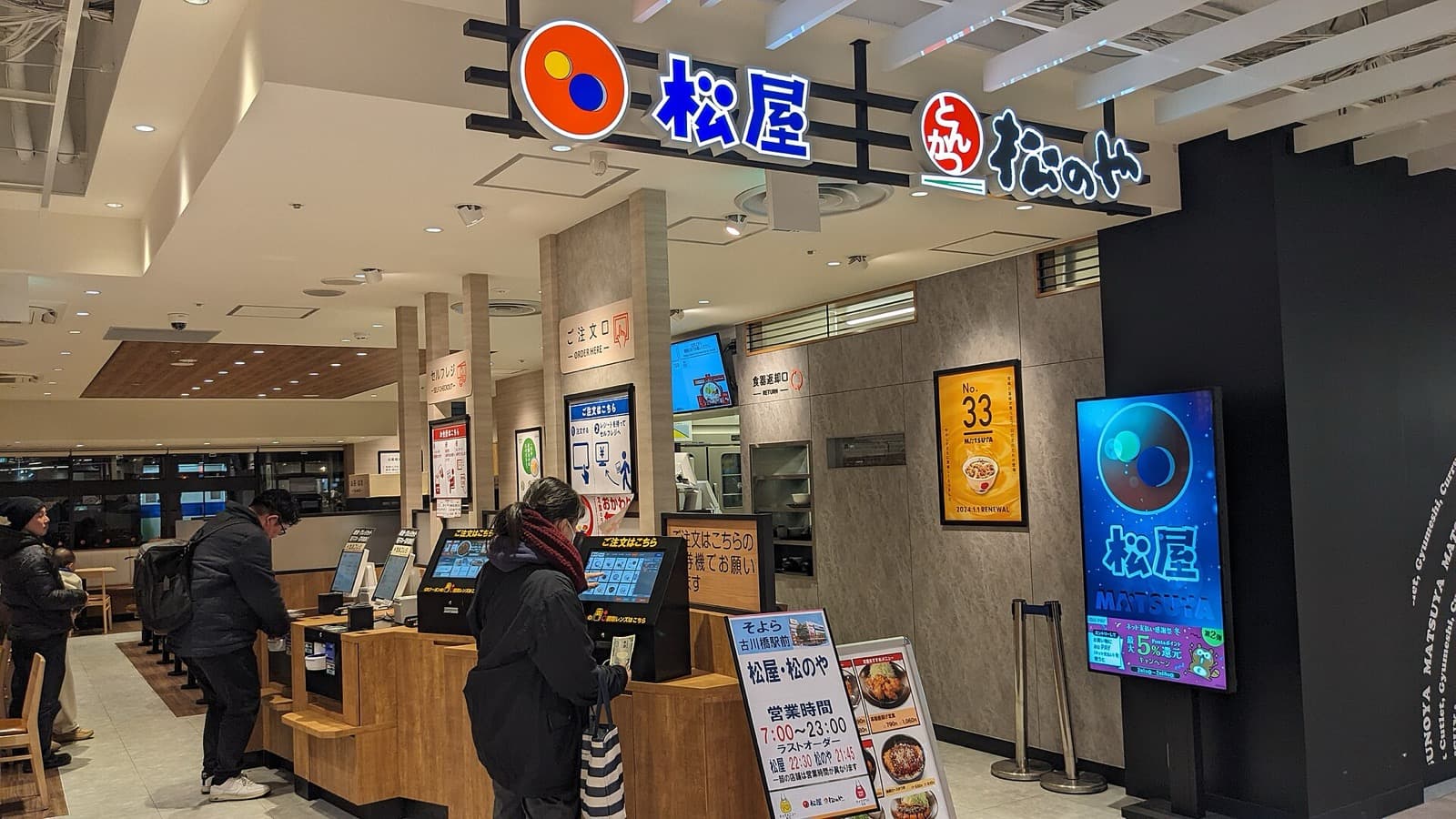
16 Japanese chains matched to what you want to eat, from a ¥480 beef bowl to solo yakiniku and a free-toast breakfast. How to order at each one.
Tsukiji and Toyosu Guide: Markets, Sushi, and What Tourists Should Know
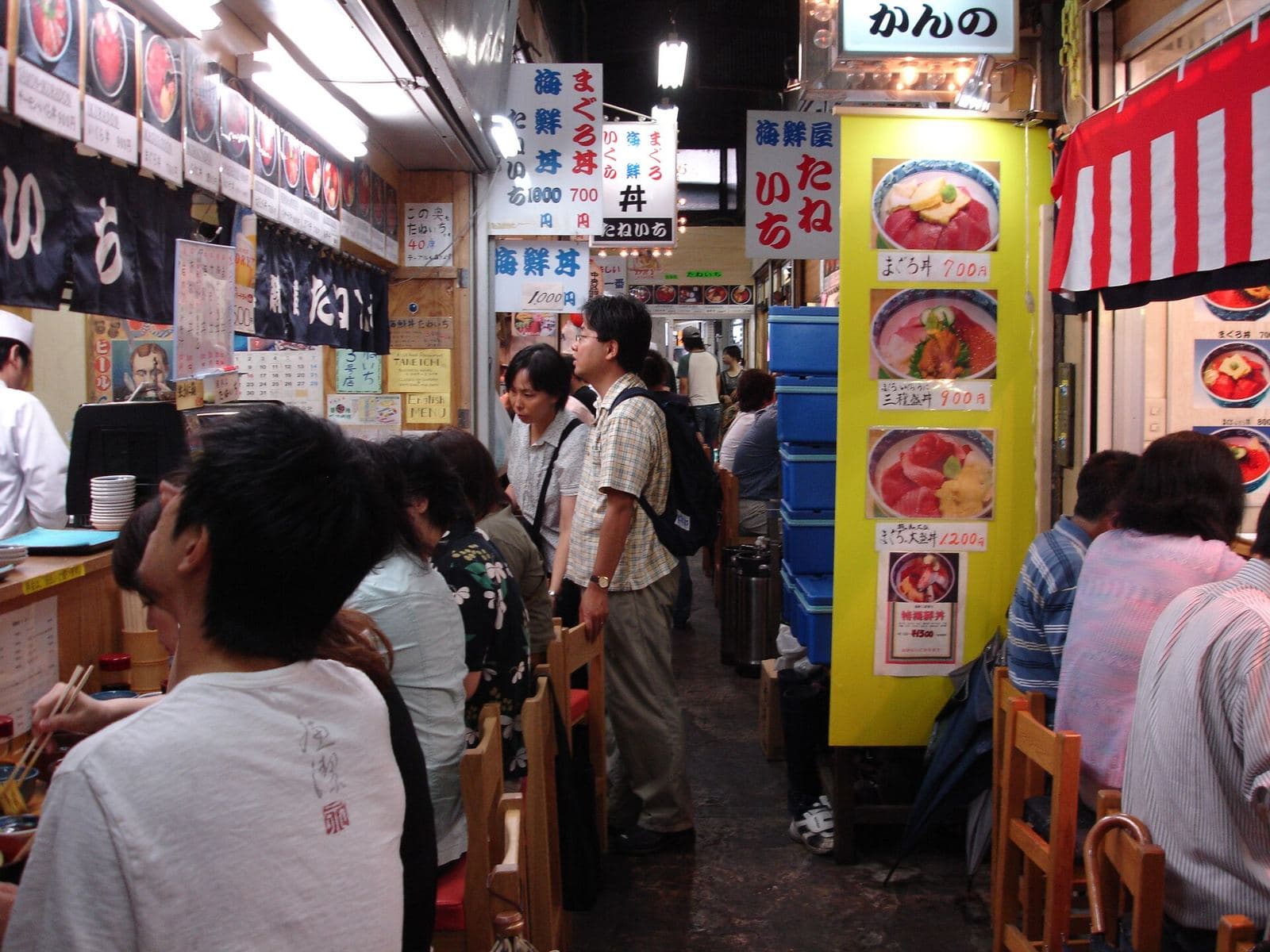
Tsukiji Outer Market vs Toyosu for tourists — where to eat sushi, when to go, auction rules, and whether a food tour is worth it in 2026.
Best Tokyo Food Tours: Markets, Izakaya, and Sake (2026)
The best Tokyo food tours worth booking — Tsukiji and Toyosu markets, Shinjuku izakaya nights, and sake tastings — plus when to skip a tour and eat alone.