
Narita to Tokyo: Trains, Skyliner, N’EX, and Private Transfer
Some travel links on The Standard Japan are affiliate links. If you book through one, we may earn a commission at no extra cost to you.
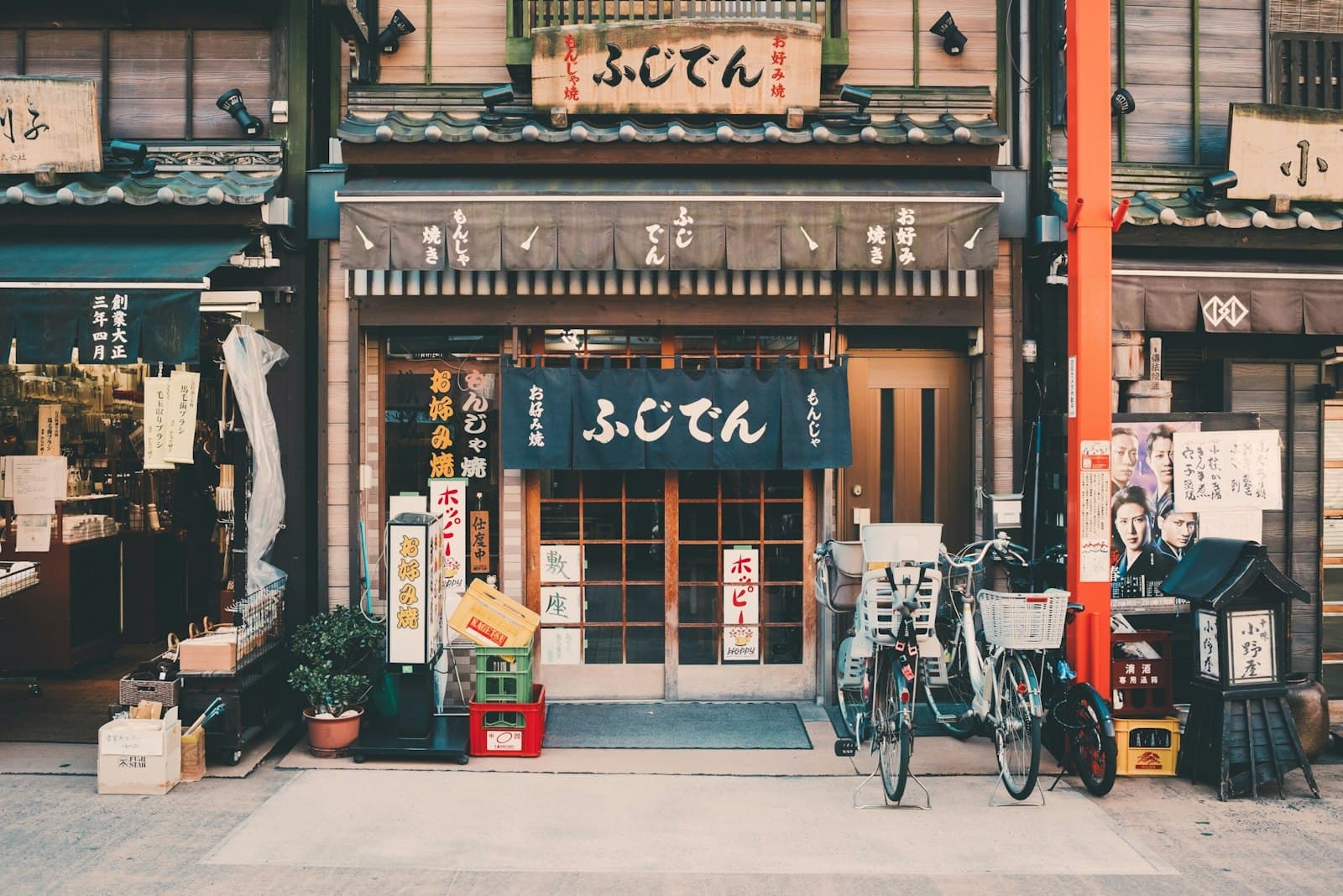
From Narita to central Tokyo, most visitors should take the Keisei Skyliner or the Narita Express (N'EX), and the right one depends on where your hotel is. The Skyliner is fastest to Ueno and the east side; the N'EX runs direct to Tokyo Station, Shinjuku and Shibuya. If you want to save money, the Access Express and the airport buses cost about half as much.
Choosing between airports? See Narita vs Haneda. For your first evening, see first day in Tokyo.
Some links in this article are affiliate links. If you book through them, The Standard Japan may earn a commission at no additional cost to you.
Quick chooser
| Your hotel area | Best option | Why |
|---|---|---|
| Ueno, Asakusa, east Tokyo | Keisei Skyliner | Fastest to Nippori and Ueno |
| Asakusa, Nihombashi, Ginza (budget) | Keisei Access Express | Runs straight onto the subway, no change |
| Tokyo Station, Shinjuku, Shibuya | Narita Express | Direct reserved seats, no change |
| Near a bus stop, or on a budget | Airport bus | Cheap, with room for bags |
Keisei Skyliner
Time: as little as 36 minutes to Nippori, and a few minutes more to Keisei Ueno.
Fare: ¥2,580 for an adult, including the reserved seat.
Best for: hotels in Ueno, Asakusa and the east side. At Nippori you can change to the JR Yamanote Line; at Ueno, to the subway.
For advance purchase, compare Keisei’s official e-ticket options with Skyliner tickets on Klook. Choose the direction and one-way or return option carefully. Klook lists standalone tickets and subway bundles with different validity and cancellation conditions; read the voucher’s redemption instructions rather than assuming it lets you board directly.
Narita Express (N'EX)
Time: about 53 minutes to Tokyo Station, with some trains continuing to Shinagawa, Shibuya, Shinjuku and Yokohama.
Fare: ¥3,140 to Tokyo Station and ¥3,330 to Shinjuku for a reserved seat (fares revised in March 2026). JR East has offered discounted N'EX tickets for overseas visitors, so check its site before you buy.
Best for: hotels near Tokyo Station or on the west side. A JR Pass covers the N'EX if you already have one; see is the JR Pass worth it.
Keisei Access Express
Time: about an hour into central Tokyo.
Fare: roughly half the Skyliner's price, paid with an IC card or a normal ticket.
Best for: budget travelers staying along the Toei Asakusa Line (Asakusa, Nihombashi, Higashi-Ginza, Shimbashi), because many trains run straight through onto the subway with no change. It is an ordinary commuter train with no reserved seats or luggage racks, so it is less comfortable with big suitcases.
Airport buses
Low-cost buses run from Narita to Tokyo Station and Ginza, and limousine buses go to major hotels and stations. They are cheap and you don't have to carry bags through stations, but road traffic can make them slow at busy times. If your hotel has a stop, check its recommended bus.
Taxis and private transfers
A taxi or a pre-booked car to central Tokyo is far more expensive than the train, but it can make sense with small children, a lot of luggage, limited mobility or a late-night arrival. Split between three or four people, the gap narrows.
Step by step (by train)
- Clear immigration and customs.
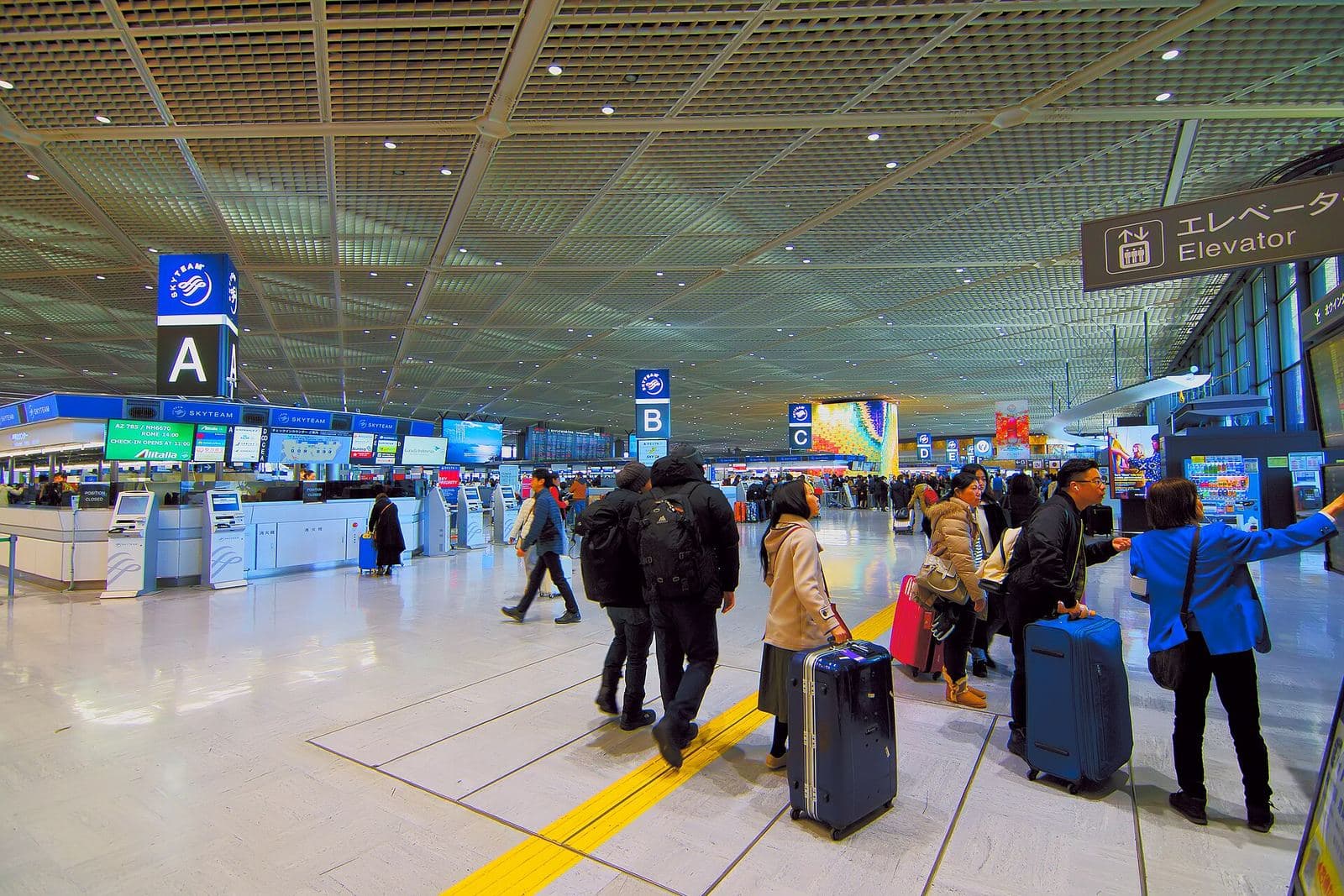
- Follow the signs for the Keisei line (Skyliner and Access Express) or JR (Narita Express). Both stations are in the basement of Terminals 1 and 2.
- Buy your ticket from a machine or the ticket office.
- Ride to your hub station.
- Use an IC card for the last subway or JR connection; see our Suica guide.
- Drop your bags at the hotel and eat nearby.
Steps 4 and 5 run on Google Maps and platform numbers, so have data working before you land: install a travel eSIM at home, not in the arrivals hall. Our eSIM comparison covers the alternatives.
Going back to Narita
Use the same train in reverse. Allow at least three hours before an international flight on busy days, and more if you need to complete a tax-free refund check at the airport after 1 November 2026; see our tax-free guide.
FAQ
What is the fastest way from Narita to Tokyo? The Keisei Skyliner, which reaches Nippori in as little as 36 minutes and Ueno a few minutes later.
Skyliner or Narita Express? The Skyliner for Ueno, Asakusa and east Tokyo. The N'EX for Tokyo Station, Shinjuku and Shibuya, because it gets you there without a change.
What is the cheapest way from Narita to Tokyo? The Keisei Access Express or a low-cost airport bus, both at roughly half the Skyliner's fare.
Is a taxi or private transfer worth it? Only in specific cases: small children, heavy luggage, limited mobility or a very late arrival, ideally shared between several people.
Should I fly into Haneda instead? If the schedules and fares work, yes. Haneda is much closer to central Tokyo.
Did this guide help you plan?
Responses are collected through analytics. For factual corrections, contact the editors.
Travel Desk
The Standard Japan
Trip planning: seasons and crowds, getting around, airports, where to stay, and the practical steps before and after you land.
Facts are taken from primary sources (operators, venues, official tourism and government pages) and dates and prices are checked on the day of writing. Pages are revised when those sources change.
Expertise
Seasonal crowds, transport and airports, itineraries, lodging, pre-trip logistics
Have a question or a correction?
Ask us anything about Narita to Tokyo: Trains, Skyliner, N’EX, and Private Transfer, or tell us what we got wrong. We reply within 24 to 48 hours.
Related Stories
Haneda to Tokyo: Monorail, Keikyu, and When to Take a Car
How to get from Haneda Airport to Tokyo: Tokyo Monorail, Keikyu Airport Line, buses, and private transfers — times, connections, and first-timer tips.
New Chitose Airport to Niseko: Bus, Train or Transfer
New Chitose or Sapporo to Niseko, winter 2026–27: ski buses from ¥6,000 in about 2½ hours, the slower train via Otaru, private transfers and rental cars.
How to Ride Trains in Japan: A Foreigner’s Practical Guide
How to ride trains in Japan: IC cards, ticket gates, shinkansen seats, rush hour, luggage rules, and the etiquette that keeps you from being That Person.