
How to Ride Trains in Japan: A Foreigner’s Practical Guide
How to ride trains in Japan as a tourist: IC cards, ticket gates, shinkansen seats, rush hour survival, luggage rules, and the etiquette that keeps you from being That Person.
Japan’s trains look intimidating and then become the easiest part of the trip. The system is consistent: tap in, ride, tap out, follow the letters and colors. This guide is for foreigners who want zero mystique and fewer platform mistakes.
Pair with Suica/Pasmo, Tokyo Metro how-to, buy shinkansen tickets, and last train.
Some links in this article are affiliate links. If you book through them, The Standard Japan may earn a commission at no additional cost to you.
City trains in 60 seconds
- Get an IC card (physical or Mobile Suica where supported)
- Enter Google Maps transit directions
- Note line name, direction, and car/platform hints
- Tap in → ride → tap out
- If the fare is wrong, talk to the attendant at the glass booth — they fix it daily
You will not be arrested for looking confused. You will be gently herded.
Ticket gates
- Tap once; do not double-tap frantically
- Large luggage: use the wider gate when marked
- Paper limited-express tickets: follow the slot/insert instructions — or ask
If your IC declines, add value at a machine. Machines have English menus in major stations.
Platform skills foreigners miss
- Stand in the marked queue lines painted on the platform
- Let people off before boarding
- Priority seats are not your nap zone if someone more needy boards
- Keep backpacks in front or on the rack in crowded cars
- Phone calls on quiet cars are a social foul — text instead
- Eating fragrant meals on local Tokyo rush-hour trains is frowned on; shinkansen is more food-friendly
Rush hour reality
Weekday mornings into central Tokyo and evenings out are packed. If you have a big suitcase:
- Travel outside 7:30–9:30 and 17:30–19:30 when you can
- Use luggage forwarding (takkyubin) between hotels
- Station coin lockers help for day packing — coin lockers
Shinkansen without panic
| Choice | Use when |
|---|---|
| Reserved seat | Luggage, groups, peak holidays, peace of mind |
| Non-reserved | Flexible, light bag, off-peak |
| Green Car | Extra space/budget |
Buy at JR ticket offices, machines, or online options covered in how to buy shinkansen tickets. Put large bags in the oversized area or overhead — do not block aisles.
Tokyo → Kyoto is the classic hop — Tokyo to Kyoto transport.
When a tour beats the train puzzle
Trains are the default. Book a tour when the day has too many transfers for your energy level — Fuji loops, snow monkeys, or a packed Kyoto morning after jet lag.
Lost, missed stop, wrong train
- Get off at the next station; Maps will reroute
- Station staff can point you — show the hotel name in Japanese
- Wrong fare: pay adjustment at the exit booth before you force the gate
JR Pass vs IC cards
IC cards are for local travel. A JR Pass is a separate product for longer JR legs — often not worth it on short trips in 2026 pricing. Run numbers: JR Pass worth it.
FAQ
Can tourists use Suica easily? Yes — physical cards are straightforward; Mobile Suica depends on phone/region support.
Do I need Japanese to ride trains? No. Maps + numbers + station staff get you there.
Is the subway safe at night? Yes. Your constraint is usually the last train, not crime.
Should I reserve shinkansen seats? Yes if you have luggage or travel on weekends/holidays.
Travel Desk
The Standard Japan
Trip planning: seasons and crowds, getting around, airports, where to stay, and the practical steps before and after you land.
Facts are taken from primary sources (operators, venues, official tourism and government pages) and dates and prices are checked on the day of writing. Pages are revised when those sources change.
Expertise
Seasonal crowds, transport and airports, itineraries, lodging, pre-trip logistics
Have a question or a correction?
Ask us anything about How to Ride Trains in Japan: A Foreigner’s Practical Guide, or tell us what we got wrong. We reply within 24 to 48 hours.
The Standard Newsletter
Tokyo in your inbox. Weekly.
No algorithms curating your culture. No sponsored content disguised as journalism. Just the real Tokyo — the izakayas at 2am, the Harajuku kids who never made it to the algorithm, the ramen shop with no sign.
280+
Guides
Weekly
Editions
Free
Always
Join the underground.
One email a week. Unsubscribe anytime.
No spam. No sharing your data. Tokyo only.
Related Stories
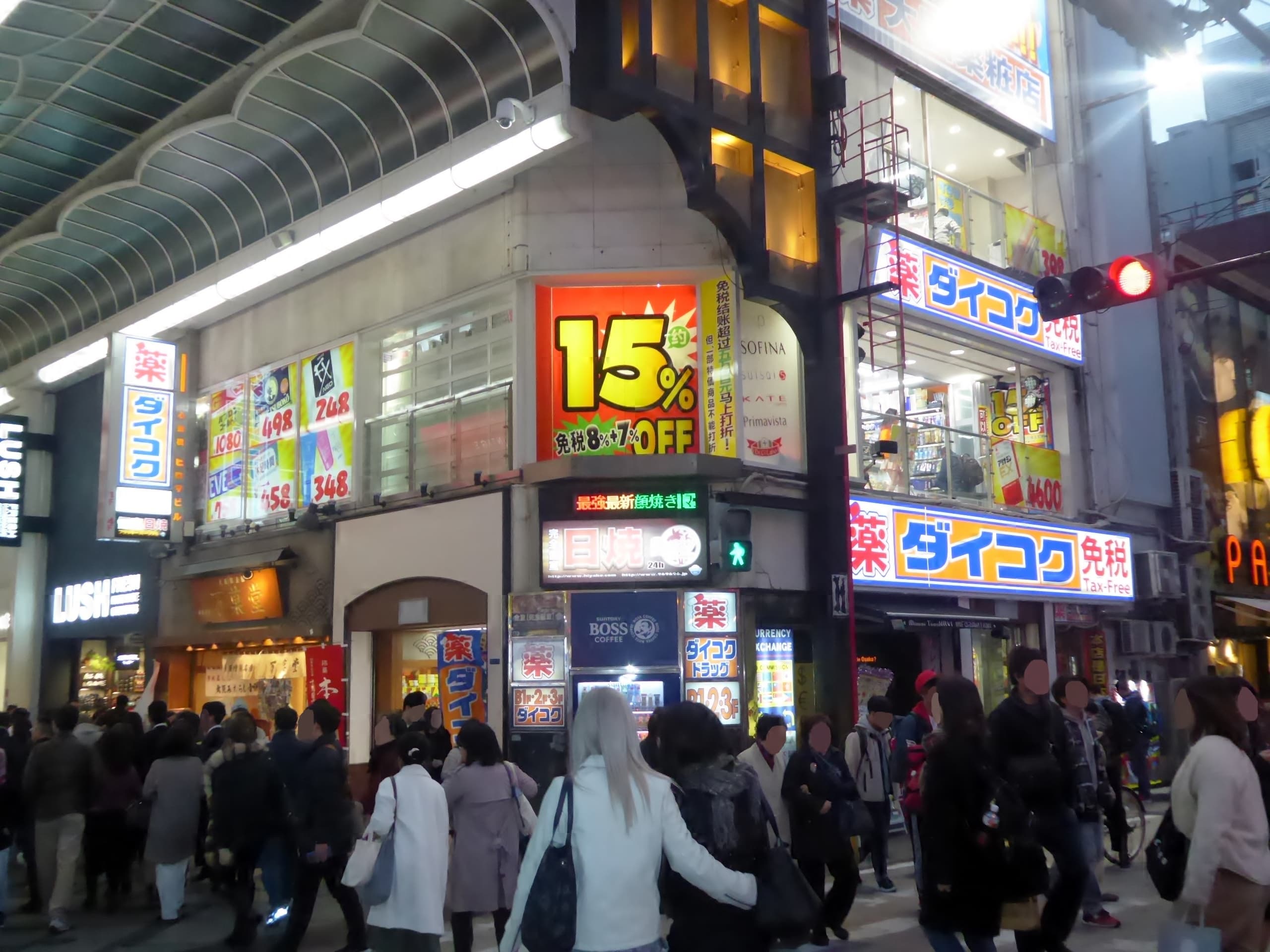
Japan Drugstore Guide: What to Buy at Matsumoto Kiyoshi and Daikoku Drug
Japan's drugstores sell better eye drops, pain patches, and skincare than most pharmacies back home. Here's what to buy, which chain, and how tax-free works.
First-Time Japan Checklist: What to Do Before You Fly (2026)
First-time Japan checklist for foreigners: visas, Visit Japan Web, eSIM, Suica, cash, hotels by city, what to book ahead, and a day-one plan that won’t ruin the trip.
Haneda to Tokyo: Monorail, Keikyu, and When to Take a Car
How to get from Haneda Airport to Tokyo: Tokyo Monorail, Keikyu Airport Line, buses, and private transfers — times, connections, and first-timer tips.