
Tokyo for Repeat Visitors: 8 Neighborhoods Beyond Shibuya
Been to Shibuya, Asakusa and Shinjuku? Eight Tokyo neighborhoods for a second or third trip, from Yanaka's old lanes to Kiyosumi's gardens and coffee.
Some links in this article are affiliate links. If you book through them, The Standard Japan may earn a commission at no additional cost to you.
On a first trip to Tokyo, the city is Shibuya Crossing, Senso-ji, Shinjuku at night and a morning at a famous market. On a second or third trip, those places start to feel like a loop. The Tokyo that rewards repeat visits is in its smaller neighborhoods: old shopping streets, temple districts, garden suburbs and book towns where most people are residents, not visitors.
This guide picks eight of them. None needs a reservation. Each fills a half day or a full day on foot, and most are 20–40 minutes from central Tokyo by train. If you haven't yet explored Shimokitazawa, Koenji or Nakameguro, start with our Shimokitazawa and Koenji guides first; this list goes further out.
1. Yanaka: old Tokyo on foot
Station: Nippori (JR Yamanote Line) or Sendagi (Chiyoda Line). Allow: a half day.
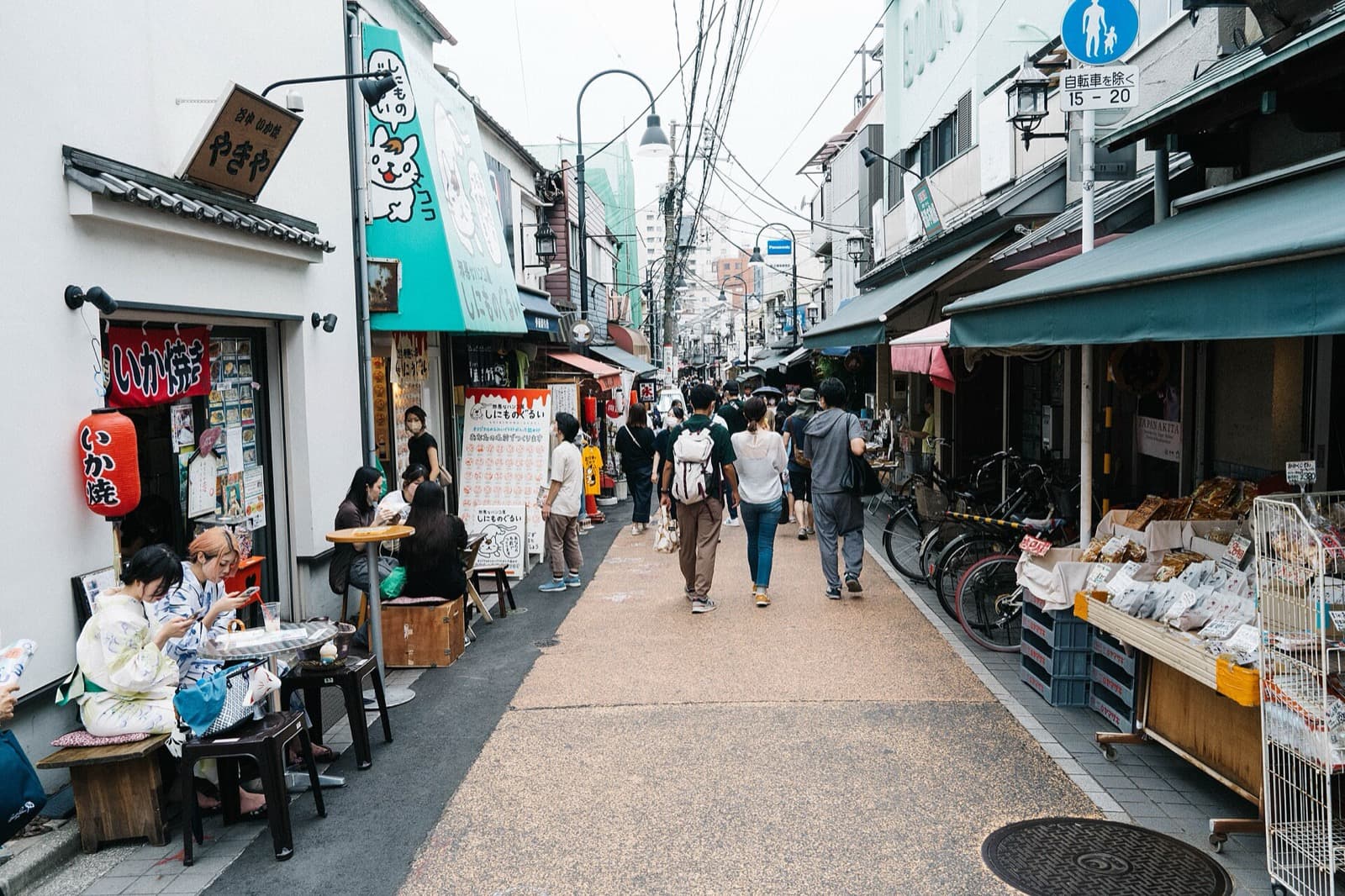
Yanaka, with neighboring Nezu and Sendagi (together known as Yanesen), was spared much of the destruction that hit the rest of Tokyo in the 20th century, so its lanes still have wooden houses, small temples and family shops. From Nippori Station, walk through Yanaka Cemetery, where the last shogun, Tokugawa Yoshinobu, is buried, then down the Yuyake Dandan steps to Yanaka Ginza, a shopping street about 170 meters long with around 60 shops selling croquettes, pickles and sweets.
From there, wander south toward Nezu Shrine, whose tunnel of red torii is a quieter cousin of Fushimi Inari's, and stop at SCAI The Bathhouse, a contemporary art gallery in a converted public bath.
2. Kiyosumi-Shirakawa: gardens, art and coffee
Station: Kiyosumi-Shirakawa (Hanzomon and Oedo lines). Allow: a half day.
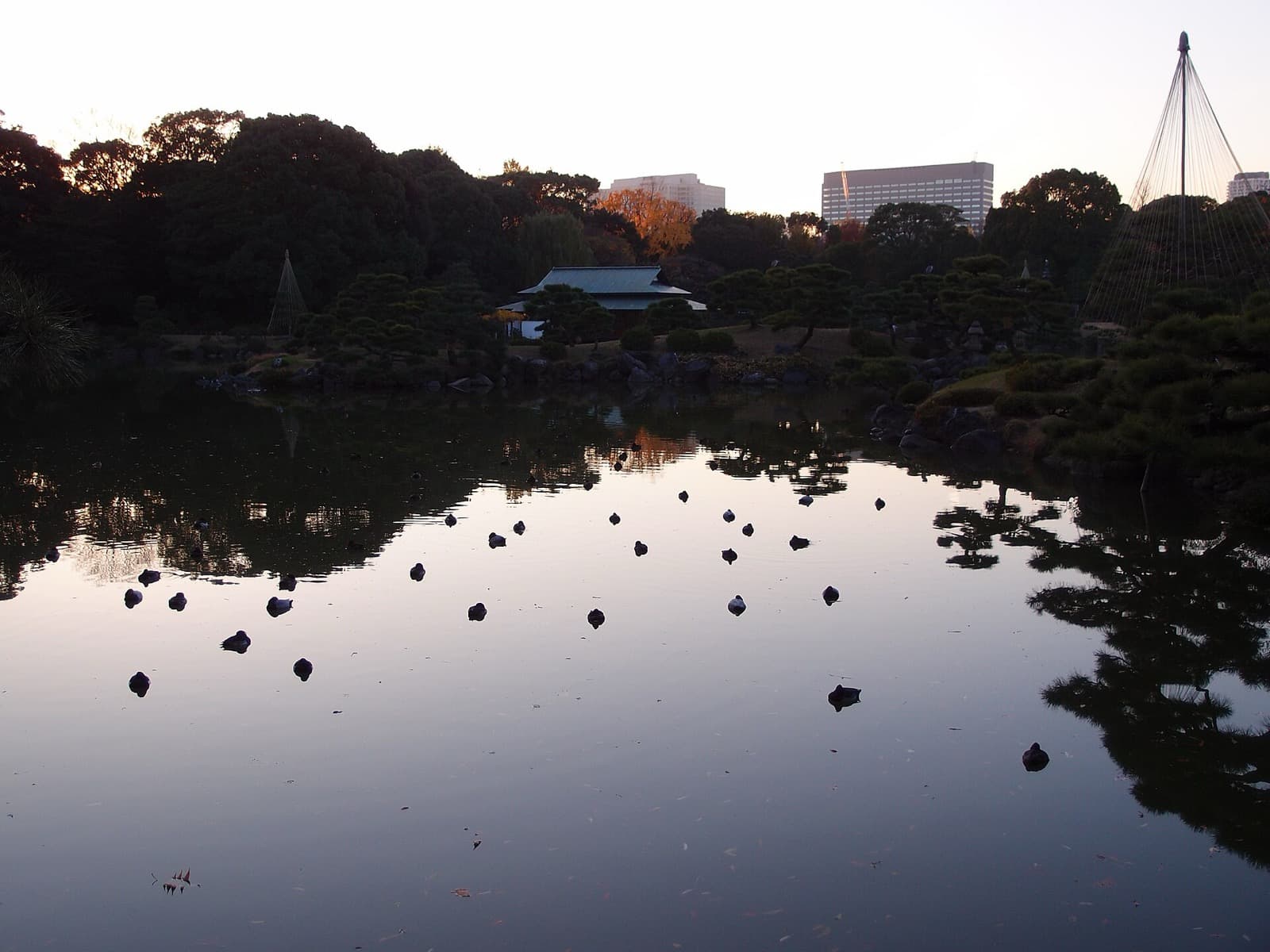
This low-rise area east of the Sumida River has three good reasons to visit within a few minutes' walk of each other. Kiyosumi Garden is a Meiji-era strolling garden with stepping stones across a large pond, run by the Tokyo Metropolitan Park Association, and adult entry is ¥150. The Museum of Contemporary Art Tokyo (MOT), in the park next door, holds a large collection of postwar and contemporary art and stages major exhibitions. And the streets around them are full of independent coffee roasters; Blue Bottle chose the neighborhood for its first café in Japan in 2015.
3. Kuramae: makers by the river
Station: Kuramae (Asakusa and Oedo lines). Allow: two to three hours.
Just south of Asakusa, Kuramae takes its name from the shogunate's rice storehouses that once stood here, and it later became a district of small manufacturers and wholesalers. Today many of its old buildings hold makers' workshops and shops selling leather goods, stationery, ceramics and coffee. It is easy to combine with Asakusa: cross the Sumida River and walk south along it, and the crowds disappear within ten minutes.
4. Kagurazaka: stone lanes and a French accent
Station: Kagurazaka (Tozai Line) or Iidabashi (JR, several subway lines). Allow: an afternoon and dinner.
Kagurazaka climbs a hill from Iidabashi Station, and the alleys either side of the main slope are some of the most atmospheric in central Tokyo: narrow stone-paved lanes such as Hyogo Yokocho, lined with old restaurants and a few remaining geisha houses. The Institut français is nearby, so the area also has French bakeries and bistros. At the top, Akagi Shrine was rebuilt in 2010 to a modern design by the architect Kengo Kuma.
Come in the late afternoon and stay for dinner, when the lanes are lit.
5. Shibamata: a temple of carvings
Station: Shibamata (Keisei Kanamachi Line). Allow: a half day.
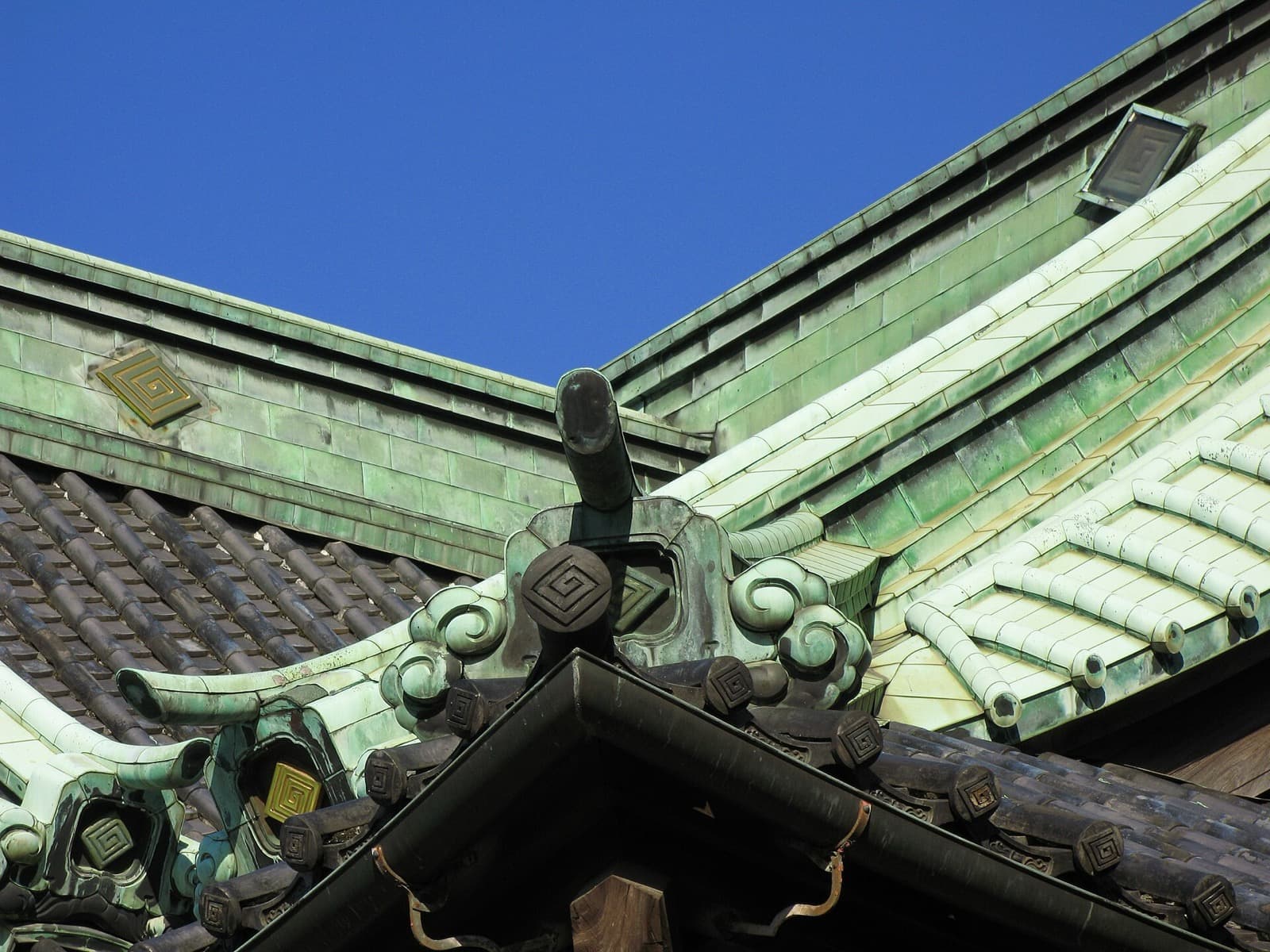
Shibamata, on the Edo River at the eastern edge of Tokyo, feels more like a small town than a city ward. Its main street leads to Taishakuten (Daikyo-ji), whose inner hall is covered in detailed wood carvings of Buddhist stories. You can see them up close in the carving gallery, and the same ticket covers the temple's garden; adult entry is ¥400.
The town is the setting for the long-running film series Otoko wa Tsurai yo (It's Tough Being a Man), and its shopping street still sells the dango and rice crackers seen in the films. Walk down to the river afterwards; a small rowed ferry, the Yagiri no Watashi, crosses on some days.
6. Togoshi Ginza: one long shopping street
Station: Togoshi-ginza (Tokyu Ikegami Line) or Togoshi (Asakusa Line). Allow: two to three hours.
Togoshi Ginza is about 1.3 km long and one of the longest shopping streets in Tokyo, with around 400 shops. There are no big sights here, which is the point: it is a chance to see how an ordinary Tokyo neighborhood shops and eats. Graze your way along it, croquettes first.
7. Jimbocho: the book town
Station: Jimbocho (Hanzomon, Mita and Shinjuku lines). Allow: a half day.
Around the Jimbocho crossing, about 130 secondhand and specialist bookshops line Yasukuni-dori and its side streets. Many specialize: old maps, art books, film posters, woodblock prints. The area is also known for its curry restaurants and its old coffee houses; see our guides to Tokyo's bookstores and its old kissaten.
8. Kichijoji: a park town on the west side
Station: Kichijoji (JR Chuo Line, Keio Inokashira Line). Allow: a half day or more.
Kichijoji is a favorite of Tokyo residents, built around Inokashira Park, with its pond, rowing boats and wooded paths. Near the station, a grid of narrow post-war alleys holds tiny bars and food stalls, and the shopping streets have more independent shops than chains. The Ghibli Museum is at the far end of the park; tickets sell out a month ahead.
How to plan the days
These neighborhoods sit on different lines, so pair them by geography rather than trying to see several in one day:
| Day | Pairing | Why it works |
|---|---|---|
| East | Kuramae, then Kiyosumi-Shirakawa | Both near the Sumida River, about ten minutes apart on the Oedo Line |
| North | Yanaka, then Nezu | Walkable as one route |
| Central | Jimbocho, then Kagurazaka | A short ride apart; bookshops by day, dinner in Kagurazaka |
| West | Kichijoji | A full day with the park |
| South | Togoshi Ginza | A long lunch along the street |
| Far east | Shibamata | Combine with nothing; it is a trip out |
These areas have little English signage, and their best streets are side streets, so you will be relying on your phone's map all day. Install a travel eSIM before you fly, or see our eSIM comparison for the options, including Saily.
Where to stay this time
On a repeat trip, consider a base on the east side, around Ueno, Asakusa or Kuramae. Hotels there are usually cheaper than in Shibuya or Shinjuku, and Yanaka, Kuramae, Kiyosumi-Shirakawa and Shibamata are all close. Compare Tokyo hotels on Rakuten Travel, which lists many smaller Japanese business hotels. For how the areas compare, see where to stay in Tokyo.
FAQ
What is there to do in Tokyo on a second trip? Explore the neighborhoods most visitors skip: Yanaka for old streets and temples, Kiyosumi-Shirakawa for a garden, contemporary art and coffee, Kagurazaka for stone lanes and dinner, Jimbocho for books, and Shibamata for a temple covered in carvings.
Which Tokyo neighborhood feels most like old Tokyo? Yanaka, with Nezu and Sendagi. It was spared much of the destruction of the 20th century and still has wooden houses, small temples and family-run shops.
Do I need to book anything for these neighborhoods? No. The only exception on this list is the Ghibli Museum in Kichijoji, which needs a ticket bought in advance.
Are these areas good for a rainy day? Jimbocho is, with its bookshops and cafés, and so are the museums in Kiyosumi-Shirakawa. Yanaka and Togoshi Ginza are best in dry weather.
How do I get around between them? By train and subway with an IC card. Most are 20–40 minutes from central Tokyo. See our Tokyo Metro guide.
Travel Desk
The Standard Japan
Trip planning: seasons and crowds, getting around, airports, where to stay, and the practical steps before and after you land.
Facts are taken from primary sources (operators, venues, official tourism and government pages) and dates and prices are checked on the day of writing. Pages are revised when those sources change.
Expertise
Seasonal crowds, transport and airports, itineraries, lodging, pre-trip logistics
Have a question or a correction?
Ask us anything about Tokyo for Repeat Visitors: 8 Neighborhoods Beyond Shibuya, or tell us what we got wrong. We reply within 24 to 48 hours.
The Standard Newsletter
Tokyo in your inbox. Weekly.
One short email a week: what’s on in Japan, what to book before it sells out, and the guides we’ve just updated.
280+
Guides
Weekly
Editions
Free
Always
Get the weekly email.
One email a week. Unsubscribe anytime.
No spam. We never share your address.
Related Stories
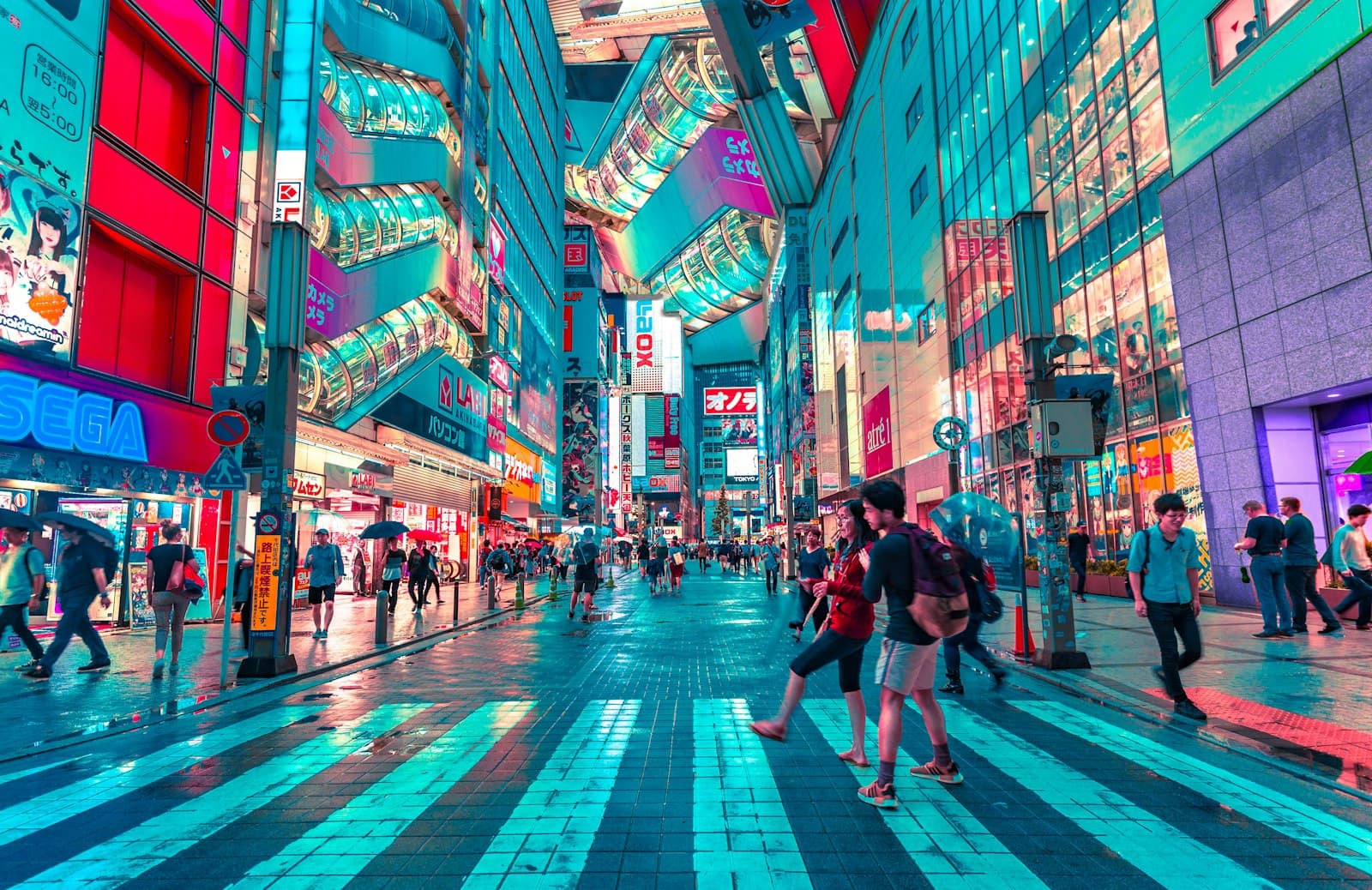
Shibuya Guide: Crossing, Sky, Food, and Nightlife for First-Timers
Shibuya guide for tourists: scramble crossing tips, Shibuya Sky tickets, where to eat, nightlife streets, and what to skip near the station.
What to Do in Nara: Deer, Todai-ji, and a Perfect Day Trip
What to do in Nara for first-timers: Todai-ji, Nara Park deer etiquette, Kasuga Taisha, food stops, and whether to DIY from Kyoto/Osaka or book a guided day.
Asakusa Guide: Senso-ji, Skytree, and Old Tokyo Done Right
Asakusa guide for first-timers: Senso-ji early, Nakamise without the crush, Skytree timing, Kappabashi, and when a short tour beats wandering alone.