
Fukuoka Travel Guide: Japan's Most Livable City (2026)
Fukuoka is consistently ranked Japan's most livable city — and one of its most underrated travel destinations. Here is what makes it different.
Correction, 7 October 2026: an earlier version said mentaiko was created by a Korean immigrant adapting kimchi. Fukuya's founder, Toshio Kawahara, was Japanese, born in Busan, and adapted a Korean seasoned pollock roe he ate there as a child. It also put Ippudo's first shop in Hakata (it opened in Daimyo, near Tenjin, in 1985), gave the number of yatai as about 130 (the city says about 100), and called Fukuoka Japan's fifth-largest city (it is the sixth).
Fukuoka doesn't try to be Tokyo, and that is its strength. Japan's sixth-largest city regularly appears near the top of international livability rankings, and it has the ease of a mid-sized European city with Japanese infrastructure. The food is excellent, the pace is relaxed, and the center is compact enough to learn in a day.
It is also the gateway to Kyushu, Japan's southwestern island, with volcanoes, hot spring towns, a subtropical coast and some of the country's most distinctive regional food within reach.
Getting there
From Osaka: about 2½ hours on the Nozomi Shinkansen from Shin-Osaka to Hakata.
From Tokyo: about five hours on the Nozomi. Most people fly instead.
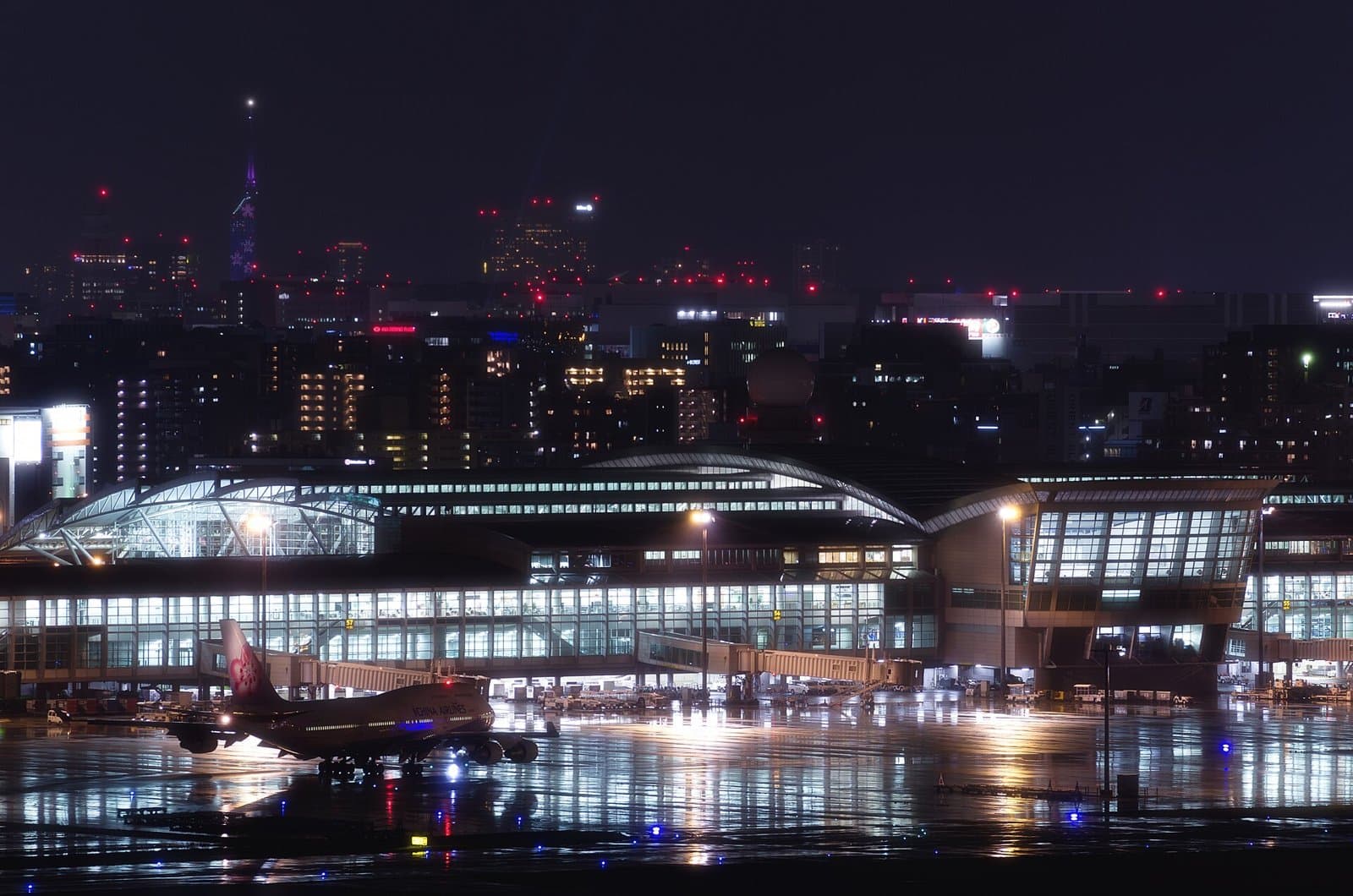
Fukuoka Airport is one of the most central airports in Japan, two subway stops from Hakata Station. The subway leaves from the domestic terminal; from the international terminal, take the free shuttle bus first (Fukuoka Airport to Hakata and Tenjin). Airlines fly here from across Japan and Asia.
Hakata or Fukuoka? Historically there were two towns side by side: Fukuoka, the castle town, and Hakata, the merchant port. When the modern city was created in 1889 it took the name Fukuoka, but the main station, the local ramen and much of the city's identity still use Hakata.
Finding your way around
The Naka River divides the center:
- Hakata, east of the river: the main station, the business district and the most visitor-friendly areas.
- Nakasu, the island in the river: the nightlife district and many of the yatai.
- Tenjin, west of the river: the shopping center, with department stores, fashion and cafes.
- Ohori Park and around, further west: quieter residential streets, the park and Fukuoka City Museum.
The subway connects them, but you can walk from Hakata to Tenjin in about 20 minutes.
What to do
Fukuoka Castle ruins and Maizuru Park
The Fukuoka Castle ruins (福岡城跡) are the stone walls and a few turrets of a large feudal castle, inside Maizuru Park, with views over the city. Most of the castle was dismantled after the Meiji Restoration, but the site is pleasant and much quieter than the castles in Osaka or Himeji.
Next door, Ohori Park surrounds a large lake and is where Fukuoka's residents walk, run, cycle and picnic. It is one of the best city parks in Japan.
Dazaifu Tenmangu
Dazaifu Tenmangu (太宰府天満宮), about 30 minutes from Fukuoka by train, is one of Japan's most important shrines, dedicated to Sugawara no Michizane, the scholar revered as the patron of learning. Students come from across Japan to pray before exams.
Plum trees, Michizane's symbol, surround the shrine. Along the approach, dozens of shops sell umegae mochi, grilled rice cakes filled with sweet bean paste.
Nanzoin
Nanzoin (南蔵院), in Sasaguri on the outskirts of the city, has a bronze reclining Buddha about 41 meters long, which the temple describes as the largest of its kind in the world. It is far less visited than the city's other sights, and the size alone makes it worth the trip.
Yanagawa
Yanagawa, about 50 minutes south of Fukuoka by Nishitetsu train, is a canal town where boatmen pole flat-bottomed boats through willow-lined waterways past old houses. It is calm, slow and quite unlike the city.
Yanagawa is known for unagi seiro-mushi, steamed eel over rice, which is a good reason to stay for lunch.
What to eat
Fukuoka has one of Japan's most famous ramen styles, more street food stalls than anywhere else in the country, and seafood from the Genkai Sea.
Hakata ramen
Hakata ramen (博多ラーメン) is tonkotsu: a rich, cloudy pork-bone broth, thin straight noodles, green onions and sliced pork. The broth is boiled for hours until the fat and collagen turn it creamy white.
Hakata is also where kaedama comes from. When you finish your noodles, ask for "kaedama" and a fresh portion goes into your remaining broth for a small extra charge.
Where to eat it:
- Shin-Shin in Tenjin, which many locals rate among the city's best.
- Ichiran, which started in Fukuoka and is known for its single-person booths. See our Ichiran ordering guide.
- Ippudo, which opened its first shop in Daimyo, near Tenjin, in 1985 and took Hakata-style ramen worldwide.
Yatai
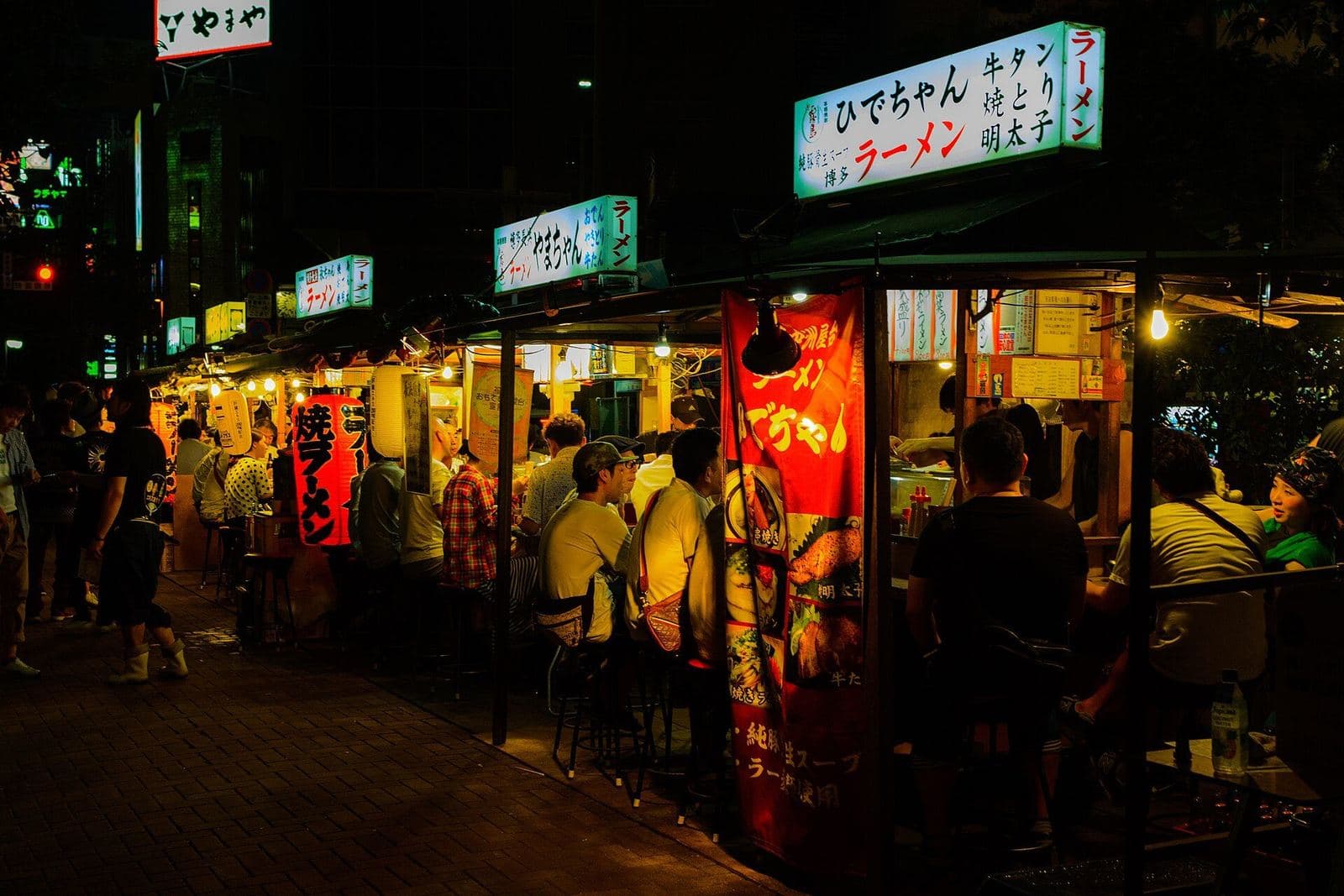
Fukuoka's yatai (屋台) are small food stalls set up on the street each evening. The city has about 100, more than any other city in Japan, mostly along the river in Nakasu and around Tenjin.
Most seat around eight to twelve people at a counter. Menus usually include ramen, yakitori, oden and gyoza, plus whatever the owner is known for. Eating elbow to elbow with strangers and chatting with the cook is something no restaurant quite reproduces.
Yatai open in the early evening and close late. Arrive early for a seat, and bring cash.
Mentaiko
Mentaiko (明太子), spicy marinated pollock roe, is Fukuoka's best-known food souvenir. It was first sold in Nakasu by Fukuya, founded in 1948 by Toshio Kawahara, who had grown up in Busan and adapted a Korean seasoned pollock roe he ate there as a child. Rather than patent his recipe, he taught other makers how to produce it, which is why it is now sold all over Japan, on rice, in onigiri and on pasta.
Mentaiko from the shops in Hakata Station makes a good gift to take home.
Mizutaki
Mizutaki (水炊き) is Fukuoka's signature hot pot: chicken simmered at the table in a clear, rich chicken broth, with vegetables and tofu, eaten with ponzu and momiji oroshi (grated radish with chili). Many restaurants serve a cup of the broth first, seasoned only with salt, and finish the meal with rice or noodles cooked in what is left.
Practical notes
Getting around. The subway has three lines and covers the main areas, and the center is easy to walk.
Day trips. Dazaifu (about 30 minutes), Yanagawa (about 50 minutes), Kumamoto (about 35 minutes by Shinkansen), Nagasaki (about 1½ hours by express and Shinkansen) and Beppu (about 2 hours by limited express). For Beppu, see our onsen towns guide.
When to go. Any time of year. Summer is hot but lively, and the Hakata Gion Yamakasa festival in the first half of July is one of Kyushu's biggest.
Where to stay. Hakata has the better transport links; Tenjin is better for shopping and cafes. Both make a good base.
FAQ
Is Fukuoka worth visiting if I've already been to Tokyo and Osaka? Yes. It is more relaxed than either, and it is the gateway to Kyushu's hot spring towns and volcanic landscapes.
How many days do I need in Fukuoka? Two full days covers the city, Dazaifu, ramen and yatai. Three or more leaves time for Yanagawa or a trip further into Kyushu.
What's the difference between Hakata and Fukuoka? They were once two neighboring towns, the merchant port of Hakata and the castle town of Fukuoka. The city formed in 1889 took the name Fukuoka, but Hakata survives in the station name, the ward and the local food.
Are yatai worth trying? Yes. They are licensed by the city and are one of the most distinctive experiences in Fukuoka. Bring cash.
What's the best time of year to visit Fukuoka? Any time. Summer is the busiest season for yatai, and the Hakata Gion Yamakasa festival runs in the first half of July.
Travel Desk
The Standard Japan
Trip planning: seasons and crowds, getting around, airports, where to stay, and the practical steps before and after you land.
Facts are taken from primary sources (operators, venues, official tourism and government pages) and dates and prices are checked on the day of writing. Pages are revised when those sources change.
Expertise
Seasonal crowds, transport and airports, itineraries, lodging, pre-trip logistics
Have a question or a correction?
Ask us anything about Fukuoka Travel Guide: Japan's Most Livable City (2026), or tell us what we got wrong. We reply within 24 to 48 hours.
Related Stories
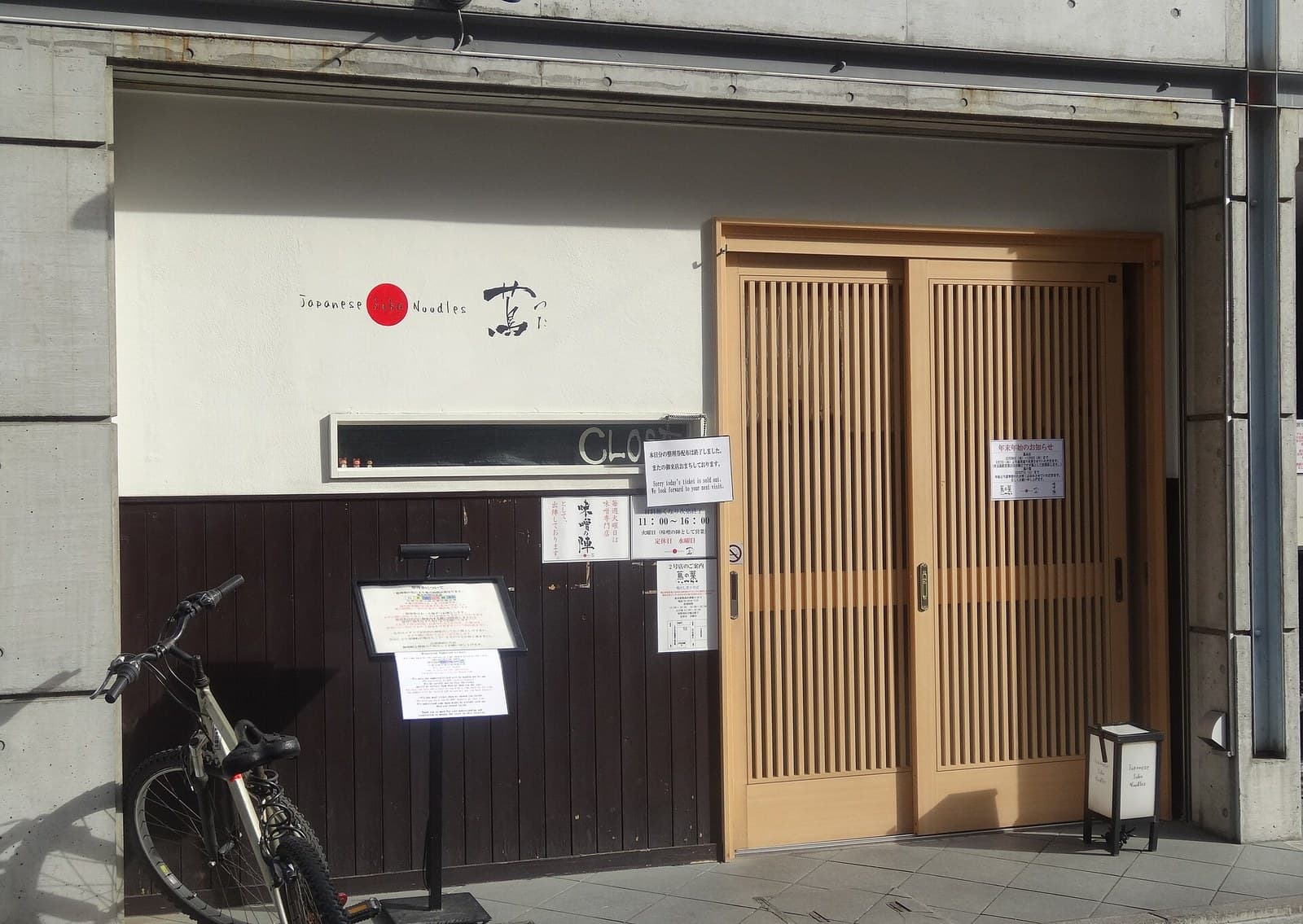
Best Ramen in Tokyo 2026 (Local Favorites by Style)
Tokyo ramen by style: shoyu at Tsuta, clam shio at Konjiki Hototogisu, tsukemen at Fuunji, niboshi at Nagi in Golden Gai, tonkotsu at Ichiran.
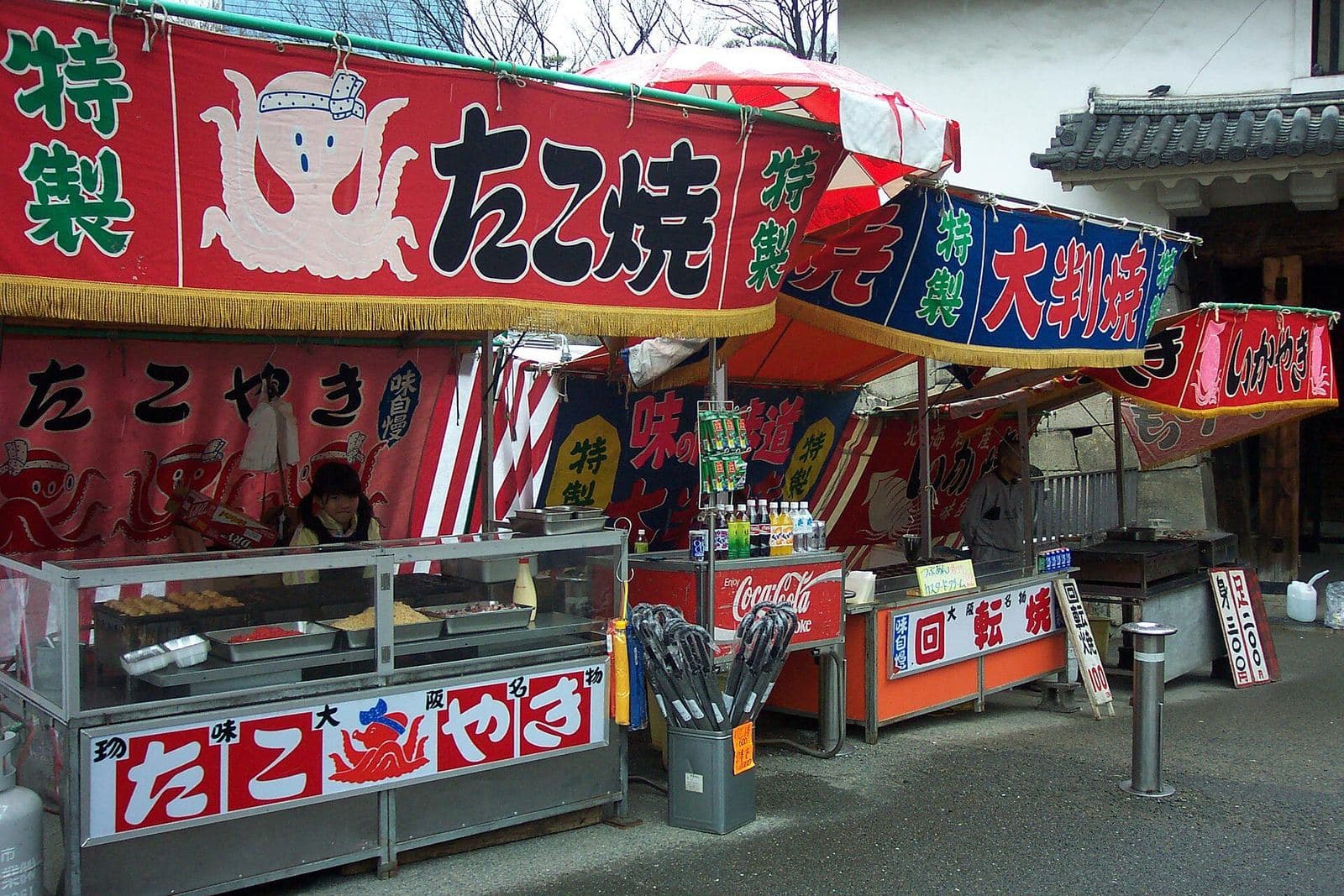
Osaka Food Guide: What to Eat and Where (2026)
Osaka is Japan's most food-obsessed city. Here is what to eat, where to find it, and why kuidaore is a way of life.
Japanese Food Guide: What to Eat in Japan (2026)
What to eat in Japan in 2026: ramen, sushi, yakitori, tempura, tonkatsu, izakaya, depachika, and regional specialties — from konbini onigiri to kaiseki.