Skip to content

The Best of Tokyo & Japan

15 Best Gardens and Parks in Tokyo: Traditional Japanese Gardens to Modern Green Spaces

15 Best Gardens and Parks in Tokyo: Traditional Japanese Gardens to Modern Green Spaces

Best parks and gardens in Tokyo 2026: Shinjuku Gyoen for cherry blossoms, Rikugien for autumn leaves, Yoyogi Park for people-watching. Complete guide to Tokyo's green spaces from formal gardens to urban parks.

A
Alex Rivera
·August 12, 2026·12 min read
Share
tokyo parkstokyo gardensshinjuku gyoenyoyogi parkjapanese gardenstokyo naturecherry blossoms tokyo

Key Takeaways

  • Tokyo has 5,000+ parks - from formal Japanese gardens to massive urban green spaces
  • Shinjuku Gyoen is Tokyo's best park for cherry blossoms (1,000+ trees, three garden styles)
  • Traditional gardens (Rikugien, Koishikawa Korakuen) show four seasons with tea houses and ponds
  • Yoyogi Park is Tokyo's people-watching central - street performers, picnics, festivals every weekend
  • Most major gardens charge entry (¥300-¥500), large parks are free
  • Best times — Spring for cherry blossoms, autumn for momiji (maple leaves), winter for plum blossoms

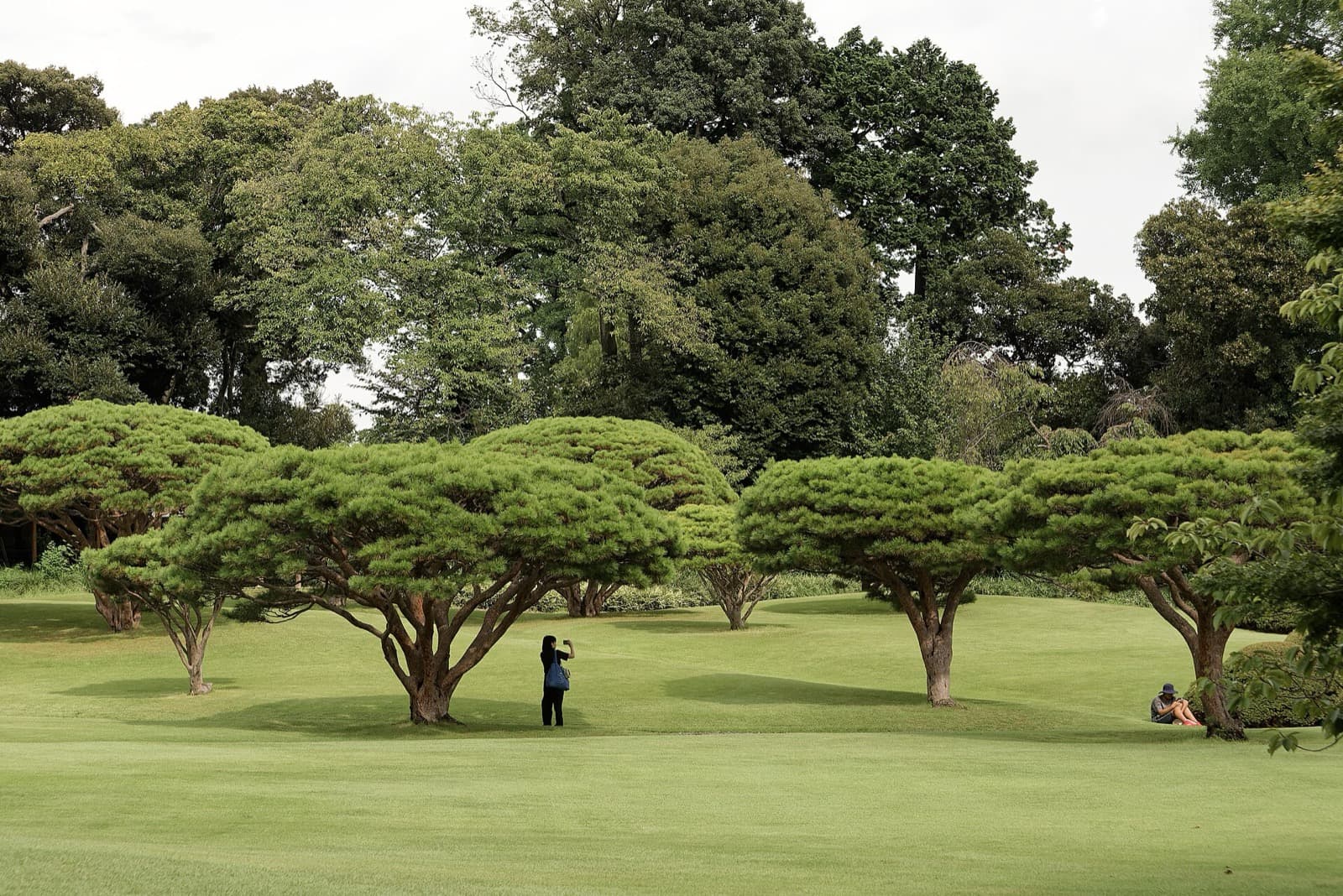
Tokyo is surprisingly green — the most tree-covered major city in the world. Between traditional Japanese stroll gardens dating back 400 years and massive modern parks where half of Shibuya picnics on weekends, Tokyo has 5,000+ green spaces.

Here's where to find the best gardens and parks in Tokyo in 2026, organized by style, season, and what you want to do there.

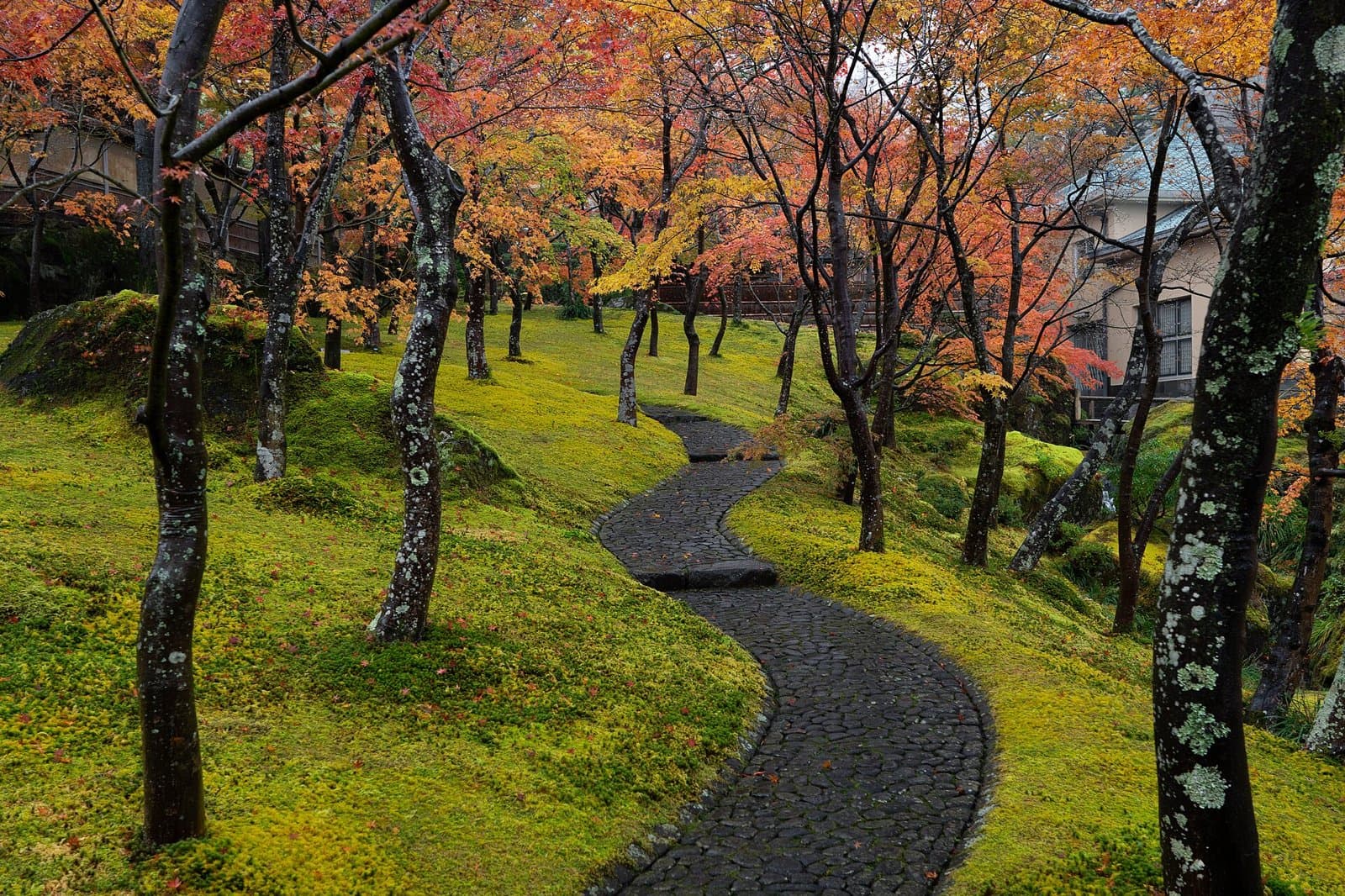
Traditional Japanese garden in Tokyo with pond, bridge, and autumn foliage

Best Traditional Japanese Gardens

Tokyo's Edo-period gardens (300-400 years old) follow "stroll garden" design: winding paths around central ponds, tea houses, carefully framed views, and obsessive seasonal planting.

Rikugien Garden (六義園) — Komagome

Considered Tokyo's most beautiful traditional garden. Built in 1702 by a feudal lord, Rikugien recreates 88 scenes from classical Japanese poetry. Every view is designed to evoke a specific poem or landscape.

Why it's essential — Best autumn foliage in Tokyo (November-early December), evening illuminations during peak seasons.

  • Location — Komagome (JR Yamanote line)
  • Entry — ¥300
  • Hours — 9am-5pm (extended during special seasons)
  • Size — 88,000 square meters
  • Best seasons — Autumn (November), spring (March-April)
  • Features — Large central pond, tea houses, meticulously pruned trees

Autumn illuminations (November): Garden opens until 9pm, trees lit dramatically. Expect crowds but worth it.

Koishikawa Korakuen Garden (小石川後楽園) — Korakuen

Oldest surviving garden in Tokyo (1629). Combines Japanese and Chinese design elements, with miniature landscapes representing famous scenic spots.

  • Location — Korakuen (near Tokyo Dome)
  • Entry — ¥300
  • Hours — 9am-5pm
  • Best seasons — Plum blossoms (February), irises (June), autumn (November)
  • Features — Circular pond, Chinese-style full moon bridge, miniature Mount Lu

Less crowded than Rikugien, equally beautiful.

Hamarikyu Gardens (浜離宮恩賜庭園) — Shiodome

Former duck-hunting grounds for shoguns, now a seaside garden with Tokyo Bay views and skyscrapers backdrop. The contrast is striking — 300-year-old garden with modern Tokyo looming.

  • Location — Shiodome (near Ginza)
  • Entry — ¥300
  • Hours — 9am-5pm
  • Unique feature — Seawater pond (tides affect water level)
  • Tea house — Nakajima-no-ochaya — matcha tea ¥510 with traditional sweet

Best for: photographers wanting traditional garden + modern Tokyo in one frame.

Kiyosumi Teien Garden (清澄庭園) — Kiyosumi-Shirakawa

Smaller stroll garden known for its stone collection — rocks sourced from all over Japan, arranged around the pond. Popular with locals, less touristy.

  • Location — Kiyosumi-Shirakawa (east Tokyo)
  • Entry — ¥150
  • Size — Intimate, 30-minute stroll
  • Best for — Quiet morning walk, local Tokyo atmosphere

Pair with Tokyo coffee culture — Blue Bottle Tokyo is 5 minutes away.

Best Large Parks (Free Entry)

Yoyogi Park (代々木公園) — Harajuku

Tokyo's people-watching capital. On weekends: street performers, live music, picnics, frisbee, dog walkers, break dancers, amateur bands. Yoyogi is where Tokyo goes to be outside.

Why it matters — Best free park in central Tokyo, perfect for understanding Tokyo's weekend culture.

  • Location — Harajuku (next to Meiji Shrine)
  • Entry — Free
  • Size — 54 hectares (one of Tokyo's largest)
  • Best time — Weekends 11am-5pm (peak activity)
  • Nearby — Meiji Shrine, Harajuku shopping

What you'll see

  • Picnic groups with full spreads
  • Street performers and musicians
  • Dance practice groups (K-pop, hip-hop, traditional)
  • Food stalls on weekends
  • Cherry blossom parties (hanami) in spring

Bring blanket or buy food from nearby Family Mart, join the crowd.

Ueno Park (上野公園) — Ueno

Tokyo's museum park — contains Tokyo National Museum, National Science Museum, Ueno Zoo, and Toshogu Shrine. Also 1,000+ cherry trees making it Tokyo's most famous hanami spot.

  • Location — Ueno (north Tokyo)
  • Entry — Free (museums charge separately)
  • Size — 53 hectares
  • Best season — Cherry blossom season (late March-early April)
  • Features — Shinobazu Pond with lotus flowers, temples, museums

Cherry blossom season chaos — Half of Tokyo comes here. Blue tarps everywhere, drinking parties under trees, festival atmosphere. Arrive early or avoid entirely if you want peace.

Shinjuku Gyoen (新宿御苑) — Shinjuku

Tokyo's finest park. Three distinct garden styles (Japanese traditional, French formal, English landscape) in one massive space. 1,000+ cherry trees in 65 varieties.

  • Location — Shinjuku (10 min walk from station)
  • Entry — ¥500
  • Hours — 9am-4:30pm (closed Mondays)
  • Size — 58 hectares (one of Tokyo's largest)
  • Best seasons — Cherry blossoms (March-April), autumn (November)
  • Rules — No alcohol (unlike Ueno), no sports equipment

Why pay ¥500 when other parks are free? Shinjuku Gyoen is immaculate, peaceful, and has zero chaos. Worth every yen for cherry blossoms without drunken salarymen.

Inokashira Park (井の頭公園) — Kichijoji

Neighborhood park with central pond, swan boat rentals, small zoo, and surrounding cafe/shopping district. Popular with young couples.

  • Location — Kichijoji (west Tokyo)
  • Entry — Free
  • Best for — Afternoon stroll + Kichijoji shopping
  • Nearby — Studio Ghibli Museum (advance tickets required)

Kichijoji is consistently voted "most desirable Tokyo neighborhood." The park is a big reason.

Best Parks by Season

Spring (Cherry Blossoms: Late March - Early April)

ParkTreesAtmosphereCrowds
Shinjuku Gyoen1,000+ (65 varieties)Peaceful, no alcoholHigh
Ueno Park1,000+Party atmosphereExtreme
Yoyogi Park600+Relaxed picnicsHigh
ChidorigafuchiMoat walk with cherry treesRomanticHigh

See full guide: Cherry blossom Tokyo 2026

Summer (June-August)

Best parks with shade and water

  • Hibiya Park — Central Tokyo, fountains, summer concerts
  • Koishikawa Korakuen — Irises in June, shade trees
  • Hamarikyu — Seaside breeze from Tokyo Bay

Summer is hot and humid. Parks with water features and shade are essential.

Autumn (November)

Best for fall colors (momiji)

ParkPeak TimeHighlights
RikugienMid-Nov to early DecEvening illuminations, maple trees
Shinjuku GyoenLate NovemberThree garden styles, ginkgo trees
Koishikawa KorakuenEarly-mid NovemberFewer crowds, equally beautiful

See full guide: Autumn in Japan 2026

Winter (December-February)

Plum blossoms (ume) — February-early March

  • Koishikawa Korakuen — 90+ plum trees
  • Hanegi Park — 650 plum trees, locals' favorite
  • Yushima Tenjin Shrine — Small but atmospheric

Plum blossoms precede cherry blossoms by a month. Less famous but equally beautiful.

Best Parks for Specific Activities

Picnics and Hanami

  • Yoyogi Park — Anything goes, vendors sell drinks/snacks
  • Inokashira Park — Romantic couples spot
  • Shinjuku Gyoen — No alcohol but peaceful

Running

  • Imperial Palace Loop — 5km, mostly flat, runner-heavy mornings
  • Yoyogi Park — Multiple loops, tree shade
  • Komazawa Olympic Park — Purpose-built athletics park

Cycling

  • Yoyogi Park — Rental bikes available
  • Kasai Rinkai Park — Seaside cycling paths
  • Tama River — Long riverside cycling route

Photography

  • Rikugien — Traditional garden, autumn colors
  • Hamarikyu — Garden + modern Tokyo skyline
  • Shinjuku Gyoen — Three garden styles, diverse compositions

Hidden Gem Parks (Local Secrets)

Meguro Sky Garden (目黒天空庭園)

Rooftop park built on top of highway junction. Surreal — green garden floating above traffic.

  • Location — Meguro
  • Entry — Free
  • Size — 400m loop walkway
  • Best for — Unique Tokyo infrastructure tour

Institute for Nature Study (自然教育園) — Meguro

Natural forest preserved in central Tokyo. More wilderness than manicured park.

  • Location — Meguro (near Shirokane)
  • Entry — ¥320
  • Crowd limit — 300 people max at any time (ensures quietness)
  • Best for — Escaping Tokyo without leaving Tokyo

Todoroki Valley (等々力渓谷) — Setagaya

Natural gorge and stream in residential Tokyo. Forget you're in a megacity.

  • Location — Todoroki, Setagaya (southwest Tokyo)
  • Entry — Free
  • Length — 1km walking trail along stream
  • Best for — Nature walk, summer cooling off

Garden and Park Etiquette

Do

  • Stay on paths in formal gardens
  • Take trash with you (no public bins usually)
  • Keep voices moderate
  • Remove shoes before entering tea houses
  • Bow slightly at shrine/temple gates within parks

Don't

  • Pick flowers or disturb plants
  • Climb trees or structures
  • Play music loudly
  • Smoke outside designated areas
  • Let children run wild in formal gardens

Entry Fees and Hours

Park TypeEntry FeeTypical Hours
Large public parks (Yoyogi, Ueno, Inokashira)Free24 hours (some areas close at night)
Traditional gardens (Rikugien, Koishikawa)¥150-¥5009am-5pm (closed some Mondays)
Imperial gardens (East Gardens, Hamarikyu)Free-¥3009am-4:30pm (closed Mondays/Fridays)

Most parks are free. Traditional Edo-period gardens charge small fees (¥150-¥500).

Tea Houses in Tokyo Gardens

Several traditional gardens have functioning tea houses serving matcha:

GardenTea HousePriceExperience
HamarikyuNakajima-no-ochaya¥510Sitting on tatami overlooking pond
RikugienFukiage Chaya¥510Seasonal wagashi and matcha
Kyu-Furukawa GardensWestern-style tea room¥800Rose garden views

Order matcha set (¥500-¥800) — includes tea and traditional sweet. Sit, rest, practice mindfulness.

See full guide: Japanese tea ceremony

Parks Near Major Tokyo Areas

Near Shibuya/Harajuku

  • Yoyogi Park — 5 min walk from Harajuku Station
  • Meiji Shrine Forest — Adjacent to Yoyogi

Near Shinjuku

  • Shinjuku Gyoen — 10 min walk from Shinjuku Station
  • Shinjuku Central Park — Modern park with skyscrapers

Near Tokyo Station/Ginza

  • Imperial Palace East Gardens — Free, historical
  • Hamarikyu Gardens — Seaside, Tokyo Bay views
  • Hibiya Park — Central, business district oasis

Near Ueno

  • Ueno Park — Museums, zoo, cherry blossoms
  • Shinobazu Pond — Lotus flowers in summer

FAQ

What is the best park in Tokyo? For traditional beauty: Rikugien Garden (autumn colors, evening illuminations). For cherry blossoms: Shinjuku Gyoen (1,000+ trees, peaceful). For atmosphere: Yoyogi Park (free, weekend energy, people-watching).

Are Tokyo parks free? Most large public parks (Yoyogi, Ueno, Inokashira) are free. Traditional Edo-period gardens charge ¥150-¥500 entry. Imperial gardens are mostly free.

What is the best time to visit Tokyo gardens? Spring (late March-April) for cherry blossoms. Autumn (November) for fall colors. February for plum blossoms. Summer is hot/humid, winter is quieter.

Can I picnic in Tokyo parks? Yes — Yoyogi Park, Ueno Park, Inokashira Park encourage picnics. Bring blanket, buy food from convenience stores. Exception — Shinjuku Gyoen prohibits alcohol.

Where are the best cherry blossoms in Tokyo? Shinjuku Gyoen (peaceful, 65 varieties), Ueno Park (famous but crowded), Chidorigafuchi (romantic moat walk), Yoyogi Park (relaxed picnics). Peak: late March-early April.

What is the difference between a park and a garden in Tokyo? Parks (koen) are large, free, casual spaces for recreation. Gardens (teien) are smaller, designed landscapes with entry fees, focused on aesthetics and seasonal beauty.

Can I enter Tokyo parks at night? Most large parks (Yoyogi, Ueno) are open but poorly lit and quiet at night. Traditional gardens close 4:30-5pm. Some gardens have special evening openings during cherry blossom and autumn seasons.

Do Tokyo parks allow alcohol? Most parks allow alcohol (Yoyogi, Ueno, Inokashira) except Shinjuku Gyoen which explicitly prohibits it. Be respectful, no rowdiness.

What is hanami? Hanami (花見) means "flower viewing" — the tradition of picnicking under cherry blossoms in spring. Groups reserve spots with blue tarps, eat, drink, and celebrate sakura. Peak season late March-early April.

Are Tokyo parks safe at night? Yes, Tokyo is very safe. Parks are quiet after dark but safe for walking through. Some parks lock gates at night (check hours). Avoid isolated areas very late (common sense).

Need Help with This?

Have questions about 15 Best Gardens and Parks in Tokyo: Traditional Japanese Gardens to Modern Green Spaces? We're here to help. Send us a message and we'll get back to you within 24-48 hours.

Alex Rivera

Alex Rivera

Travel & Living Editor

6 years in Japan

Expat guide. Helps people actually move to and navigate Japan.

Moved from London to Tokyo in 2018. Went through the full gaijin experience—visa, housing, banking, the works. Now writes the guide he wished he had.

Tokyo

Expertise

Moving to Tokyo, expat life, travel, Kyoto vs Tokyo, onsen

The Standard Newsletter

Tokyo in your inbox. Weekly.

No algorithms curating your culture. No sponsored content disguised as journalism. Just the real Tokyo — the izakayas at 2am, the Harajuku kids who never made it to the algorithm, the ramen shop with no sign.

8K+

Subscribers

Weekly

Editions

Free

Always

Join the underground.

One email a week. Unsubscribe anytime.

No spam. No sharing your data. Tokyo only.

Related Stories
More →