
eSIM for Skiing in Japan: Signal at Niseko, Hakuba, Nozawa
Which network to pick for a ski trip, why a data-only eSIM can't make phone calls, cold-battery rules, and what to set up before you ride Niseko or Hakuba.
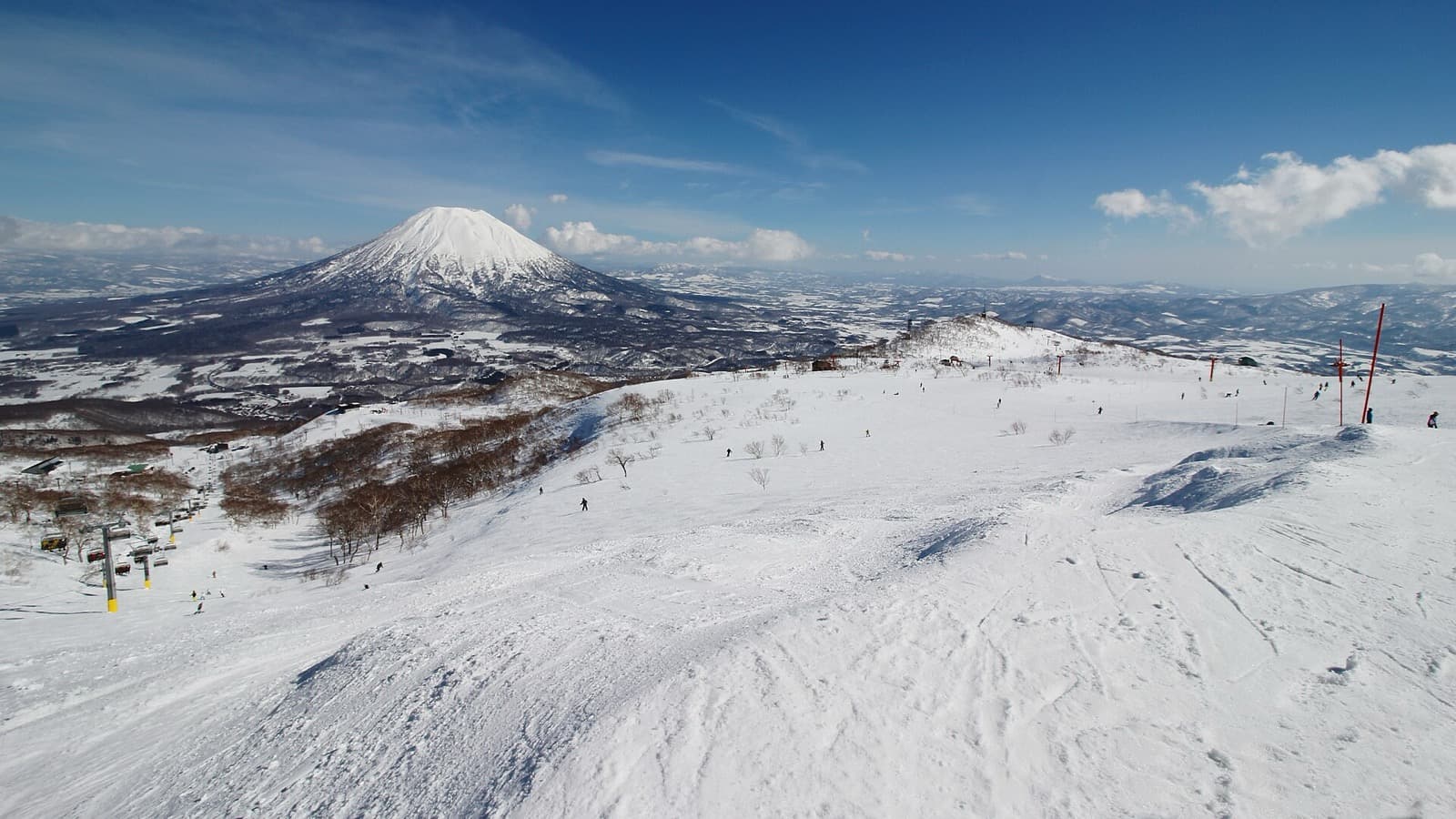
A ski trip asks more of your phone than a city trip does. You use it on the lift to find your group, in a whiteout to check the trail map, at night to book a taxi back from the restaurant, and, if something goes wrong, to call for help. The cheapest eSIM that works perfectly in Tokyo is not always the right one on a mountain.
Some links in this article are affiliate links. If you book through them, The Standard Japan may earn a commission at no additional cost to you.
In the village, anything works. On the mountain, the network matters.
Japan has three national networks: NTT Docomo, KDDI (au) and SoftBank. Travel eSIMs don't have their own masts; each one runs on one or more of these, so the network matters more than the brand. (See Docomo vs SoftBank vs au for the full comparison.)
In the base villages, such as Hirafu in Niseko, central Hakuba and Nozawa Onsen's town, all three work well. The differences show further out: on the upper lifts, in tree runs that drop into side valleys, on the roads between resorts and in small lodges outside the village. There, Docomo has the widest coverage, and SoftBank is the most likely to drop out.
| Where you ski | What to buy |
|---|---|
| Resort runs, staying in the village | Any network. Saily can use KDDI as well as SoftBank; Airalo is mainly SoftBank |
| Upper mountain, side valleys, several resorts | A Docomo plan: Ubigi, mobal or Sakura Mobile's Docomo plan |
| Backcountry or a guided tour | A Docomo plan, plus a voice line in the group (see below) |
Before you buy, look up the exact resort on the carrier's own coverage map: Docomo, au and SoftBank. The maps are in Japanese, but you can zoom in on the place.
Prices and plan sizes for every provider are in the best eSIM for Japan. For a week of skiing, 10GB is plenty unless you upload a lot of video.
A data-only eSIM has no phone number
Most travel eSIMs, including Airalo, Saily and Ubigi, are data-only. That covers maps, WhatsApp, LINE and internet calls, but it gives you no Japanese phone number and no ordinary voice calls. You can't count on it to reach Japan's emergency numbers: 119 for ambulance and mountain rescue, 110 for police.
On a ski trip, sort this out before you arrive:
- Keep one voice line in the group. Your home SIM with roaming switched on can make calls, including emergency calls. Or buy a voice eSIM with a Japanese number; mobal sells one on Docomo.
- Save the Japan Visitor Hotline: 050-3816-2787. It is run by the Japan National Tourism Organization, open 24 hours a day, every day, in English, Chinese, Korean and Japanese, and it helps with illness, injury and disasters.
- Save the resort's own numbers from the lift ticket office or the trail map. Patrol and first aid are run by each resort.
Backcountry: rules first, phone second
If you ski through the gates, a phone is a backup and nothing more. In Niseko, the official Niseko Rules require you to go out only through the gates, never under the ropes, and to wear a helmet and carry an avalanche beacon. The gates close when conditions are dangerous, and a search and rescue in the backcountry costs at least ¥100,000. The Niseko avalanche report is published every morning at niseko.nadare.info.
Signal in the backcountry is patchy on every network. A beacon, a partner and a guide matter more than which eSIM you have.
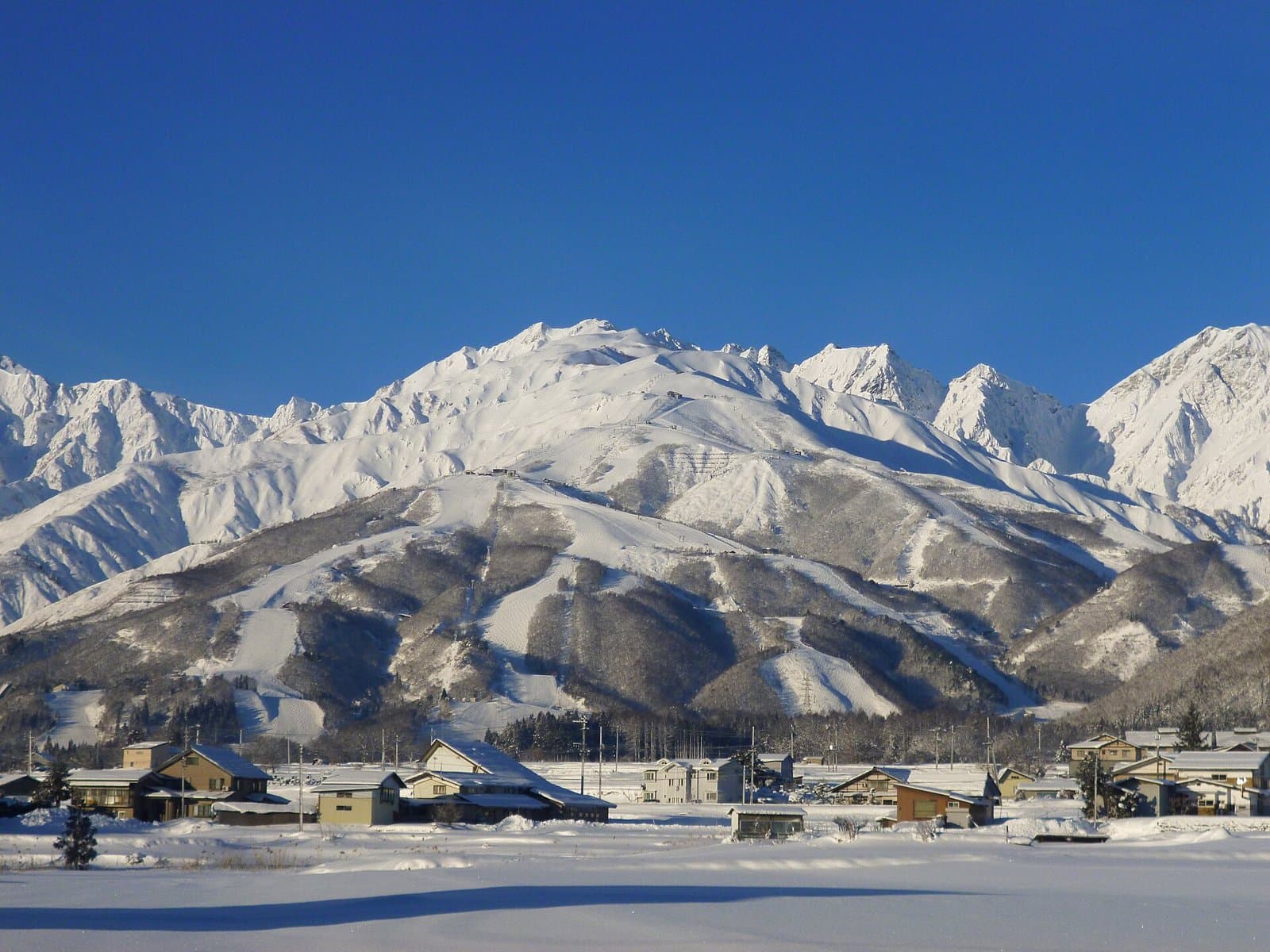
Happo-one in the Hakuba Valley. The valley's resorts are spread out, and signal on the roads between them is patchier than in the villages.
Cold kills batteries
Apple designs the iPhone to be used between 0°C and 35°C. Below that, its own guidance says, the battery can drain quickly and the phone may switch off, and it may charge slowly or not at all until it warms up. Lift rides in January are well below zero.
- Keep the phone in an inside pocket, close to your body, not in a jacket's outer pocket or a backpack strap.
- Carry a power bank, and charge the phone indoors at lunch.
- If it switches off, warm it gradually before you plug it in.
- Turn on low power mode before you go up.
Set it up before you fly
- Install the eSIM at home and turn it on when you land; see how to set up an eSIM for Japan. Most ski transfers leave from the airport, and you will need data to find the bus.
- Download offline maps: the resort's trail map and Google Maps for the area.
- Save the numbers: the Japan Visitor Hotline, your accommodation, the ski school and the resort.
- Share your location with your group in the maps app, so you can find each other at the base.
Getting to the snow: New Chitose Airport to Niseko, Tokyo to Hakuba and Tokyo to Nozawa Onsen. Choosing where to go: Niseko vs Hakuba vs Nozawa Onsen.
FAQ
Does my eSIM work at Japanese ski resorts? In the resort villages, yes, on any network. On the upper mountain and in side valleys, Docomo has the widest coverage.
Which eSIM is best for Niseko? For resort skiing from Hirafu, any network is fine. If you ski the far side of the mountain or go into the backcountry, choose a Docomo plan, such as Ubigi or mobal.
Can I call 119 with a data-only eSIM? Don't rely on it. A data-only eSIM has no phone number. Keep a voice line in the group, such as your home SIM on roaming, and save the Japan Visitor Hotline, 050-3816-2787.
Why does my phone die on the chairlift? It is too cold. Apple rates the iPhone for 0°C to 35°C. Keep the phone in an inside pocket and carry a power bank.
How much data do I need for a ski week? About 10GB for a week covers maps, messages and photos. Buy unlimited if you upload a lot of video.
Travel Desk
The Standard Japan
Trip planning: seasons and crowds, getting around, airports, where to stay, and the practical steps before and after you land.
Facts are taken from primary sources (operators, venues, official tourism and government pages) and dates and prices are checked on the day of writing. Pages are revised when those sources change.
Expertise
Seasonal crowds, transport and airports, itineraries, lodging, pre-trip logistics
Have a question or a correction?
Ask us anything about eSIM for Skiing in Japan: Signal at Niseko, Hakuba, Nozawa, or tell us what we got wrong. We reply within 24 to 48 hours.
Related Stories
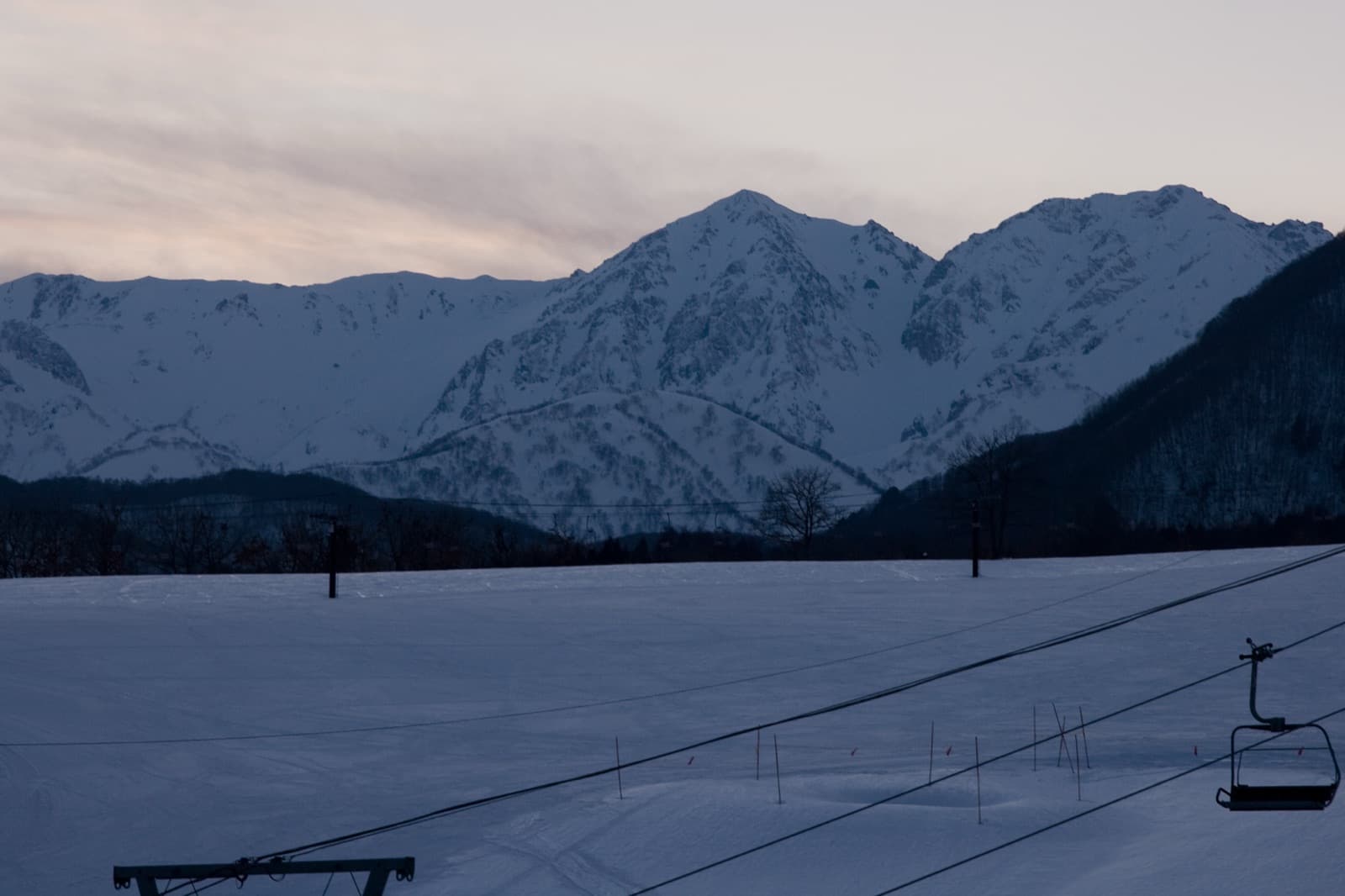
Best Ski Resorts in Japan (2026–27): Niseko, Hakuba, and Where the Powder Actually Is
Niseko gets the hype, but it's not the only — or even the best — call for every trip. A resort-by-resort breakdown of Japan's top ski towns for 2026–27.
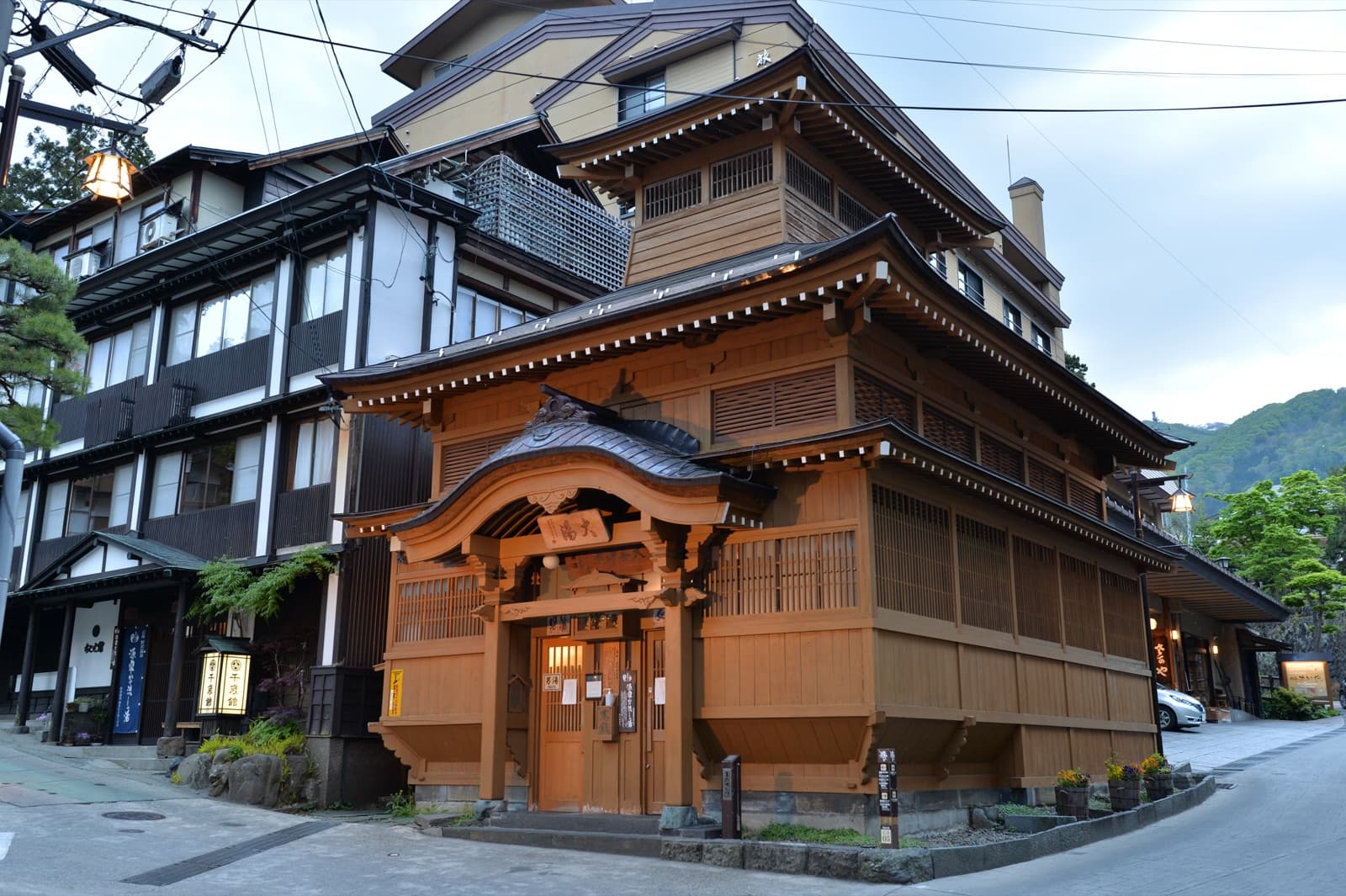
Nozawa Onsen Guide: 13 Free Bathhouses, Real Skiing, One Village
Nozawa Onsen is a working hot-spring village with a ski mountain built into the hillside above it — not the other way around. Here's how to do it right.

Docomo vs SoftBank vs au: Which Has the Best Coverage?
Docomo has the widest rural and mountain coverage; SoftBank and au match it in cities. Which network your eSIM really runs on, and when it matters.