
Hokkaido Travel Guide: Sapporo, Furano, Niseko, Hakodate (2026)
How to plan Hokkaido: fly into New Chitose, base in Sapporo, then branch to Otaru, Furano/Biei in summer or Niseko in winter. Four to seven days.
Hokkaido is Japan’s big northern island. Fly into New Chitose Airport (CTS), use Sapporo as your base, and give yourself four to seven days. Summer means hiking, lavender fields, and dairy country. Winter means snow, soup curry, and some of Asia’s best powder. Distances are long. Treat the island like a small country, not a weekend added to Tokyo.
Ski details live in the Niseko guide. For mainland pacing, see what to do in Tokyo and Hakone. Use Suica / Pasmo where they work; many rural buses still want cash.
Getting there and getting around
From Tokyo, fly. Haneda or Narita to New Chitose takes about 1.5 hours, with one-way fares often in the ¥8,000–¥25,000 range depending on airline and date. The overnight sleeper trains are gone. By rail today you take the Tohoku and Hokkaido Shinkansen and then a limited express, which uses most of a day and rarely saves money.
Airport to Sapporo is easy: the JR Rapid Airport train takes about 37 minutes to Sapporo Station for about ¥1,200 (JR Hokkaido raised its fares in April 2025, so check the current price), and buses to downtown hotels usually cost ¥1,000–¥1,300.
Airport to Niseko is a different story. In winter, reserved resort buses take about 2.5 hours to Hirafu. Late flights, ski bags, and families often do better with a private transfer.
JR Hokkaido is useful for Sapporo–Otaru (about 30–45 minutes, well under ¥1,000), Sapporo–Hakodate (limited express ~3.5 hours, often ¥9,000+), and connections toward Furano. Run the JR Pass math carefully — a nationwide pass only pays if you combine Hokkaido with heavy Honshu rail.
A rental car makes sense for Furano/Biei loops and ski-resort logistics. Book an English-friendly desk at CTS. Winter rentals come with snow tires, but ice at night is still the main risk. On summer lavender weekends, parking fills early, so set off early. IDP rules and ETC card setup: renting a car in Japan.
| Corridor | Best mode | Rough time |
|---|---|---|
| Tokyo → Sapporo | Flight | ~1.5h air + airport transfer |
| Sapporo → Otaru | JR | ~30 min |
| Sapporo → Furano | JR or car | ~2–2.5h |
| Sapporo → Niseko | Bus or car | ~2–2.5h |
| Sapporo → Hakodate | Limited express | ~3.5h |
When to go
June–August is hiking weather, flower fields, mild evenings, and seafood festivals. Furano and Biei lavender usually peaks mid to late July, and hotels jump that week.
December–March brings Sapporo Snow Festival energy in early February, serious skiing in Niseko and Rusutsu, and soup-curry weather. Pack layers. Sidewalks ice over.
May and September–October are quieter and better value if you can skip peak powder and peak lavender. Inland autumn color is the bonus.
Where to go
Sapporo
This is the base for most first trips. Walk Odori Park, eat miso ramen in Ramen Yokocho or Susukino (often ¥900–¥1,400), and stop by the Sapporo Beer Museum if you want an easy afternoon (grounds free; tasting sets often ¥500–¥1,000). The Clock Tower and the Former Hokkaido Government Office are quick photo stops. Don't fill a short trip with downtown museums. Full ranked list: top 10 things to do in Sapporo.
Otaru
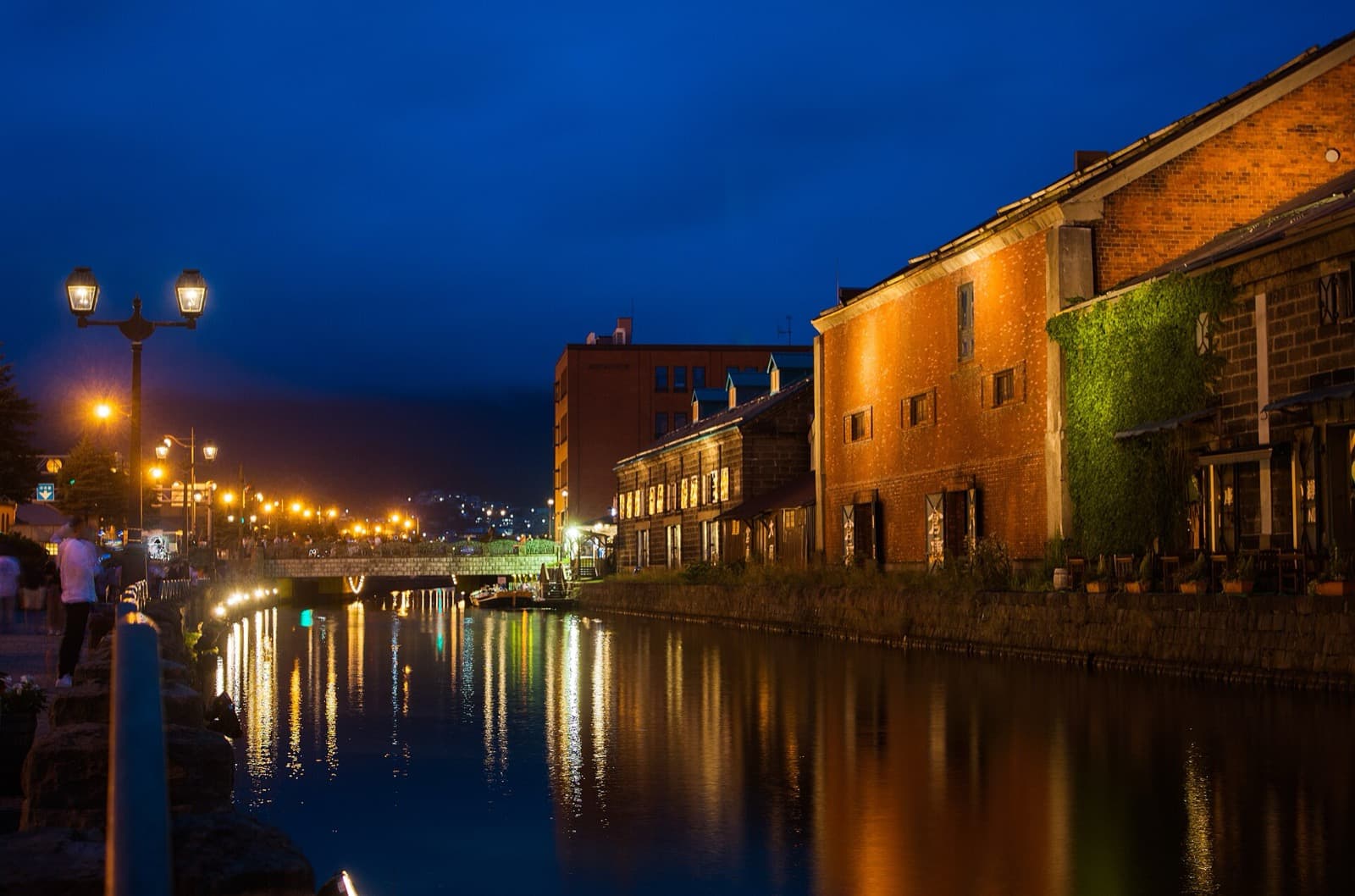
Canal warehouses, glass shops, and sushi counters a short JR hop west. Half a day is enough for most people. Dinner sushi sets commonly run ¥3,000–¥8,000. In winter, the lit canal is worth the cold. Full day-trip breakdown: Otaru day trip guide.
Furano and Biei (summer)
Lavender farms, patchwork hills, soft-serve stands. Farm admissions often land around ¥500–¥1,500. Without a car, use buses or tours from Sapporo or Furano Station — service thins after late afternoon.
Niseko
This is Japan’s international powder brand in winter, and a quieter hiking base around Mount Yotei in summer. Day lift tickets commonly run ¥7,000–¥10,000+, and peak lodging can dwarf the rest of your budget. Book early. Full logistics: Niseko guide.
Hakodate
Come for the night view from Mount Hakodate (ropeway round-trip often ¥1,500–¥2,000), morning-market seafood, and a compact hillside town. It fits as a rail overnight at the end of a longer loop. Same-day from Sapporo only makes sense if you love trains. Full guide: Hakodate travel guide.
What to eat
Start with miso ramen, richer than Tokyo's soy-sauce ramen and often topped with butter and corn. Then try soup curry, a vegetable-heavy curry broth with chicken or seafood, usually ¥1,200–¥1,800. Seafood breakfasts with uni, crab, and scallops can run ¥2,000–¥5,000 in Sapporo or Hakodate markets. Furano is the soft-cream and dairy stop.
More context: Japanese food guide.
How many days
Four days — fly in, do Sapporo, take an Otaru day trip, fly out.
Five or six — add Furano/Biei in summer or a Niseko overnight in winter.
Seven — room for weather, rest, and Hakodate if you want it.
FAQ
Is flying really better than the train from Tokyo?
Usually yes. About 1.5 hours in the air beats a full day of rail transfers.
Do I need a rental car?
Not for Sapporo and Otaru. Yes if you want Furano/Biei freedom or ski-resort flexibility without bus schedules.
How many days for a first trip?
Four is the useful minimum. Five to seven if you add Furano or Niseko.
Summer or winter?
Flowers and hiking in summer; snow festival and skiing in winter. Pick the main goal first. Powder logistics: Niseko guide.
Is the JR Pass worth it just for Hokkaido?
Often no on a short island-only trip. Compare point-to-point fares and flights — JR Pass worth it 2026.
What should I eat first in Sapporo?
Miso ramen, then soup curry. Seafood if the budget allows a market breakfast.
Travel Desk
The Standard Japan
Trip planning: seasons and crowds, getting around, airports, where to stay, and the practical steps before and after you land.
Facts are taken from primary sources (operators, venues, official tourism and government pages) and dates and prices are checked on the day of writing. Pages are revised when those sources change.
Expertise
Seasonal crowds, transport and airports, itineraries, lodging, pre-trip logistics
Have a question or a correction?
Ask us anything about Hokkaido Travel Guide: Sapporo, Furano, Niseko, Hakodate (2026), or tell us what we got wrong. We reply within 24 to 48 hours.
The Standard Newsletter
Tokyo in your inbox. Weekly.
One short email a week: what’s on in Japan, what to book before it sells out, and the guides we’ve just updated.
280+
Guides
Weekly
Editions
Free
Always
Get the weekly email.
One email a week. Unsubscribe anytime.
No spam. We never share your address.
Related Stories
Aman Kyoto Review: What Guests Say, and Is It Worth It?
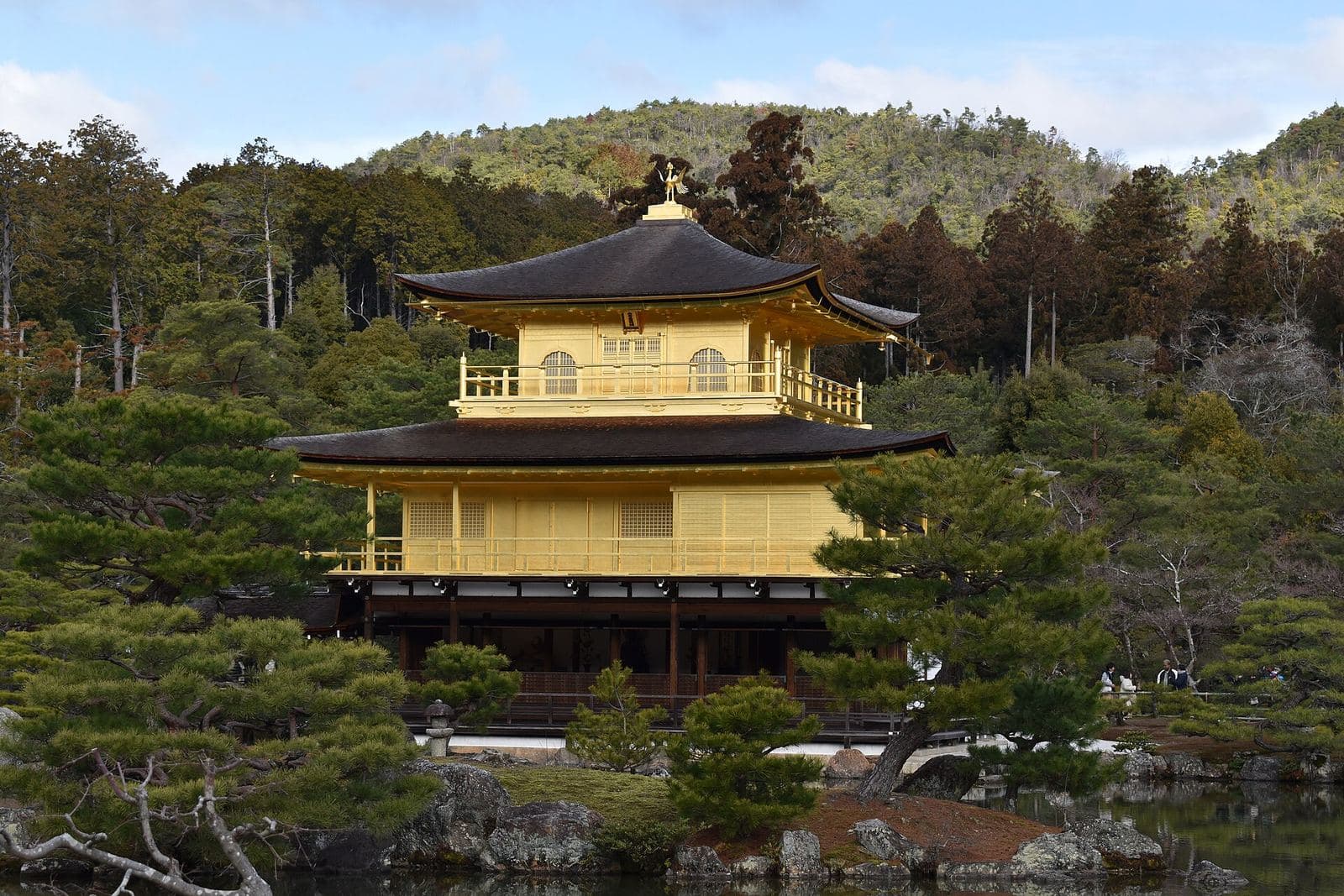
Aman Kyoto sits in a hidden forest garden near Kinkaku-ji. Guests call the setting extraordinary and the value poor. What they say, and who should go.
Aman Tokyo Review: What Guests Say, and Is It Worth It?
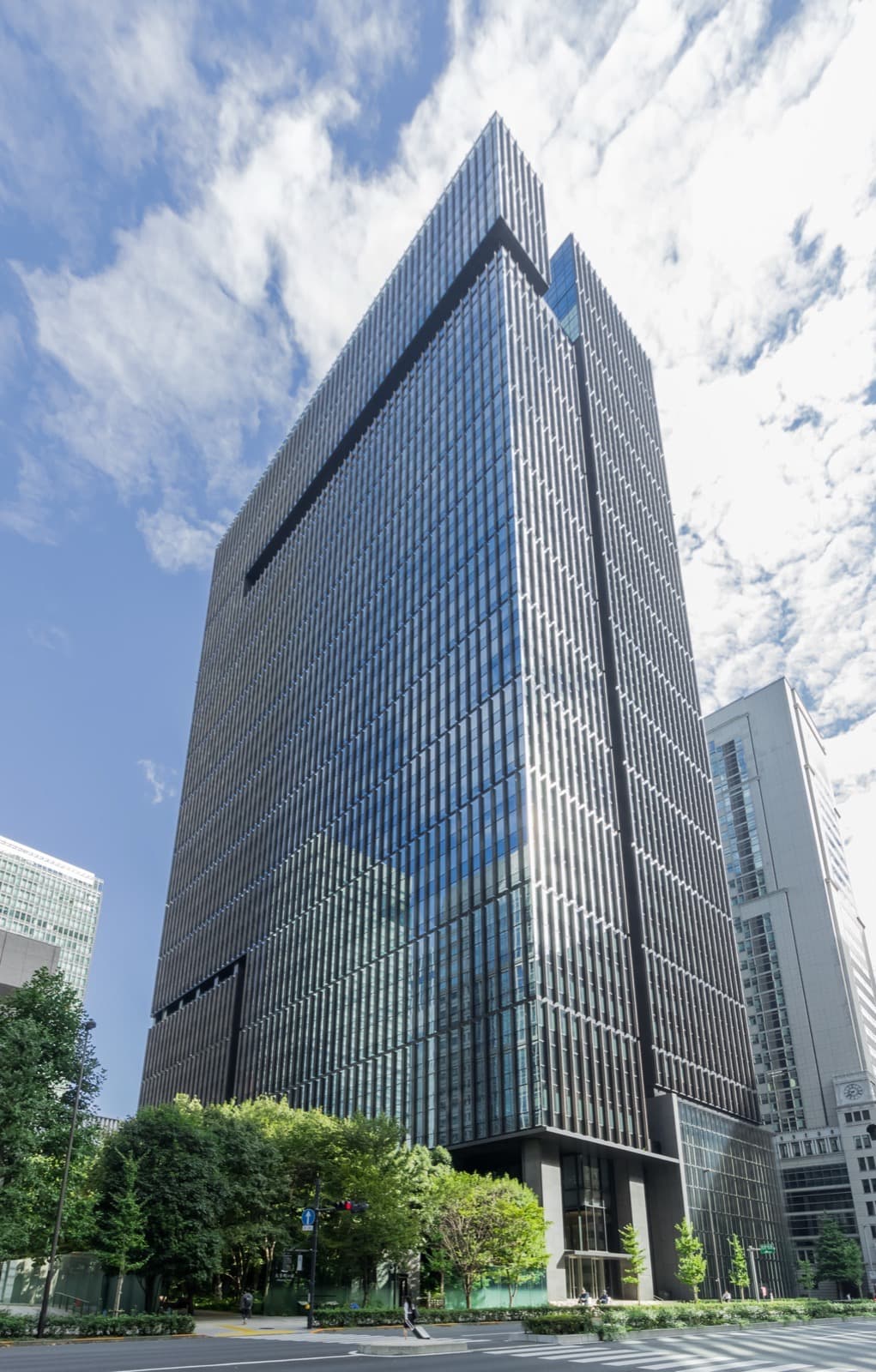
We read Aman Tokyo's guest reviews so you don't have to: what everyone loves, what keeps going wrong, which room to book, and when another hotel is better.
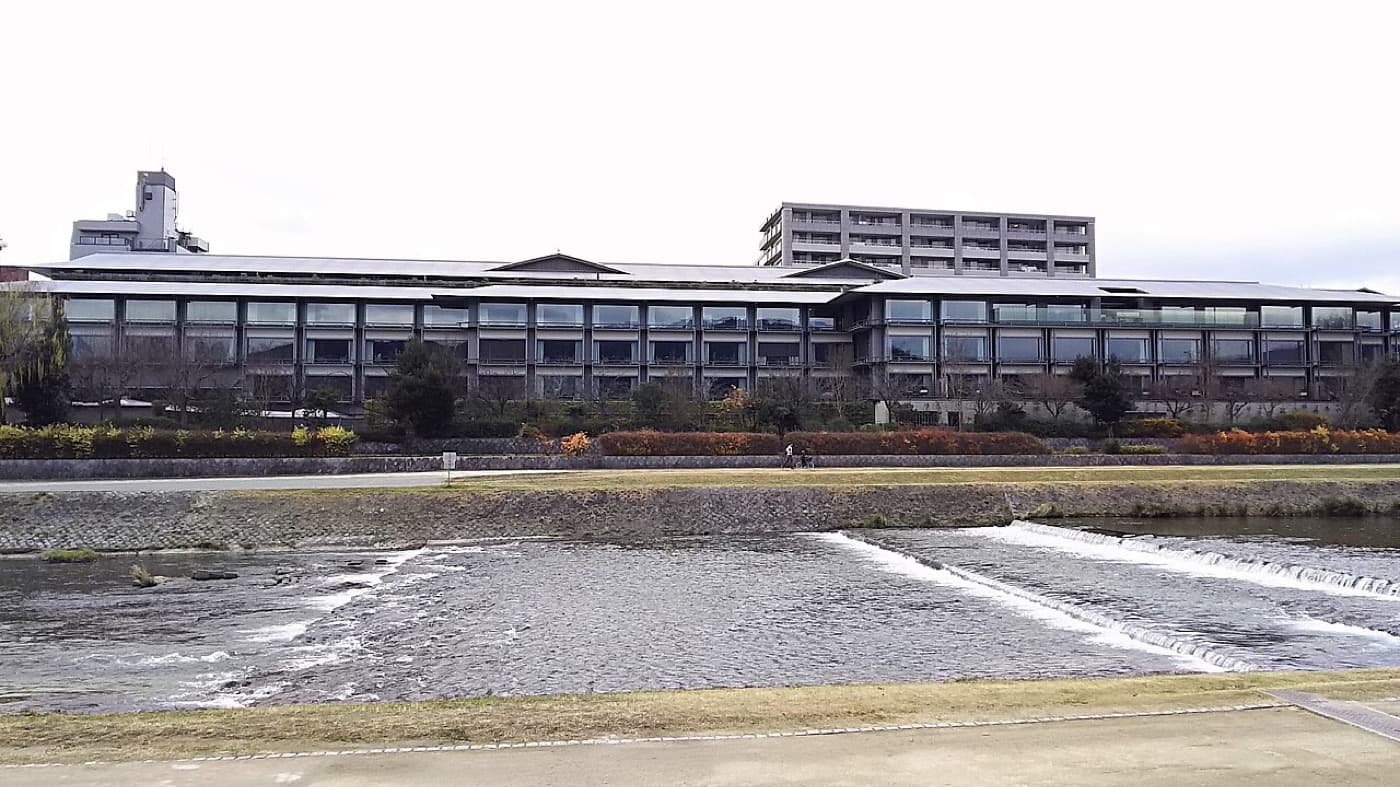
Best Luxury Hotels in Kyoto 2026, Ranked by Guest Reviews
Kyoto's top luxury hotels ranked on guest reviews: scores, prices, and what guests love and dislike at the Ritz-Carlton, Four Seasons, Park Hyatt and more.